Can Platelet-Rich Plasma (PRP) Injections Treat Hair Loss?

Hair thinning and loss affect people of all genders. Roughly 50 million men and 30 million women experience some degree of hair loss. It becomes especially prevalent after age 50 or during periods of high stress.
There are seemingly countless remedies for hair loss, each claiming different degrees of effectiveness. However, some approaches rest on stronger scientific evidence than others.
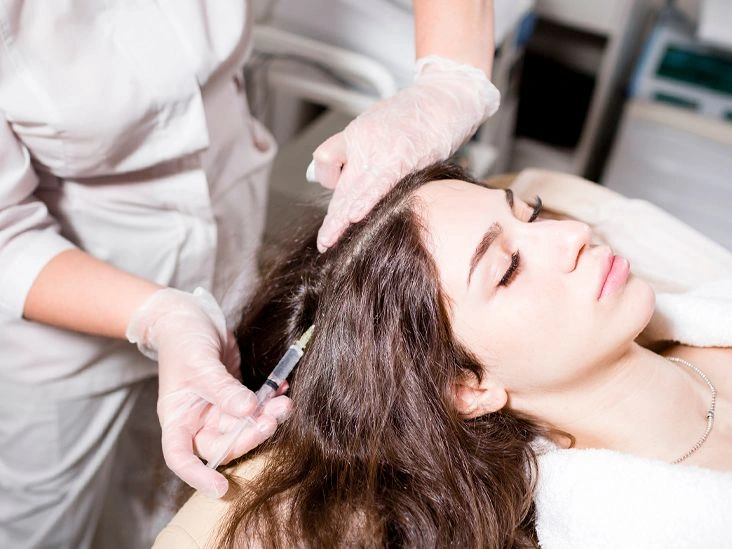
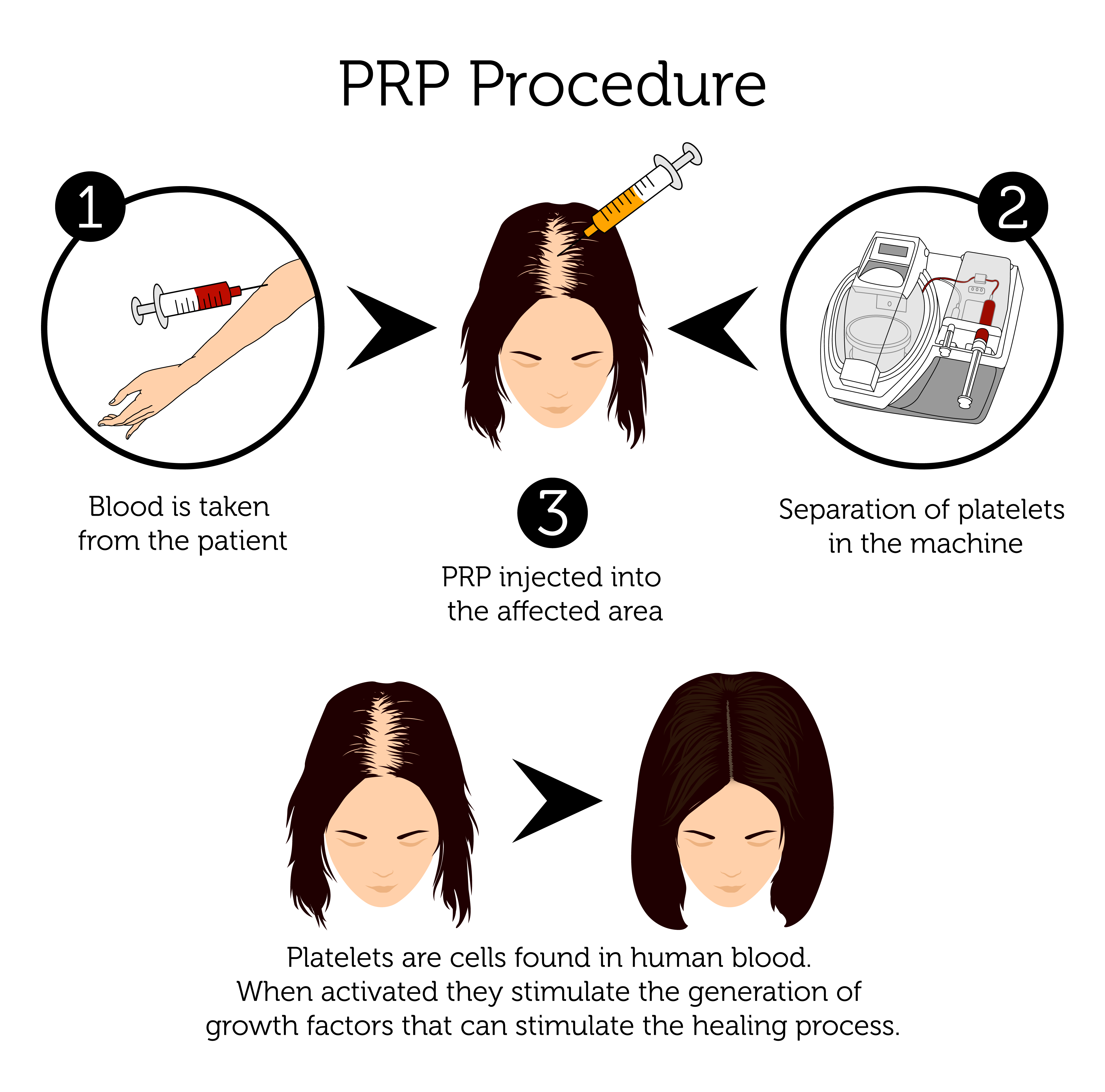
One such approach is platelet-rich plasma (PRP). PRP is derived from your own blood and injected into the scalp with the goal of repairing tissues, including the hair follicles that produce hair.
PRP is prepared by spinning a blood sample in a centrifuge-like device to separate and concentrate proteins and growth factors that promote healing.
This concentration makes PRP potentially useful as a stand-alone therapy for hair concerns.
Studies also indicate PRP injections may be beneficial for androgenic alopecia (male pattern hair loss).
Below we’ll review what the research indicates about PRP’s success in treating hair loss, possible side effects, and what kind of outcomes you might expect.
Does PRP work for hair loss?
In short, the evidence isn’t completely definitive that PRP will regrow hair or prevent further loss in every case.
Here’s a summary of some encouraging findings from studies of PRP and hair loss:
- A small trial of 11 individuals with androgenic alopecia reported that injecting 2 to 3 cubic centimeters of PRP into the scalp every 2 weeks for 3 months raised the average follicle count from 71 to 93 units. While this sample is too small to draw firm conclusions, it suggests PRP might increase the number of active hair-supporting follicles.
- A different study of 10 participants receiving PRP injections every 2 to 3 weeks for 3 months documented improvements in hair count, hair thickness, and root strength. This provides additional support for PRP’s potential benefit, though the small sample again limits generalizability.
- A 2019 study compared two groups over 6 months: one group of 20 used minoxidil (Rogaine) and another group of 20 received PRP injections. Thirty participants completed the study, and results showed PRP outperformed Rogaine for hair restoration. The research also noted that an individual’s platelet count can influence PRP efficacy; lower platelet levels may reduce treatment effectiveness.
Beyond male pattern baldness, the body of research on PRP for other forms of hair growth is limited and not wholly conclusive.
Why does PRP attract attention? It’s believed PRP contains proteins and growth factors that carry out several functions thought to support hair regrowth:
- promoting the repair and regeneration of follicular tissue
- stimulating cellular activity that encourages hair growth
There’s also emerging evidence that PRP might be useful for other hair loss types.
Is PRP hair treatment a permanent solution?
The initial course of treatments usually requires multiple sessions before you see noticeable changes.
Even after visible improvement, maintenance sessions—typically at least once a year—are often necessary to preserve newly encouraged hair growth.
Potential PRP hair treatment side effects
PRP injections carry possible risks from the injections themselves and the procedure, including:
- damage to blood vessels in the scalp
- nerve injury
- infection at the injection sites
- calcification or scarring where injections were performed
- adverse reactions to anesthesia used during the procedure, such as muscle aches, confusion, or urinary issues
Optum Now is operated by RVO Health. By clicking this link, we may receive a commission. Learn more.
PRP injections for hair loss: Before and after
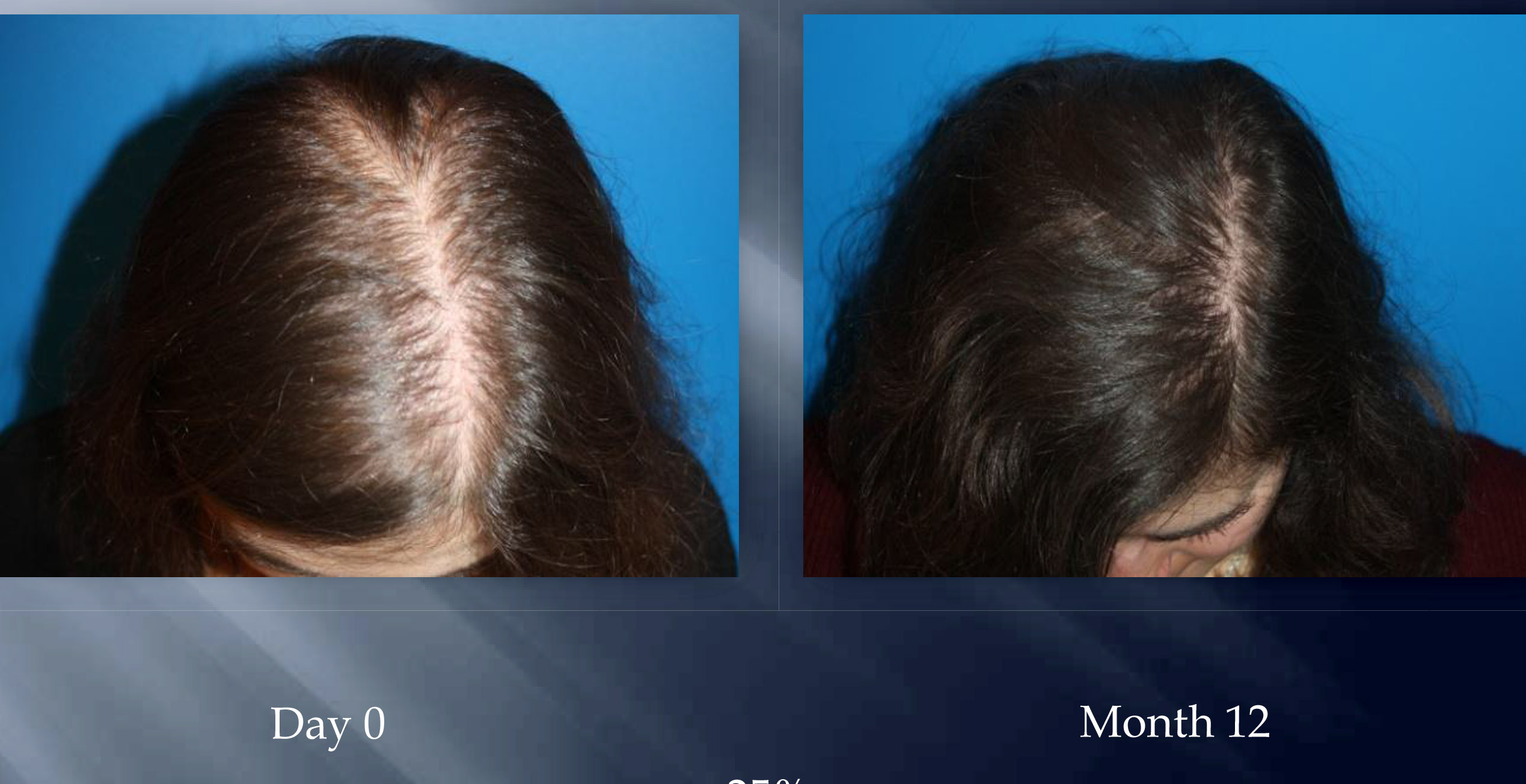
Keep in mind that outcomes vary widely depending on overall health, platelet concentration in your blood, and the condition of your hair.
Below is an example of someone who achieved positive results following PRP injection therapy for hair loss.
Takeaway
PRP therapy for hair loss shows encouraging evidence.
However, many studies so far involve small groups—often 40 participants or fewer—making it difficult to determine how widely these results apply.
Additionally, your own blood may not contain a high enough platelet concentration for PRP to be fully effective in restoring hair.
Consult a physician about testing your platelet levels and evaluating your hair health to determine whether PRP injections could be a suitable option for you.
Frequently Asked Questions
Reported success rates vary; small trials show improvements in hair count, thickness, and root strength for many patients, but exact percentages differ across studies and depend on individual factors.
Most protocols involve multiple sessions over several months (often every 2–4 weeks initially), with some improvement seen after a few sessions and continued gains with full treatment and maintenance.
PRP is not guaranteed permanent; maintenance treatments—typically annually or as recommended—are frequently needed to preserve gains and ongoing hair health.
People with early-stage androgenic alopecia and sufficient platelet counts often respond better; overall health, scalp condition, and realistic expectations are important considerations evaluated by a clinician.
Side effects may include injection-site pain, bleeding, infection, nerve or vessel injury, scarring, or adverse reactions to anesthesia; using autologous blood lowers immune reaction risk.






Related Posts

The Skin Benefits of Palmarosa Oil, Plus Recipes and Safety Tips
Oct 7, 2026 • 35 min read
The Ultimate Skin Care Routine for Combination Skin
Sep 20, 2026 • 15 min read
Derma Roller for Hair Growth: Here’s What You Need to Know
Sep 26, 2026 • 3 min read
Proper Dosage for Botox Treatment on the Forehead, Eyes, and Glabella
Aug 20, 2026 • 5 min read
Shea Butter for Your Face: Benefits and Uses
Aug 27, 2026 • 16 min read