How to Identify and Treat Spider Bites

- Are most spiders venomous?
- What do spider bites look like?
- How to treat a spider bite at home
- Brown recluse
- Black widow
- Hobo spider
- Tarantula
- Brazilian wandering spider
- Wolf spider
- Jumping spider
- Camel spider
- When to see a doctor
- How can you prevent a spider bite?
- Frequently asked questions
- How do you know if a spider bit you?
- How do you tell if you were bitten by a venomous spider?
- How long after a spider bite do symptoms occur?
- What can be mistaken for a spider bite?
- Why is it bad to squeeze a spider bite?
- Summary
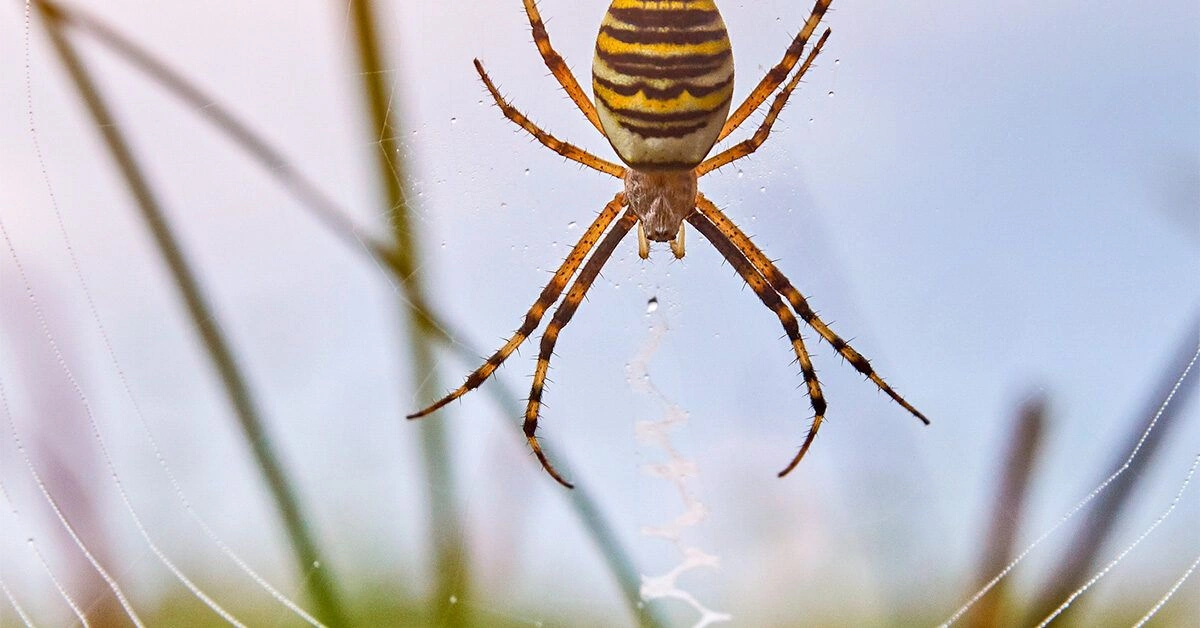
When a spider bites, it often leaves two small puncture marks on the skin. Some spider bites can trigger significant symptoms, but very few are life-threatening, and most spiders are not capable of biting people.
This article explains how to recognize signs of various spider bites and outlines several spider species that occasionally bite humans.
Are most spiders venomous?
There are more than 3,500 spider species in the United States, but the majority are harmless. Only two groups commonly cause medical concern: widows and recluses.
While most spiders can bite, many have fangs too tiny or weak to penetrate human skin. Several species possess weak or prey-specific venoms that are unlikely to impact people. When they do bite, wounds are often itchy and red and usually heal within about a week.
Yet some spiders can pierce human skin and inject potent toxins. Bites from these species are seldom fatal but can cause complications such as tissue necrosis and severe muscle spasms.
Read on to learn about:
- how spider bites typically appear
- which spider types produce particular bite patterns
- ways to manage spider bites
What do spider bites look like?
It’s easier to identify a spider bite if you actually saw the spider, but often the wound isn’t noticed until hours later.
Check for signs such as:
- swelling
- a red welt
- skin damage
- any concerning symptoms that follow the bite
Other possible symptoms accompanying a spider bite include:
- itching or a rash
- pain at the bite site
- muscle aches or cramping
- a red or purple blister
- excessive sweating
- difficulty breathing
- headache
- nausea or vomiting
- fever
- chills
- anxiety or restlessness
- rashes
- swollen lymph nodes
- high blood pressure
Spider bites can take longer to heal than many insect bites and may damage skin tissue. Keeping the area clean helps lower infection risk.
How to treat a spider bite at home
Many spider bites can be managed at home. For bites believed to be from nonvenomous spiders, try the following:
- Apply an ice pack intermittently for 10 minutes at a time. Always wrap ice or an ice pack in a cloth.
- Elevate the affected area to reduce swelling.
- Take an antihistamine such as diphenhydramine (Benadryl ) to relieve itching.
- Wash the area with soap and water to prevent infection.
- Use an antibiotic ointment if blisters form.
Seek medical care if you develop symptoms of a spider bite or if signs persist or worsen.
Always get medical attention if you suspect a bite from any of these species:
- brown recluse
- black widow
- hobo spider
- tarantula
- Brazilian wandering spider
Find descriptions of these spiders and where they hide below.
Optum Now is operated by RVO Health. By clicking on this link, we may receive a commission. Learn more.
Brown recluse

The brown recluse is part of the Loxosceles (recluse) family. Brown recluses are typically about one-third of an inch in body length.
They are not usually aggressive but will bite if trapped against skin. Brown recluses prefer dark, secluded spots and are sometimes called violin spiders because of a violin-shaped mark on their backs.
Brown recluses are commonly found in states like:
- Missouri
- Tennessee
- Kansas
- Arkansas
- Louisiana
- Oklahoma
- eastern Texas
An initial brown recluse bite may be painless, but within 2–8 hours it can itch, become painful, and redden. A red or purple ring, sometimes resembling a target, can form around the wound.
Without treatment, the bite may blister and deteriorate, potentially destroying surrounding tissue and causing fever, chills, and headache.
Rarely, a bite may lead to:
- coma or seizures
- jaundice
- blood in the urine
- kidney failure
There’s no specific antivenom for brown recluse bites; keeping the wound clean can aid recovery.
A doctor will inspect the site and may prescribe antibiotics. People with tissue necrosis might require surgery and hospitalization.
How do you treat a brown recluse spider bite?
Black widow

The black widow belongs to the Latrodectus (widow) family. It is glossy black with a distinctive red hourglass-shaped marking on its abdomen. Its body is roughly half an inch long.
Predominantly found in warmer Southern and Western U.S. regions, black widows favor concealed locations such as:
- piles of leaves
- woodpiles
- boxes in attics
Only female black widows are dangerous. Their bite may feel like a pinprick or may be unnoticed initially, but two puncture marks will be visible on the skin.
Within about an hour , you might notice:
- muscle cramps
- pain and burning at the bite
- headache
- elevated blood pressure
- increased salivation and sweating
- nausea and vomiting
- numbness
- restlessness
Rapid treatment is important, especially for children and older adults; a physician may administer antivenom.
What happens if a black widow spider bites you?
Hobo spider

Hobo spiders are common in the Pacific Northwest. Their bodies are about half to three-quarters of an inch long. They have long legs and move quickly.
Hobo spiders may bite if provoked.
Be cautious when cleaning:
- behind furniture
- under baseboards
- inside closets
You might not notice a hobo spider bite immediately, but pain and numbness typically appear within 15 minutes.
After an hour the area often reddens, and by 8 hours it may harden and swell. Within 24–26 hours the wound may discharge fluid and later turn dark.
Other possible signs include:
- a red or purple blister at the bite
- visual or hearing disturbances
- weakness
- joint pain
- headaches
- nausea
- sweating
Hobo spider bites heal slowly. Seek immediate medical care if you believe a hobo spider has bitten you.
Treatment resembles that for brown recluse bites and may include:
- corticosteroids
- antibiotics
- surgical intervention
Receiving treatment within 24 hours improves the chance of a good outcome.
What else should you know about a hobo spider bite?
Tarantula

Tarantulas live in desert regions of the Southwest and as far east as the Mississippi. They commonly shelter beneath:
- logs or rocks
- tree trunks
- burrows or tunnels
Most tarantula bites in the U.S. occur from pet specimens.
Tarantulas are distinctive in appearance:
- a body about one-and-a-half to two inches long
- a hairy body
- visible downward-pointing fangs
Tarantulas are not typically aggressive. Venom from U.S. tarantula species is not generally considered dangerous. Their bite may be painless or feel like a bee sting, causing localized warmth and redness.
Other symptoms can arise hours or days later and include:
- rash
- swelling
- itching
- rapid heartbeat
- puffy eyelids
- breathing difficulties
- low blood pressure
If you experience any of these signs, seek medical help immediately.
Brazilian wandering spider

The Brazilian wandering spider is native to Central and South America. It is fast-moving and can be aggressive. Its body ranges from about one-quarter to one-and-a-quarter inches long and is regarded as one of the world’s most venomous spiders.
A bite from this spider is intensely painful and may quickly cause profuse sweating and drooling. The skin near the bite usually swells, reddens, and becomes hot.
In severe instances, the bite can cause tissue death or be fatal.
Seek emergency care at once. Antivenom exists for bites from this species.
Wolf spider

Wolf spiders are common nationwide. Their bodies measure about one-quarter to one-and-a-third inches, and they can resemble small tarantulas. They hunt on the ground and stalk prey.
You may find them:
- in sandy or gravelly areas
- near door and window bases
- around houseplants
They have two large central eyes flanked by six smaller eyes.
A wolf spider bite can break the skin and cause pain, redness, and swelling. Lymph nodes may swell as a consequence.
Healing can take up to 10 days for some people, and in rare cases tissue damage can occur.
What do you need to know about a wolf spider bite?
Jumping spider

Jumping spiders are among the most common house spiders in the U.S. They are about one-fifth to three-quarters of an inch long, with a compact, hairy body.
Many are black with white spots and move in short, erratic jumps. They’re often found outdoors in gardens and near vegetation.
A jumpings spider’s bite is usually comparable to a wasp sting and is generally not dangerous unless someone has an allergy to spider venom.
Serious symptoms may include:
- pain
- itching
- redness
- swelling
- headaches
They may bite if threatened, so wear gloves when gardening.
How do you treat a jumping spider bite?
Camel spider

The sand-colored camel spider inhabits desert climates and has powerful jaws on its head. They occur in central and southern Mexico and the western United States.
Camel spiders seek cool spots and can sometimes be seen in shaded areas. They run quickly (up to 10 mph) and some can exceed 2 inches in length.
Because of their large jaws, a camel spider can inflict a notable wound on human skin. These animals do not produce venom, but the open wound can become infected.
You may also notice swelling around the bite and mild to significant bleeding.
When to see a doctor
Always seek medical care if you suspect someone has symptoms from a spider bite.
Call 911 if the person shows:
- an allergic reaction, such as hives, swelling, or breathing difficulty
- shock or severe breathing problems, even without an obvious allergic reaction
- muscle cramps
- fever
- loss of consciousness
- severe or rapidly worsening pain, swelling, or other alarming symptoms
If you saw the spider, try to photograph it so a doctor can identify it later if needed.
You may need a tetanus booster if you haven’t had one in the past 10 years .
For the best results, seek treatment within 24 hours of a bite when possible.
What can you do at home to ease the effects of a spider bite?
How can you prevent a spider bite?
Spiders can be present indoors, in yards, outdoors, and at workplaces.
To lower the chance of a bite, consider the following tips:
- learn to identify venomous spiders in your region
- use caution when hiking, camping, or doing yard work
- be careful when disturbing areas that haven’t been touched in a while, like log piles or attics
- inspect or shake out clothing, shoes, boots, and equipment before use, especially if stored in sheds or outhouses
- wear protective clothing such as long sleeves and gloves when working outdoors
- keep yards as free of debris as possible
- get a tetanus booster every 10 years
Frequently asked questions
How do you know if a spider bit you?
You may not always realize if a spider has bitten you, although some bites hurt like a sting. Two puncture marks are sometimes visible. Reactions can occur immediately or take several hours, depending on the spider.
For example, a wolf spider bite can tear the skin and cause pain, redness, and swelling. A jumping spider bite may feel like a wasp sting, and those with allergies can have a pronounced reaction.
How do you tell if you were bitten by a venomous spider?
Symptoms differ by species but may include:
- itching, pain, and a rash
- muscle aches or cramps
- sweating, fever, and chills
- breathing difficulties
- anxiety
- elevated blood pressure
You might not notice a brown recluse bite immediately, for instance, but pain and itching can develop after several hours . A black widow bite may feel like a pinprick at first, but puncture marks appear and other signs such as muscle cramps and fever typically follow.
How long after a spider bite do symptoms occur?
Timing varies with the spider. Some bites prompt immediate reactions, others are painless initially, and some produce symptoms only after hours. Signs from certain venomous bites may not show for several hours . A brown recluse reaction can develop after 2 to 8 hours , while black widow symptoms often start within an hour . Tarantula-related issues may appear hours or days later.
What can be mistaken for a spider bite?
Spider bites often resemble other insect bites, though sometimes two puncture marks are visible. Secondary reactions—such as swelling, pain, fever, and other symptoms—depend on the offending spider.
Why is it bad to squeeze a spider bite?
Squeezing a spider bite won’t reduce symptoms and may spread venom or infection. Instead, clean the area with soap and water, keep it elevated if possible, apply a cool compress to limit swelling, and seek medical attention promptly.
Summary
Most spider species in the U.S. will not bite people — their mouths are too small and fangs too weak to penetrate human skin. Some that do bite have venoms that are not strong enough to cause serious reactions in humans.
However, bites from a few spiders — such as the black widow and certain tarantulas — can produce serious effects. Anyone experiencing a severe reaction after a spider bite should obtain immediate medical care.
Frequently Asked Questions
A spider bite often produces two small puncture marks but may be unnoticed at first. Common signs include localized pain, redness, swelling, itching, or the formation of a blister; systemic symptoms like muscle aches, fever, or nausea can occur with venomous species.
Seek medical care if you develop severe pain, spreading redness, signs of infection, muscle cramps, difficulty breathing, high fever, fainting, or if the bite is from a suspected brown recluse, black widow, or a nonnative venomous species.
Clean the area with soap and water, apply a cool compress intermittently, elevate the wound to reduce swelling, take an antihistamine for itching, and use antibiotic ointment if blisters open. Monitor closely and seek care if symptoms worsen.
No. Most spiders have venoms too weak to affect humans or cannot penetrate skin. Only a few species, like some widows, recluses, or exotic spiders, commonly cause medically significant reactions.
Wear gloves and long sleeves when handling stored items or working outdoors, shake out clothing and shoes before wearing, keep storage areas tidy, remove debris and woodpiles from around your home, and learn to identify venomous species in your region.
Read Next

Dieta cetogénica: Una guía detallada para principiantes sobre la dieta cetogénica

The Manscaping Guide to Healthy, Well-Groomed Pubic Hair

9 Causes for Throat Clearing and How to Make It Stop

Is It Possible to Encourage Facial Hair Growth?

Arbonne Diet Review: Overview, Effectiveness, and More

10 Ways to Stretch and Strengthen Your Lats
Related Posts

Entomophobia: Fear of Insects
Sep 7, 2026 • 9 min read
Can Carpenter Ants Bite You?
Aug 4, 2026 • 23 min read
How to Use an Alum Block When Shaving
Aug 7, 2026 • 9 min read
What Is the Webster Method?
Aug 13, 2026 • 32 min read
What You Need to Know About a Full Liquid Diet
Sep 4, 2026 • 34 min read