10 Ways to Stretch and Strengthen Your Lats

Stretching your lat muscles several times a week can improve flexibility, ease aches, reduce the risk of injury, and expand your range of motion.
The latissimus dorsi, or lats, are the broad V-shaped muscles that link your arms to your spine. They play a key role in stabilizing and protecting the spine while contributing to shoulder and back power.
Your lats also assist with arm and shoulder movement and help maintain proper posture. Both strengthening and stretching the lats are important for building upper-body strength, enhancing mobility, and lowering injury risk.
Below are 10 straightforward and effective lat stretches you can add to your daily or weekly fitness routine.
When to stretch
For optimal benefits, perform these movements with correct form and technique. Stretch only to a comfortable point — never push into pain or significant discomfort.
Do these stretches when your muscles are warm, either after a brief warmup or at the end of a workout. You can repeat each move several times or spread them through the day.
For best results, include these stretches at least three times a week.
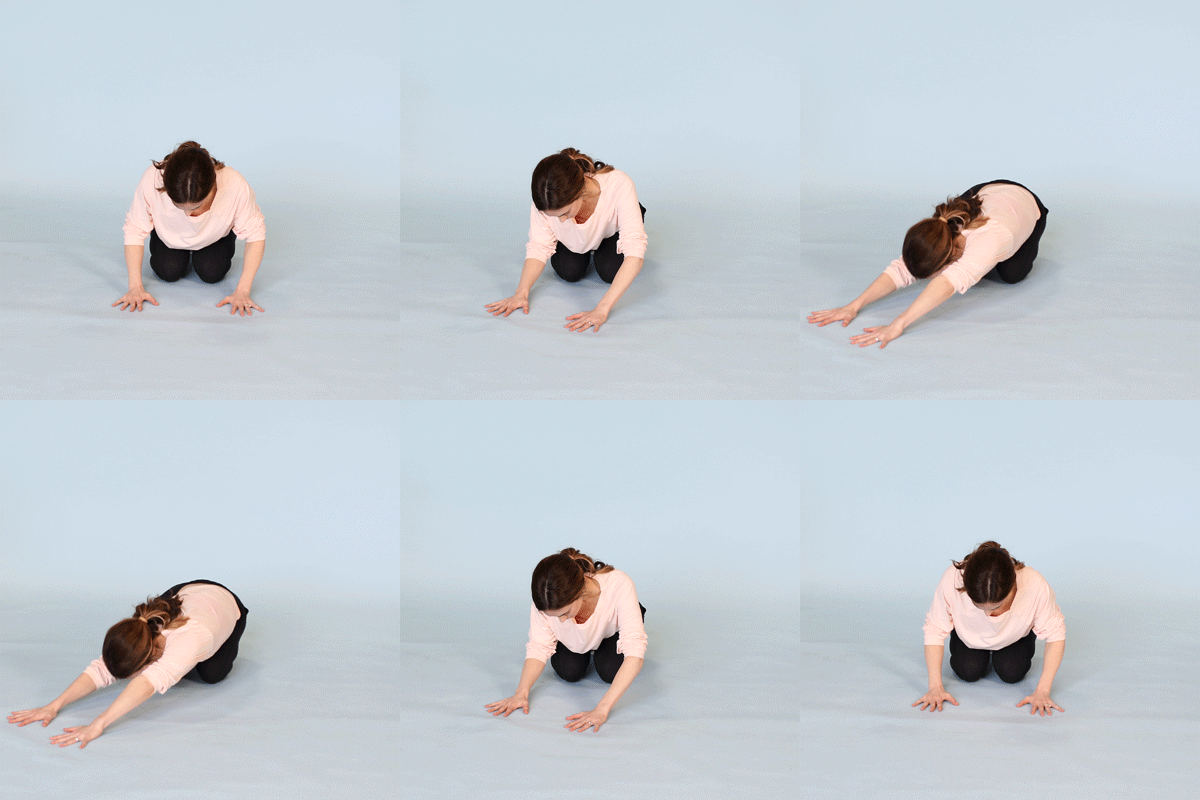
1. Active floor stretch
- Start kneeling, sink your hips back, and place your right forearm on the floor.
- Shift your weight onto your right arm and reach your left arm forward through the fingertips. You should sense a stretch along the side of your torso.
- Hold for a few seconds.
- Return to the starting position.
- Repeat 10 times, then switch sides.
You can enhance the stretch by rounding your lower back. To intensify it, rotate your chest and ribs toward the ceiling as you reach.
2. Foam rolling
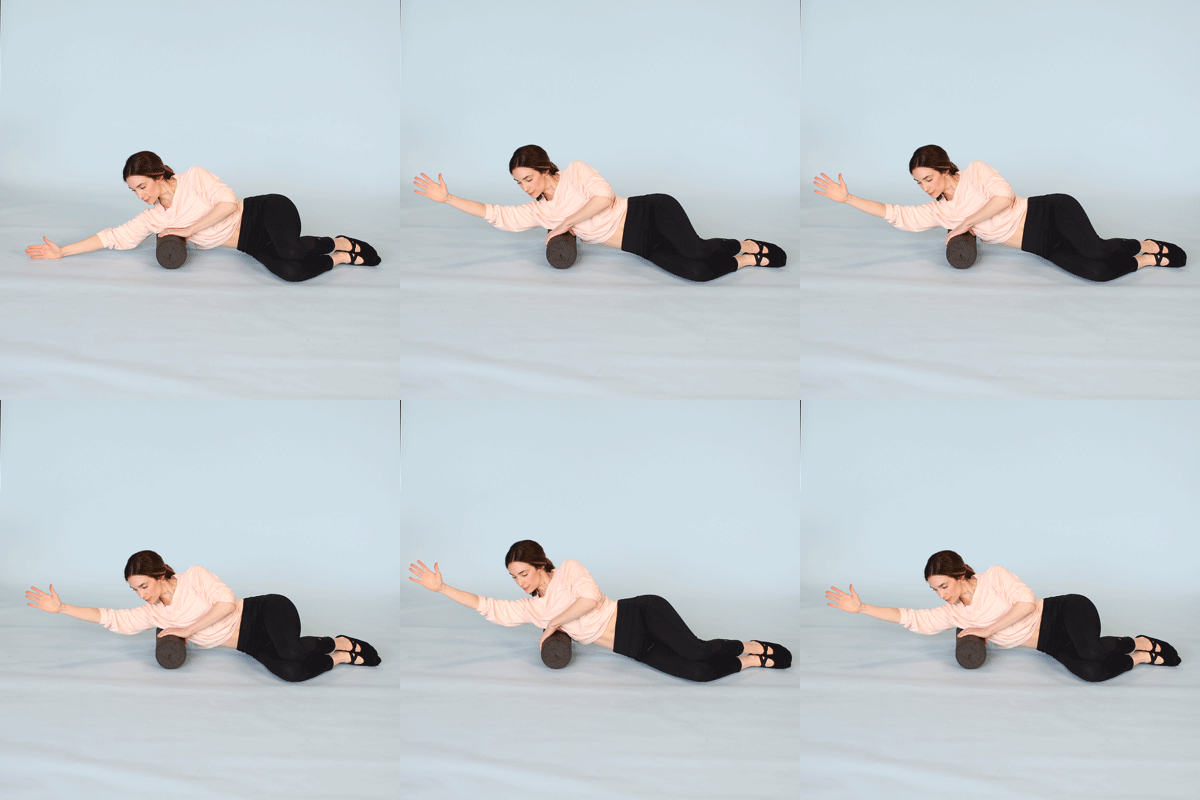
A foam roller is required for this technique. Foam rolling can ease soreness, boost range of motion, and address tight spots or knots that cause misalignment.
While rolling, spend extra time on any areas that feel tight or tender. Use the opposite arm and lower leg to avoid placing too much weight directly on the lat.
- Lie on your right side with the foam roller positioned under your lat, keeping a neutral spine.
- Keep your right leg straight and bend your left knee as is comfortable.
- Slowly roll from your lower back up toward your armpit.
- Also roll slightly side to side.
- Continue for about 1 minute, then switch sides.
3. Exercise ball stretch
This stretch uses an exercise ball or a chair. It helps lengthen the lats and improves overhead movement. For a variation, place your palm on the ball with the palm facing up or down.
- Start on all fours in a tabletop position with an exercise ball in front of you.
- Place your right hand on the ball with your thumb pointing toward the ceiling.
- Press into your supporting arm for stability.
- Engage your core as you extend your arm and roll the ball forward.
- Sink further into the stretch and hold for 20–30 seconds.
- Repeat on the other side. Perform each side 2–3 times.
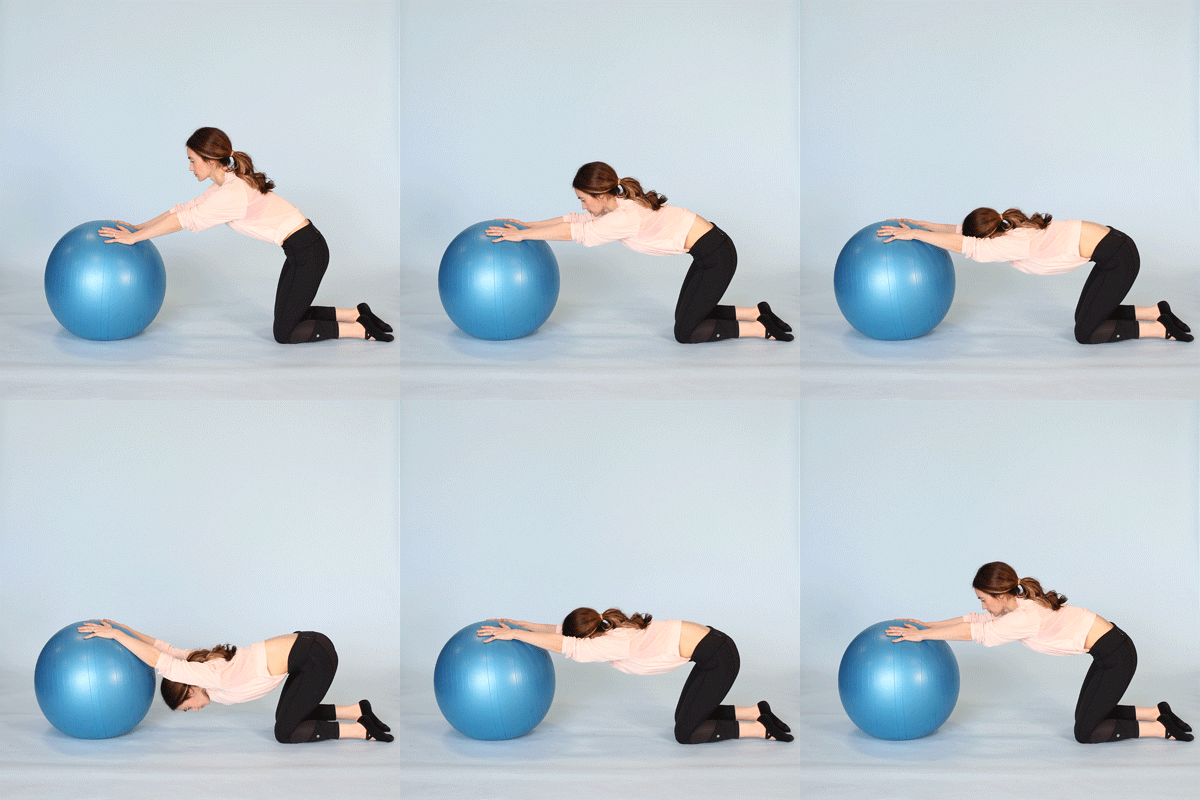
You can also perform this move standing with the ball or a chair in front of you. Place your arm similarly and hinge at the hips to roll the ball forward.
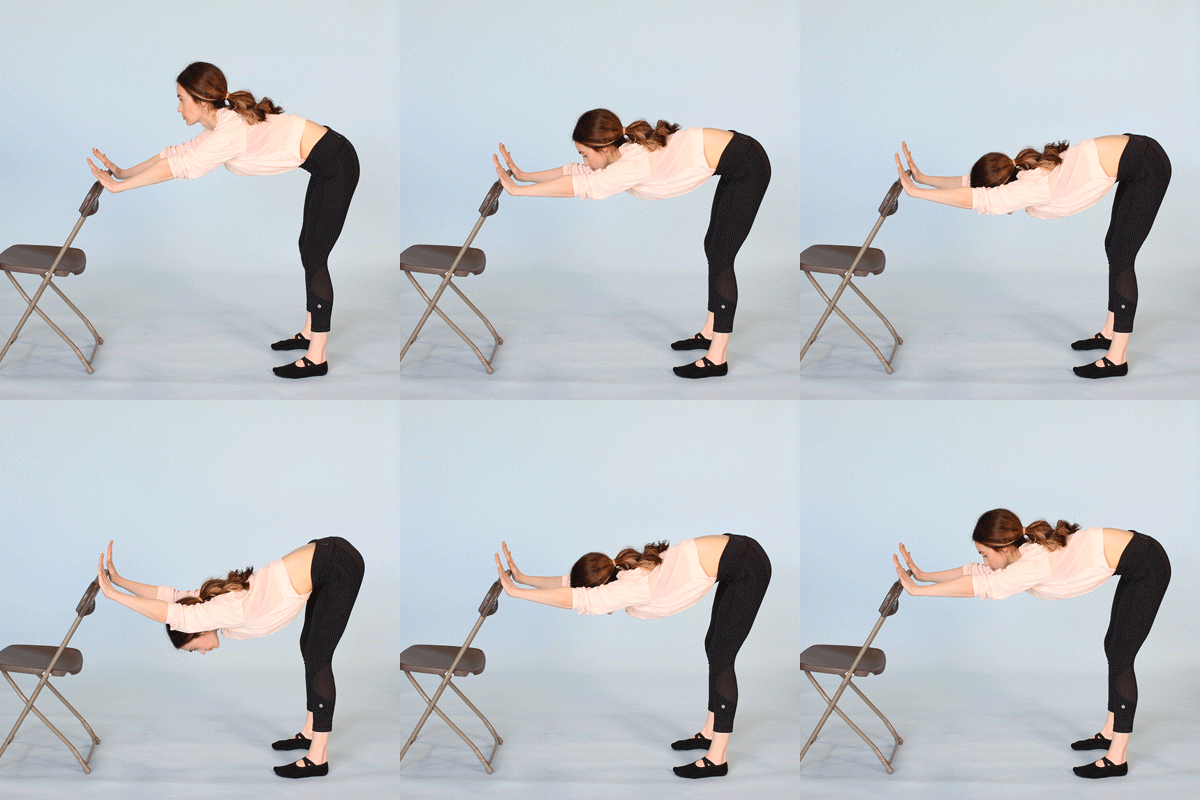
4. Wall press
This is a simple alternative to the ball or chair stretch where you press your forearms or palms into a wall.
- Stand roughly 2 feet from a wall, facing it.
- Hinge at the hips and bend forward.
- Place your palms on the wall around hip height.
- Hold for up to 1 minute.
Yoga stretches
A short yoga sequence focusing on opening and strengthening the lats can be very effective. Notice how the muscles feel as you move through the poses.
You can perform this routine alone or add it to a longer session. These poses may help reduce stress, tension, and discomfort.
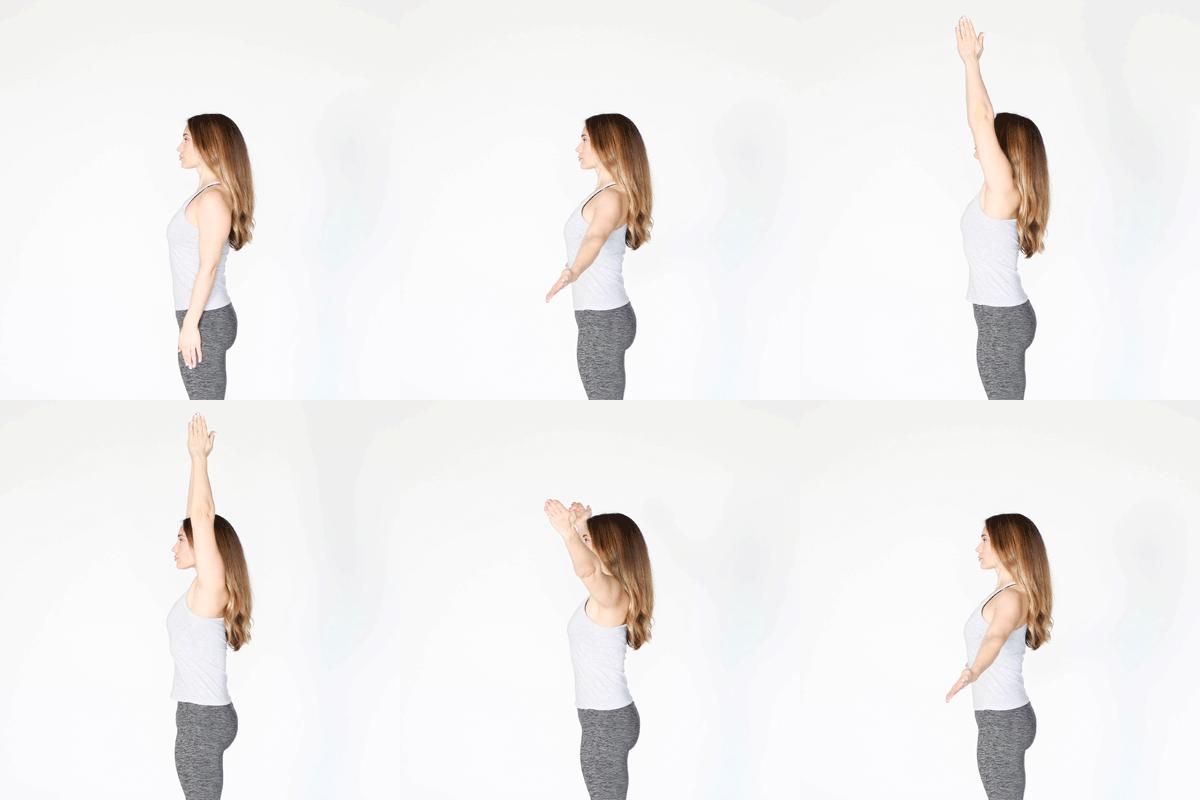
5. Upward Salute
Upward Salute (Urdhva Hastasana), also called Raised Hands or Palm Tree Pose, stretches the lats along the sides of the torso, the spine, shoulders, and underarms.
- Begin in Mountain Pose (Tadasana) with heels slightly apart and weight evenly distributed.
- Lift both arms overhead.
- Engage your core and slightly tuck the tailbone, maintaining spinal alignment.
- If comfortable, gently arch backward a bit.
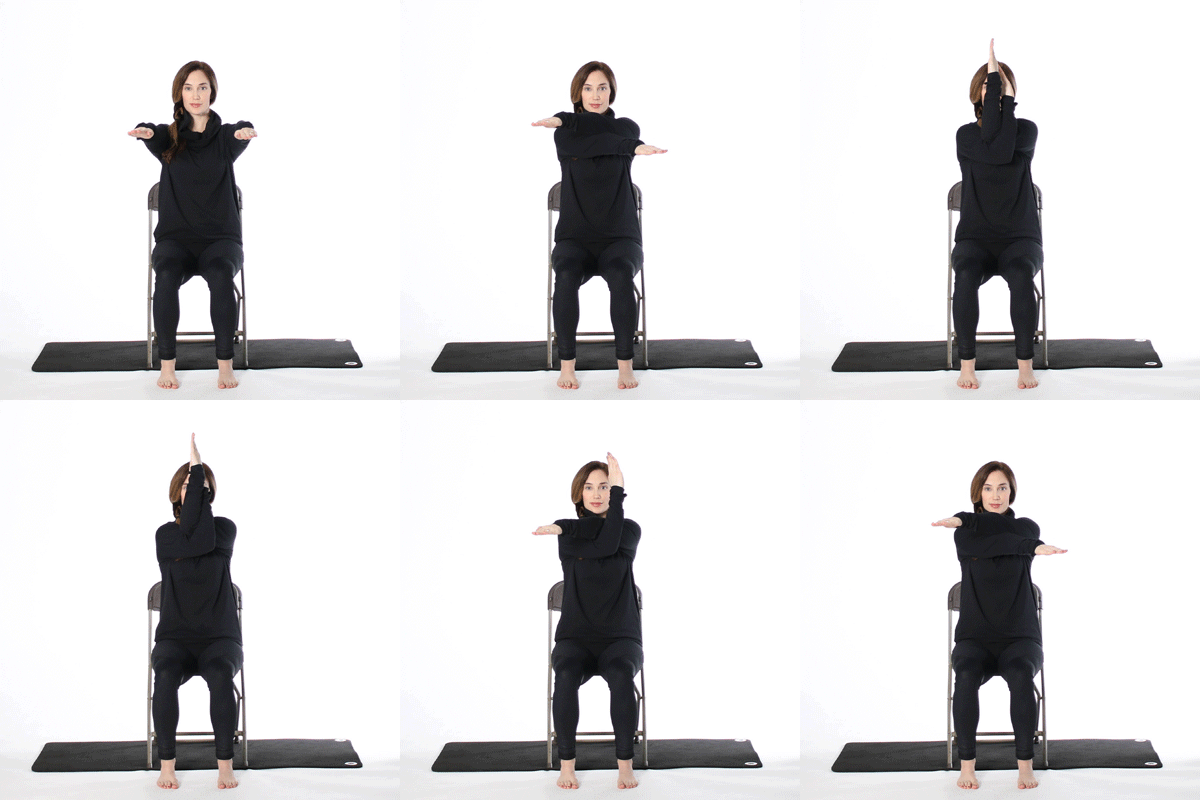
6. Eagle Pose
Eagle Pose (Garudasana) can be practiced standing or seated. It helps improve shoulder and upper-back flexibility and mobility.
- Extend both arms forward, parallel to the floor.
- Cross your arms in front so the right arm is over the left and bend the elbows.
- Tuck the right elbow into the crook of the left and lift both forearms until they’re perpendicular to the floor.
- Press the palms together and breathe, aiming to release tension in the shoulders and upper back.
- Switch arm positions and repeat.
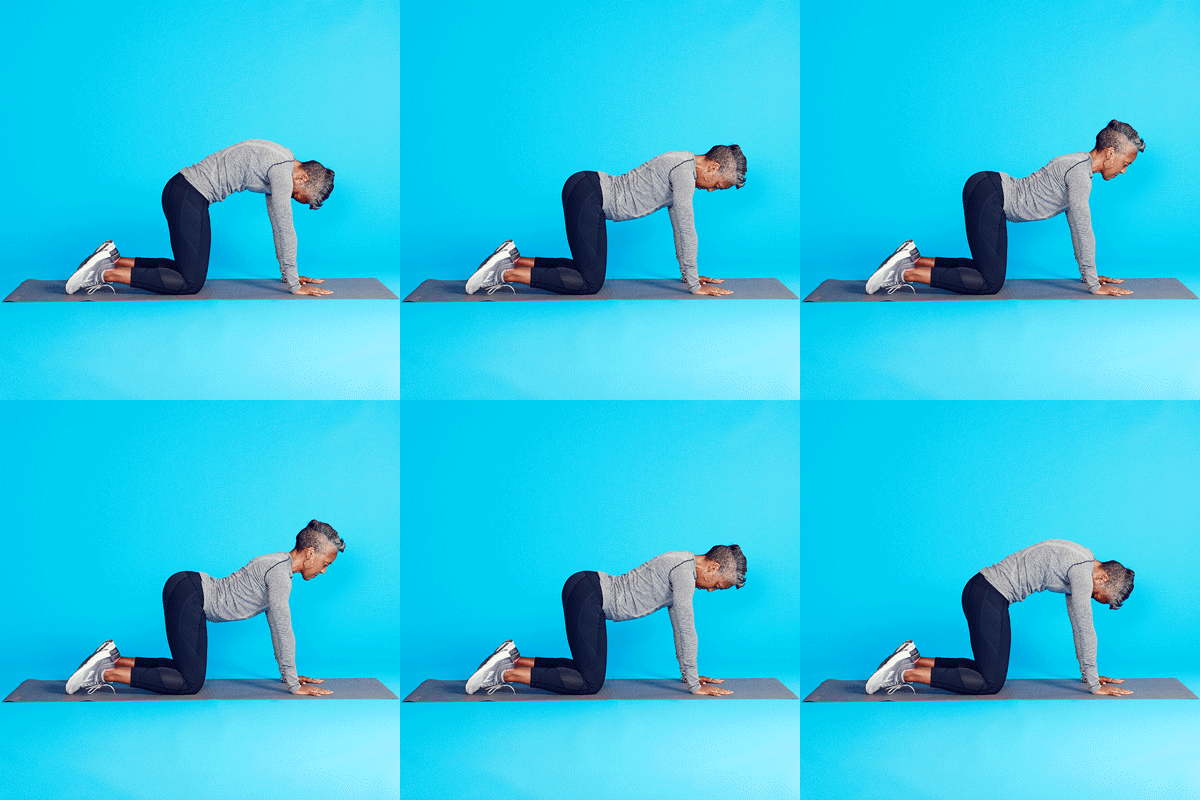
7. Cat-Cow
The dynamic spinal movement of Cat-Cow (Chakravakasana) helps free up the lats.
- Start on hands and knees with a neutral spine.
- On the inhale, move into Cow: lift your sit bones, open your chest, and let your belly drop toward the floor.
- On the exhale, move into Cat: round the spine outward and tuck the tailbone under.
- Let your head hang in a relaxed position.
- Press into your hands during both motions and observe how your shoulder blades shift.
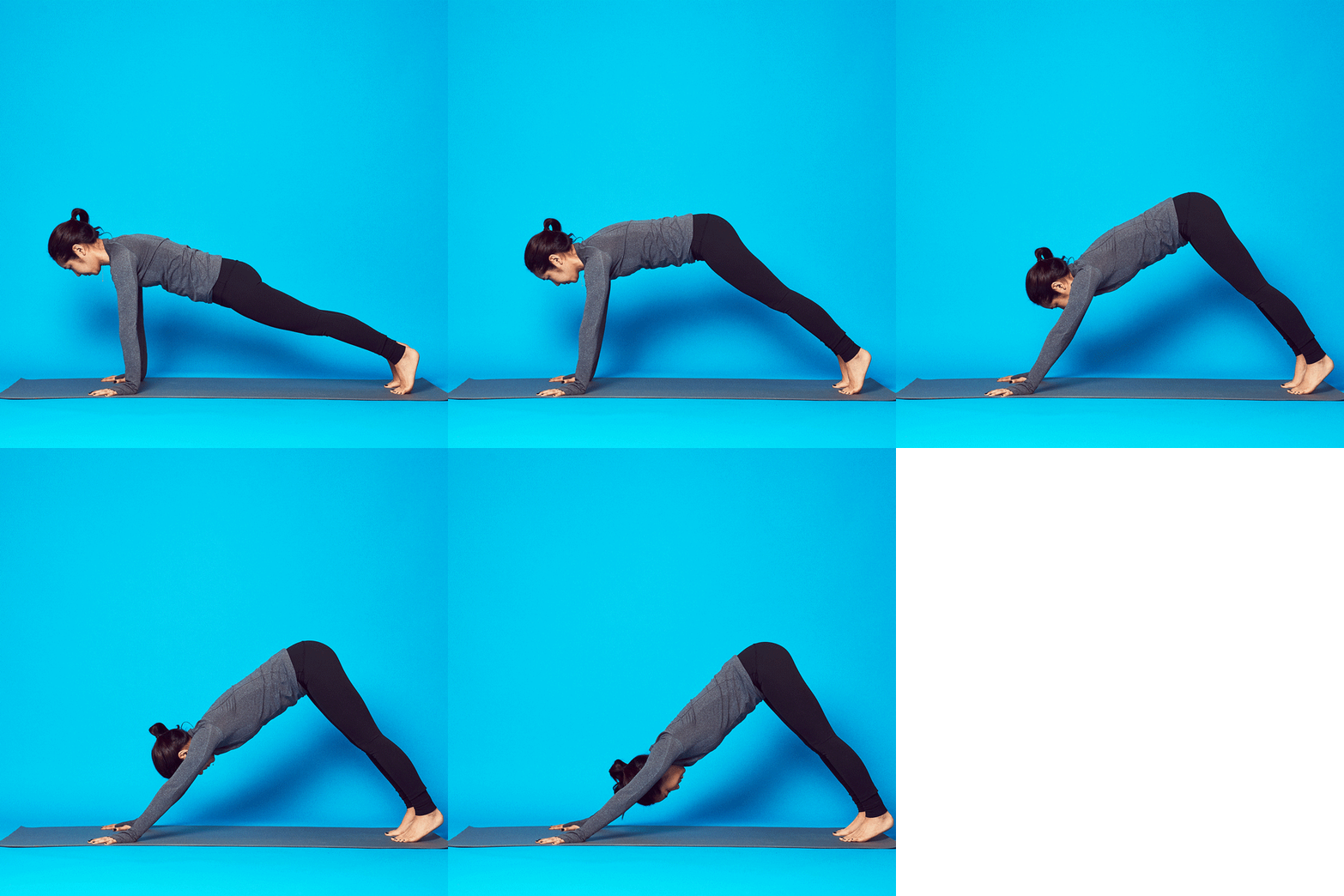
8. Downward-Facing Dog
Downward-Facing Dog (Adho Mukha Svanasana) lengthens the spine and helps develop lat strength.
- Begin on all fours with wrists under shoulders and knees under hips.
- Tuck your toes and lift your hips up and back.
- Straighten the legs and aim to move the heels toward the floor; knees can stay slightly bent if hamstrings are tight. You can walk your hands forward for more length.
- Press evenly through your palms, broaden across the collarbones and shoulders, and allow the chin to tuck toward the chest.
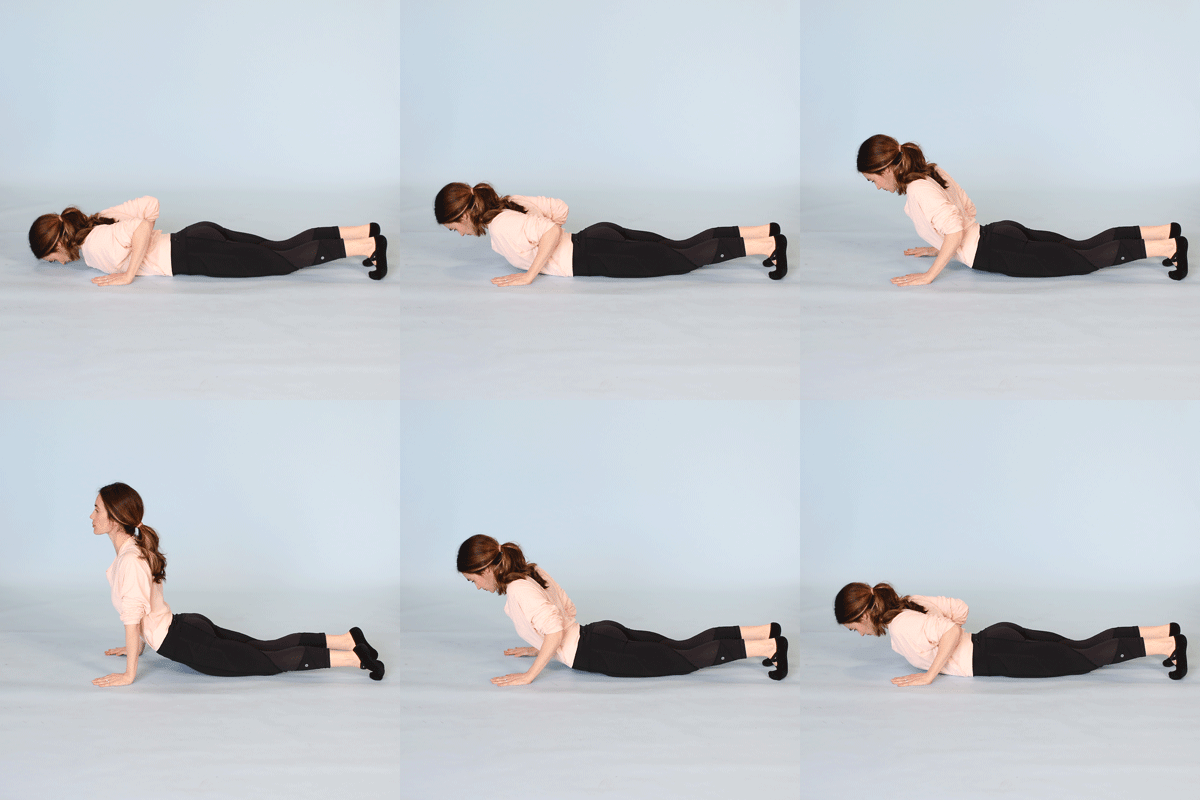
9. Upward-Facing Dog
Upward-Facing Dog (Urdhva Mukha Svanasana) is a gentle backbend that can strengthen and open the lats.
- Lie face down with legs extended and the tops of your feet resting on the floor.
- Bend your elbows and place your palms beside your waist.
- Inhale and straighten your arms, lifting your chest and legs a few inches off the floor.
- Draw the shoulders back and down away from the ears.
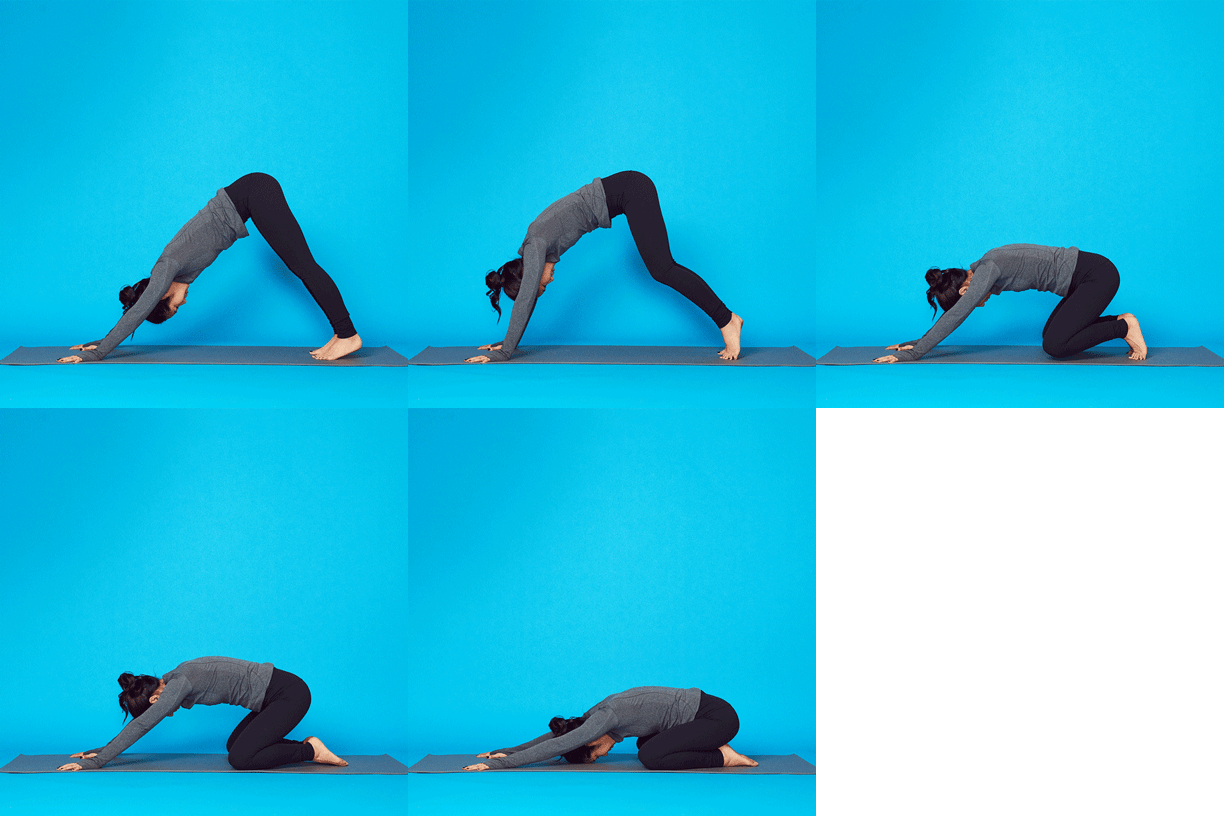
10. Child’s Pose
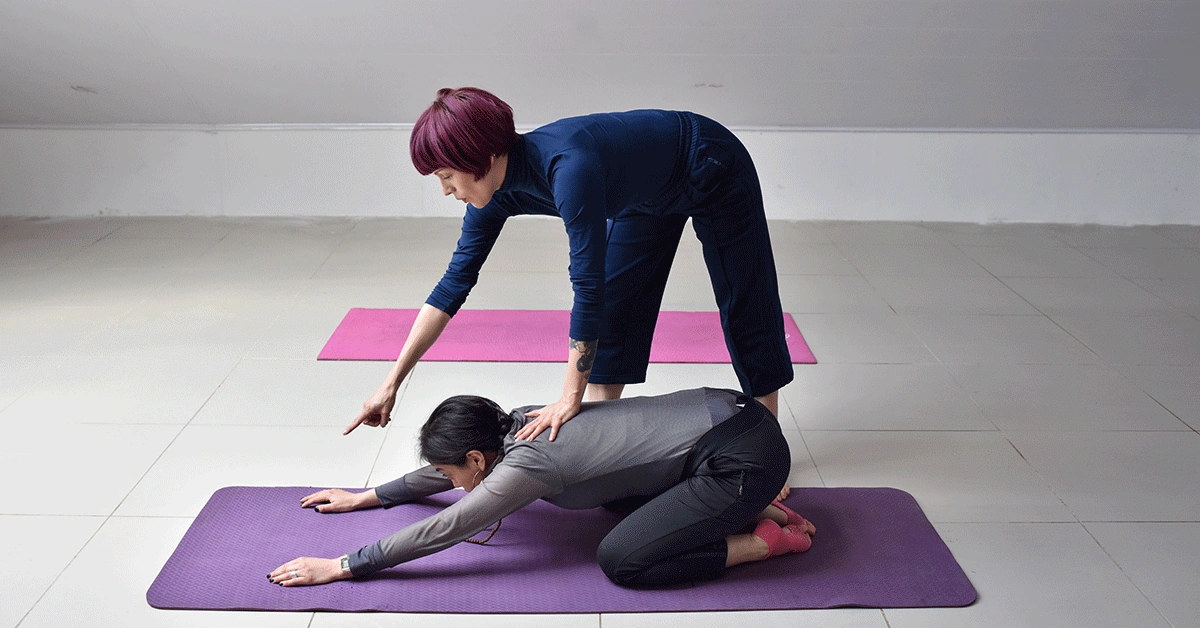
Child’s Pose (Balasana) is a restorative posture that relaxes the spine, shoulders, and neck while gently stretching the lats.
- From Downward Dog, inhale and on the exhale lower your knees and sit your hips back toward your heels, resting your forehead on the mat.
- You can widen your knees slightly for a more comfortable position.
- To intensify the stretch, walk your fingers forward as far as possible. Move your fingers slightly side to side before returning them to center and resting.
Takeaway
Working on your lats several times per week can increase flexibility, relieve discomfort, and expand your range of motion. These benefits help lower injury risk and allow you to move with greater ease and strength.
If you feel pain while performing these stretches, consult your healthcare provider.
For complementary mobility work, consider adding targeted ankle stretches into your routine to support overall movement health.
Frequently Asked Questions
Begin with gentle moves like the Active Floor Stretch, Wall Press, and Child’s Pose. These are low-impact and help you find comfortable range of motion before progressing.
Perform lat stretches at least three times per week, or more often if needed. Short daily sessions can help maintain flexibility and reduce tightness.
Stretching the lats can reduce tension that contributes to shoulder and upper-back discomfort. If you have persistent pain, consult a healthcare professional before continuing.
Yes. Do a brief warm-up or light activity to raise muscle temperature so stretches are safer and more effective. Stretching cold muscles may increase risk of strain.
Hold static stretches like the Exercise Ball Stretch or Child’s Pose for 20–30 seconds, repeating 2–3 times per side. For dynamic moves, perform controlled repetitions for mobility.



Related Posts
12 Bench Press Alternatives to Build Size and Strength
Sep 14, 2026 • 31 min read
What Are the Best Alternatives to Pushups?
Sep 14, 2026 • 29 min read
Which Is Better — Using Free Weights or Machines?
Sep 15, 2026 • 8 min read
Resistance Band Chest Workout: 7 Exercises You Can Do Anywhere
Sep 14, 2026 • 13 min read
5 Workouts That Give You the Afterburn Effect
Aug 4, 2026 • 18 min read