What Are the Best Alternatives to Pushups?


- What muscles do regular pushups work?
- Alternatives to pushups
- 1. High plank
- How to do a high plank
- Pro tips
- Muscles targeted by the high plank
- 2. Side plank
- How to do a side plank
- Pro tips
- Muscles worked for a side plank
- 3. Offset single-arm dumbbell chest press
- How to do a single-arm dumbbell chest press
- Muscles worked for a single-arm dumbbell chest press
- 4. Standing dumbbell rotational punches
- How to do standing dumbbell rotational punches
- Muscles worked for standing dumbbell rotational punches
- 5. Traditional bench press
- How to do a traditional bench press
- Muscles worked for a traditional bench press
- Key takeaways
Pushups are a timeless upper-body movement that enhance balance, stability, and posture. Yet, they aren’t always the ideal choice for every individual.
Performing pushups with poor technique or without sufficient strength can cause discomfort or injury. That’s why it’s wise to develop your strength and stability before attempting full pushups. One way to do that is by using pushup alternatives and modified versions.
Whether you want to refresh your current program, recover from an injury, or choose a less demanding option, there are numerous straightforward and effective exercises that work many of the same muscle groups.
Below are five pushup alternatives that deliver many of the same advantages as standard pushups while helping you stay protected from injury.
What muscles do regular pushups work?
Standard pushups engage the following muscles:
- deltoids
- rhomboids
- serratus anterior
- pectorals
- triceps
- abdominals
- glutes
- legs
Alternatives to pushups
Pushup alternatives are a great starting point if you’re new to pushups or strength training because they teach correct muscle activation. They’re also helpful for adding variety to your pushup regimen, enabling you to challenge your body in a slightly different way.
You can also use these options if you’re dealing with pain or weaknesses, particularly in the shoulders, back, or wrists. Additionally, consider incorporating a bench press alternative when appropriate to diversify your pressing work.
1. High plank
This movement strengthens your shoulders, upper back, and core. The high plank also reinforces your wrists and supports better posture. It enhances balance, stability, and alignment, preparing your body for progression toward pushups.
If you want more variety or a tougher challenge, there are numerous plank progressions to explore.
How to do a high plank
- Begin in a tabletop stance, extend your legs, lift your heels, and raise your hips.
- Lengthen your spine and engage your shoulders, core, and legs.
- Open across the chest and draw your shoulders down and back.
- Hold the position for up to 1 minute.
- Repeat 2 to 4 times.
Pro tips
To reduce wrist strain, place your hands slightly wider than shoulder-width and turn your fingers outward a bit. Distribute weight through the pads of your fingers. Alternatively, make fists or support yourself on your forearms.
Muscles targeted by the high plank
The high plank targets:
- shoulders
- upper back
- wrists
- abdominals
- glutes
- hamstrings
2. Side plank
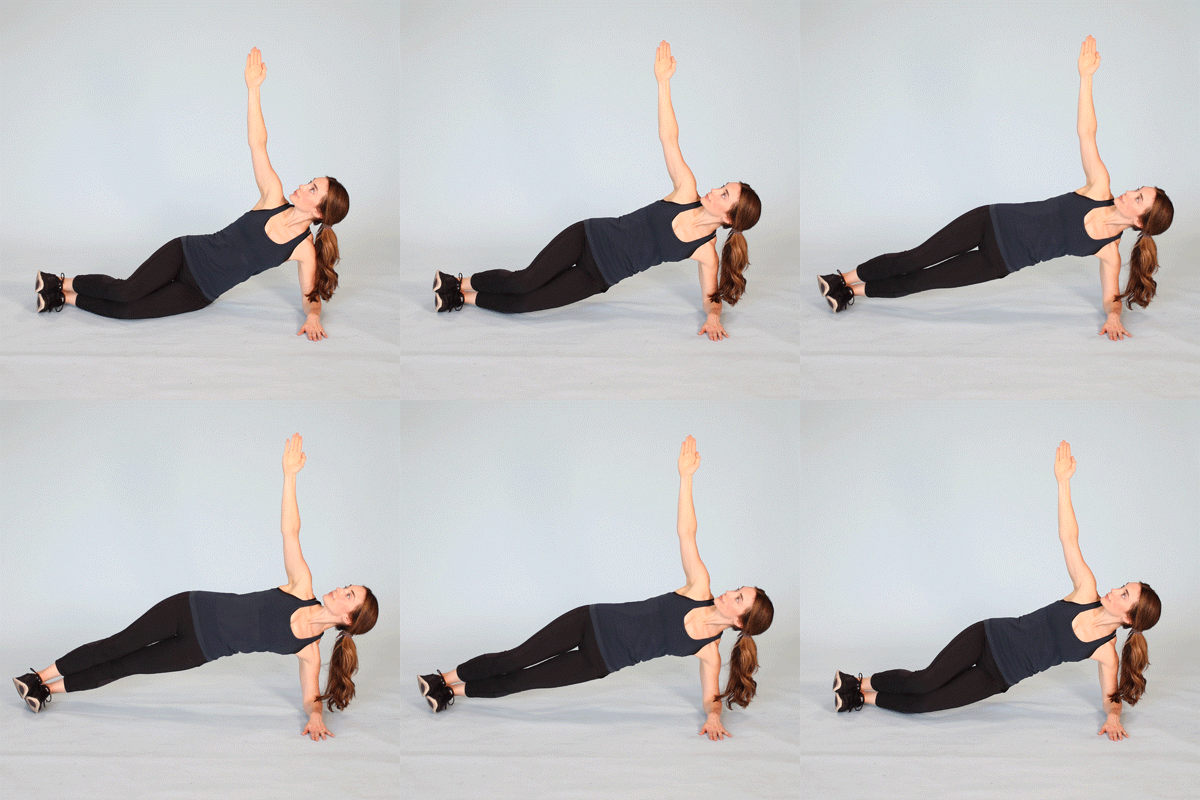
The side plank boosts endurance, enhances stability, and supports healthy posture. It lets you work each side independently, which can improve symmetry and alignment.
How to do a side plank
Follow these steps to perform a side plank.
- Start in a high plank position (see instructions above).
- Bring your left hand closer to the center.
- Rotate your torso open toward the side.
- Stack your right foot on top of or slightly in front of your left foot.
- Place your right hand on your hip or lift it overhead with the palm facing forward.
- Gaze straight ahead or up toward the ceiling.
- Hold up to 1 minute.
- Repeat each side 2 to 3 times.
Pro tips
To make the movement simpler, rest your bottom knee on the floor. For added difficulty, lift your top leg or lower and raise your hips several times.
Muscles worked for a side plank
The side plank targets:
- triceps
- back
- abdominals
- glutes
- legs
3. Offset single-arm dumbbell chest press
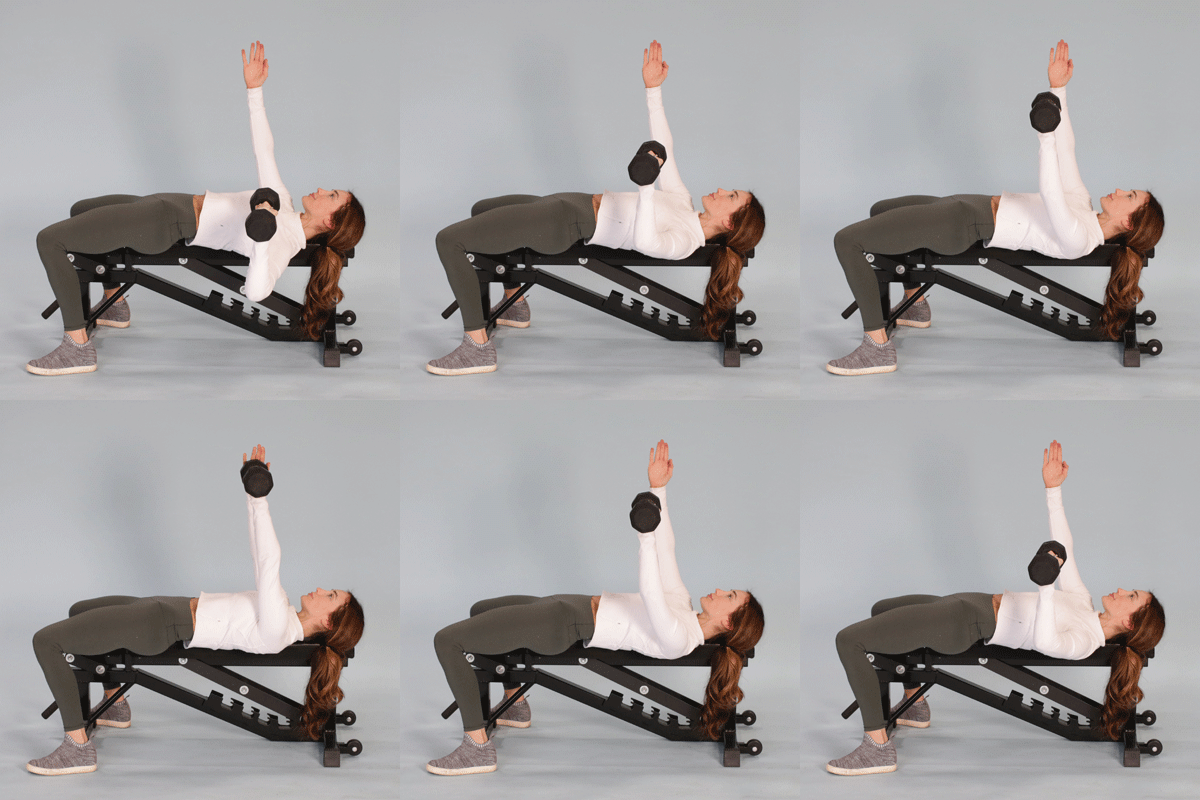
This movement builds muscular endurance, addresses side-to-side imbalances, and refines movement patterns while reducing wrist stress. Performed in a supported position, it enhances shoulder, core, and hip stability.
How to do a single-arm dumbbell chest press
Perform this exercise as follows:
- Lie on a bench with your head, neck, and right shoulder supported.
- Plant your feet into the floor.
- Let your left shoulder sit slightly off the bench.
- Hold a dumbbell in your left hand near your chest.
- Press your arm straight up above the center of your chest.
- Pause briefly, then lower the weight slowly back to the start.
- Repeat on the other side.
- Perform 2 to 5 sets of 4 to 12 reps.
Muscles worked for a single-arm dumbbell chest press
This exercise engages:
- shoulder stabilizers
- pectorals
- triceps
- core
- glutes
4. Standing dumbbell rotational punches
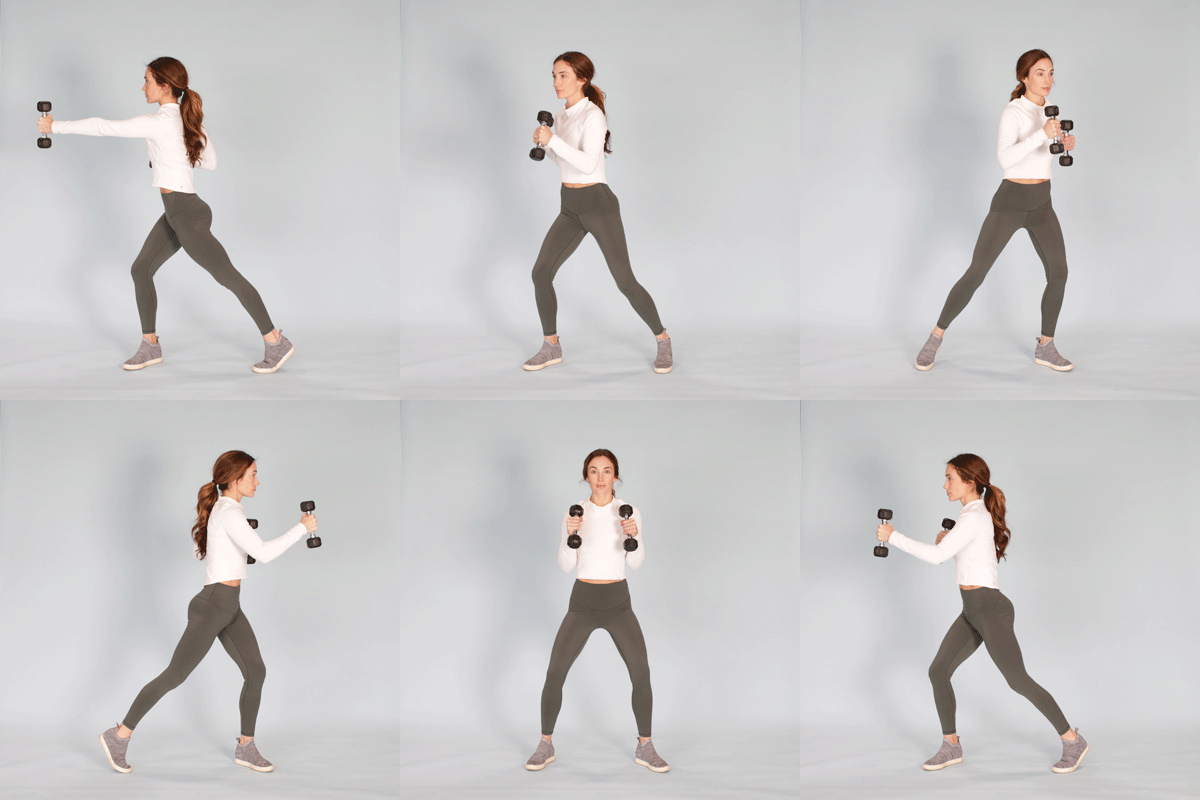
This drill enhances balance, agility, and cardiovascular fitness while sculpting your shoulders, arms, and core. It’s a solid choice if wrist issues limit pushups or if you need to work one side at a time. You can perform it without weights to focus on technique.
How to do standing dumbbell rotational punches
Execute the movement like this:
- Stand with your feet slightly wider than hip-width.
- Hold a dumbbell in each hand at chest level.
- Pivot on your right foot as you rotate your torso to the left.
- Reach your right hand out toward the left.
- Return to the starting position.
- Repeat on the opposite side.
- Perform 1 to 3 sets of 10 to 20 reps.
Muscles worked for standing dumbbell rotational punches
The main muscles targeted include:
- shoulders
- latissimus dorsi
- triceps
- core
5. Traditional bench press
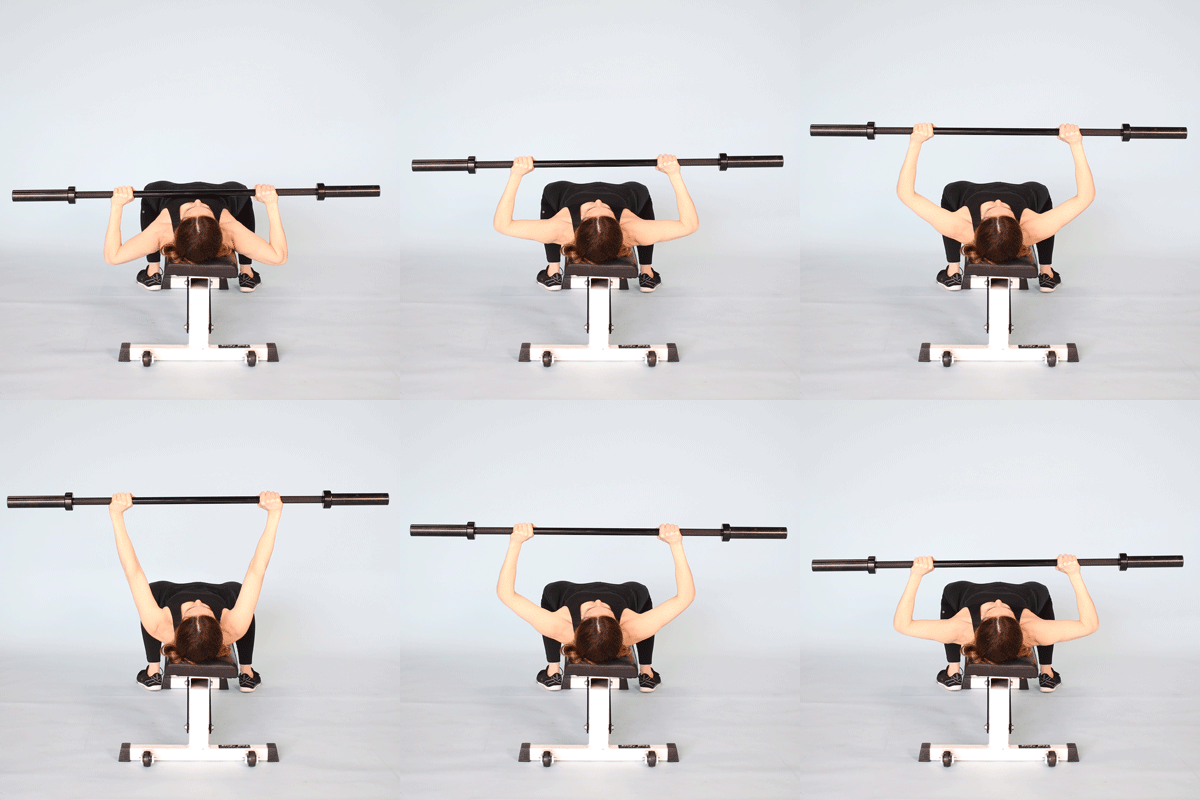
This time-honored lift develops upper-body pressing strength while reducing wrist loading. It also increases muscular endurance. Because your body is supported, you can concentrate on solid technique.
How to do a traditional bench press
Follow these steps to perform a bench press:
- Lie flat on a bench.
- Drive your feet into the floor.
- Keep your hips and upper back pressed into the bench during the movement.
- Grip the bar with an overhand hold, hands slightly wider than shoulder-width.
- Unrack the bar and lower it until it sits just above your nipple line.
- Pause briefly.
- Press the bar upward as far as you can while maintaining a small bend in the elbows.
- Do 1 to 3 sets of 5 to 10 reps.
Muscles worked for a traditional bench press
The bench press primarily works:
- anterior deltoids
- trapezius
- pectorals
- triceps
Key takeaways
Depending on your starting fitness level and how frequently and intensely you train, it could take several weeks or months to progress to full pushups.
Or you may opt not to include them in your routine at all.
Either way, be sure to perform these alternative moves with good form and allow adequate recovery time.
As you become stronger, look for ways to vary your program. That keeps things challenging, trains your body to move differently, and helps prevent boredom and plateaus.
Most importantly, enjoy your training and have fun with the process.
Frequently Asked Questions
Begin with high planks, side planks, and incline pushups. These reduce wrist and shoulder strain while building core and pressing strength to progress safely.
Yes. Exercises like offset single-arm chest presses and planks can strengthen supporting muscles and improve stability without aggravating painful shoulder movements.
Gradually increase hold times, add reps, lower incline levels, and incorporate eccentric (slow lowering) pushup work as strength and technique improve.
Yes. They boost shoulder endurance, core rotation, and cardiovascular fitness while limiting wrist loading; ideal when wrist issues make pushups uncomfortable.
The traditional bench press and single-arm dumbbell chest press develop pressing strength effectively, especially when performed with progressive overload and proper support.
Read Next




Related Posts
8 Alternatives to Leg Curls
Sep 14, 2026 • 3 min read
12 Bench Press Alternatives to Build Size and Strength
Sep 14, 2026 • 3 min read
Tire Workouts: What You Need to Know Before Starting
Sep 14, 2026 • 24 min read
Resistance Band Chest Workout: 7 Exercises You Can Do Anywhere
Sep 14, 2026 • 36 min read
8 Alternatives to Leg Extension Exercises
Sep 14, 2026 • 3 min read