Which Is Better — Using Free Weights or Machines?

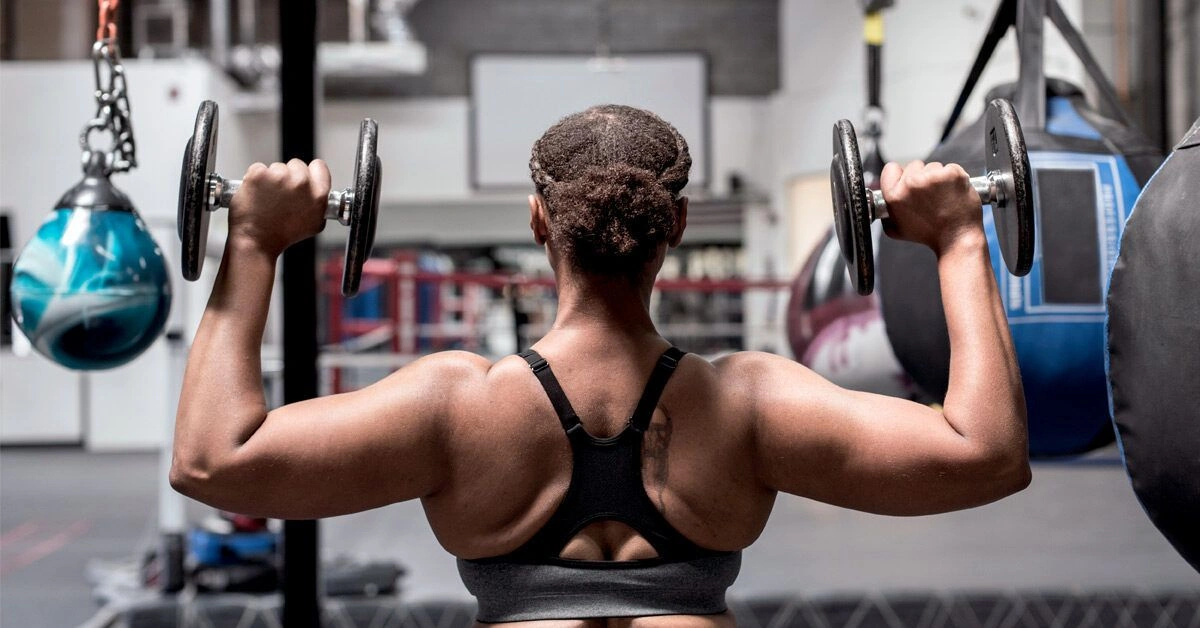

Whether you head straight for the dumbbells when you arrive at the gym or you hop between resistance machines, one thing is clear: strength training delivers many advantages, including sturdier bones and muscles, improved balance, and support for a healthy body weight.
If you’re trying to decide where to invest your time during a workout — with free weights or using machines — this guide will help.
Below we outline the benefits and drawbacks of each option.
What’s the short answer?
Both free weights and machines are valuable tools.
It ultimately depends — as with most fitness debates — on your experience level and objectives.
Generally, weight machines are excellent for beginners because they help teach movement patterns and lower the chance of injury.
Free weights, conversely, recruit more muscles and foster functional strength.
Also, if you’re exercising at home, free weights tend to be more practical and adaptable than bulky machines.
Do they work the same muscles?
Both free weights and machines can target many of the same muscle groups.
However, when you compare similar movements, free weights typically engage more muscles than machines do.
For example: during a dumbbell shoulder press, your shoulders are the prime movers, but your core, traps, and triceps also help stabilize and assist.
On a shoulder press machine, the fixed path controls the motion for you, reducing the need for additional stabilization and placing most of the load on the shoulders.
Do they offer the same physical benefits?
For most people, free weights provide many of the same advantages as machines — and a few extras.
Because machines have a guided motion, you can often lift heavier loads on them, but free weights tend to deliver more value by involving a larger number of muscles.
With free weights you can efficiently train your entire body and activate numerous smaller stabilizer muscles you might not even be aware of.
How do you use each type?
Here’s a simple rundown of how to approach both.
Machines
Using a machine generally means setting the seat and weight to the right positions, then positioning yourself and performing the movement.
Many machines include diagrams on the frame that show how to use them and which muscles are being worked.
If instructions aren’t available and you’re uncertain, ask gym staff for guidance.
You can construct a full-body circuit by selecting several upper- and lower-body machines, or concentrate on one or two muscle groups with your machine choices.
Free weights
Free weight training uses dumbbells, barbells, or kettlebells to execute exercises.
Depending on the movement, you might need one or two dumbbells or kettlebells, whereas a single barbell is used for certain lifts.
Ensure you understand the required technique and start with lighter loads to reduce injury risk.
How do you decide which to include in your program?
As mentioned, machines can be particularly helpful if you’re new to resistance training or want to isolate a specific muscle group.
For novices, mastering correct technique is vital — it prevents injury and ensures you get the most out of each exercise.
Beginning with machines helps you feel how a movement should feel and identifies the primary muscles involved.
Even if you favor free weights, incorporating machines to hit particular muscles can be a smart strategy.
For instance, if you just finished a set of barbell deadlifts — which emphasize the hamstrings — and want to pair it with a quad-focused movement, you could use a leg extension machine instead of squatting, allowing you to target quads without tiring other leg muscles.
If you’re intermediate or advanced, base your program on free weights and use machines as a supplement.
Common mistakes to avoid with each type
Both machines and free weights have a learning curve. Keep an eye out for these pitfalls as you gain confidence.
Machines
Adjust the machine to your body.Components like seat height, back support, and grip width often need tweaking to fit your proportions.
If it feels awkward, skip it.Machines are designed for broad use, but they aren’t one-size-fits-all. Your height, limb lengths, and body mechanics may make some machines uncomfortable — if a movement never feels right, don’t force it.
Free weights
Focus on technique.Each lift has details about head position, spinal alignment, stance, and so on. Learn the correct form before loading up so you maximize benefit and lower injury risk.
Avoid rushing reps.Controlled, deliberate movement is crucial for most free-weight exercises. Don’t rely on momentum; emphasize the mind-muscle connection.
Err on the side of lighter loads.Machines offer some safety if a set is too heavy, but with free weights you’re fully responsible for the load. Choose lighter weights until you’re confident with the movement.
The bottom line
Both free weights and machines belong in a well-rounded strength routine. By factoring in your personal objectives and fitness experience, you can choose which tool fits best at any given time.
Also consider learning about how upper-body muscles interact by reading more on biceps vs triceps to help shape your training choices.
Frequently Asked Questions
Machines are generally safer for beginners because they guide the movement and reduce balance and stabilization demands, lowering the chance of injury while learning form.
Free weights often recruit more stabilizer muscles and can produce greater functional strength, but machines can still build muscle effectively and allow for heavier isolated loads.
Yes. Machines can be used to target all major muscle groups, making them suitable for full-body circuits or focused isolation work.
No. Intermediate and advanced lifters often base programs around free weights but still use machines to supplement training, isolate weak points, or manage fatigue.
Free weights tend to be more practical for home setups because they require less space and offer more exercise variety compared with bulky machines.

Related Posts
The Best Alternatives to the Leg Press
Sep 18, 2026 • 21 min read
How Rear Lateral Raises Can Benefit Your Workout Routine
Sep 17, 2026 • 15 min read
10 Ways to Stretch and Strengthen Your Lats
Sep 15, 2026 • 4 min read
Try These Squats for Glutes for a Well-Rounded Workout
Sep 18, 2026 • 8 min read
7 Easy Ways to Stretch Tight Glutes
Sep 18, 2026 • 5 min read