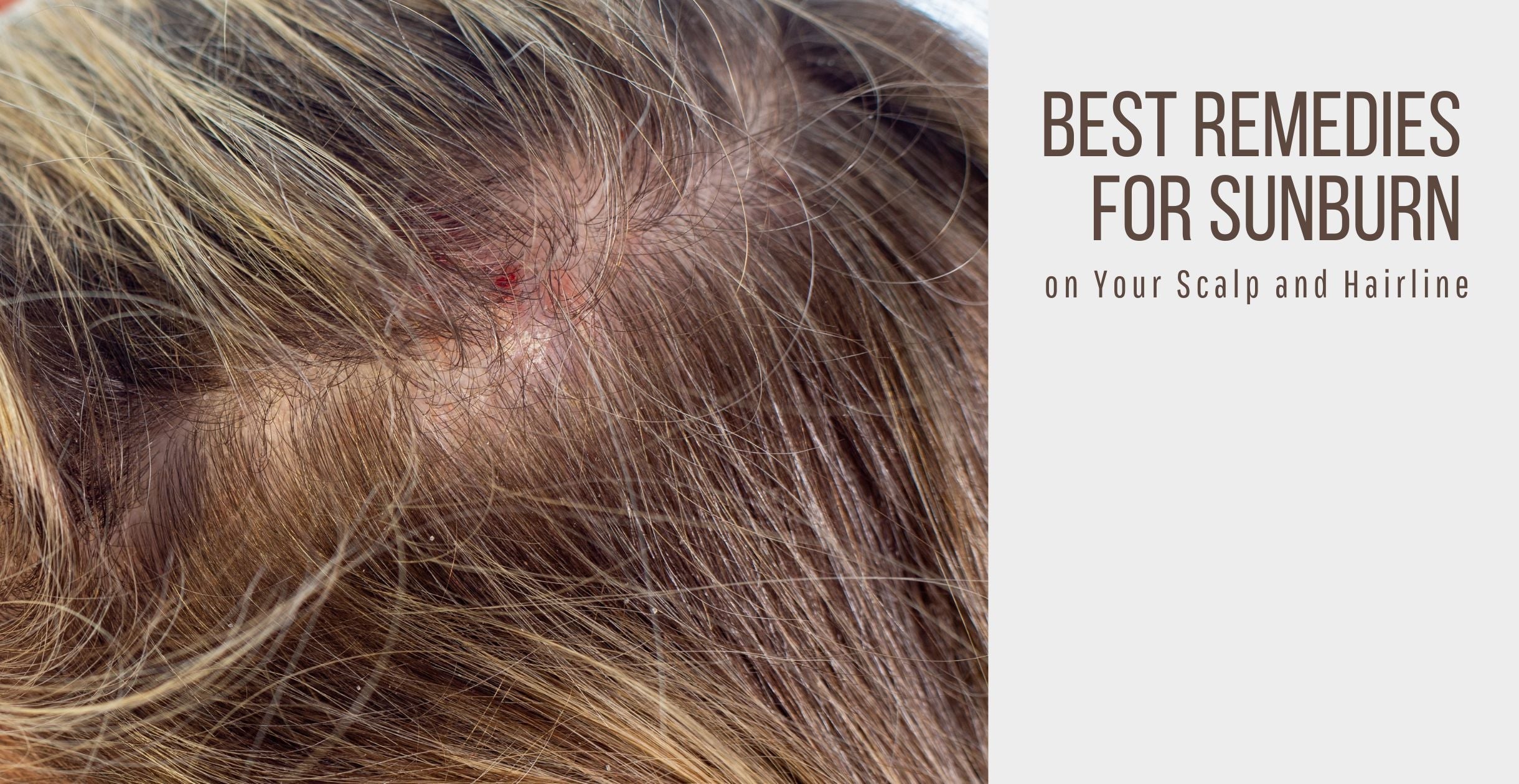
Sunburned scalp

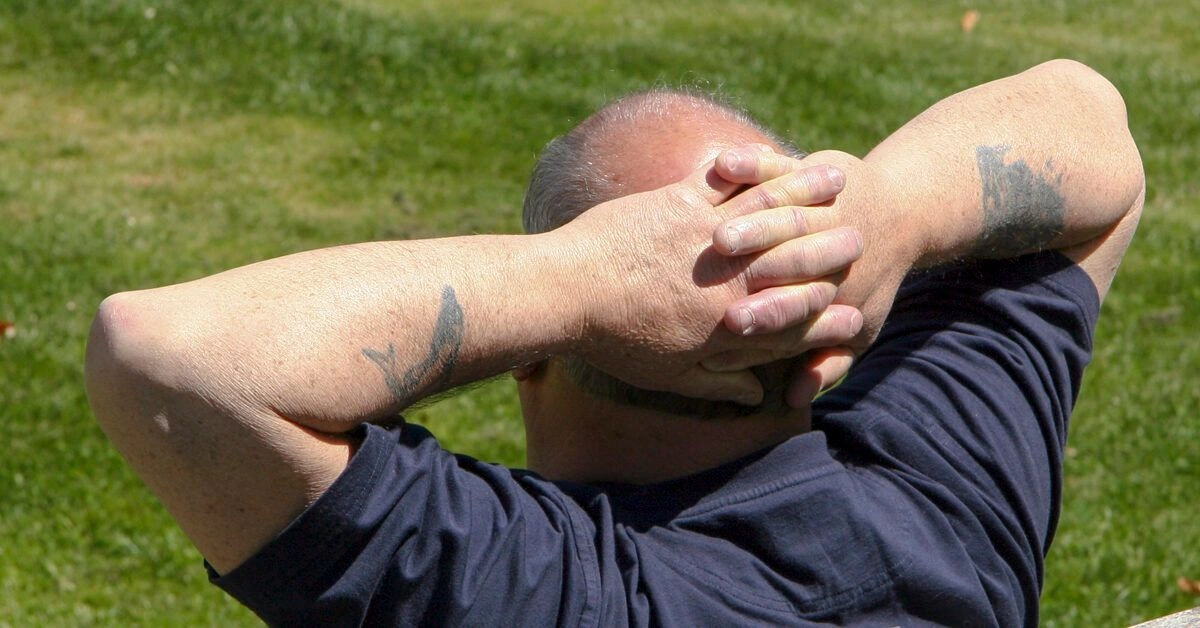
Your scalp can suffer sunburn just like any other area of your skin. Remedies include rinsing with cool water, applying calming aloe vera gel, and steering clear of shampoos that contain sulfates.
When skin is exposed to too much ultraviolet (UV) radiation from sunlight, it burns. Any exposed skin can be affected — and that includes the scalp.
Signs of a sunburned scalp
The signs of a sunburned scalp mirror those of a sunburn on other parts of the body and may include:
- redness
- feeling warm or hot when touched
- tenderness or pain
- itchiness
- small blisters filled with fluid
If the burn is more severe, you might also notice:
- headache
- fever
- nausea
- extreme tiredness
Initial signs of sunburn can appear within a few hours, but it can take 24 hours or longer to appreciate the full scope of the injury.
Treating a sunburned scalp
You can manage a sunburned scalp at home. For roughly a week, or until the burn resolves, follow these practical steps:
- Shower in cool — or at most lukewarm — water. Hot water will worsen the discomfort from sunburn.
- Read shampoo and conditioner labels. While your scalp heals, avoid products containing sulfates, as they can dry and irritate the scalp. Also skip conditioners with dimethicone, which may clog pores and trap heat, exacerbating damage.
- Avoid applying lots of styling products. Many formulations contain chemicals that can aggravate sunburned skin.
- Let your hair dry and style it without heat. Blow dryers and flat irons can further dry out and harm a recovering scalp.
- Ease pain with cold compresses.
- Moisturize. Gently massaging coconut oil or aloe vera gel into the affected area can soothe pain and support healing. Note that these will likely make your hair appear greasy. Some proponents of natural remedies recommend essential oils like helichrysum or lavender for additional relief.
- Stay hydrated. Drinking at least eight glasses of water daily helps keep skin hydrated and supports recovery.
- If necessary, use over-the-counter pain relievers such as aspirin (Bayer, Excedrin), ibuprofen (Advil, Motrin), acetaminophen (Tylenol), or naproxen (Aleve).
- Wear a hat. While your scalp is repairing, avoid sun exposure or keep the area covered.
When to seek medical attention
Contact your healthcare provider if your sunburn is accompanied by:
- severe pain
- high fever
- intense headache
- confusion
- nausea
Also see a doctor if you suspect the burn has become infected. Warning signs of infection include:
- increasing pain
- swelling
- pus draining from an open blister
- red streaks radiating from an open blister
Sunburned scalp and hair loss
Typically, a scalp sunburn will not cause lasting hair loss. You may shed some hairs while the damaged skin peels, but hair usually grows back.
If you have thinning hair, you have less natural shielding from UV rays. As hair thins further, you’ll need to adjust how you protect your scalp, for example by wearing a hat or applying appropriate products to exposed areas like the forehead and neck, and even consider protection for issues such as sunburned lips when planning sun safety.
Protecting your scalp from the sun
The most effective way to protect your scalp is to cover it. That’s usually sufficient to prevent sunburn. However, some headwear—like loosely woven straw hats or mesh-back trucker caps—can let UV rays through to the scalp. UV radiation is strongest between 10 am and 4 pm .
You can also apply sunscreen to the scalp. If you have hair, achieving even coverage can be challenging, and sunscreen will likely coat strands as well.
Summary
Your scalp can be sunburned just like any other skin on your body, from your feet to your earlobes and lips. Protect your scalp the same way you protect other skin: avoid prolonged sun exposure, use sunscreen, and wear protective coverings.
Frequently Asked Questions
Common signs include redness, warmth, tenderness, itchiness, and sometimes small fluid-filled blisters. Severe burns may bring headache, fever, nausea, or extreme tiredness.
Treatments include cool showers, cold compresses, applying aloe vera or gentle oils, avoiding harsh shampoos with sulfates, staying hydrated, and using over-the-counter pain relievers as needed.
Scalp sunburn rarely causes permanent hair loss. You may shed some hairs while the damaged skin peels, but hair typically grows back once the scalp heals.
See a healthcare provider if you have severe pain, high fever, intense headache, confusion, persistent nausea, or signs of infection like increasing pain, swelling, pus, or red streaks.
Preventive steps include wearing protective hats, using scalp-safe sunscreen on exposed areas, avoiding peak UV hours, and protecting thinning hair or bald spots carefully.
Read Next
The 8 Best Eco-friendly Razors for a More Sustainable Shave

Thinking About a Septum Piercing? Here’s What to Expect
Is Microblading Your Eyebrows Painful?
Shea Butter for Your Face: Benefits and Uses
The Skin Benefits of Palmarosa Oil, Plus Recipes and Safety Tips
Proper Dosage for Botox Treatment on the Forehead, Eyes, and Glabella
Related Posts

5 Evidence-Based Ways Collagen May Improve Your Hair
Sep 1, 2026 • 5 min read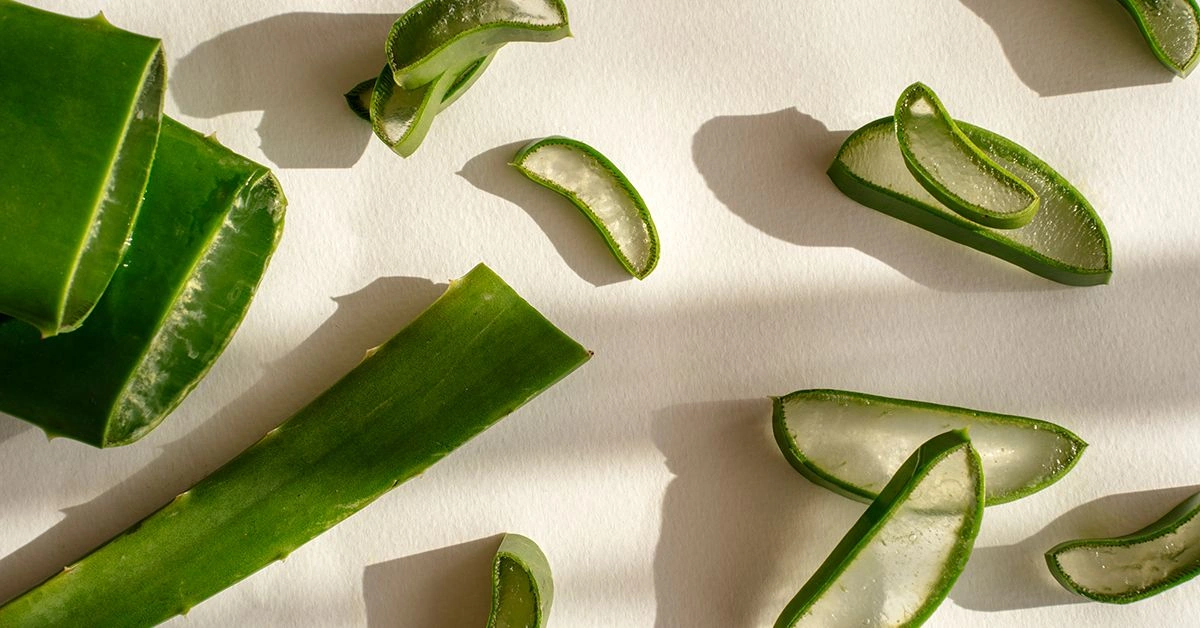
Natural Treatment for Seborrheic Dermatitis: What Works?
Sep 28, 2026 • 4 min read
What to Expect After Laser Treatment for Spider Veins
Sep 13, 2026 • 15 min read
Can You Use Face Mapping to Improve Your Skin’s Health?
Sep 20, 2026 • 24 min read
About Prickly Pear Seed Oil
Aug 17, 2026 • 4 min read