Natural Pain Relievers

Painkillers aren’t the sole solution for managing discomfort. The next time you endure a toothache, lower back pain, or other aches, consider a herbal or natural option such as turmeric.
Many individuals turn to pharmaceuticals for relief from issues like toothaches or back strains, but these drugs can carry risks of adverse effects, interactions with other medicines, and potential misuse.
Although some situations will require prescription or over-the-counter (OTC) analgesics, it’s sometimes possible to gain relief from various natural pain-relief options. Numerous herbs and spices have long been employed to calm inflammation and soothe pain.
The natural pain relievers below fall into the category of alternative medicine. Check with your healthcare provider before trying them, particularly those taken internally, since they can cause side effects or interact with other medications.
Boswellia
Boswellia, commonly known as frankincense, is frequently used in Ayurvedic healing traditions.
A 2020 study of 545 participants found Boswellia to be a safe and effective option for osteoarthritis (OA), helping to lessen pain and stiffness.
Discover more about Boswellia’s benefits and potential adverse effects.
Turmeric
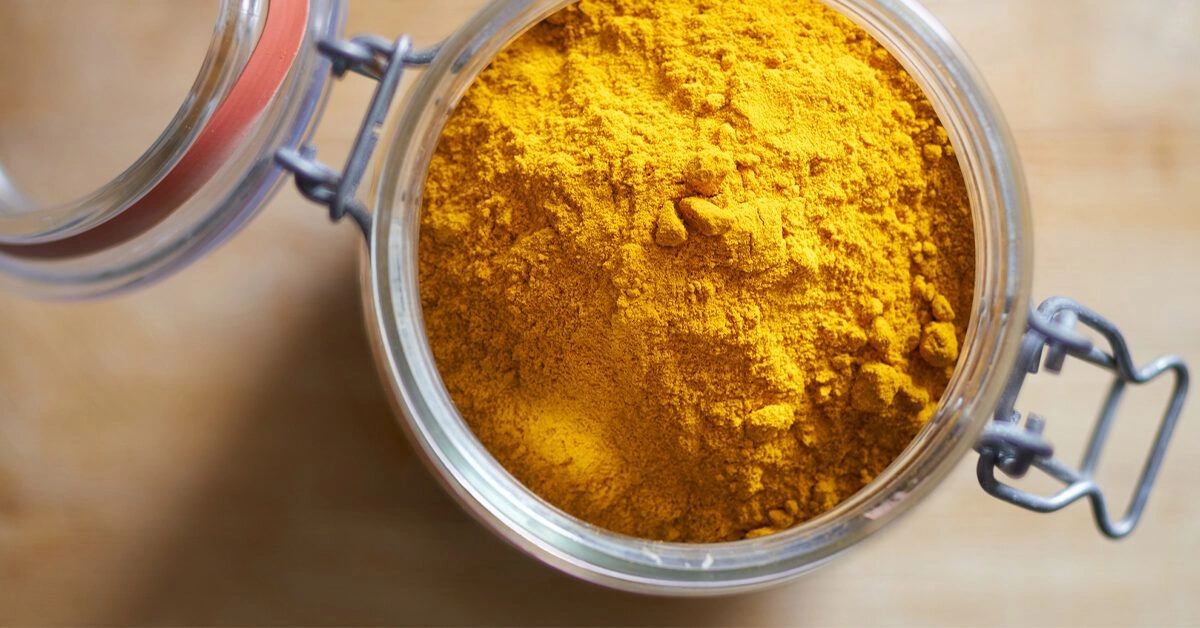
Turmeric, the spice responsible for curry’s bright yellow color and distinctive taste, contains curcumin.
Curcumin is an antioxidant that can protect cells from damaging free radicals. It has also been extensively researched for its capacity to reduce swelling, inflammation, and pain, particularly in bone-related conditions such as arthritis .
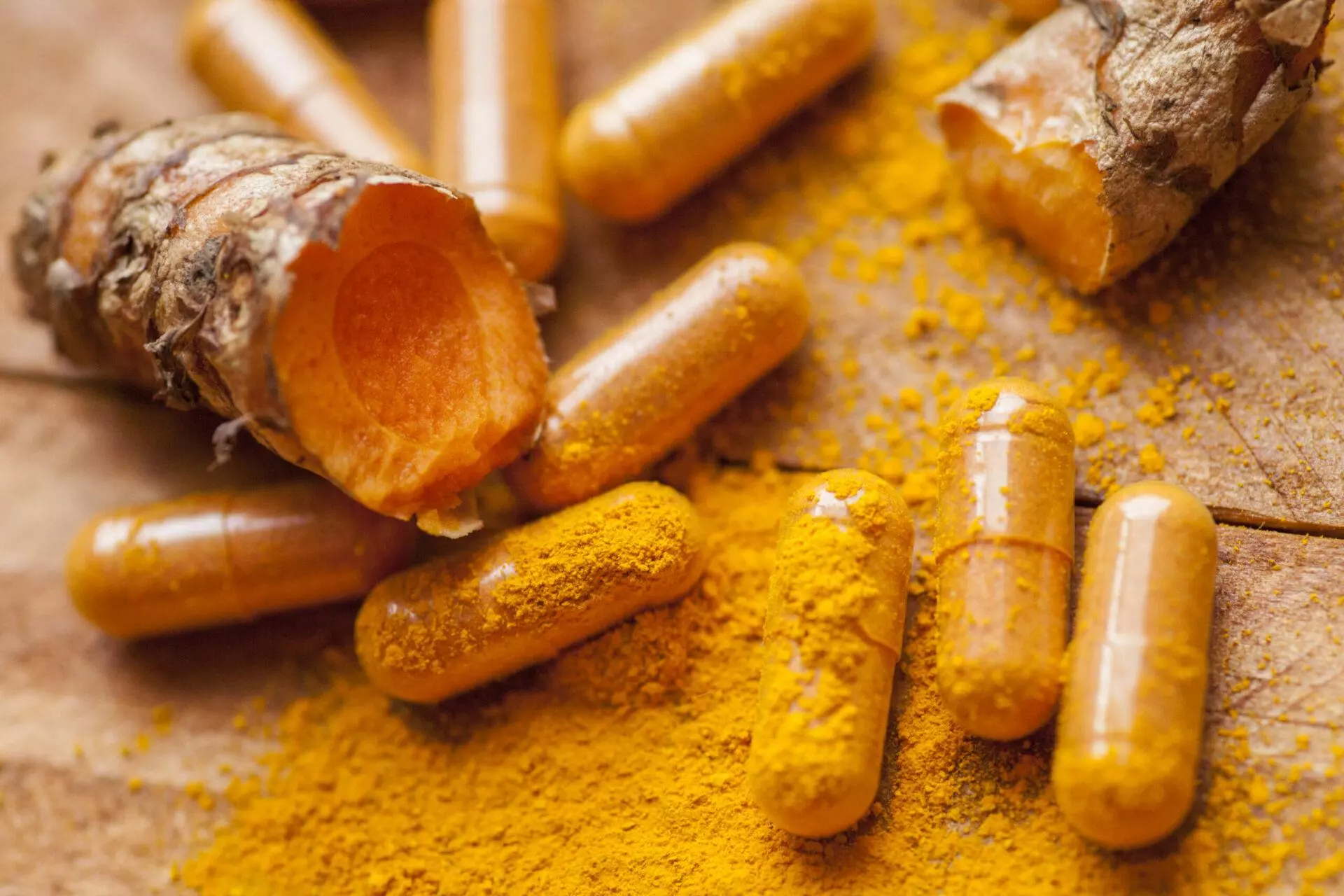
While commonly used as a culinary spice, turmeric is also sold as a supplement and is often combined with piperine, a compound in black pepper, to enhance absorption.
Find out more about the health advantages and possible adverse reactions of turmeric and curcumin.
Cloves
Whole cloves are frequently used to flavor meats and rice dishes, and they’re also commonly employed as a natural analgesic because they contain eugenol, a natural pain-relieving compound also found in some OTC topical rubs.
Cloves come in capsule or powder forms. Clove oil is available as well and can be applied to the skin to alleviate pain.
Learn more about the benefits of cloves and their potential side effects.
Other herbal remedies
Studies indicate a few other botanicals may offer pain-relieving effects. Many of these can be converted into essential oils. Examples include:
- lavender (Lavandula angustifolia)
- rosemary (Rosmarinus officinalis)
- peppermint (Mentha piperita)
- ginger (Zingiber officinale Roscoe)
- feverfew (Tanacetum parthenium)

Many herbal extracts appear to reduce pain because they contain phenolic substances like eugenol, which act as potent antioxidants and anti-inflammatory agents.
Acupuncture
This traditional Chinese therapy aims to alleviate pain by restoring balance to the body’s natural energy routes, often referred to as qi (pronounced “chee”).
An acupuncturist places very fine needles into your skin at points associated with the source of pain. Depending on the qi flow, a needle might be inserted away from the actual painful area.
Acupuncture may ease pain by triggering the release of serotonin, a “feel-good” neurotransmitter that can lessen pain. It’s also thought to decrease stress and support healing.
Read more about what to expect during acupuncture and any associated risks.
Heat and ice
Using heat or cold directly on painful areas is a common home approach to managing pain. While this seems straightforward, not everyone knows when to apply ice versus when to use heat.
Applying an ice pack soon after a muscle, tendon, or ligament strain can help lower swelling and inflammation and bring relief.
Once inflammation has subsided, heat can be useful for decreasing the stiffness that accompanies sprains and strains.
A heating pad or cold pack used briefly on the head may also ease headache pain, and an ice pack can sometimes relieve lower back discomfort.
If arthritis is the source of pain, moist heat on the affected joint is typically more beneficial than cold. Moist heat packs can be reheated in the microwave multiple times, making them convenient and effective.
Learn more about using heat or ice correctly for pain relief and how to avoid complications.

Frequently asked questions
How do you treat unbearable pain?
If your pain is intolerable and natural methods or OTC drugs aren’t helping, consult a physician, as you may need prescription-strength medications or other treatments tailored to the cause of your pain.
Are there natural remedies for nerve pain?
It depends on what’s causing the nerve pain, but options can include essential oils, targeted exercises, and certain vitamins and minerals.
Learn more: 7 peripheral neuropathy natural remedies.
Can I use natural pain relief after surgery?
That depends on the surgery and how severe your pain is. Some nonpharmacologic approaches that might help after surgery include acupuncture and transcutaneous electrical nerve stimulation (TENS).
Learn more: Pain relief basics.
Takeaway
Managing pain and inflammation with more natural approaches can offer advantages. However, some natural pain remedies haven’t been thoroughly tested in humans—particularly for proper dosing—and many supplements aren’t independently verified for quality or safety. Supplements are not regulated by the Food and Drug Administration (FDA) in the same way pharmaceuticals are.
Also, these natural options may only work for certain kinds of pain and might not be effective for everyone.
Therefore, if you’re coping with pain or chronic conditions, speak with a healthcare provider before purchasing or trying natural remedies. Integrative medicine specialists, who are physicians trained in more holistic approaches, may be a useful resource if you’re exploring alternative pain management.
It’s important to consult a qualified medical professional before adding supplements to your regimen, especially if you have underlying health issues or are taking other medications.
Frequently Asked Questions
Herbs like turmeric (curcumin), boswellia, and cloves (eugenol), plus techniques such as acupuncture, heat/ice therapy, and certain essential oils, are commonly used to reduce inflammation and ease pain.
Some natural remedies can interact with prescription or OTC drugs and cause side effects. Always check with your healthcare provider before combining supplements or herbal treatments with medications.
Timing varies: topical remedies or ice/heat can provide minutes-to-hours relief, while herbal supplements like turmeric or boswellia may take days to weeks of regular use to show benefits.
Essential oils may help with minor pain or muscle soreness when diluted and applied topically, but they shouldn’t replace medical care for serious injuries. Avoid applying undiluted oils to skin and consult a provider if in doubt.
If pain is severe, persistent, worsening, or accompanied by fever, numbness, weakness, or loss of function, seek medical evaluation—natural approaches may be insufficient for serious conditions.
Read Next

Everything You Need to Know About Mini Dental Implants

EGCG (Epigallocatechin Gallate): Benefits, Dosage, and Safety

Does Evening Primrose Oil Safely Induce Labor?
What Are the Purported Benefits and Uses of PanAway Essential Oil?
Everything You Should Know About Health Benefits of Ginger Oil

Karate vs. Taekwondo: What's the Difference?
Related Posts

5 Best Massage Chair Pads
Aug 2, 2026 • 18 min read
5 Hand Massagers for Pain and Stiffness Relief at Your Fingertips
Oct 1, 2026 • 35 min read
What to Know When Choosing a PEMF Therapy Device for Home
Oct 4, 2026 • 17 min read
Is It Safe to Mix Naproxen and Acetaminophen?
Aug 18, 2026 • 33 min read
Best CBD Gummies for Pain: 4 Options If You Don’t Like Topicals
Sep 30, 2026 • 36 min read