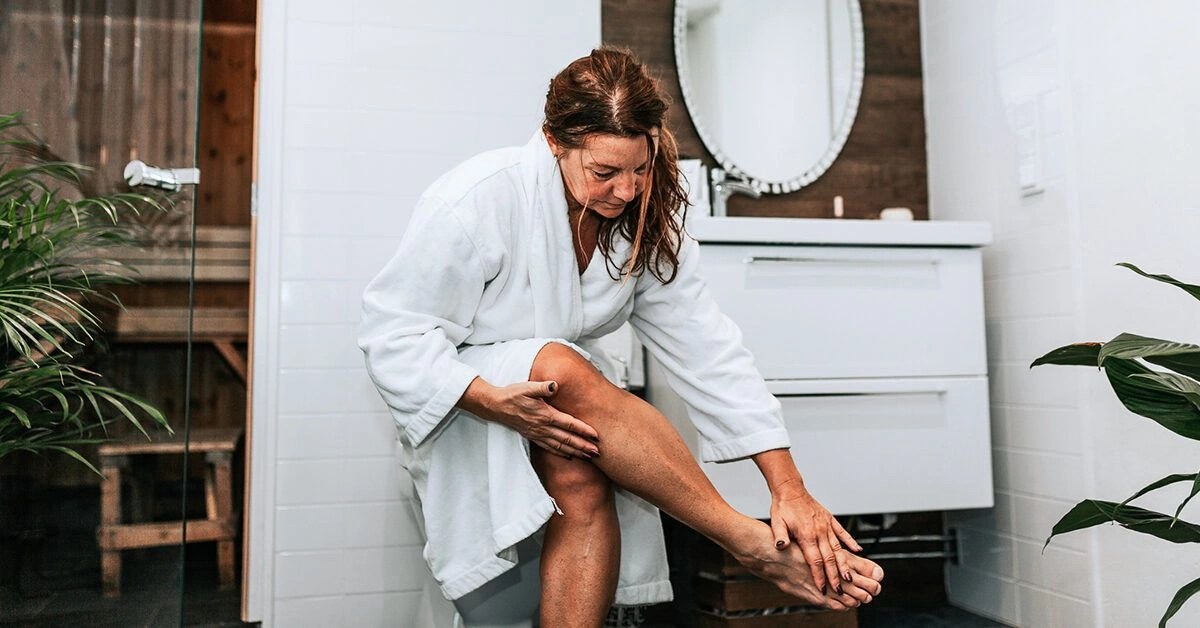
How Does Tea Tree Oil Help the Skin?

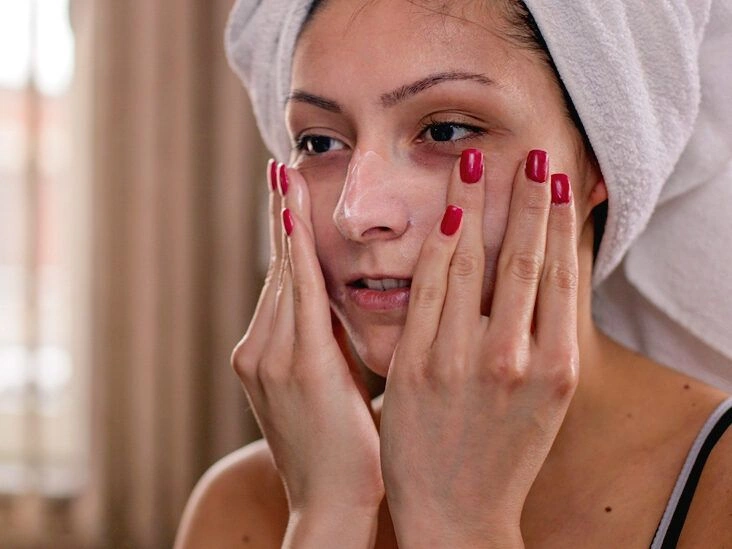
Tea tree oil may ease a variety of skin problems, from open cuts to general inflammation. Always perform a patch test before broader use to ensure it won’t irritate your skin.
Overview
Tea tree oil is an essential oil with multiple skin benefits and can serve as an alternative to standard therapies.
Topically, tea tree oil can address conditions affecting skin, nails, and hair. It’s also used as a deodorant, insect repellent, or mouthwash. When applied to the skin, tea tree oil can treat certain disorders or enhance overall skin appearance.

What are its benefits for the skin?
Tea tree oil supports skin health by calming and repairing a range of skin complaints. Use tea tree oil with a few safety measures in mind:
- Do not apply undiluted tea tree oil directly to the skin. Dilute it with a carrier oil like olive, coconut, or almond oil.
- For every 1–2 drops of tea tree oil, add about 12 drops of carrier oil.
- Take care when using tea tree oil near the eyes; exposure can cause redness and irritation.
- Always perform a patch test to confirm your skin does not react adversely to the oil.
Dry skin and eczema
Tea tree oil can calm dry skin by decreasing itchiness and irritation. Some evidence suggests it may be more effective than zinc oxide and clobetasone butyrate creams for managing eczema.
How to use: Blend a few drops of tea tree oil into a small amount of moisturizer or carrier oil. Apply this mixture to affected areas right after showering and at least once more daily.
Oily skin
Tea tree oil’s antiseptic action may help manage oily skin. A small 2016 study found participants who used a sunscreen containing tea tree oil for 30 days experienced reduced oiliness.
How to use: Stir a few drops of tea tree oil into your toner, moisturizer, or sunscreen. You can also add two drops to bentonite clay to create a mask.
Itchy skin
Due to its anti-inflammatory properties, tea tree oil can relieve the discomfort of itchy skin. It soothes irritated areas and may help clear infections that cause itching.
A small study showed that tea tree oil reduced itching of the eyelids. An ointment with 5% tea tree oil was massaged onto participants’ eyelids; 16 of 24 people had their itching disappear entirely, while the remaining eight saw partial improvement.
How to use: Mix a few drops of tea tree oil into a moisturizer or carrier oil and apply to itchy areas several times daily.
Inflammation
Tea tree oil’s anti-inflammatory effects help soothe sore, irritated skin and may reduce redness and swelling.
Research supports that tea tree oil can lessen skin inflammation caused by nickel sensitivity. That study used undiluted tea tree oil on skin, but it’s generally recommended to dilute the oil with a carrier before applying.
How to use: Add one drop of tea tree oil to a carrier oil or moisturizer and apply to the affected area several times a day.
Infections, cuts, and wound-healing
Tea tree oil’s antibacterial qualities make it useful in wound care and healing.
A 2013 study reported that tea tree oil aided healing of bacteria-infected wounds. Nine of ten participants who used tea tree oil alongside conventional care healed faster than those who received conventional treatment alone.
How to use: Mix one drop of tea tree oil into a wound ointment and apply as directed throughout the day.
Hair and scalp treatment
Tea tree oil can address dandruff by clearing chemicals and dead skin buildup on the scalp. Applying tea tree oil to the hair may help maintain moisture and promote healthier growth.
How to use: Apply a blend of tea tree oil and carrier oil to the scalp and hair, leaving it on for 20 minutes. Then use a tea tree oil shampoo that contains around 5% tea tree oil, massaging it into the scalp and hair for a few minutes before rinsing. Finish with a tea tree oil conditioner.
Find tea tree oil shampoos and conditioners.
Acne
Because of its anti-inflammatory and antimicrobial actions, tea tree oil is a popular acne treatment. It can reduce redness, swelling, and inflammation, and may help prevent and lessen acne scars for smoother, clearer skin.
How to use: Dilute three drops of tea tree oil into 2 ounces of witch hazel and use it as a toner during the day. You can also use cleansers, moisturizers, and spot treatments that include tea tree oil.
Psoriasis
There’s limited scientific evidence supporting tea tree oil for psoriasis, but anecdotal reports indicate it may help with symptoms like infection and inflammation and could support skin defense.
How to use: Dilute 1–2 drops of tea tree oil in a small amount of carrier oil and gently apply to affected areas several times daily.
Types of tea tree oil
Tea tree oil quality varies, so buy 100% pure oil without additives. Prefer organic tea tree oil when possible and purchase from a trusted brand. The bottle should list the Latin name, Melaleuca alternifolia, and the country of origin. Look for an oil with a terpinen concentration between 10% and 40%, as terpinen is the primary antiseptic component.
Takeaway
With consistent use, tea tree oil should begin to improve symptoms within a few days, though some conditions may require more time to fully resolve. Many people continue using tea tree oil to help prevent recurrences.
Before using tea tree oil, consider an allergy patch test and always dilute it to reduce the risk of irritation. Alternatively, purchase products already formulated with tea tree oil to ensure proper concentration and consistency.
Consult a healthcare provider if symptoms persist, worsen, or are severe.
Frequently Asked Questions
Always dilute tea tree oil with a carrier oil (like coconut, olive, or almond oil) before applying. A common ratio is 1–2 drops of tea tree oil to about 12 drops of carrier oil. Perform a patch test first.
Yes. Due to its antimicrobial and anti-inflammatory properties, diluted tea tree oil can reduce acne inflammation and redness. Use it in spot treatments, toners, or products formulated with safe concentrations.
Some people with sensitive or eczema-prone skin may benefit, but reactions can occur. Start with a low concentration, perform a patch test, and stop use if irritation or worsening occurs.
Tea tree oil has antibacterial properties that may aid wound healing, but it should be diluted and used alongside standard wound care. Consult a healthcare provider for infected or serious wounds.
Yes. Diluted tea tree oil or shampoos containing around 5% tea tree oil can help reduce dandruff and clear scalp buildup. Massage into the scalp, leave briefly, then rinse. Monitor for irritation.





Related Posts
Proper Dosage for Botox Treatment on the Forehead, Eyes, and Glabella
Aug 20, 2026 • 15 min read
What’s the Difference Between THC Lotion and CBD Lotion?
Aug 13, 2026 • 12 min read
Shea Butter for Your Face: Benefits and Uses
Aug 27, 2026 • 11 min read
Are There Benefits to Using Almond Oil on Your Face?
Jul 30, 2026 • 11 min read
Does Flaxseed Really Work for Beautiful Hair?
Aug 4, 2026 • 8 min read