What Are the Benefits of Triphala?


Triphala’s advantages may include lowering inflammation and offering protection against some forms of cancer. It may also support weight loss and help reduce cholesterol levels.
Though triphala might be unfamiliar to many, this time-honored Ayurvedic remedy has been used for healing for well over a millennium.
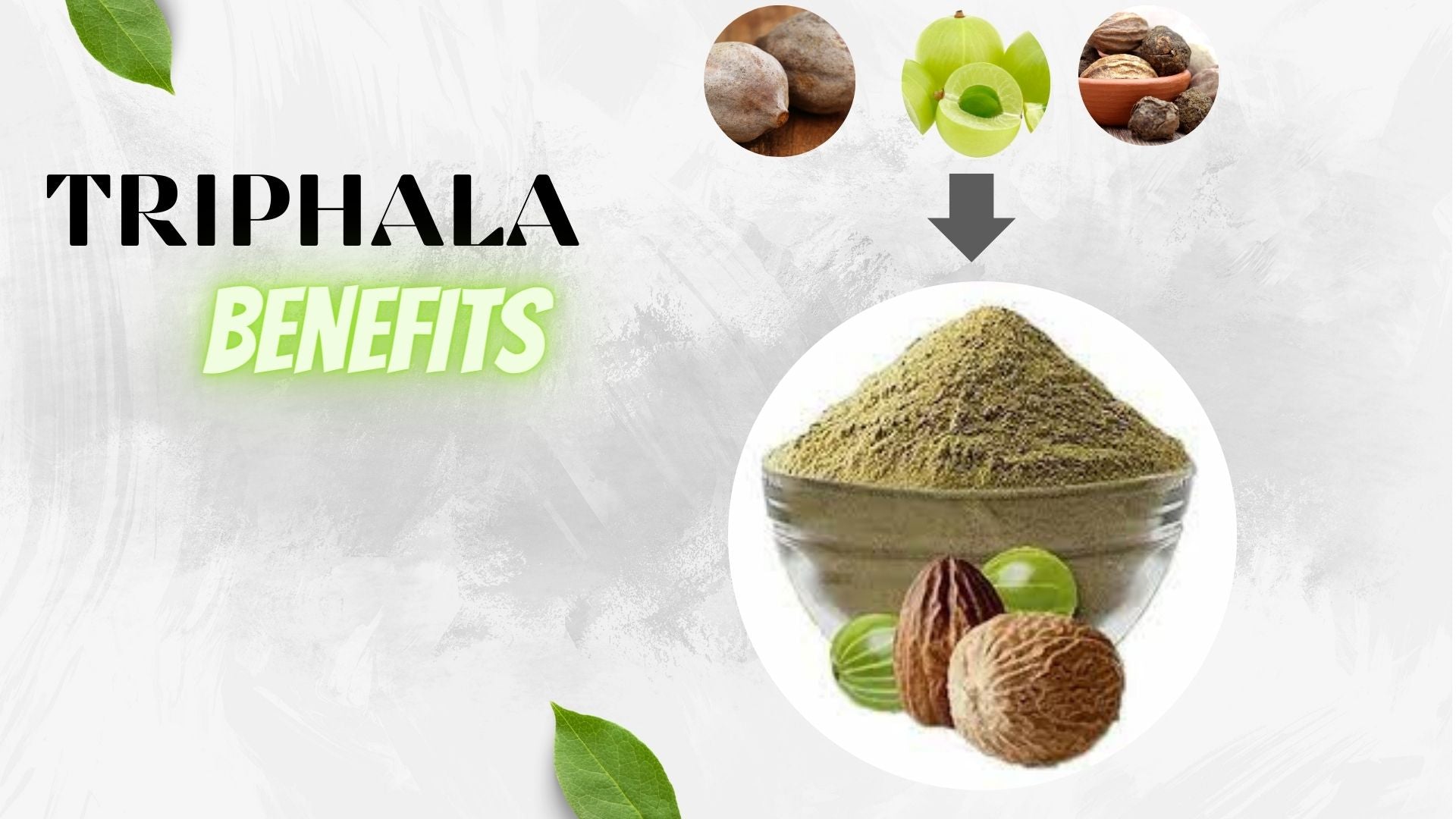
This herbal blend is made from the fruits of three medicinal plants native to the Indian subcontinent.
It’s a fundamental component of traditional Ayurvedic medicine, one of the oldest medical systems in the world, which began in India more than 3,000 years ago.
Because of its wide range of claimed health perks, triphala has grown in popularity worldwide.
What is triphala?
Triphala has a long history in Ayurvedic practice as a multi-use remedy for conditions from digestive complaints to dental issues. It’s also credited with promoting longevity and general wellbeing.
It’s classified as a polyherbal formulation, meaning it combines several medicinal herbs.
Polyherbal mixtures are commonly used in Ayurveda, a traditional approach that focuses on preventing illness and supporting health.
Triphala is created from the dried fruits of these three Indian plants.
- Amla (Emblica officinalis): Often called Indian gooseberry, these berries have a tart, sharp flavor and a fibrous texture. They contain potent plant constituents such as phenols, tannins, phyllembelic acid, rutin, curcuminoids, and emblicol. Indian gooseberries are also nutrient-dense and rich in vitamin C, amino acids, and minerals.
- Bibhitaki (Terminalia bellirica): A large tree commonly found across South and Southeast Asia. In , 500 mg of Terminalia bellirica significantly lowered uric acid in gout patients, a condition marked by uric acid accumulation. Bibhitaki is rich in gallic acid and ellagic acid, two phytochemicals that have effects on blood sugar control, insulin sensitivity, and body weight.
- Haritaki (Terminalia chebula): A medicinal tree distributed throughout the Middle East, India, China, and Thailand. Haritaki contains phytochemicals like terpenes, polyphenols, anthocyanins, and flavonoids.
Possible health benefits of triphala
Triphala is marketed as a remedy for a variety of common complaints and as a way to help prevent chronic disease. Some of the potential benefits are:
- Anti-inflammatory effects: Triphala is rich in antioxidants that help protect the body. It supplies vitamin C, flavonoids, polyphenols, tannins, and saponins, among other bioactive compounds. Diets high in antioxidants are associated with a reduced risk of heart disease, certain cancers, diabetes, and premature aging.
- May offer protection against some cancers: Triphala may possess anticancer effects . Researchers propose that its abundant antioxidants, such as gallic acid and polyphenols, could underlie its cancer-inhibiting activity . While these findings are encouraging, human clinical trials are needed to evaluate safety and effectiveness.
- May support weight loss and lower cholesterol: A 2021 review reported that the triphala preparation they assessed reduced participants’ blood lipids and blood glucose. The BMI of those taking triphala also declined, and researchers noted no adverse effects. Additional research is required to confirm triphala’s impact on these biomarkers.
Potential side effects
Although triphala is generally viewed as safe and offers possible health advantages, some individuals may experience adverse effects.
For instance, because it can act as a natural laxative, it may trigger diarrhea and abdominal cramping, especially when taken in large amounts.
Triphala is not advised for pregnant or breastfeeding individuals and should not be given to children. No rigorous studies have evaluated triphala’s safety in these groups, so its use cannot be assuredly safe.
For these reasons, consult your healthcare provider before using triphala or any other supplementation.
How to use triphala
Triphala is available at health food shops and online in several forms, including capsules, powders, and liquids. It’s generally recommended to take triphala on an empty stomach between meals for optimal absorption.
Common suggested doses range from 500 milligrams to 1 gram per day. Powdered triphala can be stirred into warm water with honey and taken before meals.
The powder may also be combined with ghee (clarified butter) and warm water to make a soothing beverage, or mixed with honey to create a palatable paste.
High doses can produce digestive upset such as diarrhea, so begin with a low dose and increase gradually toward the recommended amount.
Although triphala is considered safe for many, check with your doctor before starting it to ensure appropriate use and safety.
The bottom line
Triphala is an Ayurvedic herbal remedy that has gained popularity for addressing various ailments.
Research indicates it can help reduce inflammation, and laboratory studies have shown a potential protective role against certain cancers.
Triphala may provide health benefits, but always discuss with a healthcare professional before beginning its use.
Frequently Asked Questions
Triphala is an Ayurvedic herbal blend made from the dried fruits of three plants: amla (Indian gooseberry), bibhitaki, and haritaki. It’s used traditionally for digestive health and overall wellness.
Commonly reported benefits include antioxidant and anti-inflammatory effects, support for digestion, potential cholesterol and blood sugar improvements, and possible weight-management support.
Triphala is available as powder, capsules, or liquid. Typical doses range from about 500 mg to 1 gram per day; powdered triphala is often mixed with warm water or honey and taken on an empty stomach. Start low and increase gradually.
Triphala can act as a mild laxative and may cause diarrhea or abdominal cramping at high doses. It’s not recommended for pregnant or breastfeeding people, nor for young children, and those on medication should consult a healthcare provider first.
Yes. Because triphala can affect digestion and blood sugar or act as a laxative, it may interact with certain medications (for example, diabetes drugs or laxatives). Talk with your healthcare professional before using it.
Read Next

The 5 Best Broad-Spectrum CBD Products for 2025: Tried and Tested
What Is Colloidal Silver, and Is It Safe?
Does Evening Primrose Oil Safely Induce Labor?
Seed Probiotics Review 2025: A Dietitian’s Take

What Are Deer Antler Supplements? Health Effects and Safety
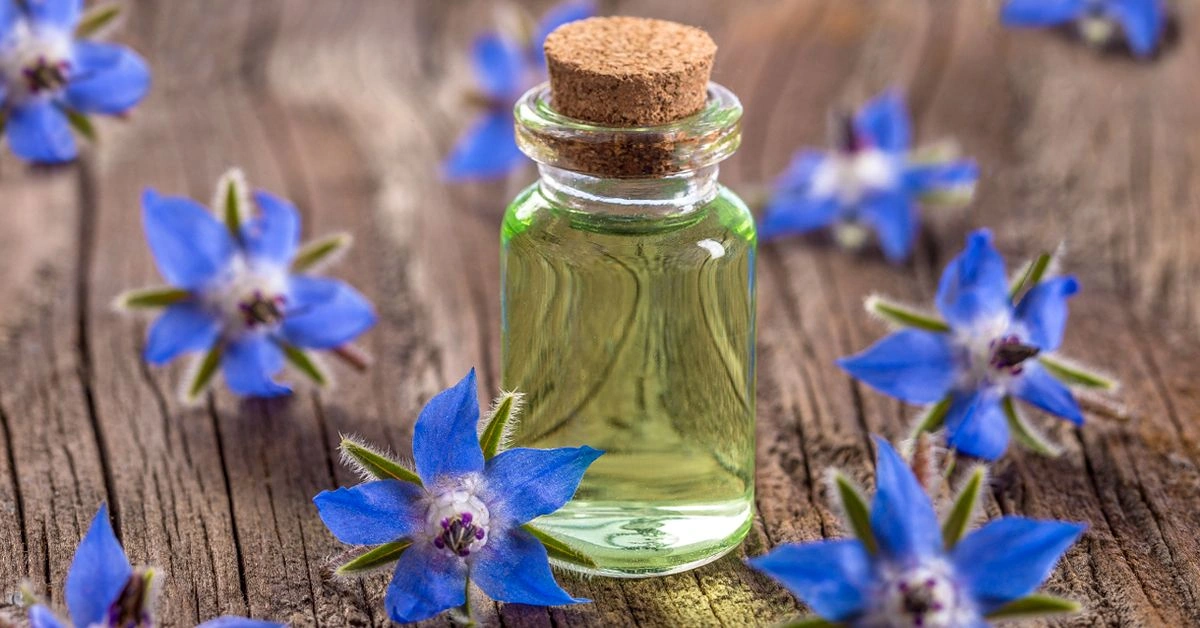
Everything You Need to Know About Borage Oil
Related Posts

Is Willow Bark Nature’s Aspirin?
Sep 8, 2026 • 13 min read
The 10 Best Selenium Supplements, According to a Dietitian
Oct 6, 2026 • 18 min read
5 Best Vitamin B Complex Supplements for 2025, According to Our Dietitians
Oct 2, 2026 • 26 min read
Does Tribulus Terrestris Really Work? An Evidence-Based Look
Sep 2, 2026 • 30 min read
The 5 Best CBD Gummies for Sleep and Relaxation: Our Testers Tell All
Sep 30, 2026 • 18 min read