What Are Jowls? Understanding, Treatment And Prevention

- Introduction: Why We’ve All Got Jowls (and That’s Okay!)
- The Science Behind Jowls
- What Are Jowls? A Deep Dive
- The Biology of Sagging
- Aging, Hormones & Lifestyle
- Genetics: The Family Hand-Me-Downs
- Jowls in Your 20s: Early Onset & What to Do
- Can Jowls Appear in Your 20s?
- Preventative Tips for Younger Skin
- Lifestyle Tweaks & Natural Methods
- How to Prevent Jowls with Everyday Habits
- Facial Exercises & Massage
- Skin-Firming Ingredients
- Medical & Cosmetic Interventions
- Botox for Jowls
- Masseter Botox & Jaw Slimming
- Dermal Fillers
- Energy-Based Therapies
- Surgical Options
- Real-Life Stories & Inspiration
- Jowls Before and After: Visual Proof
- Alex’s Journey: Gua Sha & Ultrasound
- Sarah’s Story: Skincare + Sleep
- Community Voices
- People Asks and Myth-Busting
- Myth: You Need Surgery to Improve Jowls
- Myth: All Aging Causes Jowls
- Wrapping Up & Next Steps
Ever catch your reflection mid-stroll and think, “Wait… did my jawline just wander south?” You’re not imagining things. That softening edge beneath your chin—the part that can go from “hello, defined jaw” to “uh-oh, where’d you go?”—is what we call jowls. And trust me, whether you’re in your twenties noticing early hints or well into your forties seeing them deepen, you’re in good company.
In this deep-dive chat, we’ll explore what are jowls—from the science and jowls meaning to natural strategies, cutting-edge treatments, and real stories of transformation. Along the way, I’ll share simple tips, expert insights, and even a few laugh-out-loud moments. Consider this your friendly guide to understanding, managing, and (yes) maybe even celebrating those sagging jowls.
Introduction: Why We’ve All Got Jowls (and That’s Okay!)
Picture this: you’re video-calling a friend, and you freeze-frame—you know, that awkward moment when the image lags. You notice something different: your chin line looks softer, almost like a puppy’s jowls. For a split second, panic sets in. But then you remember: jowls are totally normal. It’s just gravity + time + life, all teaming up to redefine your features.
Here’s the secret: learning what are jowls and why they develop puts the power back in your hands. Whether you want to embrace them, soften them, or turn back the clock, this guide has you covered. Snuggle in, friend—let’s get personal with those jawlines.
The Science Behind Jowls
What Are Jowls? A Deep Dive
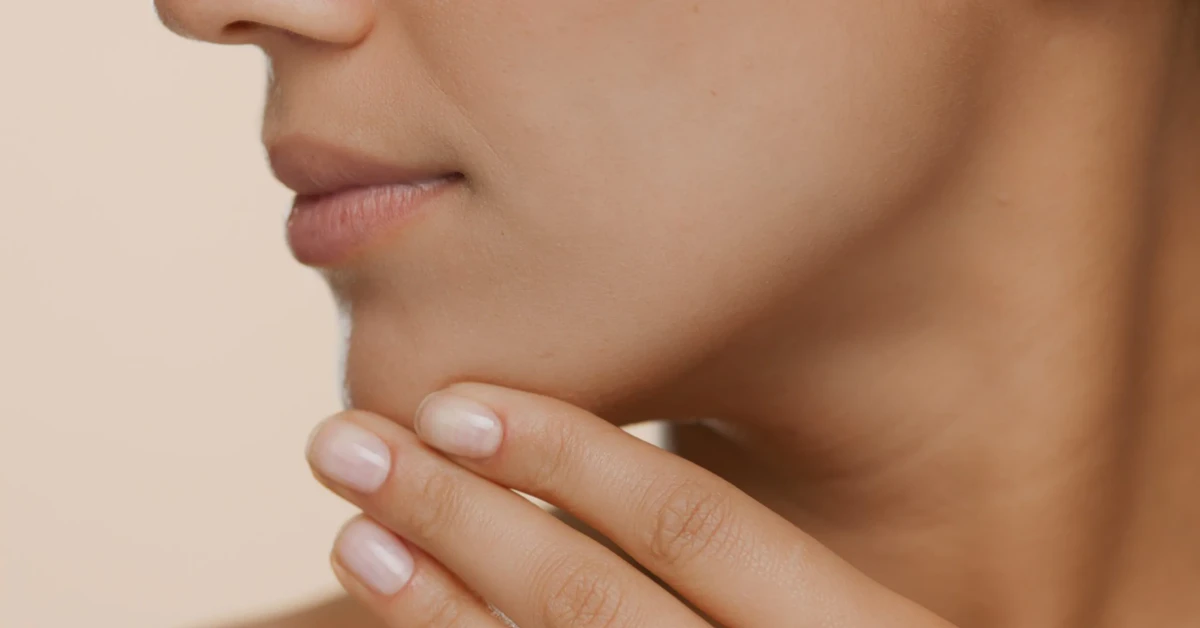
“Jowls” refers to the slightly saggy or loose skin that appears along the jawline and lower cheeks. Think of the skin under your jaw as the hem of a well-loved T-shirt: over time, it stretches and loses its snapback. In your face, this happens when collagen and elastin—the proteins responsible for firmness and elasticity—decline. Imagine your skin’s inner scaffold slowly loosening: that’s what creates the gentle droop of jowls.
The Biology of Sagging
Several key biological changes drive what are jowls:
- Collagen Depletion: After age 25, collagen production drops by about 1% annually, weakening your skin’s support network (according to a study NCBI ).
- Elastin Breakdown: Elastin fibers that give skin its “snap back” degrade, meaning once-sturdy skin starts to sag.
- Fat Redistribution: Facial fat pads shift downward over decades, accentuating jowly contours.
- Bone Resorption: Subtle jawbone thinning reduces structural support for overlying tissues.
Aging, Hormones & Lifestyle
Jowls aren’t just about getting older; hormones and habits play a big role. Lower estrogen in menopause, for example, reduces skin thickness and elasticity. Meanwhile, lifestyle factors—like chronic sun exposure, smoking, poor sleep, and diets high in sugar—accelerate collagen damage. Essentially, your environment and choices write chapters in your jowl story.
Genetics: The Family Hand-Me-Downs
Ever wonder why Aunt Marge and Grandma both had pronounced jowls by 40? Genetics shape your baseline collagen quality, skin thickness, and how fat settles on your face. If close relatives developed early drooping, you might see signs sooner—but remember, genetics is only part of the picture.
Jowls in Your 20s: Early Onset & What to Do
Can Jowls Appear in Your 20s?
Spotting jowls in 20s can feel shocking. It’s rare but not unheard of. Rapid weight loss, extreme diets, or genetic predisposition can trigger early sagging. If you’re noticing slight looseness around your jaw before age 30, it’s often a call to boost your skincare and lifestyle habits rather than panic.
Case Study: Early Signs & Smart Moves
Emma, 28: “I lost 15 pounds in two months for a marathon training, and my face looked ‘sunken.’ The jowly area under my chin became more noticeable. I added collagen-boosting foods—like bone broth and berries—and swapped my SPF 15 for SPF 50. Six weeks later, the tug was softer.”
Preventative Tips for Younger Skin
- Daily SPF: Non-negotiable from day one. UV damage is jowls’ fuel.
- Gentle Strengthening: Introduce a low-dose retinoid at night to encourage collagen.
- Hydration Rituals: Hydration isn’t just water—look for humectants like hyaluronic acid in serums and moisturizers.
Lifestyle Tweaks & Natural Methods
How to Prevent Jowls with Everyday Habits
Small daily choices add up. Here’s your jowl-saving toolkit:
- Mind Your Posture: Forward head posture strains neck and jawline skin—keep screens at eye level and shoulders back.
- Quit Smoking: Smoking degrades collagen faster than most factors—kick the habit for firmer skin.
- Nutrition for Skin Health: Focus on anti-inflammatory foods: leafy greens, fatty fish, nuts, and seeds. Vitamin C–rich fruits support collagen synthesis.
- Quality Sleep: Deep sleep triggers growth hormones that repair skin—aim for 7–9 hours.
Facial Exercises & Massage
How to remove jowls naturally often starts with working the muscles beneath the skin. Think of it like weight training for your face:
- Chin Lifts: Tilt head back, pucker lips toward the ceiling, hold 5 seconds, repeat 10 times.
- Jawline Squeeze: Place thumbs under chin, push upward while resisting with jaw, hold 10 seconds, repeat 8–10 times.
- Fish Face: Suck cheeks inward, hold 5–10 seconds, release. Repeat 15 times daily.
Combine these with a 5-minute daily facial massage—using gentle upward strokes—to boost circulation and lymph flow. Over weeks, you may notice firmer skin and softened jowls.
Skin-Firming Ingredients
When hunting jowls treatment in your skincare aisle, look for:
- Retinoids: Vitamin A derivatives that boost cell turnover and collagen.
- Peptides: Short proteins that signal collagen production.
- Vitamin C: An antioxidant that protects existing collagen and brightens skin.
- Hyaluronic Acid: Draws moisture to plump and hydrate.
Medical & Cosmetic Interventions
Botox for Jowls
Want subtle lift without surgery? Botox for jowls relaxes targeted muscles—often the depressor anguli oris—lifting the corners of the mouth and jawline. Sessions take 15 minutes, with results in 5–7 days, lasting 3–4 months. Key caution: improper dosing or placement can worsen sagging. Always choose a board-certified injector.
Masseter Botox & Jaw Slimming
Masseter botox jowls refers to using Botox on the masseter muscle (chewing muscle) to slim a square jaw. While slimming can accentuate a defined jawline, overdoing it—or misplacing it—can emphasize jowls by unbalancing facial support. If you’re curious, book a detailed consult and ask to see before-and-after galleries.
Dermal Fillers
Dermal fillers—especially hyaluronic acid formulas—restore volume where gravity stole it. When injected along the mandibular ligament and lower cheeks, fillers lift and support skin. Expect natural contouring with minimal downtime and results lasting 6–12 months. Tip: look for injectors who specialize in “jawline contouring” for the best outcomes.
Energy-Based Therapies
Technologies like ultrasound (e.g., Ultherapy) and radiofrequency (e.g., Thermage) heat deeper skin layers, stimulating collagen over 2–6 months. Treatments are non-invasive, require zero downtime, and can tighten mild to moderate sagging jowls. Plan for 1–2 sessions, depending on your skin’s laxity.
Surgical Options
When you want a long-term, dramatic change, a surgical facelift or mini-lift is the gold standard. It repositions tissues and removes excess skin. Recovery can be 1–2 weeks, and scars usually sit hidden along hairlines. Choose a board-certified plastic surgeon, view real patient galleries, and set realistic expectations—facelifts can’t stop aging but can rewind it a decade or more.
| Treatment | Invasiveness | Downtime | Results Duration | Cost Estimate |
|---|---|---|---|---|
| Botox for Jowls | Minimal | None | 3–4 months | $300–$600/session |
| Dermal Fillers | Low | 1–2 days | 6–12 months | $600–$1,200/vial |
| Ultrasound / RF | Non-invasive | None | 6–12 months | $1,000–$2,500/treatment |
| Surgical Facelift | High | 1–2 weeks | 5–10 years | $7,000–$15,000 |
Real-Life Stories & Inspiration
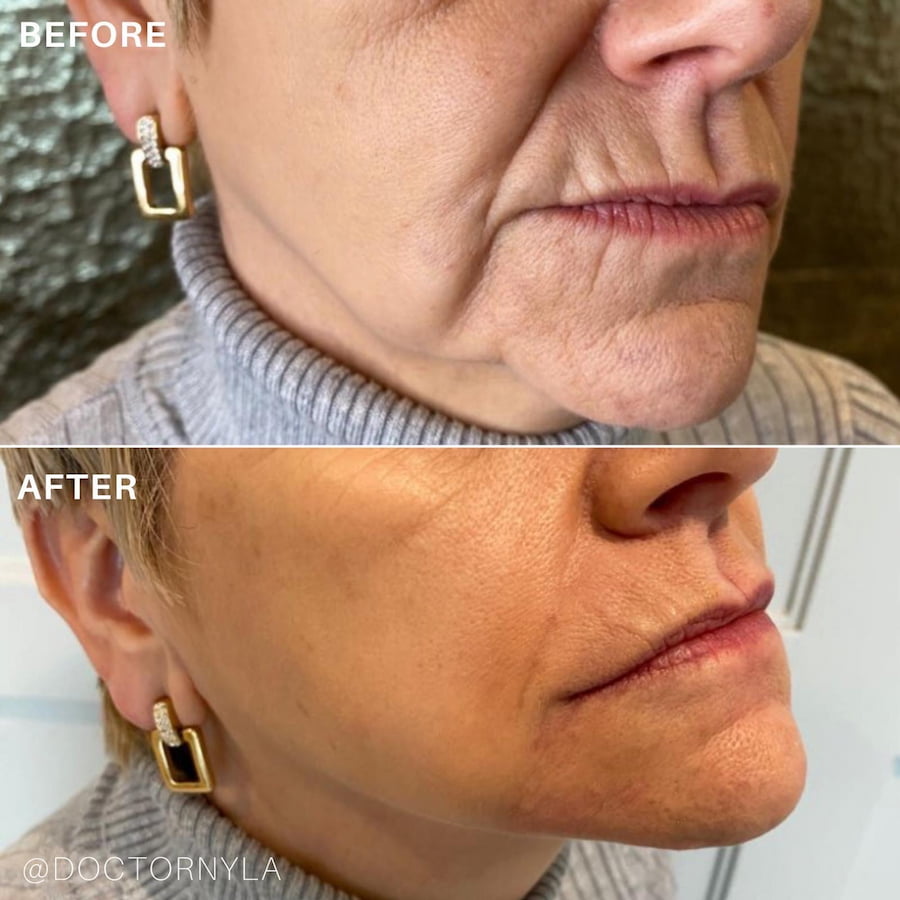
Jowls Before and After: Visual Proof
Nothing beats seeing jowls before and after. Whether it’s subtle lift from a single filler syringe or a multi-modal plan of ultrasound plus peels, real faces tell the story best.
Alex’s Journey: Gua Sha & Ultrasound
Alex, 38: “I started with daily gua sha to massage my jawline—just five minutes each morning. Weeks in, the puffiness dropped. Then I tried one Ultherapy session. Three months later, my jawline looked sharper, and my friends asked if I’d lost weight!”
Sarah’s Story: Skincare + Sleep
Sarah, 45: “As a busy mom, I never paid attention to SPF or sleep quality. When jowls crept in, I swapped my old moisturizer for a peptide-rich cream, forced myself into an earlier bedtime, and added a morning SPF habit. Six months on, I feel firmer and more confident—no needles involved.”
Community Voices
On Instagram, users share tips under hashtags like #jawlinegoals and #jowlsnomore. One commenter @skinlover wrote, “Facial yoga + collagen supplements gave me the best bang for my buck!” These shared experiences build trust and show there’s no single “right” path—only what works for you.
People Asks and Myth-Busting
Myth: You Need Surgery to Improve Jowls
Reality: Many non-surgical treatments—from exercises to energy devices—can yield noticeable improvements. Surgery is one option, not the only one.
Myth: All Aging Causes Jowls
Reality: Aging plays a role, but lifestyle, sun exposure, and genetics are equally significant. Smart habits can delay or soften jowl formation.
Wrapping Up & Next Steps
Alright, friend—let’s tie a bow on this jawline chat. Jowls are a natural expression of our journey through life, a little droop that tells our story. But behind the science of collagen loss and gravity, there’s empowerment: understanding your skin, lifestyle tweaks, and an array of treatments from simple to surgical.
If you’re just starting out, focus on daily habits: SPF, hydration, good posture, and facial exercises. From there, dip a toe into skincare with retinoids and peptides. Ready to level up? Explore injectables or energy therapies. And if you crave a dramatic reset, a facelift is there—but only if it aligns with YOUR goals and comfort.
Most importantly, there’s no one-size-fits-all. What worked for Emma in her twenties might differ from Alex’s ultrasound plan or Sarah’s skincare ritual. What matters is YOU: your preferences, budget, and lifestyle. So, buddy, what’s your next move? Try a new facial exercise, book a consult, or simply share your experiences below. I’m cheering you on every step of the way!
If you have questions, drop them in the comments or reach out on social—let’s navigate this journey together. Here’s to firmer skin, confident smiles, and embracing every fabulous stage of your life!
Frequently Asked Questions
Jowls are the saggy or loose skin that forms along the lower jawline and under the chin, typically caused by aging, collagen loss, fat redistribution, and genetic factors.
Yes—daily sun protection, a balanced diet rich in antioxidants, facial exercises, gentle massage, and consistent use of collagen-boosting skincare (like retinoids and peptides) can help delay or soften the appearance of jowls.
Botox relaxes specific jaw muscles to create a subtle lift in the lower face. Results appear in about a week and last 3–4 months, but proper placement by a qualified injector is essential to avoid accentuating sagging.
No—non-surgical options like dermal fillers, ultrasound or radiofrequency treatments can provide long-lasting improvements. A surgical facelift offers the most dramatic, long-term result, but it involves downtime and higher cost.
Most people start noticing jowls in their late 30s to early 40s as collagen production declines. However, genetics, lifestyle, and rapid weight changes can cause early signs of jowls in the 20s.
Read Next

Thinking About a Septum Piercing? Here’s What to Expect
Proper Dosage for Botox Treatment on the Forehead, Eyes, and Glabella

About Prickly Pear Seed Oil

What to Expect After Laser Treatment for Spider Veins
What’s the Difference Between THC Lotion and CBD Lotion?

5 Evidence-Based Ways Collagen May Improve Your Hair
Related Posts
Is Microblading Your Eyebrows Painful?
Aug 9, 2026 • 11 min read
Are There Benefits to Using Almond Oil on Your Face?
Jul 30, 2026 • 10 min read
How to Treat an Inverted Nipple
Aug 10, 2026 • 18 min read
Everything You Need to Know About Glycerin Soap
Aug 3, 2026 • 27 min read
How to Get Perky Breasts Without Surgery
Sep 9, 2026 • 35 min read