Does Wild Yam Root Have Any Benefits?

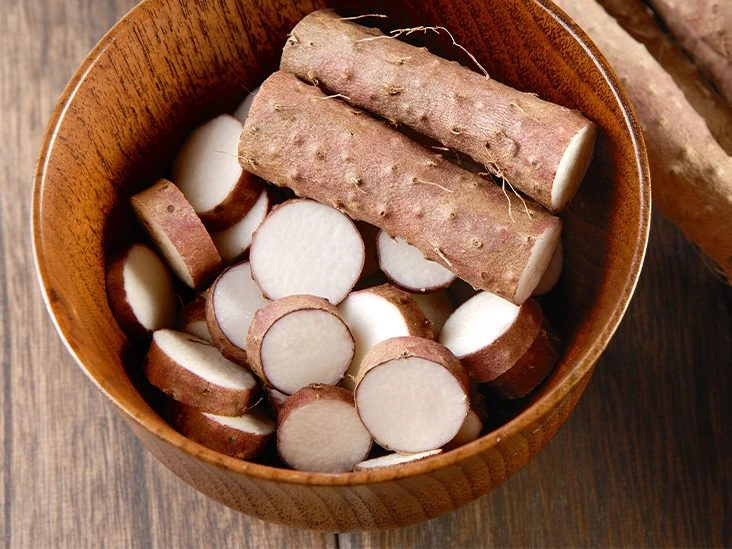
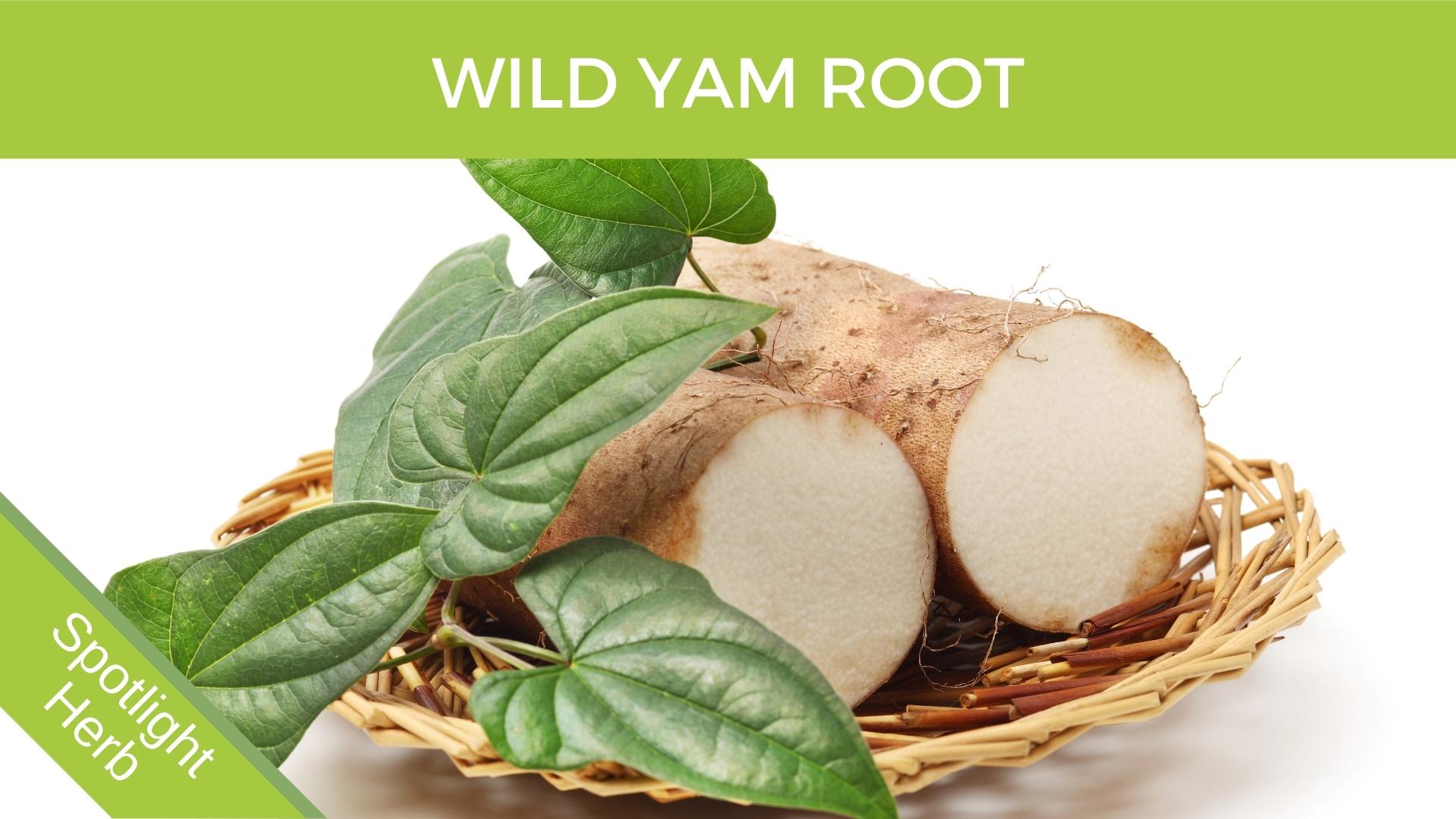
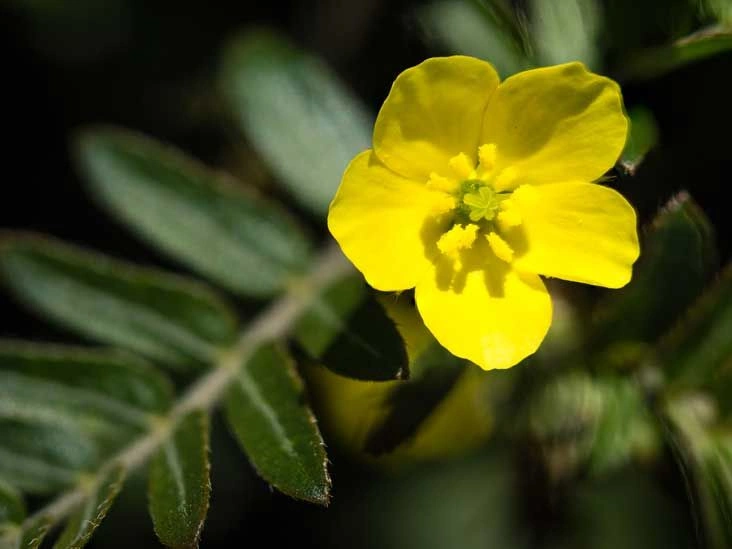
Wild yam (Dioscorea villosa L.) is a climbing plant native to North America. It’s sometimes called colic root, American yam, fourleaf yam, or devil’s bones (2).
This flowering vine features dark green leaves of varying shapes and sizes, but it’s most recognized for its tuberous roots, which have been used in traditional remedies since the 18th century to ease menstrual cramps, coughs, and digestive upset (2).
Nowadays, wild yam is most commonly processed into topical creams that are promoted to relieve symptoms linked to menopause and premenstrual syndrome (PMS).
That said, you may question whether wild yam root truly works for these concerns.
This article examines the claimed health effects and safety considerations of wild yam root.
Does it offer any advantages?
Wild yam root is promoted for numerous ailments, but scientific investigation into many of these uses is limited or does not support the claims.
Hormone production and imbalance
Wild yam root contains diosgenin, a plant-derived steroid saponin that chemists can convert into pharmaceutical steroids such as progesterone, estrogen, cortisone, and dehydroepiandrosterone (DHEA) in a laboratory setting.
Because of this, some proponents claim wild yam delivers effects similar to these hormones, presenting a “natural” substitute for estrogen therapy or progesterone creams.
However, research shows the human body cannot convert diosgenin into these hormones on its own.
Conversion of diosgenin into steroids requires chemical steps that only occur under laboratory conditions, so the body won’t transform diosgenin into progesterone, estrogen, or DHEA.
Consequently, current scientific evidence does not back the use of wild yam root for hormone-related issues like PMS, low libido, infertility, or bone loss.
Menopause
In alternative medicine, wild yam root creams are often marketed as substitutes for estrogen replacement to ease menopause symptoms such as hot flashes and night sweats.
Yet, robust evidence supporting this use is lacking.
One of the few available trials found that 23 women who applied a wild yam cream daily for three months experienced no improvement in their menopausal symptoms.
Arthritis
Wild yam root may possess anti-inflammatory properties.
Traditionally, it’s been used to manage arthritis, which causes joint pain, swelling, and stiffness.
Notably, laboratory studies show diosgenin from wild yam can help protect against the development of osteoarthritis and rheumatoid arthritis.
Additionally, in a 30-day animal study, mice given 91 mg of wild yam extract per pound of body weight (200 mg/kg) daily showed marked reductions in inflammatory markers, while a higher dose of 182 mg per pound (400 mg/kg) reduced nerve-related pain.
Although these animal and in vitro findings are encouraging, clinical trials in humans are necessary.
Skin health
Wild yam root is a frequent component in anti-aging skincare formulations.
A test-tube study suggested diosgenin might stimulate new skin cell growth, potentially producing anti-aging benefits, but overall research on topical wild yam is sparse.
Diosgenin has also been explored for possible skin-lightening effects. Prolonged sun exposure can cause small, flat, brown or tan marks (hyperpigmentation), which are harmless but often undesired.
Nonetheless, wild yam creams have not been definitively shown to be effective for depigmentation.
Other claimed benefits
Although human data are limited, preliminary research hints wild yam root could have other effects, including:
- Blood sugar reduction. In mice, diosgenin extract significantly lowered blood glucose and helped prevent diabetes-related kidney damage.
- Cholesterol-lowering effects. A four-week study in rats found diosgenin extract reduced total and LDL (bad) cholesterol.
- Possible anticancer activity. Early in vitro studies indicate wild yam extract might protect against or slow breast cancer cell growth.
Overall, additional research is required.
summaryDespite many asserted benefits, only limited evidence supports the use of wild yam root supplements or creams—especially for common uses like PMS and menopause.
Potential adverse effects and interactions
The U.S. Food and Drug Administration (FDA) has not evaluated wild yam root for safety or efficacy.
Topical application is generally seen as safe, but long-term safety data are lacking. Creams and ointments may irritate the skin in people who are allergic or sensitive to wild yam.
Small oral amounts of wild yam supplements appear tolerable, but large doses might induce vomiting (22 ).
Because of possible hormone-related effects, individuals with conditions such as endometriosis, uterine fibroids, or certain hormone-sensitive cancers should avoid wild yam products.
Children, pregnant or breastfeeding women, and people with protein S deficiency—a genetic condition that raises the risk of blood clots—are also advised to avoid wild yam due to insufficient safety information (22 , ).
Finally, wild yam may interact with estradiol found in some contraceptives and hormone replacement therapies. Therefore, avoid using yam root if you take these medications unless your healthcare provider advises otherwise (22 ).
More studies are needed to understand interactions with other medicines and supplements (22 ).
summaryWhile low-dose and topical wild yam use is probably safe for many people, evidence is limited. Certain groups—especially those with hormone-sensitive conditions—should avoid wild yam root.
How to use wild yam root cream
Because evidence is insufficient, no established dosing recommendations exist for wild yam creams or supplements. It’s best to speak with a healthcare professional before using any wild yam product.
If you choose a cream for joint discomfort, dark spots, or wrinkle prevention, product labels typically advise applying it once or twice daily.
Keep in mind these products aren’t FDA-regulated, and manufacturers aren’t required to disclose how much wild yam extract is included.
Although evidence is scarce, people who apply wild yam cream for menopause or PMS symptoms often rub it onto their abdomen. It’s not intended for intravaginal use.
For oral supplements, follow the package directions. Supplements are also unregulated by the FDA, so consider selecting products that have undergone third-party testing and verification.
summaryDosage guidelines for wild yam products are lacking, but many manufacturers recommend applying creams once or twice daily. Neither topical creams nor oral supplements are regulated by the FDA.
The bottom line
Wild yam root is widely available in creams and supplements and has a history of use for hormonal issues like menopause and PMS, as well as for easing arthritis symptoms.
However, current research does not support its effectiveness for menopause or PMS.
Evidence for arthritis and anti-inflammatory benefits is more encouraging but still preliminary; well-designed human trials are needed to confirm wild yam root’s efficacy.
Frequently Asked Questions
Current evidence does not support wild yam root as an effective treatment for menopause symptoms; clinical trials show little to no benefit compared with placebo.
No — although wild yam contains diosgenin, conversion into hormones like progesterone or estrogen requires laboratory chemical processes and does not occur in the human body.
Topical use is generally considered safe for many people, though allergic reactions are possible. High oral doses can cause vomiting, and long-term safety data are limited.
People with hormone-sensitive conditions (such as certain cancers, endometriosis, or fibroids), pregnant or breastfeeding women, children, and those with protein S deficiency should avoid wild yam products unless advised otherwise by a healthcare provider.
Preliminary laboratory and animal studies suggest anti-inflammatory and potential arthritis-protective effects, but well-designed human clinical trials are needed to confirm benefits.
Read Next



Related Posts

4 Best CBD Gummies for Anxiety and Stress in 2025
Sep 27, 2026 • 3 min read
What Are Deer Antler Supplements? Health Effects and Safety
Aug 15, 2026 • 13 min read
Health Benefits of Hawthorn Berry
Aug 24, 2026 • 10 min read
The 5 Best CBD Gummies for Sleep and Relaxation: Our Testers Tell All
Sep 30, 2026 • 25 min read
The 10 Best Selenium Supplements, According to a Dietitian
Oct 6, 2026 • 14 min read