Potential Benefits of Astaxanthin

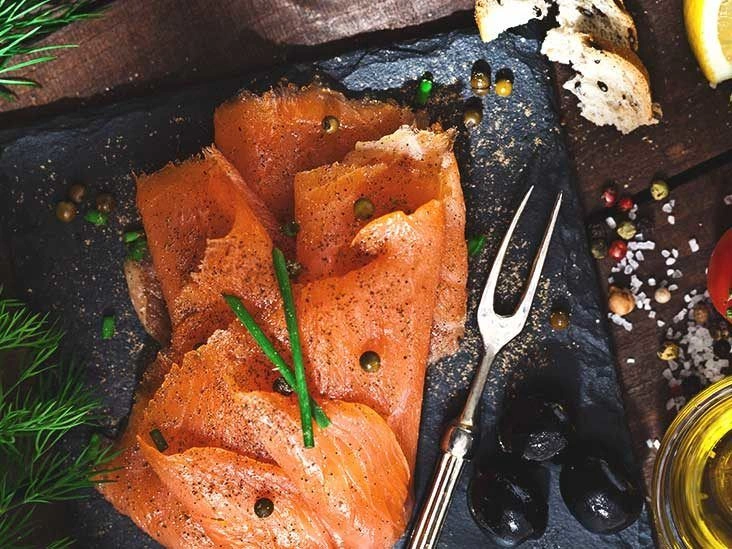
Astaxanthin is a red-colored pigment present in marine organisms like algae and salmon. It’s associated with several possible health advantages, including supporting skin and bone wellness and offering protection for the heart. Still, more human studies are necessary to verify these claims.
Found naturally in aquatic life such as trout, microalgae, yeast, and shrimp, astaxanthin is most abundant in Pacific salmon and is responsible for the fish’s pinkish hue.

Astaxanthin is also a potent source of antioxidants and is thought to provide numerous health benefits. It’s been linked to better skin, cardiovascular, and bone health.
Nevertheless, additional research involving people is required to confirm how effective it truly is.
Below we explore the possible advantages of astaxanthin, ways to include it in your diet, and potential risks to be aware of.
High in antioxidants
Astaxanthin is best known for its strong antioxidant activity.
Antioxidants protect the body from damage caused by free radicals — unstable molecules that can injure cells. When free radicals accumulate, they may play a role in the development of conditions such as arthritis, heart disease, and in some instances, cancer.
Because of its antioxidant effects, astaxanthin may help neutralize free radicals and lower inflammation throughout the body, which could support both skin and heart health.
Supports bone health
Astaxanthin might also have potential in alleviating joint discomfort, including ailments like rheumatoid arthritis, a condition that affects nearly one in five Americans.
A 2023 review indicated that astaxanthin may decrease inflammation and bone pain. It could also help guard against bone disorders and the loss of bone density.
Supports healthy skin
Astaxanthin may aid in promoting healthier skin. Research has shown that taking astaxanthin supplements could help smooth wrinkles, shield the skin from UV-related damage, and help preserve skin moisture.
However, more studies are necessary to corroborate these results.
May support heart health
Scientists are also exploring the idea that astaxanthin can positively influence heart health. A 2021 review reported that the pigment might assist with multiple biological processes, including the protection of cardiovascular health.
Authors of the review suggested it could help prevent or manage conditions such as dementia, Parkinson’s disease, and cardiovascular disorders.
Further investigation is still required to validate these observations.
Side effects and risks
Astaxanthin is generally regarded as safe and is not typically associated with adverse effects. That said, there isn’t sufficient evidence to determine whether the pigment is safe for pregnant or breastfeeding individuals.
If you’re thinking about increasing your intake of astaxanthin or taking it as a supplement, it’s a good idea to consult a healthcare provider first to discuss any potential risks.
How to add astaxanthin to your diet
To take advantage of astaxanthin’s antioxidant benefits, consider eating salmon once or twice weekly. For example, grilled salmon makes a light, nutritious dinner.
Prioritize whole foods as your primary source of nutrients. Although astaxanthin is available in supplement form, keep in mind that the U.S. Food and Drug Administration does not regulate the manufacture or sale of dietary supplements and herbal products the same way it does prescription medications.
Takeaway
Astaxanthin is a naturally occurring red pigment in marine species such as trout, microalgae, yeast, and shrimp, and is most prominently found in Pacific salmon, giving the fish its distinctive pink tint.
Research indicates it’s rich in antioxidants and may offer several health benefits, including improvements in skin, heart, and bone health.
However, more human-focused research is still needed to confirm these potential benefits.
Frequently Asked Questions
Astaxanthin is primarily claimed to offer strong antioxidant effects and to support skin, bone, and heart health, though more human studies are needed to confirm these benefits.
Astaxanthin is generally regarded as safe for most people, but evidence is limited for pregnant or breastfeeding individuals. Consult a healthcare provider before starting supplements.
Astaxanthin is found in marine foods such as salmon (especially Pacific salmon), trout, shrimp, and certain microalgae and yeast.
Some studies suggest astaxanthin may help smooth wrinkles, protect from UV-related damage, and preserve skin moisture, but additional research is required for definitive conclusions.
There is no universally established dose; dietary sources like eating salmon once or twice weekly can provide astaxanthin, while supplement doses vary—talk with a healthcare professional for personalized advice.
Read Next

Folic Acid vs. Folate — What’s the Difference?
Does Evening Primrose Oil Safely Induce Labor?

What Are Deer Antler Supplements? Health Effects and Safety
Does Tribulus Terrestris Really Work? An Evidence-Based Look
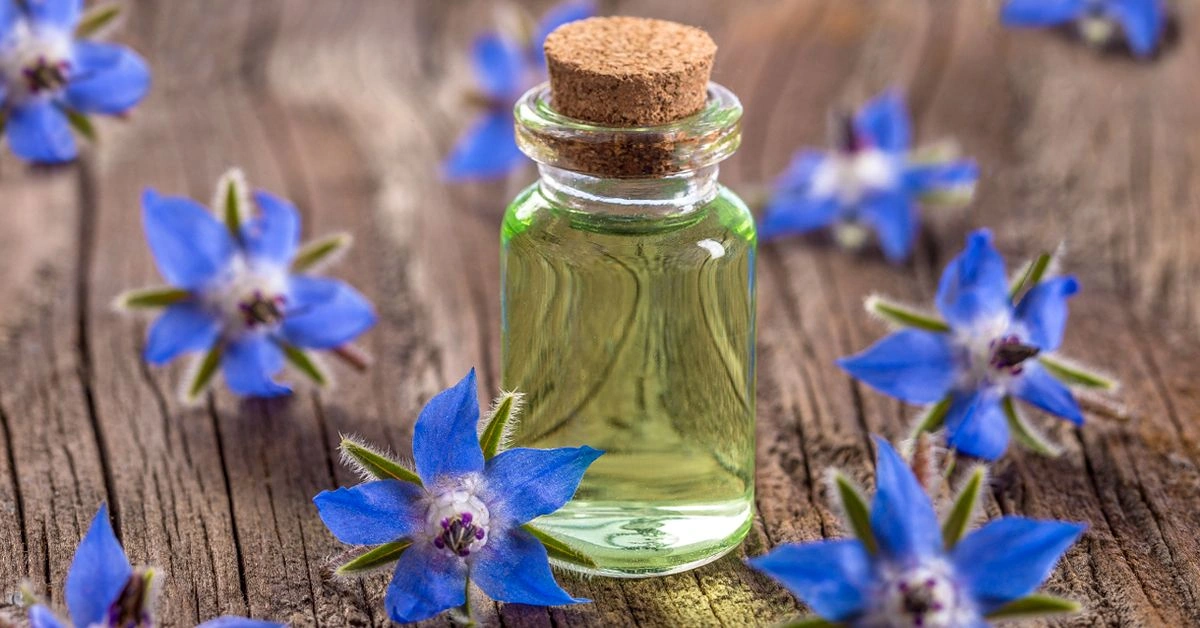
Everything You Need to Know About Borage Oil

Rinvoq Interactions: Alcohol, Medications, and Others
Related Posts
EGCG (Epigallocatechin Gallate): Benefits, Dosage, and Safety
Aug 10, 2026 • 9 min read
Is Willow Bark Nature’s Aspirin?
Sep 8, 2026 • 26 min read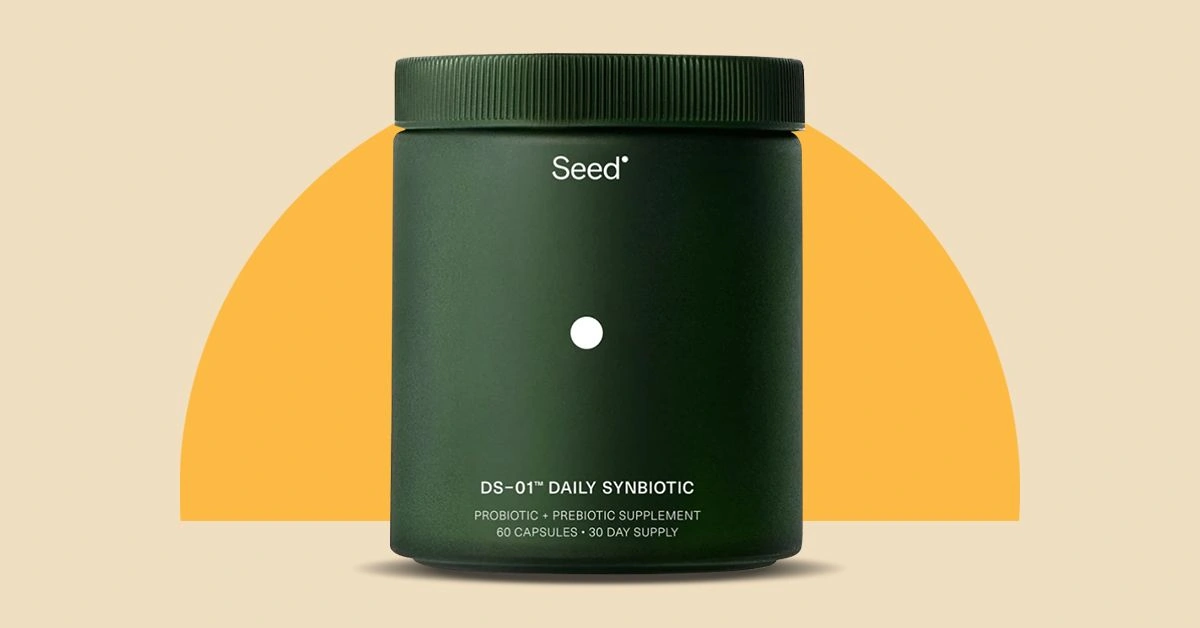
Seed Probiotics Review 2025: A Dietitian’s Take
Aug 24, 2026 • 5 min read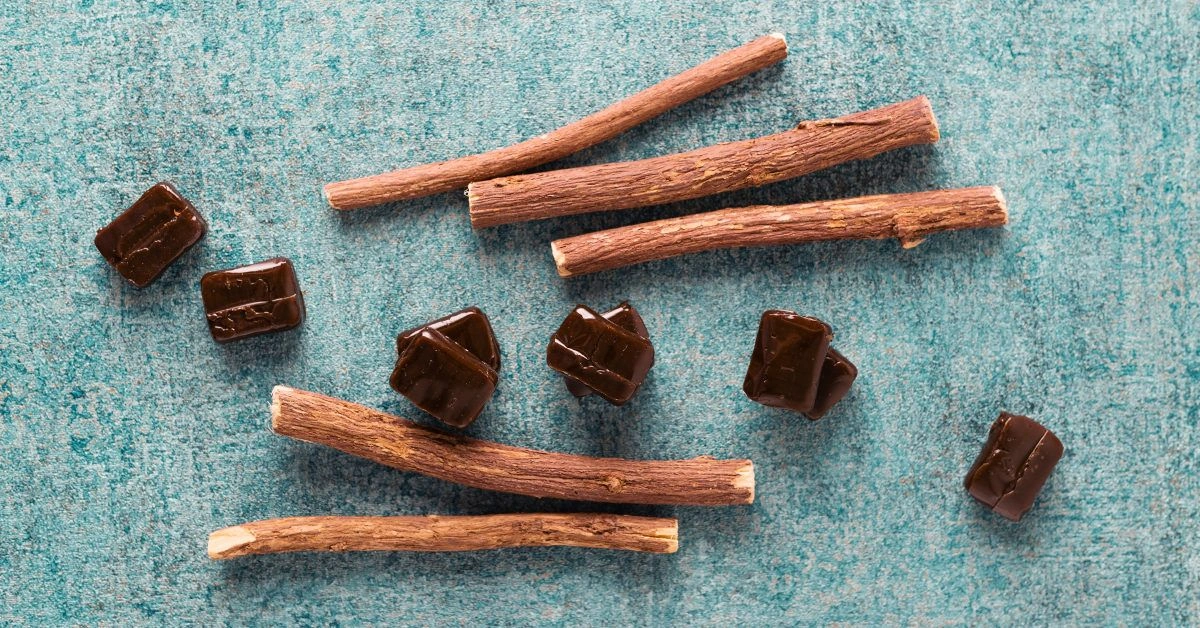
What Are Licorice Root's Benefits and Downsides?
Aug 31, 2026 • 18 min read
What Is Colloidal Silver, and Is It Safe?
Sep 10, 2026 • 26 min read