Why Would a Bug Bite Turn Into a Bruise After Applying Hydrocortisone Cream?

- All About That Odd Bruise
- First, Let’s Talk About Bites
- Wait… Do All Bug Bites Bruise?
- Have You Heard of “Skeeter Syndrome”?
- Hydrocortisone Cream: The Good, The Weird, The Bruisy?
- But Isn’t Hydrocortisone Supposed to Help?
- So…Is It the Cream, the Bite, or Both?
- When to Chill and When to Worry
- Is a Bruised Bug Bite Ever Normal?
- What Helps… And What Really Doesn’t
- How Should You Treat a Bruising Bug Bite?
- What Would Make Things Worse?
- You, Me, and Every Summer: Real-Life Examples
- What’s Your Bite Story?
- Summing it Up: Your Skin, Your Summer, Your Rules
All About That Odd Bruise
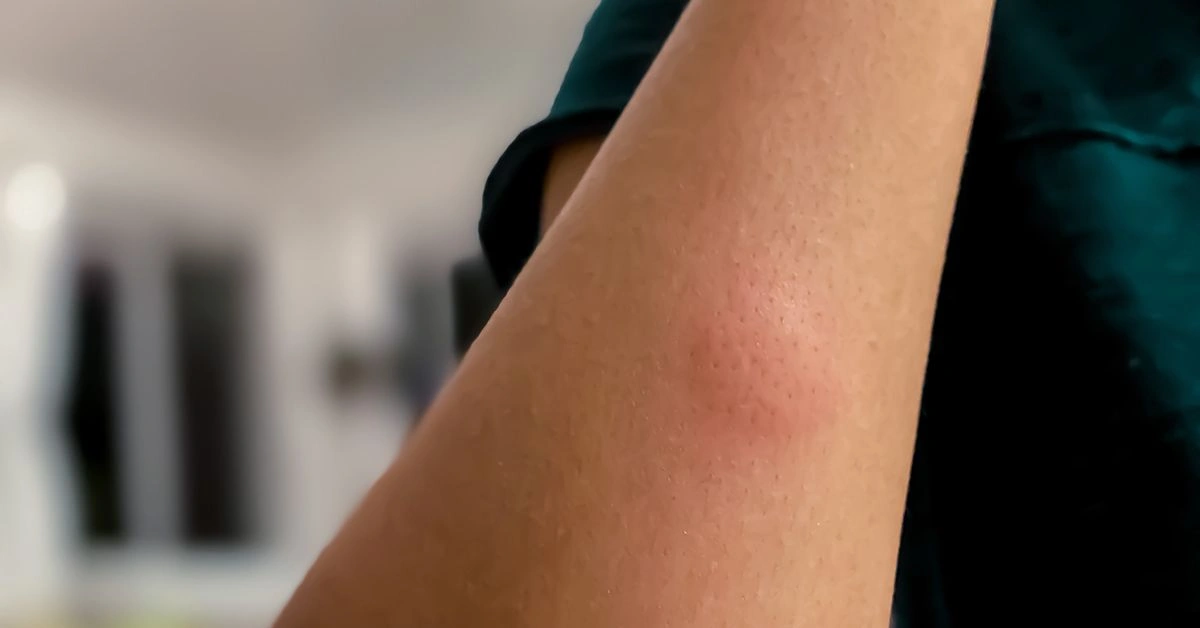
Okay, so imagine you’re out at a picnic or—let’s be honest—just minding your own business in your backyard, when suddenly… BAM! You feel that unmistakable tingle. Classic bug bite. It’s annoying, sure, but you know the drill by now. Quick rinse, maybe a little itch (or a lot, if self-control isn’t your strongest trait), and you reach for that trusty tube of hydrocortisone cream. Next morning? Instead of sweet relief, you glance down and see a dark, bruise-y splotch where the bite was. Um, what?!
If you’re here googling “why would a bug bite turn into a bruise after applying hydrocortisone cream,” you’re definitely not the only one. Spoiler alert: there’s more to a bruised bug bite than meets the eye, and it’s not just the cream’s fault. But don’t panic—let’s walk through it together. (Feel free to pause and stare in disbelief at your arm—yep, we’ve all been there.)
First, Let’s Talk About Bites
Wait… Do All Bug Bites Bruise?
Honestly? Most don’t. But sometimes, our bodies throw us a curveball. Usually, when a bug bites you, it injects a teensy bit of its saliva under your skin. This isn’t just gross—your body sees it as an invader, so it launches a full-on “get rid of this ASAP!” mission. That’s where the itching, swelling, and redness come from.
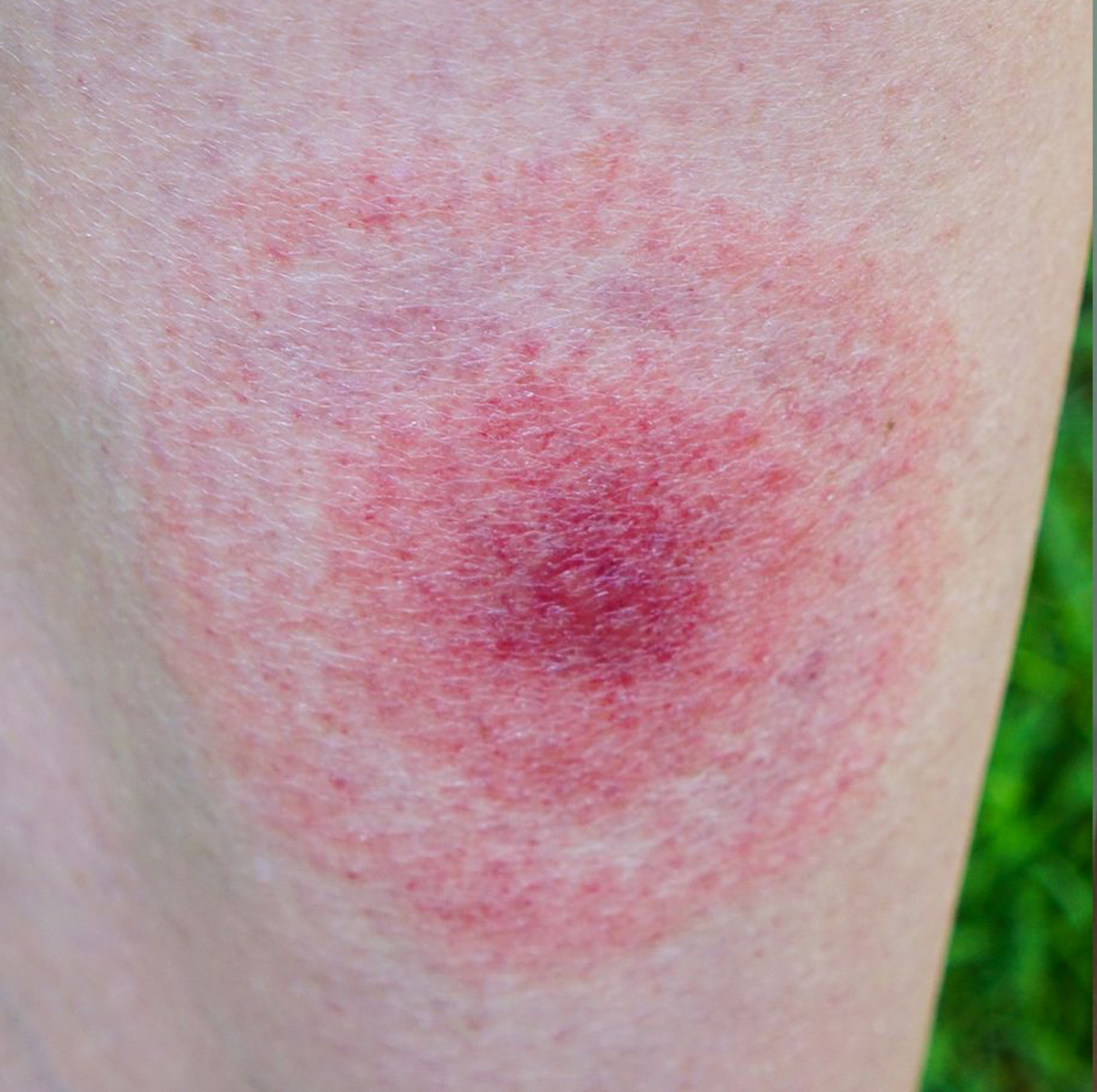
Now, have you ever looked at your bug bite and thought, “Why does it look like I ran into the coffee table?” Yep, that’s sometimes a bruise. How? Some bugs, especially the “Olympic athletes” like mosquitoes, horseflies, or spiders, can damage the tiny blood vessels under your skin when they bite. The blood leaks out, pools up, and you get that classic purplish bruise shade (research on what kind of bug bite leaves a bruise ).
Spot the Difference Table
| Symptom | Normal Bite | Bite With Bruise |
|---|---|---|
| Color | Pink/red bump | Purple, blue, or brown |
| Texture | Smooth, a little raised | May feel firmer or puffy |
| Itchiness | Usually yes | Maybe less, or more painful |
| Duration | 2-4 days | Up to a week or more |
Want to see what these look like in real life? Take a peek at Bug bite with bruise around it pictures for some, uh, relatable visuals.
:max_bytes(150000):strip_icc()/GettyImages-2190643957-be778f9a6ef945cc9b46aec0741b594b.jpg)
Have You Heard of “Skeeter Syndrome”?
Yes, it’s a real thing and no, it’s not the name of a forgotten 90s rapper. Skeeter syndrome is basically your body going a little too hard in the defense department after a mosquito bite. Instead of a small dot, you might wake up with a patch of swelling the size of a pancake (or a pancake on a bad day). Sometimes it gets red, hot, and…you guessed it—bruised. It’s rare, but if your bites look like Jackson Pollock paintings, you might be in this club (see more on skeeter syndrome ).
Little story time: One summer, my nephew’s ankle looked like he’d tangled with a garden hose. The itch was out of control, then suddenly? Bruises. We thought maybe he’d bumped his leg on the slide, but the doc called it an “allergic reaction to the bite.” Guess what he prescribed? Yup, hydrocortisone cream…
Hydrocortisone Cream: The Good, The Weird, The Bruisy?
But Isn’t Hydrocortisone Supposed to Help?
Mostly, yes! Hydrocortisone cream is the go-to for a million itchy problems—not just bug bites. It’s a mild steroid (don’t worry, it won’t turn you into the Hulk) that calms inflammation and tricks your immune system into chilling out (learn more about uses and safety).
But—plot twist—sometimes, especially if you use it more than recommended, hydrocortisone can actually thin your skin a little. Thin skin = less protection for blood vessels right underneath. One scratch, one little rub, or even just the effect of the original bite, and suddenly… bruise city (research on bug bite bruises ).
If you want the deep dive—with science-y stuff, pictures, and more—jump over to why would a bug bite turn into a bruise after applying hydrocortisone cream.
So…Is It the Cream, the Bite, or Both?
Well, in classic “it’s complicated” style…it’s both. Here’s the rundown:
- The bite itself might have already damaged blood vessels or made skin more fragile.
- The cream makes the area less inflamed, but it can also thin your skin if you lather on too much, too often, or if you use it for longer than those tiny directions on the tube suggest (goodrx hydrocortisone info).
- Scratching, rubbing, or pressure (guilty as charged) just makes it worse. Skin’s already delicate. So when you throw all that together—bruising happens.
Now, if you’re using a thin layer once or twice a day for just a few days (like the directions say), you probably won’t get bruising. But if you’re like me and thinking, “Eh, more is better,” think again. (We’ve all been over-enthusiastic at 2 AM.)
Quick Table – Cream vs Bruising Odds
| Scenario | Risk of Bruising |
|---|---|
| One bug bite, cream once | Low |
| Multiple bites, cream multiple times daily | Higher |
| Scratching madly + lots of cream | Even higher! |
When to Chill and When to Worry
Is a Bruised Bug Bite Ever Normal?
So, here’s the straight talk. Most of the time, a little bruise around a bug bite isn’t something to lose sleep over. Your body just needs a minute to clean things up beneath your skin. Give it a few days, try some gentle ice, maybe an antihistamine if you’re feeling extra itchy.
But… sometimes things can go sideways. If your bruise starts spreading, feels hot, or you get a fever—or if that purple patch is growing way bigger than the original bite—get it checked. Could be an infection or, super rarely, an allergic reaction running wild (signs your bug bite is something serious).
Warning Signs Checklist
- Red streaks spreading from bite?
- Pus or a weird smell?
- Bite growing instead of shrinking—especially after a few days?
- Fever, chills, or feeling just… “off”?
If you see any of those, skip Google and go talk to a real human—preferably one with a lab coat and prescription pad.
What Helps… And What Really Doesn’t
How Should You Treat a Bruising Bug Bite?
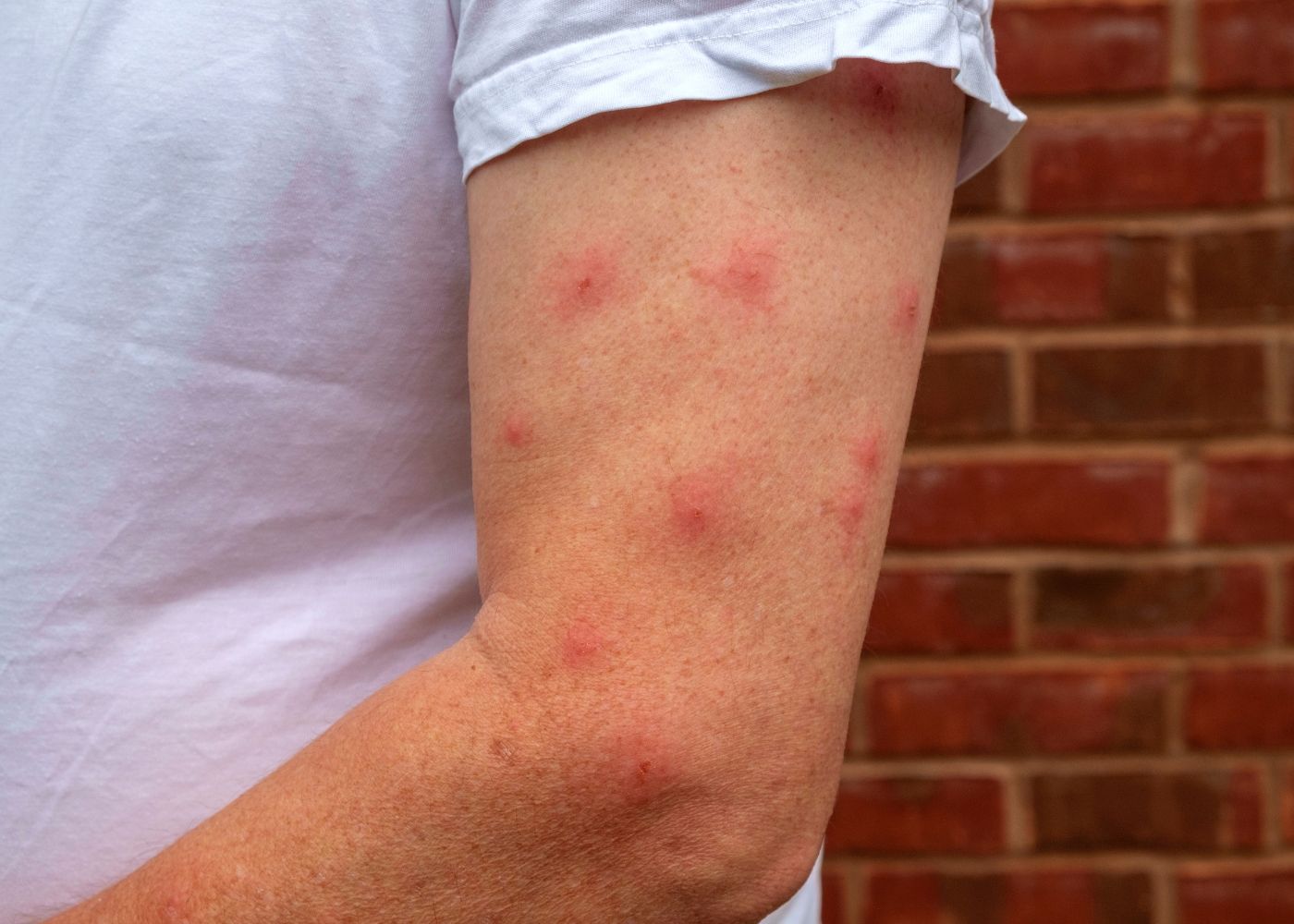
First things first: Don’t scratch. (Yeah, yeah, I know, easier said than done.) Scratching breaks skin, lets germs in, and makes bruising worse. Wash the bite gently, pat dry, and use hydrocortisone only in a thin layer, max twice daily, for up to a week. Ice helps a lot—five to ten minutes at a time. Keep the spot elevated if it’s on an arm or leg.
If you need a visual reminder, flip through Bug bite with bruise around it pictures to see (and maybe commiserate with) how others are managing.
Still not sure about using hydrocortisone? Sometimes a gentle calamine lotion or an oral antihistamine (like diphenhydramine) does the trick. For stings or tick bites, follow removal and cleaning steps to the letter—never yank at a tick or you could leave its head behind (yikes, right?).
What Would Make Things Worse?
Sorry to say, DIY “remedies” or slathering on too much cream don’t help and might even make things worse. If you leave the area uncovered and go sunbathing, you could get extra irritation. FYI, bug bites don’t like hot tubs or perfume either. Just saying…
Want even more background? Jump over to why would a bug bite turn into a bruise after applying hydrocortisone cream for deeper answers and strategies tailored to your skin type.
You, Me, and Every Summer: Real-Life Examples
What’s Your Bite Story?
Okay, time for a confession: Last Fourth of July, I thought I could “tough it out” after a mosquito frenzy at the fireworks show. Woke up with a constellation of purple spots across my shin, applied the hydrocortisone, and figured it’d vanish overnight. Next day? Bigger, darker, and honestly a little alarming. Called a nurse friend who, after some light teasing (“You always overdo it!”), told me to lay off the cream, use ice, and yes, just…wait. Three days later, good as new. Lesson: Don’t panic, but know your limits.
Got a wilder story? Maybe your “bruised bite” turned out to be a myth-level spider or a “see the doctor now” infection. Whatever happened, I guarantee the comment section is full of fellow bug bite warriors. We’ve all been there, trust me. Tell us about your healing hacks—or the epic fails—below.
Summing it Up: Your Skin, Your Summer, Your Rules
So here’s the naked truth: Why would a bug bite turn into a bruise after applying hydrocortisone cream is usually just your body dealing with a rare combo of inflammation, tiny vessel leaks, maybe a little allergic boost, and (sometimes) a little too much cream. It looks weird, sure, but it’s usually more dramatic than dangerous.
Next time you get bitten, pause before you panic. Check the swelling, keep it clean, use cream sparingly, and watch for warning signs. And hey, if you’re ever unsure, compare your bite with Bug bite with bruise around it pictures and don’t hesitate to reach out to a health pro. Take care of that skin—it’s got places to go and summer sunsets to see. Stay itch-free, bruise-free, and ready for whatever adventure (outdoor or otherwise) comes your way!
Frequently Asked Questions
Most bug bites don’t bruise, but some like those from mosquitoes or spiders can damage small blood vessels, leading to bruising in sensitive individuals.
Hydrocortisone cream is generally safe for short-term use on bug bites to reduce itching and inflammation, but applying too much or too often can thin the skin and increase bruising risk.
Skeeter syndrome is an exaggerated allergic reaction to mosquito bites, causing significant swelling, redness, and sometimes bruising that looks more severe than a typical bite.
Worry if the bruise spreads, becomes hot, shows pus, or is accompanied by fever—these could indicate infection and require medical attention.
Treat by avoiding scratching, applying a thin layer of hydrocortisone sparingly, using ice for swelling, and keeping the area clean; most resolve in a few days without complications.






Related Posts
Can Carpenter Ants Bite You?
Aug 4, 2026 • 24 min read
How to Identify and Treat Spider Bites
Oct 4, 2026 • 7 min read
Entomophobia: Fear of Insects
Sep 7, 2026 • 12 min read
What Does a Continuous Passive Motion (CPM) Machine Do?
Aug 28, 2026 • 35 min read
White Specks in Stool
Aug 28, 2026 • 13 min read