How Does Drinking Soda Affect Your Dental Health?

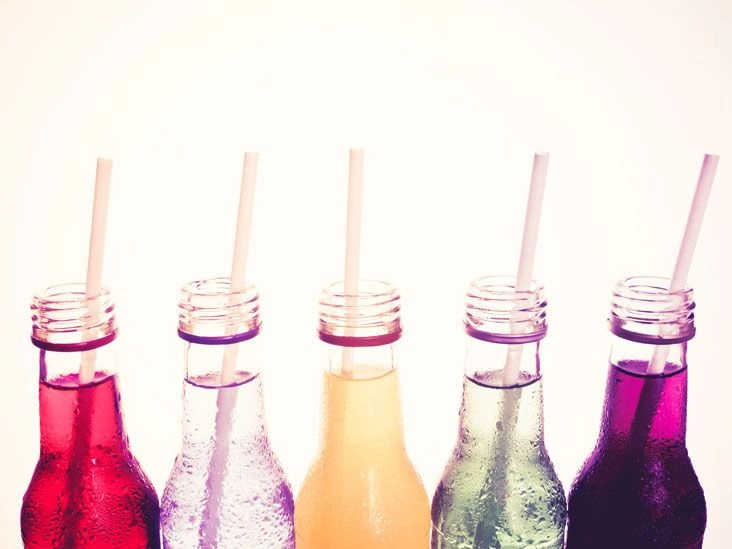
How soft drinks hurt your teeth
If you’re among up to half of Americans, you might have consumed a sugary beverage today — and chances are it was soda. Drinking high-sugar soft drinks is most often linked with obesity, type 2 diabetes, and weight gain.
But sodas can also take a toll on your smile, potentially causing cavities and even noticeable tooth deterioration.
Per the Centers for Disease Control and Prevention (CDC) , men are more prone to consuming soda and sugary beverages. Adolescent boys drink the most, getting roughly 273 calories from them daily. That number only drops slightly to about 252 calories in their 20s and 30s.

When you consume soda, the sugars in it mix with mouth bacteria to produce acid. This acid attacks your teeth. Both regular and diet sodas also include their own acids, which damage teeth as well. With each sip of soda, you trigger a harmful chemical process that lasts about 20 minutes. If you sip throughout the day, your teeth face near-constant assault.
The two main effects of soda on your teeth — erosion and cavities
There are two primary dental consequences of drinking soda: erosion and cavities.
Erosion
Erosion starts when the acids in soft drinks meet the tooth enamel, which is the outer protective coating on your teeth. These acids reduce the hardness of the enamel’s surface.
While sports drinks and fruit juices can also wear away enamel, their damage typically stops at that layer.
Cavities
Soft drinks, however, can also reach the layer beneath enamel — the dentin — and even compromise composite fillings. This weakening of enamel can open the door to cavities. Cavities, or caries, form over time in people who frequently drink soft drinks. Combine that with poor oral hygiene, and significant tooth damage can occur.
How to prevent damage
The obvious fix? Stop drinking soda. But many people find that difficult. There are, however, steps you can take to reduce the risk of harming your teeth.
- Drink in moderation. Limit yourself to no more than one soft drink per day. Even a single drink can cause harm.
- Drink quickly. The longer you take to consume a soft drink, the more opportunity it has to damage your dental health. The quicker you drink, the less time sugars and acids have to affect your teeth. (Don’t use this as an excuse to double your intake!)
- Use a straw. This helps keep harmful acids and sugars away from your teeth.
- Rinse your mouth with water afterward. Swishing water after drinking soda will help remove lingering sugars and acids, reducing their attack on your teeth.
- Wait before you brush. Contrary to what you might think, brushing right after soda isn’t advisable. Friction on teeth that have just been exposed to acid can cause more damage. Instead, wait 30 to 60 minutes .
- Avoid soft drinks before bedtime. Not only can the sugar disrupt sleep, but the sugar and acid will have hours to erode your teeth while you sleep.
- Get regular dental cleanings. Routine checkups and professional cleanings can catch issues early before they get worse.
There are alternatives to soda
You can lower the harm to your teeth by choosing beverages with less acidity. According to the Mississippi Department of Health , Pepsi and Coca-Cola rank among the most acidic soft drinks available, with Dr. Pepper and Gatorade close behind.
Sprite, Diet Coke, and Diet Dr. Pepper are among the soft drinks with lower acidity (though they remain fairly acidic).
Soft drinks aren’t a healthy option, but they are widely consumed. If you must drink soda, do so sparingly and take steps to protect your dental health while enjoying it.
Frequently Asked Questions
Each sip of soda triggers an acid attack that can last about 20 minutes. Sipping repeatedly throughout the day prolongs the exposure and increases the risk of enamel erosion and cavities.
Yes. Even without sugar, diet sodas contain acids that weaken enamel and can contribute to erosion and increased tooth sensitivity over time.
No. Brushing immediately can abrade softened enamel. It’s better to wait 30–60 minutes, rinse with water, or chew sugar-free gum to stimulate saliva before brushing.
Acidity varies by brand; some sodas are less acidic than others, but virtually all sodas pose a risk. Choosing lower-acid options and limiting intake reduces harm.
Drink in moderation, use a straw, consume soda quickly rather than sipping, rinse with water afterward, avoid drinking before bed, and maintain regular dental checkups.
Read Next
The 9 Best Mouthwashes For Whitening, Cavities, Gums, Breath, and More

What Exactly Is a Tooth Piercing?
Everything You Need to Know About Fever Blister Remedies, Causes, and More

What You Need to Know About Snap-In Dentures
How Long Will I Have to Sit in the Dentist Chair During a Root Canal?

What Should I Do About a Molar Broken Off at the Gum Line
Related Posts
Veneers vs. Lumineers: What’s the Difference?
Sep 11, 2026 • 34 min read
How Regularly Should You Get Your Teeth Cleaned?
Aug 2, 2026 • 22 min read
Everything You Need to Know About Mini Dental Implants
Aug 24, 2026 • 21 min read
Debunking the Myth of Tooth Worms and Other Cavity Causes
Aug 4, 2026 • 24 min read
Hyperdontia: Do I Need to Have My Extra Teeth Removed?
Aug 1, 2026 • 22 min read