The 9 Best Mouthwashes For Whitening, Cavities, Gums, Breath, and More

- A quick glance at top mouthwashes
- Amazon One Medical
- How we selected these mouthwashes
- Pricing guide
- HealthEH’s top picks for mouthwashes to improve dental care
- Best alcohol-free mouthwash
- Crest Pro-Health Multiprotection Mouthwash
- Pros
- Cons
- Best for extra whitening
- Crest Pro-Health Advanced with Extra Whitening
- Pros
- Cons
- Best anticavity mouthwash
- ACT Total Care Anticavity Fluoride Mouthwash
- Pros
- Cons
- Best for dry mouth
- ACT Total Care Dry Mouth
- Pros
- Cons
- Best for reducing plaque buildup
- Colgate Total Pro-Shield
- Pros
- Cons
- Best minty taste
- Listerine Cool Mint Antiseptic
- Pros
- Cons
- Best clinical strength formula mouthwash
- TheraBreath Fresh Breath Oral Rinse
- Pros
- Cons
- Best mouthwash for sensitive teeth
- CloSYS Ultra Sensitive Mouthwash
- Pros
- Cons
- Best prescription antibacterial mouthwash
- Peridex prescription mouthwash
- Pros
- Cons
- Mouthwashes compared
- How to pick the right mouthwash
- What are you trying to address?
- Other things to consider
- Ingredients to watch for
- Why use mouthwash?
- Safety tips
- Frequently asked questions
- Should I rinse after mouthwash?
- Which mouthwash kills the most bacteria?
- Which mouthwashes do dentists recommend?
- The takeaway
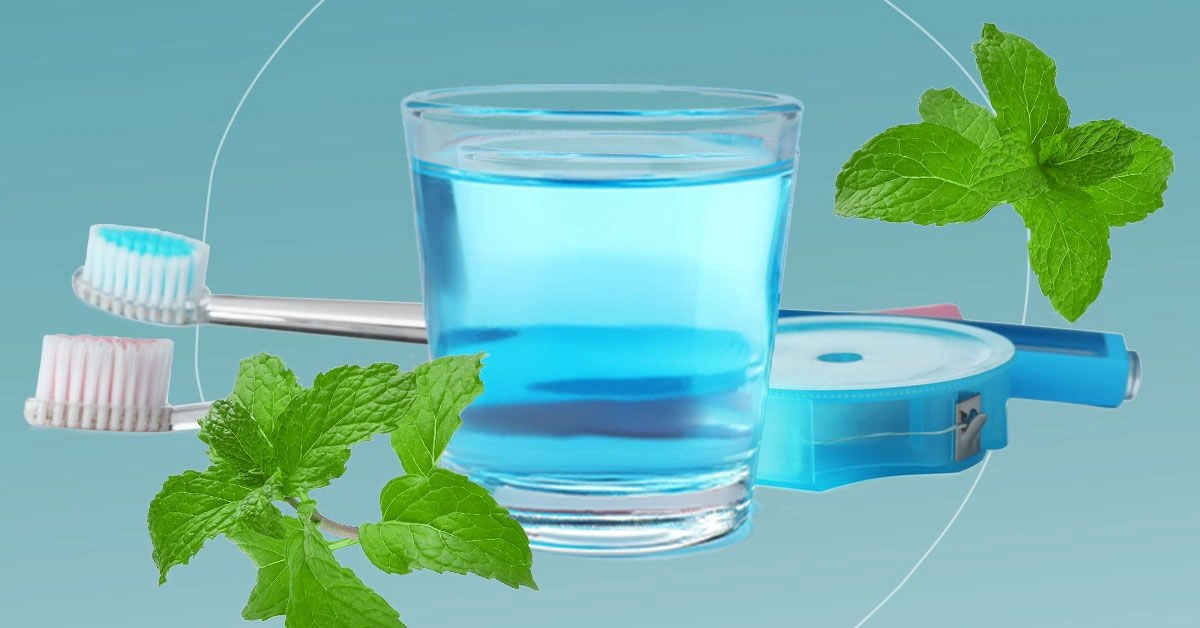
With so many mouthwash options on the market, picking the right one can feel overwhelming.
One shared hallmark among reputable products is the American Dental Association’s (ADA) Seal of Acceptance, which signals that the item meets established safety and effectiveness standards based on scientific review.
A quick glance at top mouthwashes
- Best alcohol-free mouthwash: Crest ProHealth Multiprotection Mouthwash
- Best for extra whitening: Crest ProHealth Advanced Anticavity Fluoride Rinse
- Best anticavity mouthwash: ACT Total Care
- Best for dry mouth: ACT Total Care Dry Mouth
- Best for reducing plaque buildup: Colgate Total Pro-Shield
- Best minty taste: Listerine Cool Mint
- Best clinical strength formula mouthwash: TheraBreath Fresh Breath Oral Rinse
- Best mouthwash for sensitive teeth: CloSYS Ultrasenstive Mouthwash
- Best prescription antibacterial mouthwash: Peridex
Amazon One Medical
- Specialties: primary care, urgent care, sexual health, chronic condition management, mental health, hair loss, acne treatment
- Prescribes medication: yes
- Accepts insurance: yes
How we selected these mouthwashes
HealthEH’s medical reviewers focused on mouthwashes formulated to support oral health. We evaluated ingredients (active and inactive), taste, and cost when deciding which products to feature.
Pricing guide
- $ = under $10
- $$ = $10–$20
- $$$ = over $20
HealthEH’s top picks for mouthwashes to improve dental care
This selection highlights many excellent mouthwashes but is not exhaustive. We included both over-the-counter therapeutic rinses and those that need a prescription from a dental professional.
Best alcohol-free mouthwash
Crest Pro-Health Multiprotection Mouthwash

Price: $The primary active ingredient is cetylpyridinium chloride (CPC), an antimicrobial compound intended to curb bad breath, tooth decay, and issues like gingivitis or bleeding gums. Because it’s alcohol-free, it shouldn’t sting, making it a good pick for those with dry mouth or irritated areas. Consumers often report a pleasant minty finish.
This formula can sometimes temporarily discolor teeth, so extra brushing or routine professional cleanings may be needed. For people sensitive to the burn of alcohol-based rinses, this trade-off can be worthwhile.
A small portion of users say CPC leaves an odd aftertaste or briefly alters how foods taste; if that’s an issue, consider a different option.
Pros
- contains antimicrobial agents
- formulated to combat bad breath
- may help reduce gingivitis
- alcohol-free
Cons
- may produce an unpleasant aftertaste for some
Best for extra whitening
Crest Pro-Health Advanced with Extra Whitening

Price: $This alcohol-free rinse includes fluoride to combat cavities and hydrogen peroxide to tackle surface stains for a whitening effect. It’s also formulated to strengthen enamel and neutralize germs that cause bad breath. Users say noticeable whitening can take several months.
Pros
- alcohol-free
- aimed at removing surface stains
- designed to whiten teeth
- may help bolster tooth enamel
Cons
- may require several months to notice whiter teeth
Best anticavity mouthwash
ACT Total Care Anticavity Fluoride Mouthwash

Price: $$ACT Total Care avoids aluminum, parabens, sulfates, and phthalates. Its active ingredient, fluoride, is well-known for reducing tooth decay, strengthening enamel, and supporting gum health.
This mouthwash is available in two varieties: one with about 11 percent alcohol and an alcohol-free version.
Pros
- contains fewer additives than some other options
- crafted to help prevent cavities
- designed to support healthy gums
Cons
- some users report it feels harsh on their teeth
Best for dry mouth
ACT Total Care Dry Mouth

Price: $This alcohol-free formula is intended to relieve dry mouth for several hours after use and contains fluoride to help prevent cavities. Xylitol is listed as an inactive ingredient; it can boost saliva production and reduce S. mutans bacteria that form plaque.
If you’re using it for dry mouth, follow the package directions—especially the recommendation to swish for a full minute. Many users say it tastes pleasant, which makes following the instructions easier.
Pros
- alcohol-free
- formulated specifically to alleviate dry mouth
Cons
- some people find the dryness returns quickly
Best for reducing plaque buildup
Colgate Total Pro-Shield

Price: $
This mild peppermint, alcohol-free rinse contains cetylpyridinium chloride as its active ingredient. Colgate Total Pro-Shield is a strong candidate for reducing plaque and maintaining fresh breath, with claims of killing germs for up to 12 hours, even after eating. It may help reduce the bacteria that cause gingivitis, which can progress to periodontitis and gum recession.
Pros
- alcohol-free
- users report a mild flavor
- designed to reduce plaque
Cons
- does not contain fluoride
Best minty taste
Listerine Cool Mint Antiseptic

Price: $
Active compounds in Listerine Cool Mint include menthol, thymol, eucalyptol, and methyl salicylate. Combined with its alcohol base, these essential oils create an intense minty sensation that some users love and others find overpowering.
These essential oils have antimicrobial effects and can help reduce plaque, gingivitis, receding gums, and bad breath.
Pros
- designed to reduce bad breath
- may help control gingivitis
Cons
- contains alcohol
- reported to have a strong flavor
Best clinical strength formula mouthwash
TheraBreath Fresh Breath Oral Rinse

TheraBreath is an alcohol-free, antibacterial rinse formulated to reduce sulfur-producing bacteria and address even severe halitosis for up to a day. Ingredients include peppermint oil, citric acid, castor oil, tetrasodium EDTA, sodium bicarbonate, sodium chlorite, and sodium benzoate. Some users notice temporary taste changes after using it.
Pros
- targets sulfur-producing bacteria that cause severe bad breath
- formulated for long-lasting effects
- alcohol-free
Cons
- typically pricier than many other rinses
Best mouthwash for sensitive teeth
CloSYS Ultra Sensitive Mouthwash

Price: $$This alcohol-free rinse is formulated for those with sensitivity and is intended to combat bad breath. It uses chlorine dioxide, an oxidizing agent, to reduce sulfur-producing bacteria in the mouth.
Pros
- alcohol-free
- users report a gentle flavor
- created for sensitive teeth and gums
Cons
- usually more expensive than typical mouthwash brands
Best prescription antibacterial mouthwash
Peridex prescription mouthwash

Price: $$$
Peridex is a medicated mouthwash whose generic name is chlorhexidine gluconate oral rinse.
Peridex is available only by prescription, either from a pharmacy or a dentist.
Cost depends on your prescription coverage; generic chlorhexidine gluconate may be less expensive than the brand-name product. Similar products include Perisol, Periogard, and Paroex.
Peridex is used to treat gingivitis and related gum problems that cause bleeding, swelling, and redness by killing harmful oral bacteria.
It isn’t suitable for everyone and can cause side effects such as tooth staining, increased tartar, oral irritation, and diminished taste. Rarely, it can trigger serious allergic reactions in some individuals.
Pros
- formulated to treat gingivitis
Cons
- requires a prescription
Mouthwashes compared
How to pick the right mouthwash
Mouthwashes fall into two categories: cosmetic and therapeutic.
Cosmetic rinses temporarily mask bad breath and leave a pleasant flavor.
Therapeutic rinses contain active ingredients that aim for sustained bacterial reduction and can address issues like gingivitis, receding gums, dry mouth, and plaque. These are available both over-the-counter and by prescription.
What are you trying to address?
Your oral health goals should guide your mouthwash choice.
- Bad breath. If short-term breath control is your main concern, a cosmetic rinse you can use during the day may be enough to boost confidence before an important meeting. For persistent halitosis, consider a therapeutic product like TheraBreath or others that target sulfur-producing bacteria; also see tips on how to get rid of garlic onion breath.
- Dry mouth. If medications or medical conditions cause dry mouth, look for rinses formulated to provide longer-lasting oral comfort and moisture.
- Plaque or gum problems. For plaque, receding gums, or gingivitis, choose mouthwashes with fluoride or antibacterial actives that combat bacteria.
Other things to consider
- Price per ounce. Compare bottle sizes and unit cost. Larger containers or bulk purchases often lower the price per ounce and can be more economical.
- ADA Seal of Acceptance. Look for the ADA seal on the label—this indicates it has been tested for effectiveness. Not every popular brand has the seal.
Ingredients to watch for
Check ingredient lists carefully; many products combine components aimed at specific concerns. Common beneficial ingredients include:
- Fluoride. Helps prevent tooth decay and strengthen enamel.
- Cetylpyridinium chloride (CPC). Targets bad breath and bacteria.
- Chlorhexidine. Used to reduce plaque and manage gingivitis.
- Essential oils. Compounds such as menthol, eucalyptus, and thymol have antibacterial and antifungal properties.
- Carbamide peroxide or hydrogen peroxide. Ingredients intended for whitening teeth.
Why use mouthwash?
The right mouthwash complements brushing and flossing by reaching areas your toothbrush may miss. It can help manage conditions such as:
- bad breath
- gingivitis
- plaque
- dry mouth
- tooth discoloration
- receding gums
Safety tips
Most mouthwashes are intended for people aged 6 and up; supervise children who might swallow mouthwash. The ADA does not recommend mouthwash for kids under 6 without professional advice.
Alcohol-containing rinses may be unsuitable for people avoiding alcohol for personal or medical reasons.
Frequently asked questions
Should I rinse after mouthwash?
No. Many mouthwashes contain beneficial ingredients like fluoride that need time to act; rinsing immediately washes them away.
Which mouthwash kills the most bacteria?
No rinse eliminates all oral bacteria. Look for products that claim high reductions (90–99 percent) of bacteria; several brands offer strong antibacterial effectiveness.
Which mouthwashes do dentists recommend?
The ADA Seal of Acceptance appears on many mouthwash brands, including those listed here. You can view the ADA’s searchable list of approved mouthrinses here.
The takeaway
Mouthwash can help control bad breath and reduce the risk of cavities, and it can assist in managing problems like gingivitis, dry mouth, plaque, and gum recession.
Use mouthwash as a supplement to regular brushing and flossing, and prefer products that carry the ADA Seal of Acceptance whenever possible.
Frequently Asked Questions
Mouthwashes containing hydrogen peroxide or carbamide peroxide, such as whitening formulas from major brands, can help reduce surface stains over time when used consistently alongside good brushing habits.
Alcohol-free mouthwashes are gentler and less likely to sting or dry out the mouth, making them a good choice for people with sensitivity or persistent dry mouth.
Most people benefit from using mouthwash once or twice daily as directed on the product label, typically after brushing and flossing, but follow any specific instructions from your dentist.
Therapeutic mouthwashes with active ingredients like fluoride or antimicrobial agents can help reduce cavities and gingivitis when used along with brushing and flossing, but they don’t replace professional dental care.
Prescription rinses such as chlorhexidine may be recommended for treating specific conditions like gingivitis or after dental procedures; they should be used under a dentist’s guidance due to potential side effects.
Read Next

Everything You Need to Know About Fever Blister Remedies, Causes, and More

Everything You Need to Know About Mini Dental Implants
How Long Will I Have to Sit in the Dentist Chair During a Root Canal?
Veneers vs. Lumineers: What’s the Difference?
How Regularly Should You Get Your Teeth Cleaned?

What Exactly Is a Tooth Piercing?
Related Posts

How Does Drinking Soda Affect Your Dental Health?
Aug 26, 2026 • 26 min read
What Are the Effects of Thumb Sucking on the Teeth and Mouth?
Aug 11, 2026 • 11 min read
How to Remove Nicotine Stains from Your Teeth
Aug 14, 2026 • 22 min read
What Should I Do About a Molar Broken Off at the Gum Line
Aug 8, 2026 • 14 min read
Debunking the Myth of Tooth Worms and Other Cavity Causes
Aug 4, 2026 • 19 min read