Everything You Need to Know About Fever Blister Remedies, Causes, and More


- Natural home remedies for fever blisters
- 1. Ice
- 2. Lemon balm (Melissa officinalis)
- 3. L-lysine
- 4. Zinc therapy
- 5. Oregano oil
- 6. Licorice extract
- 7. Tea tree oil
- 8. Witch hazel
- 9. Apple cider vinegar
- Risks and warnings
- Prescription medication for fever blisters
- What causes fever blisters to appear?
- Triggers
- How to prevent fever blisters
- Try to
- Sun Safety
- What increases your risk for fever blisters?
- When to see a doctor
- How long does a fever blister take to heal?
- Avoid
- Frequently asked questions about fever blisters
- Can toothpaste get rid of fever blisters?
- What’s the fastest way to dry up a cold sore?
- How do I get rid of fever blisters in 24 hours?
- Are fever blisters serious?
A fever blister episode often resolves on its own, but there are numerous proven methods to ease discomfort and encourage recovery. These include home remedies as well as prescription treatments.

A fever blister, commonly called a cold sore, typically lasts between 10 and 14 days. These sores often appear in clusters and present as red, swollen, and tender lesions. They most frequently develop around the lips or on facial skin, but can also arise on the tongue or gums.
Fever blisters may ooze clear fluid that forms a scab after several days. During this stage, they’re especially contagious. Still, the virus that causes them can remain transmissible even when no visible sores are present.
The herpes simplex virus is responsible for fever blisters. Outbreaks are very common: globally, more than 90 percent of adults carry one or both types of this virus (HSV-1 and HSV-2). In the U.S., roughly 65 percent have been exposed to HSV-1.
Continue reading for information on remedies and treatments for fever blisters.
Natural home remedies for fever blisters
Research has indicated that some essential oils may exhibit antiviral effects against HSV-1. Since topical oils and treatments can irritate the skin, always perform a patch test on a small area before broader use.
Essential oils should be diluted in a carrier oil (such as a vegetable or nut oil). A common dilution is one drop of essential oil per teaspoon of carrier oil. Apply using a clean cotton swab or pad to minimize contamination and the chance of reinfection.
Below are nine natural remedies to try for fever blisters:
1. Ice
Ice can reduce inflammation by decreasing blood flow to the area and provides temporary numbing to lessen pain. It doesn’t, however, eliminate the virus or speed up healing.
How to use:Wrap an ice pack in a towel or cloth and place it over the cold sore for at least 5 minutes and no longer than 15 minutes. Never put ice directly onto the skin to avoid tissue damage.
Frequency of use:Apply an ice pack up to three times daily for up to five days or until pain decreases.
2. Lemon balm (Melissa officinalis)
A 2012 study suggested Melissa officinalis might inactivate the herpes simplex virus in certain situations and interfere with the virus’s ability to attach to host cells.
How to use:Use a cream, ointment, or lip balm with lemon balm on the affected site multiple times daily. Alternatively, apply diluted essential oil on a cotton ball and press it to the sores briefly.
Frequency of use:Keep using lemon balm for several days after the sores appear to have healed.
3. L-lysine
L-lysine is an amino acid that may help shorten a fever blister episode. Some people report benefits when using it preventively and during outbreaks.
Harvard Health notes that lysine can counteract an amino acid that supports viral growth, though additional research is still needed. It may also help reduce recurrence frequency.
How to use:Study dosages vary from 500 to 3,000 milligrams (mg); follow the label instructions.
Frequency of use:Take L-lysine daily as a preventive supplement.
Shop for L-lysine supplements online.
4. Zinc therapy
Zinc is a vital mineral that aids wound repair, and topical zinc may be beneficial for cold sores. A 2001 study found a cream with zinc oxide and glycine reduced the length of cold sore episodes compared with placebo.
A more recent study indicated zinc oxide may help block herpes virus entry into cells.
How to use:In a 2005 pilot trial , participants taking zinc sulfate (22.5 mg twice daily for two months, pausing six months, then repeating) reported fewer outbreaks. For topical care, apply a zinc oxide cream up to four times daily.
Frequency of use:Use topical zinc until lesions heal. Consider a daily zinc supplement to help prevent outbreaks.
5. Oregano oil
At the cellular level, oregano oil has been shown to inhibit various animal and human viruses, including herpes. The optimal dose for clinical benefit remains unclear.
How to use:Dilute oregano oil, soak a cotton ball, and apply to the sore several times per day.
Frequency of use:Keep applying until the blisters have fully resolved.
6. Licorice extract
Licorice root is increasingly used as a treatment for cold sores. A 2014 cell study provided more evidence of licorice’s anti-herpetic action, though human studies are still needed to confirm effects.
How to use:Apply diluted licorice extract, such as Nature’s Answer, with a cotton swab or fingertips. If using capsules, mash them into a paste with coconut or almond oil and spread on the sore. Consult your doctor before ingesting licorice root, as it can cause side effects.
Frequency of use:Apply the extract or paste several times daily until lesions heal.
7. Tea tree oil
A review suggests tea tree oil may have antiviral properties and could hasten healing while reducing crust formation.
How to use:Topically apply diluted tea tree oil on a cotton ball and dab it onto the sore multiple times daily.
Frequency of use:Continue until the skin has fully recovered.
Shop for therapeutic-grade tea tree oil online.
8. Witch hazel
A 1996 study suggested witch hazel may work against the herpes virus and reduce inflammation. As an astringent, it helps dry the area, which can support healing.
How to use:Apply witch hazel (for example, Thayers Organic) with a dampened cotton ball. Hold it gently on the skin without rubbing.
Frequency of use:Use until the affected skin is healed.
9. Apple cider vinegar
Some people report improvement with apple cider vinegar (ACV) for cold sores. Although evidence specifically linking ACV to herpes is lacking, research suggests ACV has anti-infective and antifungal qualities.
Because ACV is acidic, use it cautiously on breaks in the skin to avoid tissue damage. It is not advised for bacterial skin infections.
How to use:Dilute ACV and apply it to the sore with a cotton ball several times a day, holding it there briefly.
Frequency of use:Continue until the skin has healed.
ACV is unsafe to ingest in large quantities and can irritate the skin.
Risks and warnings
Some of the remedies above may be unsafe during pregnancy or breastfeeding. Avoid using essential oils on children and older adults unless advised by a clinician. Learn how to treat cold sores in infants.
Always try a small amount first to check for adverse skin reactions, and stop if you experience prolonged burning or irritation. Cease home treatments and consult a doctor if the outbreak worsens.
Talk with your healthcare provider before taking oral supplements. Herbal products and supplements can interact with medications and produce unwanted effects.
Prescription medication for fever blisters
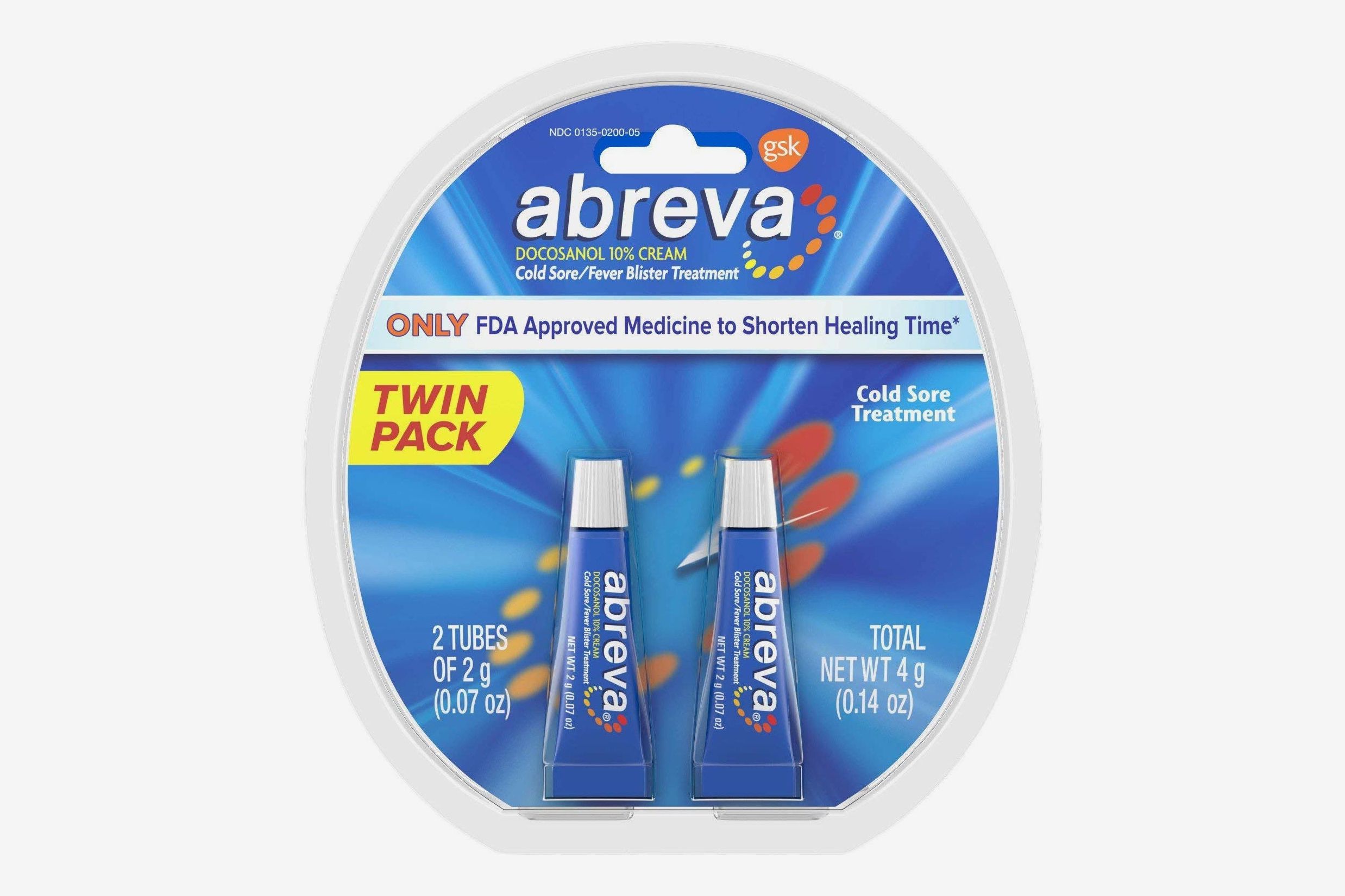
Left untreated, a fever blister may persist up to two weeks. Antiviral medications, unlike natural remedies, have standardized dosing and are proven to speed healing and reduce viral levels.
This table summarizes how these drugs generally compare to no treatment:
| Treatment | Effect |
|---|---|
| acyclovir (Xerese, Zovirax) | reduces healing time by 1 to 2 days |
| valacyclovir (Valtrex) | reduces healing time by 1 to 2 days |
| famciclovir (Famvir) | reduces healing time by 1 to 2 days |
| penciclovir (Denavir) | reduces healing time by about 0.7 to 1 day and pain by 0.6 to 0.8 day (topical only) |
These medications are usually taken orally. For severe or life-threatening herpes infections, hospitalization may be required and antivirals may be administered intravenously (IV).
Studies indicate that oral antivirals—acyclovir, valacyclovir, and famciclovir—are effective in shortening symptom duration. Topical antivirals like penciclovir are generally less potent.
What causes fever blisters to appear?
Fever blisters (cold sores) and oral herpes are caused by herpes simplex virus type 1 (HSV-1). The virus can also infect other body sites, such as the genitals.
Symptoms don’t always develop immediately; the virus can remain dormant and reactivate later. Outbreaks commonly occur when the immune system is under stress.
Triggers
Certain factors can reactivate the virus and provoke an outbreak, including:
- fatigue
- depression
- physical or emotional stress
- injury or trauma
- dental procedures
- hormonal changes
- prolonged sun exposure
Other health issues that may trigger outbreaks include:
- systemic illness or infection
- advanced age
- organ transplant recipients
- pregnancy
How to prevent fever blisters
There’s currently no vaccine or cure for HSV-1 or HSV-2, but steps can reduce outbreak frequency and severity. Maintaining overall health lowers the likelihood of recurrences.
Try to
- use stress-reduction and self-care strategies
- take steps to support your immune system and stay healthy
- begin treatment at the first sign of an outbreak
- use daily antiviral medication if advised to decrease recurrence frequency
Eating a balanced diet that supports immunity may also help prevent outbreaks. Such a diet is lower in sugar, alcohol, sugary drinks, salt, and red meat, and higher in fresh fruits and vegetables, whole grains, fiber, nuts, beans, and lean proteins like fish, poultry, and soy.
Sun Safety
What increases your risk for fever blisters?
An outbreak can signal poor nutrition or an immune disorder. Fever blisters may accompany other medical issues that impair health.
People with the following conditions are at higher risk for outbreaks:
- weakened immune systems
- autoimmune disorders
- cancer
- HIV
- major burns
- eczema
In severe instances, the virus can spread to the hands, eyes, or brain. If you notice blisters on parts of the body beyond the mouth, seek medical attention. Other infections, such as shingles, can mimic cold sores and often need different treatment.
When to see a doctor
Make an appointment if your fever blisters haven’t shown improvement after six days. Also see your doctor if you experience:
- intense pain
- lesions near the eyes
- trouble eating or swallowing
- a weakened immune system
- frequent recurrences
- a severe outbreak
- fever
- pregnancy
- increasing redness or drainage
Your provider can help identify triggers or underlying causes and determine whether the outbreaks raise the risk of complications.
How long does a fever blister take to heal?
Symptoms typically ease after a few days, but full skin recovery takes additional time. A standard fever blister episode resolves within about two weeks. During this period, take precautions.
Avoid
- touching your fever blister
- sharing lip balm or other items that contact your mouth
- kissing or sharing utensils, straws, or toothbrushes while you have an open sore
- oral sexual contact when an open sore is present
- alcohol, acidic foods, and smoking, as they can irritate sores
After an outbreak, cold sores can recur. The initial episode is often the most severe and may be accompanied by fever, sore throat, swollen lymph nodes, and body aches; subsequent outbreaks usually are milder.
Frequently asked questions about fever blisters
Can toothpaste get rid of fever blisters?
Toothpaste containing sodium lauryl sulfate (SLS) may help dry out cold sores, but evidence is mostly anecdotal and scientific support is limited.
What’s the fastest way to dry up a cold sore?
The quickest approach combines supplements, antiviral medications, and topical therapies. Support your immune system with a nutritious diet and adequate rest.
How do I get rid of fever blisters in 24 hours?
You cannot eliminate a fever blister within 24 hours. However, initiating treatment at the earliest sign can reduce severity and accelerate healing.
Are fever blisters serious?
Most fever blisters are not serious and resolve within two weeks. Rarely, serious complications occur—especially in children and people with weakened immunity from conditions like HIV, eczema, or cancer.
Frequently Asked Questions
Yes. Some home remedies—like ice, diluted essential oils (lemon balm, tea tree), zinc creams, and L-lysine—can reduce pain and may shorten healing when used early, though results vary and evidence quality differs.
See a healthcare provider if sores worsen after six days, are very painful, occur near the eyes, cause trouble eating or swallowing, occur in infants, or if you have a weakened immune system or frequent recurrences.
Oral antiviral medications (acyclovir, valacyclovir, famciclovir) have the most consistent evidence for shortening healing time and reducing viral levels; topical and natural options can help symptomatically but are generally less potent.
Reduce triggers by managing stress, supporting overall immune health with good nutrition and sleep, using sunscreen on the lips, avoiding known triggers, and talking to your doctor about daily antiviral therapy if outbreaks are frequent.
Some supplements and essential oils can be unsafe in pregnancy or for young children. Always consult a clinician before using supplements or topical herbal treatments during pregnancy, breastfeeding, or on children.
Read Next

What Exactly Is a Tooth Piercing?
How Long Will I Have to Sit in the Dentist Chair During a Root Canal?
How Regularly Should You Get Your Teeth Cleaned?

How Does Drinking Soda Affect Your Dental Health?
What Are the Effects of Thumb Sucking on the Teeth and Mouth?
Hyperdontia: Do I Need to Have My Extra Teeth Removed?
Related Posts

What Should I Do About a Molar Broken Off at the Gum Line
Aug 8, 2026 • 24 min read
How to Remove Nicotine Stains from Your Teeth
Aug 14, 2026 • 7 min read
The 9 Best Mouthwashes For Whitening, Cavities, Gums, Breath, and More
Sep 16, 2026 • 4 min read
Veneers vs. Lumineers: What’s the Difference?
Sep 11, 2026 • 27 min read
Debunking the Myth of Tooth Worms and Other Cavity Causes
Aug 4, 2026 • 5 min read