What Should I Do About a Molar Broken Off at the Gum Line


- What are the signs of a broken tooth?
- What should I do next?
- How is a broken molar treated?
- Reattaching the broken piece
- Root canal
- Extrusion methods
- Filling or crown
- Extraction or replacement
- What is recovery like after treating a broken molar?
- Are there complications from a broken molar?
- What commonly causes a molar to break?
- How can I avoid breaking a molar?
- The takeaway

A fractured tooth is always unpleasant. Still, broken teeth are among the most frequent dental emergencies. Breaks can vary from tiny chips to complete splits.
Not only can a broken tooth cause discomfort, but it alsooftenneeds prompt dental care.
See your dentist immediately if a molar breaks off at or below the gum line. If you can’t reach your dentist, an emergency department can provide temporary care.
Continue reading to learn what steps to take if a molar breaks at the gum line and why this might occur.
What are the signs of a broken tooth?
If a molar fractures at the gum line, you’ll probably be able to feel the missing section with your tongue. You may notice the jagged, sharp border of the remaining piece embedded in your gum.
A visual check of your mouth will likely show that a tooth is broken. However, it can be hard to inspect a molar on your own without the tools and lighting a dentist uses.

If visible, the broken area might look yellowish or pink due to exposed dentin and pulp. A black or dark-brown appearance can indicate decay.
You might also detect a metallic or bloody taste from ruptured blood vessels in the tooth or from cuts to your gums or tongue.
If the pulp is exposed, you’re likely to feel pain from exposed nerve tissue. Occasionally, the fractured tooth may be painless or the pain may fluctuate.
The sharp edges of the broken tooth can irritate surrounding gum tissue or your tongue through rubbing and cause inflammation.
Cold or sweet foods and beverages will probably trigger pain as well.
What should I do next?
For a broken tooth, and all other dental emergencies, contact your dentist as soon as you can. The earlier your dentist evaluates the tooth, the better the odds of a favorable result without complications.
If the molar is fractured beneath the gum line, the damage is often severe enough that extraction will be necessary.
If you’re away from home and can’t see your regular dentist, call local dental offices to check for emergency openings. Many dentists reserve time for urgent cases. If you can’t access a dental clinic, go to the emergency room.
How is a broken molar treated?
Teeth that fracture below the gum are called subgingival fractures.
Whether a tooth can be saved depends on how deep the break goes and how quickly you get care.
Your dentist may need to reshape the surrounding bone with a crown lengthening procedure to repair the broken tooth.
If you can locate fragments of the tooth, your dentist might bond them back together. But when the damage extends under the gum, extraction is often required.
Reattaching the broken piece
In some situations reattaching the fractured fragment is possible. However, the deeper the break, the more difficult it is to re-bond the pieces.
Using the original fragment can produce superior cosmetic results because it matches your natural color and texture.
Reattachment is a fairly straightforward process. Your dentist will use bonding agents such as Prime, Bond NT, or products from Dentsply.
This method may be combined with a root canal if the pulp has been exposed.
Root canal
A root canal may accompany reattachment or restorative fillings.
The procedure removes the pulp — which contains nerves and blood vessels — from the tooth’s center and replaces it with a rubber-like filling material.
This treatment is used when the inside of the tooth is infected or inflamed.
Extrusion methods
Extrusion (slowly drawing the tooth upward out of its socket) is an approach your dentist may use to preserve a tooth broken below the gum line.
With this method, you’ll wearbraces or aligners that apply a downward-directed force for several weeks to pull the tooth’s crown above the gum.
Once the crown is exposed, the dentist can fit a crown restoration.
Filling or crown
If the injury is minimal — which is uncommon when the break extends beneath the gum — a tooth-colored composite filling may be used to restore the tooth.
Your dentist might also place a crown over the tooth. A crown is a prosthetic cap that covers the exposed portion and can be made from composite resin, ceramic, or metal alloys.
If there isn’t enough natural tooth to support a crown, your dentist may perform crown lengthening to reveal additional tooth structure.
Extraction or replacement
If the tooth cannot be repaired, extraction is usually recommended.
Replacement options include:
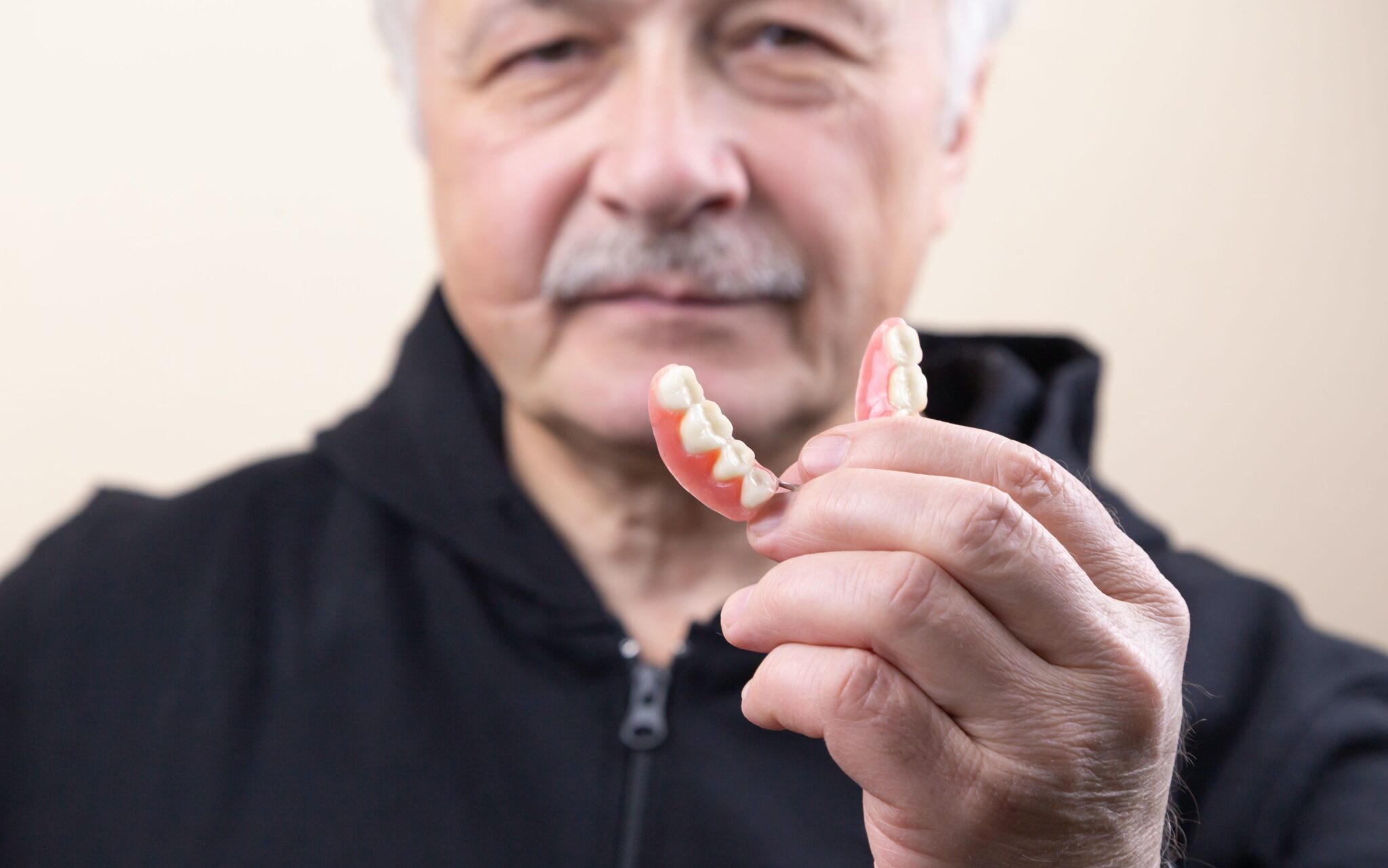
- Dentures — removable false teeth that rest on the gums and can replace one or more missing teeth.
- Endosteal implants — artificial roots implanted in the jawbone to support replacement teeth.
- Dental bridges — prosthetic teeth anchored to adjacent natural teeth.
Optum Now is operated by RVO Health. By clicking on this link, we may receive a commission. Learn more.
What is recovery like after treating a broken molar?
Your mouth will probably be tender after treatment, and pain may intensify once the local anesthetic wears off. Pain should subside over several days unless an infection develops.
After a root canal, your dentist may advise against chewing with the treated tooth for a few days or recommend a soft-food diet. You can resume a normal diet once healing progresses.
Your dentist will also likely instruct you to avoid using a straw for 24 hours and to limit strenuous activity for a day or two.
Are there complications from a broken molar?
Broken teeth are vulnerable to decay because the protective enamel is lost, exposing nerves and blood vessels.
If left untreated, a broken tooth can lead to:
- infection
- abscess
- nerve injury
If an infection develops, bacteria can spread into surrounding bone, teeth, and gum tissue. In serious instances, the jaw bone itself can become infected.
What commonly causes a molar to break?
Frequent causes and contributing factors include:
- chewing hard items, particularly unexpectedly
- untreated cavities leading to tooth decay
- recurring decay
- age-related weakening of teeth
- sudden temperature changes in the mouth
- chronic teeth grinding (bruxism)
- structural weakness from a large filling
Facial trauma from accidents or sports can also fracture a tooth, though front teeth are more often affected than molars.
How can I avoid breaking a molar?
To reduce the risk of a broken molar:
- don’t chew on ice, hard candy, or other hard items
- cut down on sugary foods
- avoid using teeth to open or cut objects
- wear a mouthguard for contact sports
- brush and floss consistently
- try to prevent clenching and grinding
- use a retainer or night guard if you grind your teeth during sleep
The takeaway
If a molar breaks below the gum line, seek dental care right away. If you can’t reach your own dentist, contact another local dental office or go to the emergency room.
Sometimes the tooth can be preserved; the sooner you act, the greater the chance of saving it and lowering the risk of infection from exposed nerves and blood vessels.
Frequently Asked Questions
Contact your dentist immediately. If you cannot get an appointment quickly, visit an emergency dental clinic or the ER for temporary pain control and infection prevention.
Sometimes. Options include reattachment, root canal with restoration, extrusion to expose more crown, or crown lengthening. Deep fractures often require extraction.
A root canal is common if the pulp is exposed or infected. It may be done alone or combined with reattachment or restorative work to preserve the tooth.
Replacements include removable dentures, dental implants (endosteal), and fixed dental bridges. Your dentist will recommend the best choice based on your situation.
Avoid chewing hard objects, treat cavities early, use a mouthguard for sports, manage grinding with a night guard, and maintain good oral hygiene to strengthen teeth.
Read Next

How Regularly Should You Get Your Teeth Cleaned?

How Does Drinking Soda Affect Your Dental Health?

Everything You Need to Know About Fever Blister Remedies, Causes, and More

Everything You Need to Know About Mini Dental Implants

What Are the Effects of Thumb Sucking on the Teeth and Mouth?

How to Remove Nicotine Stains from Your Teeth
Related Posts

The 9 Best Mouthwashes For Whitening, Cavities, Gums, Breath, and More
Sep 16, 2026 • 4 min read
What You Need to Know About Snap-In Dentures
Aug 12, 2026 • 26 min read
Debunking the Myth of Tooth Worms and Other Cavity Causes
Aug 4, 2026 • 10 min read
Veneers vs. Lumineers: What’s the Difference?
Sep 11, 2026 • 6 min read
What Exactly Is a Tooth Piercing?
Sep 11, 2026 • 5 min read