Hyperdontia: Do I Need to Have My Extra Teeth Removed?


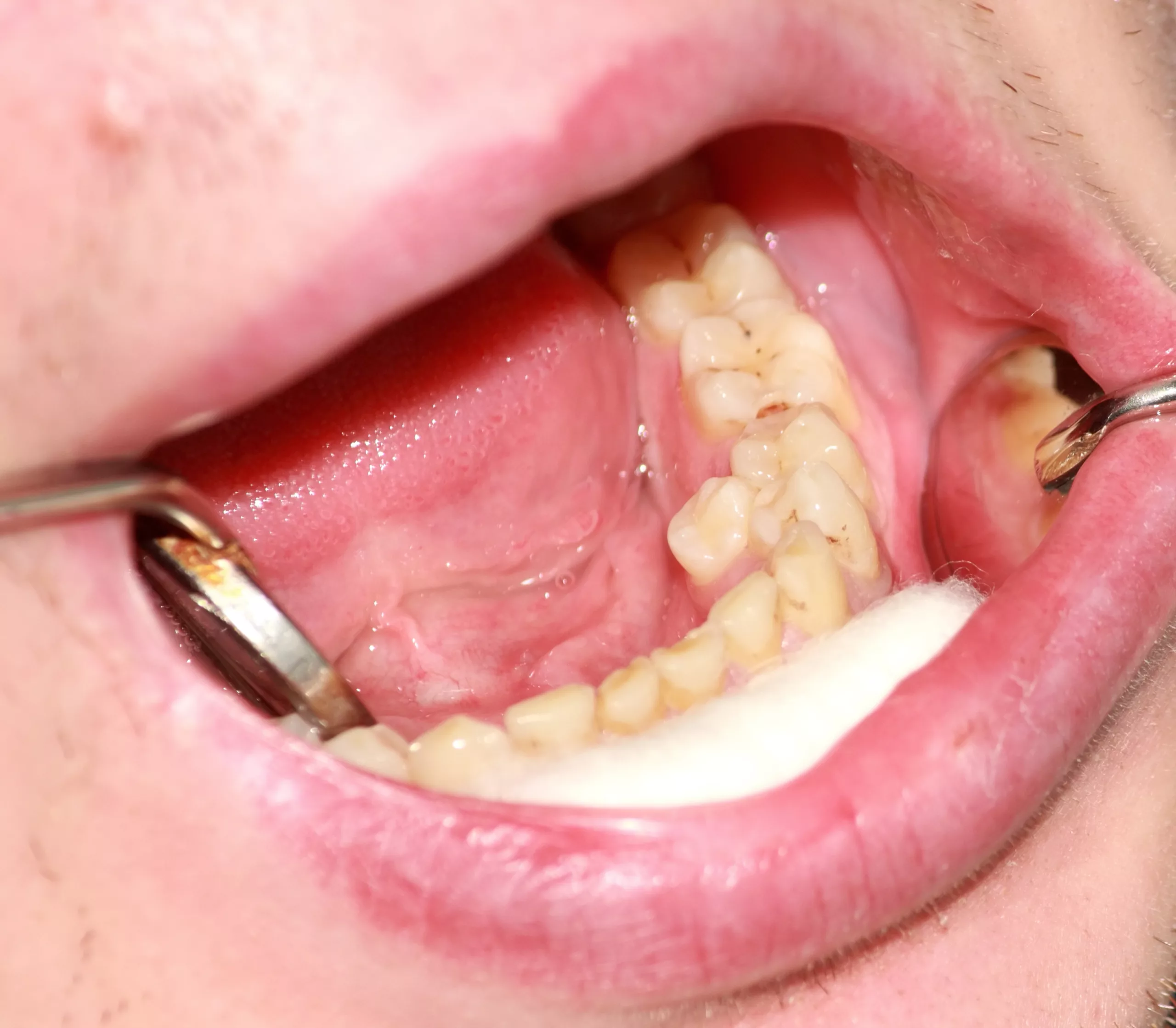
Hyperdontia refers to a condition in which an excessive number of teeth develop in the mouth. These additional teeth typically appear directly behind or near the usual primary or permanent teeth.
What is hyperdontia?
Hyperdontia is a dental condition marked by the presence of extra teeth, often called supernumerary teeth. They can arise anywhere along the curved regions where teeth anchor into the jaw, known as the dental arches.
The 20 teeth that emerge during childhood are called primary, or deciduous, teeth. The 32 teeth that replace them in adulthood are known as permanent teeth. Hyperdontia can involve extra primary or extra permanent teeth, although surplus primary teeth are seen more frequently.
What are the symptoms of hyperdontia?
The principal sign of hyperdontia is the development of additional teeth behind or adjacent to your typical primary or permanent teeth. These extra teeth are more often observed in adults and are about twice as prevalent in males as in females.
Extra teeth are classified by their shape or their position in the mouth.
Shapes of extra teeth include:
- Supplemental. The extra tooth resembles the nearby normal tooth in shape.
- Tuberculate. The tooth has a tube-like or barrel-shaped appearance.
- Compound odontoma. The growth consists of several small, tooth-like structures clustered together.
- Complex odontoma. Instead of a single tooth, a disordered mass of tooth-like tissue develops.
- Conical, or peg-shaped. The tooth is broad at the base and tapers to a narrower tip, giving it a pointed look.
Locations of extra teeth include:
- Paramolar. An extra tooth forms at the rear of the mouth next to a molar.
- Distomolar. An extra tooth grows in line with the other molars rather than adjacent to them.
- Mesiodens. An extra tooth emerges behind or among the incisors, the four flat front teeth used for biting. This is the most frequent type of extra tooth in people with hyperdontia.
Hyperdontia is usually not painful, though sometimes the surplus teeth can press on the jaw and gums, causing swelling and soreness. Overcrowding from extra teeth can also make permanent teeth appear misaligned.
What causes hyperdontia?
The precise cause of hyperdontia remains unclear, but it is linked with several hereditary disorders, such as:
- Gardner’s syndrome. A rare genetic disorder that leads to skin cysts, bone growths in the skull, and growths in the colon.
- Ehlers-Danlos syndrome. An inherited condition characterized by hypermobile joints that dislocate easily, fragile skin that bruises readily, scoliosis, and painful muscles and joints.
- Fabry disease. A disorder that can cause decreased sweating, painful sensations in the hands and feet, a red or purplish skin rash, and abdominal discomfort.
- Cleft palate and lip. Birth defects that create an opening in the roof of the mouth or upper lip, leading to difficulties with feeding or speech and an increased risk of ear infections.
- Cleidocranial dysplasia. A condition that leads to abnormal formation of the skull and collarbones.
Optum Now is operated by RVO Health. By clicking on this link, we may receive a commission. Learn more.
How is hyperdontia diagnosed?
When extra teeth have already erupted, diagnosing hyperdontia is straightforward. If they haven’t fully emerged, a routine dental X-ray will reveal them. Dentists may also order a CT scan for a more detailed view of the mouth, jaw, and teeth.
How is hyperdontia treated?
Some instances of hyperdontia don’t require intervention, but others need surgical removal of the extra teeth. Your dentist will likely advise extraction if you:
- have a genetic disorder that’s causing the additional teeth
- cannot chew properly or the extra teeth cut your mouth during chewing
- experience pain or discomfort because of overcrowding
- find it difficult to brush or floss effectively, increasing the risk of decay or gum disease
- feel self-conscious or unhappy about the appearance of the extra teeth
If the extra teeth begin to interfere with oral hygiene or with the development of other teeth — for example, by delaying the eruption of permanent teeth — removal as soon as feasible is recommended to prevent lasting issues like gum disease or crooked teeth.
When extra teeth only produce minor discomfort, dentists may suggest nonsteroidal anti-inflammatory drugs (NSAIDs), such as ibuprofen (Advil, Motrin), to manage pain.
Living with hyperdontia
Many people with hyperdontia do not need treatment. Others will require extraction of some or all extra teeth to prevent complications. If you have hyperdontia, be sure to inform your dentist about any pain, swelling, discomfort, or unusual sensations in your mouth.
Frequently Asked Questions
Hyperdontia is a condition where extra (supernumerary) teeth develop in the mouth beyond the normal number of primary or permanent teeth.
Diagnosis is based on clinical examination and imaging such as dental X-rays or CT scans to reveal unerupted or impacted extra teeth.
Removal is recommended if extra teeth cause pain, crowding, impede eruption of permanent teeth, hinder hygiene, or affect appearance; otherwise they may be monitored.
Extra teeth are often painless but can cause soreness, swelling, or discomfort if they press on gums, misalign other teeth, or become infected.
Yes. Hyperdontia is associated with certain genetic disorders such as cleidocranial dysplasia, Gardner’s syndrome, and other congenital conditions.
Read Next

Everything You Need to Know About Fever Blister Remedies, Causes, and More

What You Need to Know About Snap-In Dentures

Everything You Need to Know About Mini Dental Implants

What Should I Do About a Molar Broken Off at the Gum Line

What Exactly Is a Tooth Piercing?

How Regularly Should You Get Your Teeth Cleaned?
Related Posts

How Does Drinking Soda Affect Your Dental Health?
Aug 26, 2026 • 26 min read
How to Remove Nicotine Stains from Your Teeth
Aug 14, 2026 • 8 min read
Debunking the Myth of Tooth Worms and Other Cavity Causes
Aug 4, 2026 • 27 min read
How Long Will I Have to Sit in the Dentist Chair During a Root Canal?
Aug 19, 2026 • 23 min read
What Are the Effects of Thumb Sucking on the Teeth and Mouth?
Aug 11, 2026 • 33 min read