
Why Finger Tapping Parkinson's Patients Trust It

- What Is The Test?
- Definition & Core Purpose
- Historical & Scientific Background
- How It Evaluates Symptoms
- Speed & Frequency
- Amplitude & “Height” of Taps
- Rhythm & Variability
- Benefits vs Risks
- Benefits (Why Clinicians Love It)
- Risks & Limitations (A Balanced View)
- Digital & AI Tools
- Smartphone & Tablet Apps
- Wearable Sensors
- Remote Monitoring & Tele‑Neurology
- Integrating Into Assessment
- When To Perform It
- How Clinicians Record & Interpret
- Linking to Medication Management
- Real‑World Case Studies
- Case A – Early‑Stage Detection
- Case B – Differentiating From Essential Tremor
- Step‑By‑Step Guide
- Preparation
- Execution (per hand)
- Recording & Analysis
- Personalized Monitoring Plan
- Choosing the Right Tool
- Setting Alerts & Sharing Data
- Weekly Log Template (downloadable)
- Sources & Further Reading
- Conclusion
If you or someone you love lives with Parkinson’s, you’ve probably heard doctors talk about “tremor tests” or “motor exams.” What if I told you that a tiny, everyday motion—just tapping your thumb and index finger together—can reveal hidden changes in the disease — sometimes even before a tremor becomes obvious? In the next few minutes I’ll walk you through exactly what the finger‑tapping test measures, why clinicians rely on it, how new technology makes it sharper, and how you can use the results to keep your treatment plan on point. Grab a cup of tea, settle in, and let’s explore this surprisingly powerful tool together.
What Is The Test?
Definition & Core Purpose
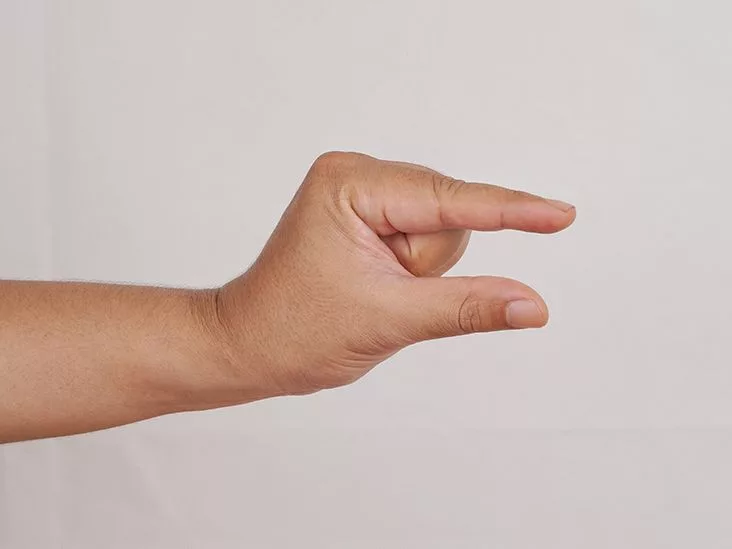
The finger‑tapping test is a simple clinical maneuver that examines bradykinesia—the hallmark slowness of movement in Parkinson’s. By asking a person to tap the thumb and index finger together as quickly and as widely as possible, a doctor can watch four key features:
- Speed (how many taps per second)
- Amplitude (how far the finger moves)
- Rhythm (how regular the taps are)
- Fatigue (whether performance drops over a few seconds)
All of these clues help map the subtle motor‑symptom landscape that standard tremor tests might miss.
Historical & Scientific Background
The test has been a staple of the Unified Parkinson’s Disease Rating Scale (UPDRS) for decades, providing a quick window into basal‑ganglia function. According to Healthline , even a tiny reduction in tapping speed can signal disease progression before visible shaking appears.
Quick‑Look Comparison Table
| Feature | Traditional Clinician Observation | Smartphone‑Sensor Version |
|---|---|---|
| Objectivity | Subjective visual rating | Millisecond‑level timestamps |
| Setting | In‑office only | Home‑monitoring possible |
| Cost | Minimal (pen & paper) | Low‑to‑moderate (app/device) |
How It Evaluates Symptoms
Speed & Frequency
Healthy adults typically tap 7‑9 times per second. In early Parkinson’s you might see numbers dip to 4‑5 taps/sec, and the decline can become steeper as the disease advances.
Amplitude & “Height” of Taps
Amplitude is measured in millimetres or, more simply, by how far the thumb and index finger separate. A research article in the Movement Disorders Clinical Practice journal describes a “TAP score” that combines speed and height to give a single number clinicians can track over time.
Rhythm & Variability
When the taps become uneven—some fast, some slow—the rhythm coefficient of variation rises. A study published in BMJ Neurology found that Parkinson’s patients with cognitive impairment (PD‑CI) show significantly less rhythmic tapping than those with normal cognition (PD‑NC)【BMJ Neurology Below is a simple template you can print out. Record taps for each hand, note any pauses, and calculate a basic score (taps ÷ seconds). Over weeks, the trend speaks louder than any single number. 1. Non‑invasive & fast—under 30 seconds. While the test is safe, it isn’t a stand‑alone diagnosis. Results can vary if a patient is distracted, fatigued, or doesn’t understand the instructions. Without digital assistance, two clinicians might rate the same performance differently—a classic case of inter‑rater variability. “Finger‑tapping provides a window into basal‑ganglia function that we can watch over time,” says Dr. Marina Picillo, movement‑disorder specialist at Toronto Western Hospital.Sample Scoring Sheet (PDF placeholder)
Benefits vs Risks
Benefits (Why Clinicians Love It)
2. Quantifiable—gives numbers you can chart.
3. Early detection—tiny changes often appear before tremor intensifies.
4. Medication monitoring—helps pinpoint “on/off” periods after levodopa.Risks & Limitations (A Balanced View)
Expert Quote
Digital & AI Tools
Smartphone & Tablet Apps
Frequently Asked Questions
The patient taps the thumb and index finger together as quickly and as widely as possible for a set period (usually 10‑15 seconds) while a clinician counts the taps or records them with a device.
A slower tap rate can signal worsening bradykinesia, early disease progression, or the need to adjust medication, even before tremor becomes noticeable.
Yes—many apps use the phone’s camera or built‑in sensors to capture tap timing, amplitude, and rhythm, providing results that can be shared securely with a neurologist.
Clinicians typically test at every routine visit, but for home monitoring a consistent weekly session (same time of day and posture) helps track trends reliably.
The test is safe and non‑invasive, but results can be affected by distraction, fatigue, or inconsistent technique, and it should be used alongside other assessments.
Read Next

Biktarvy and Cost: What You Need to Know

Derma Roller for Hair Growth: Here’s What You Need to Know

Tomatoes 101: Nutrition Facts and Health Benefits

Is Shaving Against the Grain the Secret to Your Smoothest Shave Ever?

How to Check for Yeast Infections: The 4 Best At-Home Vaginal pH Tests

7 Methods to Dry Up Breast Milk and When to Contact a Doctor
Related Posts
Side Effects of Brixadi: What You Need to Know
Aug 28, 2026 • 3 min readSide Effects of Eligard: What You Need to Know
Aug 14, 2026 • 17 min read
Hello Wisp Review: Birth Control, UTIs, STIs, and More
Sep 29, 2026 • 12 min read
What Is Colloidal Silver, and Is It Safe?
Sep 10, 2026 • 4 min read
Yoga for Endometriosis: Try These Stretches to Relieve Pain
Sep 18, 2026 • 11 min read