Food Coming Out Whole in Stool: When It's Normal and When to Worry

You finish a meal, use the bathroom later, and there it is in the bowl: a piece of corn that looks exactly like it did on your plate. Or a tomato skin, or a seed, or a chunk of carrot that seems to have skipped digestion entirely. It is a strange sight, and the first thought most people have is that something is wrong with their gut. In most cases, nothing is. Food coming out whole in stool is common, it has a simple explanation, and it usually means your digestive system is doing its job the way it was built to do it.
The short version is this: some parts of plant foods are made of cellulose and other fibers that the human body cannot break down, because we do not make the enzymes that digest them. The nutrients inside those foods still get absorbed. What you see in the toilet is mostly the empty shell. That said, there are times when undigested food does point to a real problem, especially when it shows up with diarrhea, weight loss, or greasy stools that keep coming back. This guide explains which foods show up whole and why, what speeds food through too fast, and the warning signs that mean it is time to call a doctor.
Why some foods come out looking whole
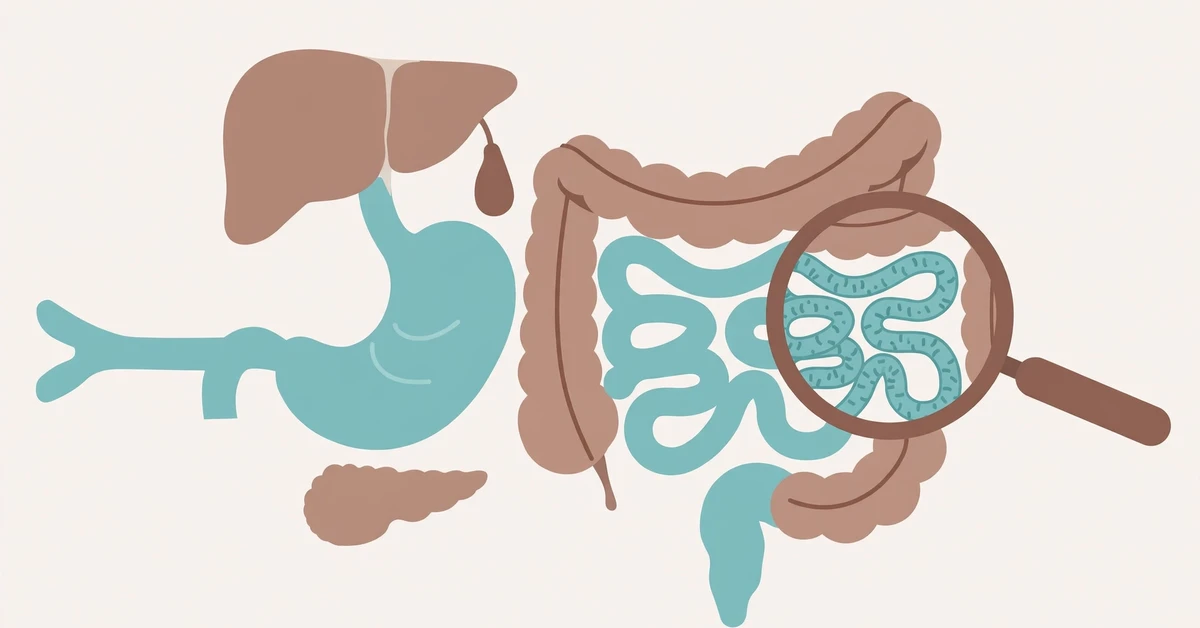
Digestion is a team effort between chewing, stomach acid, and enzymes from the pancreas and small intestine. That team can break down nearly everything you eat, with one big exception: fiber. Fiber is the part of plant food that passes through the small intestine mostly intact. It is not a failure of digestion. It is the design. Fiber adds bulk to stool, helps it move along, and feeds the bacteria in the colon, which ferment some of it into useful compounds.
The foods most likely to show up recognizable in stool are the ones with tough outer layers. Healthline and Medical News Today both list the same usual suspects: corn, beans, peas, seeds such as sunflower, flax, and sesame, grains like quinoa, skins of vegetables such as bell peppers and tomatoes, leafy greens, carrots, raisins, and nuts. None of these are a sign that you are missing out on nutrition. Your body takes what it can use from the inside of the food and lets the indigestible casing pass on through.
Corn is the classic example, and the reason is simple. A corn kernel is a seed wrapped in a hull made of cellulose, a fiber humans cannot digest because we lack the enzyme cellulase. The Cleveland Clinic explains that the inside of the kernel does break down in the stomach and intestines, so you still absorb its nutrients, while the hull survives the trip and comes out looking like a whole kernel. If you chew corn well, you break more hulls open and see fewer of them later. If you eat fast and barely chew, more hulls survive.

Eating too fast and chewing too little
Chewing is the first step of digestion, and it is the step most people rush. When you swallow large pieces of food, your stomach acid and enzymes have less surface area to work on, and bigger pieces survive further down the tract. Medical News Today notes that eating too quickly is one of the most common harmless causes of undigested food in stool. Slowing down and chewing each bite well is a small change that often makes the problem disappear within a day or two.
How food is cooked matters too. Raw or lightly cooked vegetables keep their tough cell walls intact, while steaming or roasting softens them and makes them easier to break down. If you notice a lot of vegetable skins in your stool after a big salad, try the same vegetables cooked for a few days and see if it changes. It usually does.
When food moves through too fast
Even well-chewed food can come out under-digested if it rushes through the gut. Food normally takes about one to three days to travel from mouth to toilet. When transit speeds up, as it does with diarrhea, there is less time for enzymes to work and less time for the colon to absorb water, so stool comes out loose and food pieces stay visible. The Cleveland Clinic points out that with diarrhea, food moves too quickly through the bowels for nutrients to be absorbed properly.
A short stomach bug or a bout of food poisoning is the most common cause of fast transit, and it settles on its own within a few days. The picture changes when diarrhea keeps going. The NHS advises calling for medical advice if diarrhea lasts more than 7 days in adults. Lasting diarrhea with visible undigested food can be a sign of a condition that speeds up the gut or damages its lining, such as Crohn’s disease or ulcerative colitis, the two main forms of inflammatory bowel disease.
When the problem is absorption, not speed
Sometimes food comes out whole not because it moved too fast, but because the body could not absorb it in the first place. Doctors call this malabsorption, and it has a different pattern: stools that are pale, greasy, foul-smelling, or hard to flush, plus bloating, cramps, and weight loss that you did not plan. Over time, poor absorption can lead to low iron, low vitamin D, and other deficiencies.
Several conditions can cause it. In celiac disease, gluten damages the lining of the small intestine, so nutrients slip past unabsorbed; the fix is a strict gluten-free diet, and the gut lining often heals once gluten is gone. In exocrine pancreatic insufficiency (EPI), the pancreas does not make enough digestive enzymes, so food passes through in a more complete, undigested state — doctors can check for this with a stool test for fecal elastase-1, and treatment is enzyme replacement taken with meals. Chronic pancreatitis, cystic fibrosis, and surgery that removes part of the stomach or bowel can have the same effect. Bile acid problems and small intestinal bacterial overgrowth are other causes a doctor may look into.
The key difference from the harmless kind is the pattern. A few corn hulls after taco night, with normal stools and no other symptoms, is ordinary. Large amounts of undigested food at nearly every meal, week after week, with diarrhea or weight loss, is not.

Foods that most often appear undigested
| Food | Why it survives | Usually normal? |
|---|---|---|
| Corn | Cellulose hull resists digestion | Yes |
| Beans and peas | Tough skins, high fiber | Yes |
| Seeds (sunflower, flax, sesame) | Hard shells, small size, easy to swallow whole | Yes |
| Tomato and pepper skins | Cellulose-rich skin peels off in sheets | Yes |
| Leafy greens and raw carrots | Fibrous cell walls, often under-chewed | Yes |
| Nuts | Hard texture, often swallowed in chunks | Yes |
| Whole meals, repeatedly | Fast transit or poor absorption | No — see a doctor |
One food deserves a special note: if you regularly see whole pieces of meat, bread, or rice — foods with no tough fiber shell — that is different from seeing corn hulls. Those foods should break down fully, so their repeated appearance points more toward fast transit or low stomach acid and enzyme output, and it is worth mentioning to your doctor.
What to do about it
If you are otherwise well and your stools are normal apart from a few recognizable bits, the fix is simple and does not involve cutting out healthy food. Chew slowly and put your fork down between bites. Cook vegetables until they are soft instead of eating everything raw. Drink enough water, since fiber without fluid can make stools harder and transit slower in an unhelpful way. Keep a short note for a week or two: what you ate, what showed up, and how your stools looked. Patterns become obvious fast, and that note is exactly what a doctor wants to see if you do end up booking an appointment.
Do not stop eating high-fiber foods because of this. Fiber is one of the best things in your diet: the Dietary Guidelines for Americans recommend 25 to 38 grams a day, and most adults eat only about half that. The bits you see are proof the fiber is doing its job, adding bulk and keeping things moving. Cutting fiber out to make your stool look “cleaner” trades a harmless sight for constipation and a worse diet.
Probiotics and digestive enzyme supplements are sold for this, but the evidence is thin. A healthy gut makes its own enzymes, and most people with occasional undigested food do not need a pill. If you have had gut surgery, pancreatic disease, or a diagnosed absorption problem, enzymes may be prescribed — that is a medical decision, not a supplement-aisle one.
Is It Normal? Quick Checker
Tick any boxes that apply to you, then check the result.
When to see a doctor
Book an appointment if undigested food shows up with any of these: a change in bowel habits that lasts more than two weeks, diarrhea that will not settle, unexplained weight loss, greasy or pale stools, ongoing belly pain, fever, or feeling weak and tired for no clear reason. Your doctor may start with blood tests, a stool test, and a check for celiac disease, and may refer you to a gastroenterologist if needed. Bring your food-and-stool notes; they turn a vague worry into something a doctor can work with.
Get care the same day if you see blood in your stool, pass black tarry stools, have severe or worsening belly pain, vomit repeatedly, faint, or show signs of dehydration such as dark urine, very little urine, dizziness when standing, or a dry mouth. Those signs are not about undigested food. They are about something that needs attention now.
The bottom line
Food coming out whole in stool is usually just fiber doing what fiber does. Corn hulls, seeds, skins, and leafy bits survive because the human gut cannot digest cellulose, and the nutrients inside those foods still get absorbed along the way. Chewing well and cooking vegetables until soft cuts down on how much you see. The picture changes when whole food shows up at nearly every meal, or when it comes with lasting diarrhea, greasy stools, or weight loss — those patterns point to fast transit or poor absorption, and they deserve a doctor’s visit. Keep an eye on the pattern, not on a single trip to the bathroom, and do not give up high-fiber foods over something your body is handling exactly as designed.
This article is for general information only and is not a substitute for professional medical advice. If you have symptoms that worry you, contact your doctor.
Frequently Asked Questions
Yes, in most cases. High-fiber foods such as corn, beans, seeds, and vegetable skins contain cellulose, which the human body cannot break down. The nutrients inside are still absorbed, and only the tough outer layer passes through looking whole.
A corn kernel is wrapped in a hull made of cellulose, a fiber humans cannot digest because we lack the enzyme cellulase. The inside of the kernel breaks down and its nutrients are absorbed, while the empty hull survives the trip and looks like a whole kernel in the stool.
Corn, beans, peas, seeds such as sunflower and sesame, grains like quinoa, tomato and bell pepper skins, leafy greens, raw carrots, raisins, and nuts. These all have tough outer layers or high fiber content that resists digestion.
See a doctor if undigested food appears at almost every meal, or comes with diarrhea lasting more than a week, unexplained weight loss, pale or greasy stools, ongoing belly pain, or fever. These patterns can point to conditions such as Crohn’s disease, celiac disease, or pancreatic insufficiency.
Not usually. Seeing a few corn hulls or seeds does not mean you missed the nutrients — the inside of those foods is digested and absorbed. Poor absorption is more likely when whole food appears constantly along with greasy stools, diarrhea, and weight loss.
Chew food slowly and thoroughly, cook vegetables until soft, and eat at a relaxed pace. Drinking enough water also helps fiber do its job. Do not cut out high-fiber foods — the bits you see are a sign the fiber is working, not a reason to avoid it.


Related Posts
IBS Flare Up Symptoms: What They Feel Like and What Helps
Nov 27, 2026 • 12 min read
GERD ICD-10 Codes: K21.9, K21.00, and K21.01 — and How to Choose the Right One
Nov 12, 2026 • 11 min read
How Long Can Someone Go Without Food?
Nov 24, 2026 • 13 min read
Right Hemicolectomy Recovery: Week-by-Week Timeline and What to Eat After Surgery
Nov 13, 2026 • 13 min read
List of Carbonated Foods and Drinks (With Sugar and Acid Levels)
Nov 24, 2026 • 12 min read