
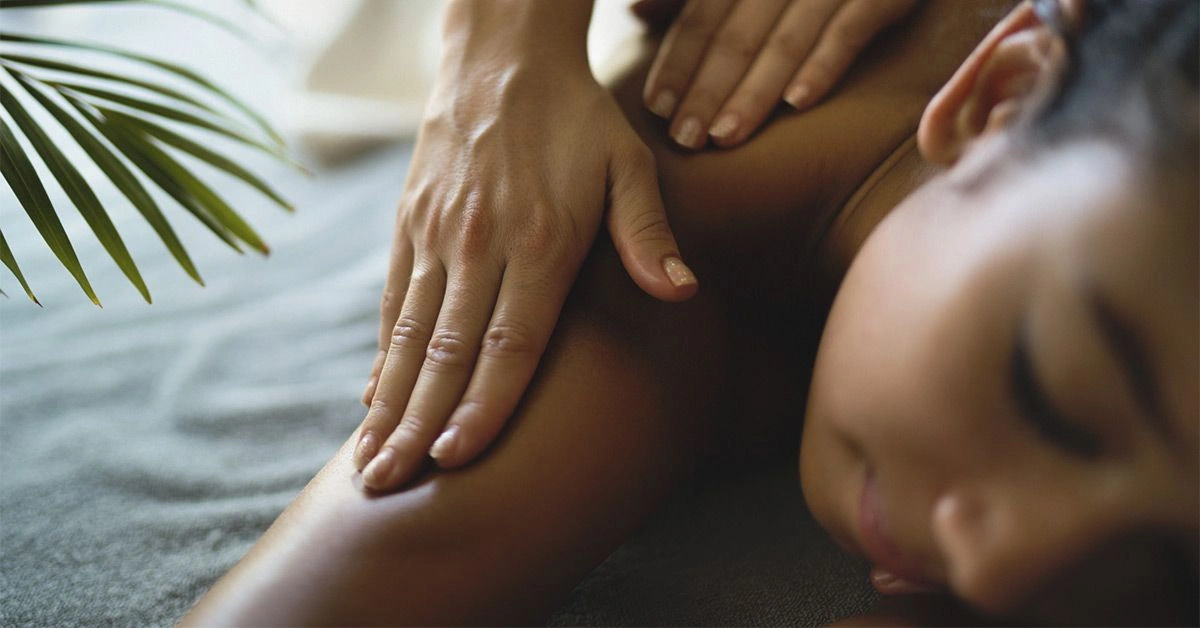
Tuina massage is a traditional manual therapy that traces its roots to ancient China. Providers assert it can improve circulation, ease muscle and joint discomfort, and lower stress levels.
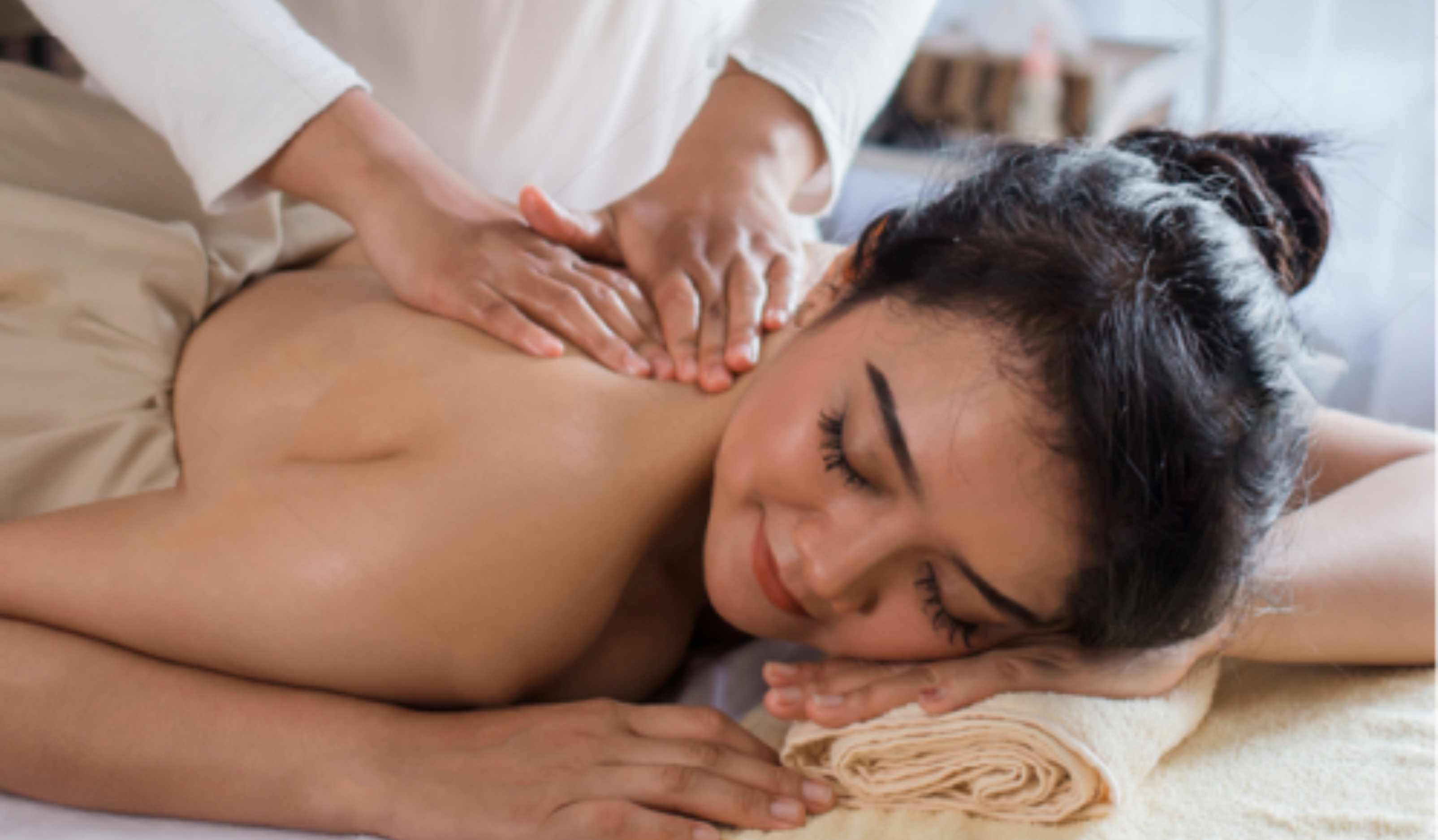
Also written as Tui Na (pronounced twee-nah), Tuina developed in China and, alongside acupuncture, qigong, and herbal medicine, represents one of the four primary branches of traditional Chinese medicine.
Its foundation rests on the belief that disruptions or imbalances in qi — the body’s vital life energy — can create blockages that lead to symptoms like pain and illness.
Tuina resembles acupuncture in that it focuses on particular acupoints, but therapists use fingers and hands instead of needles to apply pressure and stimulate these points. It’s commonly combined with acupuncture in practice.
How it works
The principles of Tuina are grounded in traditional Chinese medicine, which considers both emotional and physical aspects of health, along with external factors such as climate, interpersonal relationships, and diet.
Central to Tuina is the notion that genuine health comes from achieving balance and harmony within oneself and with one’s surroundings.
Tuina aims to restore equilibrium between yin and yang by removing obstructions and disturbances that present as illness, disease, or emotional imbalances.
Technique
In a session, therapists apply rhythmic and pressure-based methods that vary in intensity and tempo. Tuina can be performed as a vigorous, deep-tissue treatment or as a gentler, more energetic therapy.
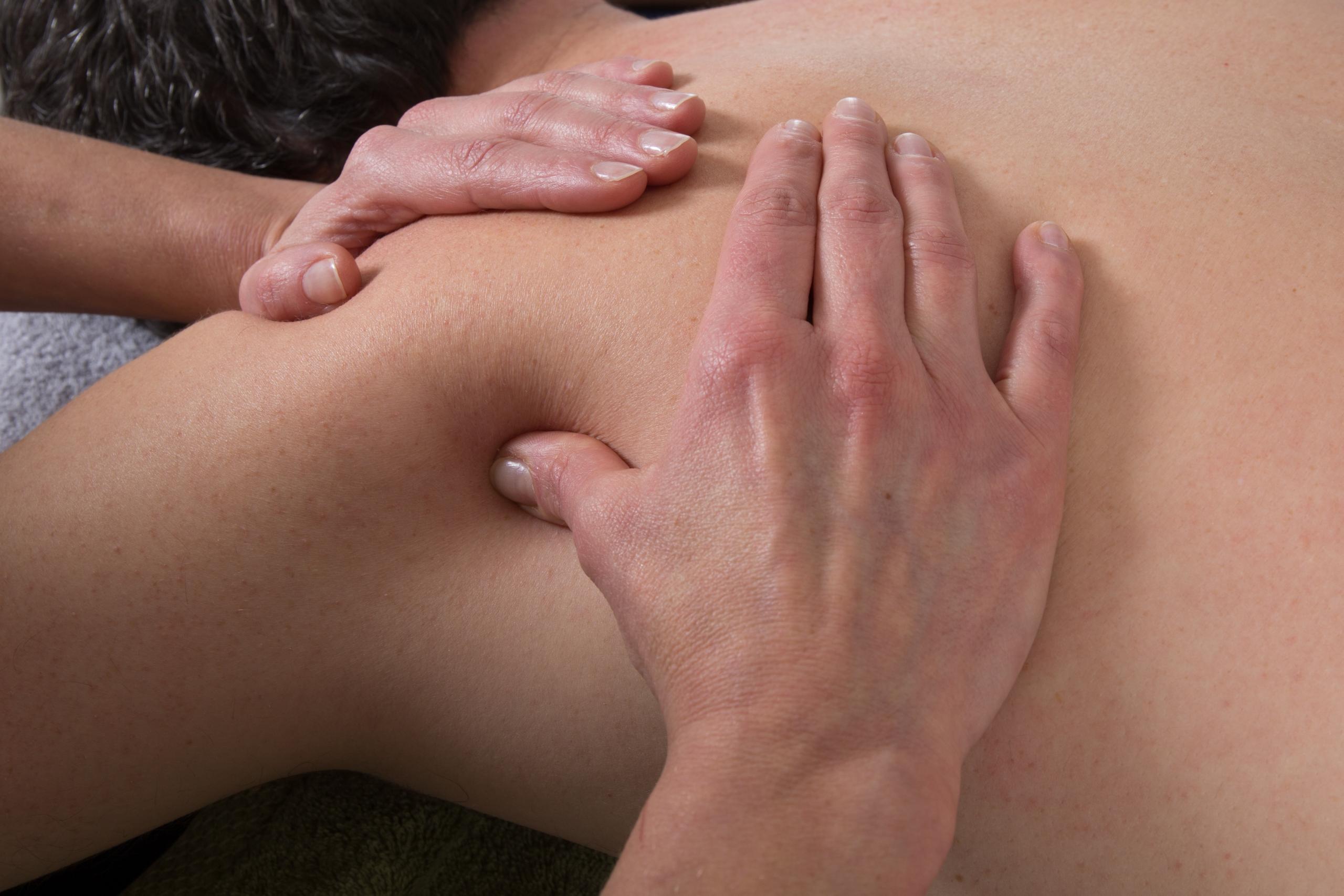
It incorporates techniques such as acupressure, myofascial release, and reflexology. Practitioners may also use approaches common in osteopathy and chiropractic care, such as stretching and joint mobilization.
There are eight core maneuvers in Tuina:
- palpating (mo)
- rejoining (jie)
- opposing (duan)
- lifting (ti)
- pressing (an)
- kneading (mo)
- pushing (tui)
- holding (na)
Additional methods include:
- Rolling: Employed for sprains and strains.
- One-finger technique: Single-finger stimulation of acupressure points.
- Nei gung: A whole-body manipulation approach.
What it’s said to treat
Proponents state that Tuina can address a range of pains and ailments and support overall wellness. It’s frequently used for problems associated with the musculoskeletal and nervous systems.
Because Tuina is considered an alternative therapy, consult your healthcare provider before using it to manage any medical condition.
Advocates suggest Tuina can help with:
- neck and back pain
- musculoskeletal disorders
- premenstrual syndrome
- fatigue and insomnia
- carpal tunnel
- headaches
- arthritis
- osteoporosis
- stress
- digestive problems
- respiratory issues
Benefits
Tuina is reported to offer many benefits, from enhanced blood flow to relief of joint pain. Nonetheless, much of the evidence is anecdotal or comes from small, lower-quality studies, and additional research is required to fully evaluate Tuina’s effectiveness.
Even though rigorous scientific support is limited, some people still experience beneficial effects from Tuina.
Improves blood circulation
A primary aim of Tuina is to enhance circulation by promoting the body’s energy flow. A small 2015 study found that yi zhi chan Tuina manipulation at the BL 56 acupoint was effective at improving circulation.
Larger trials are necessary to validate and expand on these results.
Reduces neck pain
Tuina may ease neck pain along with associated tension and soreness. A 2018 study determined Tuina to be a cost-effective option for chronic neck pain, finding that six Tuina sessions over three weeks reduced pain more than receiving no treatment.
Alleviates low back pain
Tuina may help lower back pain, particularly when paired with core-strengthening exercises. A 2016 study reported greater effectiveness when Tuina was combined with core stability exercises for people with low back pain.
May aid depression
A 2015 review suggested Tuina has therapeutic effects for depression. A small 2022 study also indicated regular Tuina might improve depressive symptoms in post-stroke patients.
However, more robust, high-quality research is required to confirm and build on these observations.
Supports lactation
Practitioners sometimes recommend Tuina to promote postpartum milk production.
An earlier 2012 study showed that breast Tuina increased the amount of lactation compared with women who received only standard care.
Although the groups didn’t differ significantly in terms of slowing prolactin decline, researchers suggested Tuina could help new mothers produce larger milk volumes more quickly.
Helps manage osteoarthritis
Tuina’s therapeutic effects may assist in managing osteoarthritis symptoms.
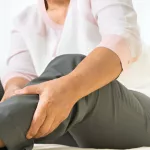
A small 2011 study found improvements in flexor and extensor muscle tension in people with knee osteoarthritis following treatments that used gun, an, na, and ca methods. Patients received therapy three times weekly for nine months.
May relieve carpal tunnel syndrome
A small 2010 study suggested Tuina could help alleviate carpal tunnel symptoms.
Participants who received warm-needling acupuncture in addition to Tuina showed greater improvements than those treated with hormone-block therapy and medications.
Addresses musculoskeletal disorders
People report that Tuina can improve function and reduce pain affecting muscles, bones, and joints.
A 2017 review and meta-analysis indicated Tuina may be effective for pain relief, particularly when compared with traction, drugs, and some physical therapies.
Evidence for improved function was less convincing than for pain reduction; further studies are needed.
Benefits diabetic foot issues
Tuina may help people with diabetes who experience foot problems. A 2018 study found that Tuina combined with a Chinese herbal foot bath was beneficial for individuals with early-stage diabetic foot.
Side effects
Tuina is generally safe and well-tolerated. Keep in mind it isn’t typically a gentle, purely relaxing massage — you may feel discomfort during or after a session, and mild bruising can occur.
It’s not advised for people with fractures or who are fracture-prone, those with inflamed veins, or open wounds. It’s also not recommended for certain chronic back conditions like ankylosing spondylitis.
When to consult a doctor
If you have any medical concerns, speak with your physician before adding Tuina to your care plan. Your doctor may suggest using Tuina alongside conventional treatments or recommend other complementary therapies to use in combination.
Contact your healthcare provider if you experience any adverse effects or notice changes in your condition following Tuina therapy.
The bottom line
Tuina is a complementary manual therapy that practitioners say may boost circulation and ease muscular and joint pain.
However, high-quality evidence is limited. Consult a doctor before beginning any form of complementary treatment.












Leave a Reply
You must be logged in to post a comment.