
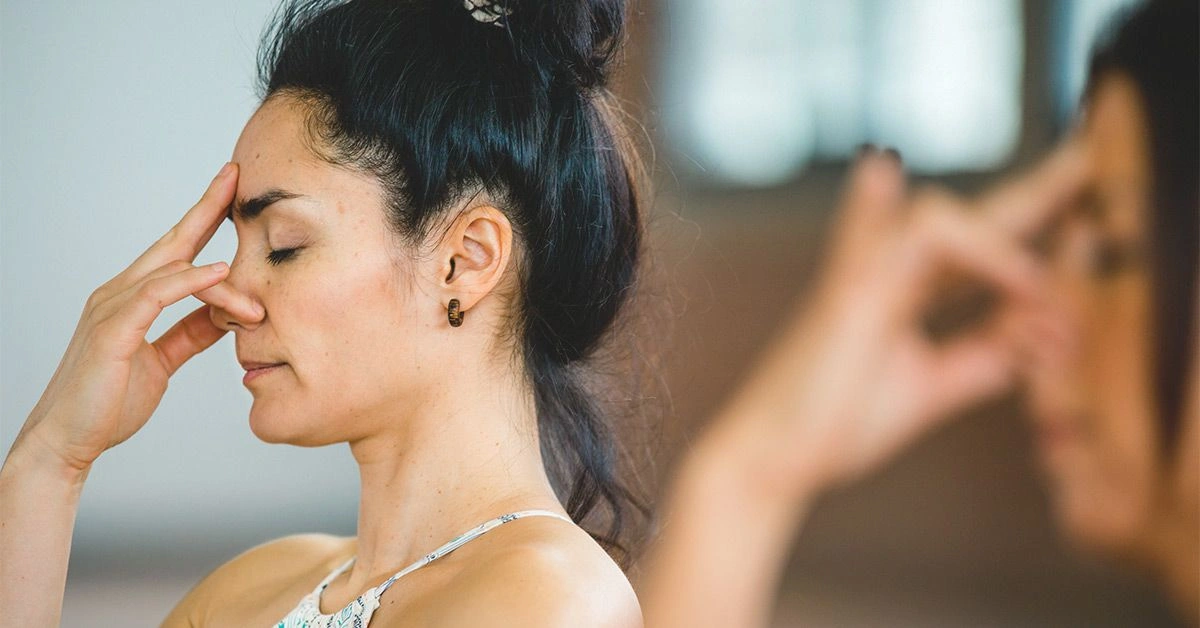
Box breathing is a structured deep breathing method that may help reduce blood pressure and support pain or COPD management. It is widely recognized as an effective stress-reduction strategy and can also assist in managing anxiety symptoms.
Also referred to as square breathing or four-square breathing, this technique centers on slow, controlled inhalations and exhalations. By following a steady rhythm, individuals can regain control over their breathing patterns and promote relaxation.
While nearly anyone can practice this technique, it may be especially beneficial for individuals living with lung conditions that make breathing more challenging. Learning structured breathing exercises—similar to the guided access you might find through a Patient login Alma portal for healthcare tools—can empower people to take an active role in managing their physical and emotional well-being.

How to box breathe
Begin by sitting upright in a comfortable chair with both feet flat on the floor. Choose a calm, quiet setting whenever possible so you can concentrate fully on your breathing pattern.
Rest your hands loosely in your lap with your palms facing upward, and pay attention to maintaining good posture. Sitting tall with a straight spine allows your lungs to expand more fully, making deep breathing easier and more effective.
Once you feel settled and ready, proceed with step 1.
Step 1: Slowly exhale
While seated upright, gently exhale through your mouth, releasing all the oxygen from your lungs. Be mindful of this action and focus on completely emptying your lungs.

Step 2: Slowly inhale
Inhale slowly and deeply through your nose to a steady count of 4. Count gradually in your head to ensure your breath remains slow and controlled.
Notice the sensation of air filling your lungs section by section until they are completely full and the breath gently expands into your abdomen. This diaphragmatic breathing pattern supports optimal lung expansion.
Step 3: Hold your breath
Pause and hold your breath for another slow count of 4. This brief retention allows your body to adjust to the airflow and enhances the calming effect.
Step 4: Exhale again
Release the air through your mouth for the same slow count of 4, steadily emptying both your lungs and abdomen.
Stay aware of the feeling of the air leaving your body, maintaining a smooth and even pace.
Step 5: Hold your breath again
Hold your breath once more for a slow count of 4 before beginning the cycle again.
Benefits of box breathing
Deliberate deep breathing techniques such as box breathing may help soothe and regulate your autonomic nervous system (ANS), according to the University of Arizona Andrew Weil Center for Integrative Medicine.
Your ANS controls involuntary body processes, including temperature regulation. It can also:
- lower blood pressure
- create a sense of calm
- reduce stress
- help manage anxiety, depression, post-traumatic stress disorder (PTSD), and insomnia
- support pain management
According to the American Heart Association, holding your breath slowly allows carbon dioxide (CO2) to temporarily accumulate in your bloodstream. This process can slow your heart rate and activate your parasympathetic nervous system, leading to a relaxed and steady mental state.
A small 2023 study also suggests that box breathing may enhance mood. This makes it a valuable supportive technique for conditions such as:
- anxiety
- panic disorder
- PTSD
Individuals with chronic obstructive pulmonary disease (COPD) may find box breathing particularly supportive as part of a broader respiratory care plan. In fact, a 2024 study evaluating the impact of box breathing on breathing frequency and oxygen saturation in people with COPD reported it was 99.2% effective in improving breathing frequency. However, the technique did not change oxygen saturation levels.
When combined with guidance from healthcare professionals—sometimes coordinated through digital systems like the Alma provider portal or accessed securely via a Patient login Alma account—breathing exercises can become part of a comprehensive self-care or pulmonary rehabilitation strategy.
Box breathing tips for beginners
Box breathing is generally considered safe for most people. However, consult your doctor before starting if you:
- have a heart condition
- have a severe health condition
- are pregnant
If you begin to feel breathless or dizzy, stop the exercise immediately and return to your normal breathing pattern. Seek medical attention right away if symptoms such as breathlessness or dizziness persist after stopping.
To make it easier to concentrate, practice in a quiet, softly lit room when possible. Although this isn’t required, minimizing distractions can be helpful for beginners learning to regulate their breath effectively.
For best results, aim to complete four full box breathing cycles during one session. Practicing several times per day—or whenever you feel overwhelmed—may help steady your nerves, ease stress, and improve emotional balance. Some individuals who use digital wellness platforms, including secure access similar to an Alma student login password system, find that pairing guided instruction with daily practice improves consistency and results.
Over time, consistent practice may enhance breath control, strengthen your awareness of stress triggers, and support long-term cardiovascular and respiratory health.
Takeaway
Box breathing, also known as square breathing, is a straightforward yet powerful deep breathing technique that may promote relaxation, reduce stress and blood pressure, and elevate mood.
Its name comes from the four equal steps that create a box-like rhythm: inhale, hold, exhale, and hold.
Although box breathing is typically safe, speak with your doctor before beginning if you have a heart condition, a severe medical issue, or are pregnant. With regular practice, this simple technique can become a practical tool for managing stress, supporting COPD management, and improving overall well-being.



















Leave a Reply
You must be logged in to post a comment.