
5 Ways to Reduce Stress-Related Tension in Your Neck and Shoulders

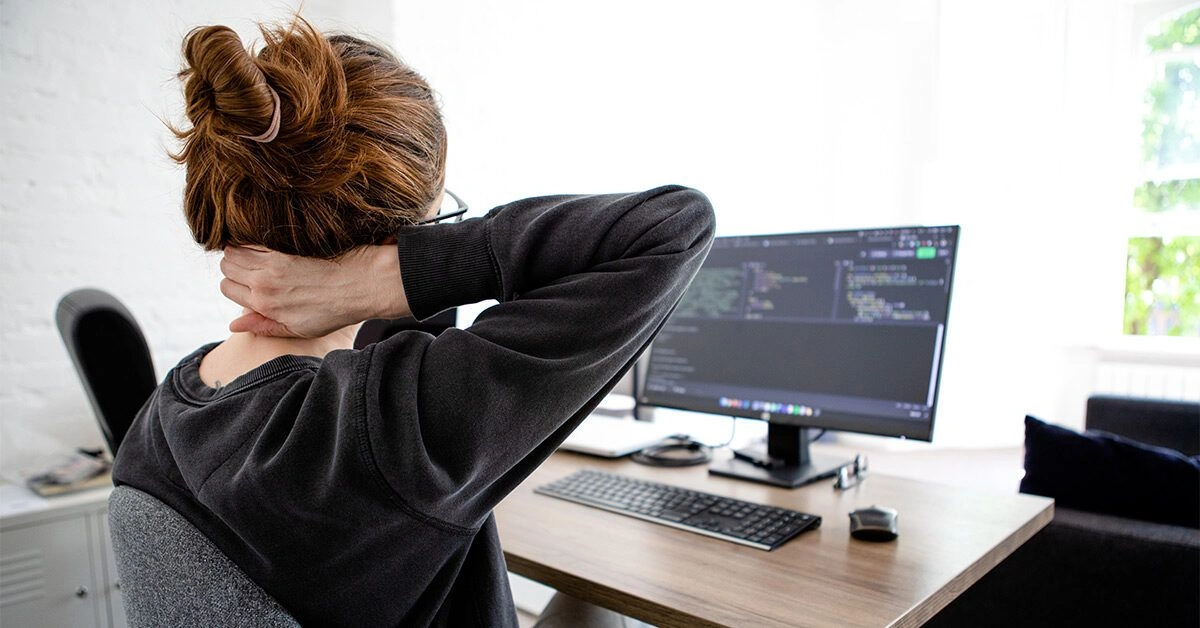
Tension from stress or anxiety commonly causes persistent discomfort in the neck and shoulders. A handful of neck stretches, yoga positions, and stress-management practices can help ease this tightness.
When you undergo a stressful situation or periods of anxiety, your muscles may tense up, sometimes quite strongly.
This reaction is an automatic, reflexive process often called the “fight-or-flight response .” It’s one of the body’s methods for preparing to confront or flee a perceived physical danger.
Although this stress reaction evolved to handle physical threats, it activates in similar ways when the danger isn’t physical. For example, your muscles can tighten when you’re stuck in traffic, under pressure at work, or consuming upsetting news.
The American Psychological Association (APA) notes that muscles and other organs typically only relax once the perceived threat has passed. That means chronic stress can keep your muscles in a prolonged state of tension.
Over time, ongoing tightness in the neck and shoulders can contribute to more significant problems such as upper-back and shoulder pain, whole-body aches, migraines, and tension headaches.
Below are five stretches and poses you can perform each day to reduce tightness and tension in your neck and shoulders.
1. Neck stretch

The neck stretch is a deep, targeted stretch that helps release tension in the neck and can improve mobility.
- Stand upright with your left arm relaxed by your side.
- Rest your right hand on your head with fingers pointing toward the left side.
- Gently pull your head toward the right until you feel a stretch along the left side of your neck.
- Hold for 20 to 30 seconds, then return to center.
- Repeat on the opposite side.
- Perform 2 to 3 repetitions per side.
2. Neck release

The neck release is a mild movement that loosens tension across both the shoulders and neck.
- Stand tall with both arms hanging at your sides.
- Drop your head forward, bringing the chin toward the chest.
- Slowly tilt your head to the right and hold for 30 seconds; you should sense a stretch on the left side of the neck.
- Return your head to center and raise it back to the starting position.
- Repeat, then switch to the other side.
- Do 3 to 5 repetitions per side.
3. Child’s Pose

Child’s Pose (Balasana) is a classic yoga posture that can help ease neck discomfort. It’s also a gentle stretch that may support blood-pressure management by reducing stress, balancing hormones, and promoting better sleep.
- Begin on hands and knees with palms flat, wrists beneath shoulders, and knees under hips. Sit back on your heels.
- On an exhale, lengthen the spine and walk your hands forward, hinging at the hips.
- Fold forward with arms extended in front of you.
- Hold for 60 to 90 seconds, focusing on breath as you relax the neck and shoulders.
- Return to the starting position and repeat.
- Perform 2 to 3 cycles.
4. Cat-Cow Pose

Cat-Cow (Chakravakasana) is a flowing yoga sequence that stretches the back, torso, and neck to release tightness and reduce discomfort, which can enhance daily function.
- Start on hands and knees with palms flat, wrists beneath shoulders, and knees under hips.
- Inhale into Cow Pose: drop your belly toward the mat, lift your chin and chest, and gaze up toward the ceiling. Open the chest and shoulders and pause briefly.
- Exhale into Cat Pose: draw your belly toward your spine and round your back toward the ceiling, looking down at the mat. Pause briefly.
- Continue alternating between Cow on the inhale and Cat on the exhale.
- Repeat the cycle 10 to 12 times.
5. Thread the needle

Thread the needle is a rotational stretch that helps free tension in the upper back, neck, and shoulders.
- Position yourself on hands and knees with palms flat, wrists under shoulders, and knees under hips.
- Slide your right hand (palm facing up) across the floor to the left. Your torso will rotate, and your right shoulder may contact the floor while you look toward the left. Use your left hand for support.
- Hold for 20 to 30 seconds, then return to the start.
- Repeat on the other side.
- Perform 2 to 3 repetitions per side.
Other ways to ease neck and shoulder tightness
Yoga is an effective practice for releasing stress-related tightness in the neck and shoulders. Some studies indicate it can be an affordable approach to reduce pain and improve function for people with neck discomfort.
Additional approaches you might try to alleviate or prevent neck tension include:
- applying a warm pack to the tight area
- self-massaging the spot for a few minutes each hour
- taking a warm bath or visiting a sauna
- setting up your workstation so your monitor is at eye level
- considering acupuncture
- practicing proper posture by aligning hips, shoulders, and ears
- using soft-tissue methods such as foam rolling
- taking over-the-counter analgesics or nonsteroidal anti-inflammatory drugs (NSAIDs)
- choosing a pillow that supports the neck and maintains head-neck alignment
If self-care measures don’t ease neck and shoulder pain, consult a healthcare provider. They can assess your symptoms and recommend a tailored treatment plan that may include physical therapy, medications, or other medical interventions.
Tips for reducing stress and anxiety
Just as your body automatically reacts to stress, it also has mechanisms to help calm you down — called the relaxation response.
The APA explains that relaxation practices can help release muscle tightness that contributes to neck and shoulder pain by returning bodily systems to a calmer state.
Stress-reducing activities worth trying include:
- moving regularly throughout the day and getting routine exercise
- eating a balanced diet and including foods that may reduce stress
- taking brisk walks outdoors
- practicing breathing techniques like diaphragmatic (belly) breathing
- engaging in restorative yoga, meditation, and mindfulness
- trying progressive muscle relaxation
Remember that, like any new habit, these techniques require consistent practice. They may not produce immediate relief, but over time they can help restore a calmer, more restful state.
The takeaway
Tightness and soreness in the neck and shoulders are common effects of stress and anxiety, reflecting the body’s preparation for perceived threats — the “fight-or-flight” response.
Daily neck stretches, yoga poses, and relaxation methods can help reduce that tension.
If neck or shoulder pain is severe or doesn’t improve with stretching and self-care, seek advice from a healthcare professional who can create an appropriate treatment plan for you.
Frequently Asked Questions
Anxiety triggers the body’s stress response, causing muscles to tighten as part of the fight-or-flight reaction. When anxiety is frequent or prolonged, that muscle tension can become persistent, especially in the neck and shoulders.
Many people feel immediate, short-term relief after gentle stretches or poses like neck release, Child’s Pose, or thread-the-needle. Regular daily practice produces more lasting reduction in tightness over weeks.
Gentle, controlled movements such as seated or standing neck stretches, neck release, Cat–Cow, and Child’s Pose are typically safe when done slowly and without forcing range of motion. Stop if you feel sharp pain and consult a professional.
Yes. Regular exercise, good posture, ergonomic workspace setup, adequate sleep, breathing exercises, and relaxation practices like meditation or restorative yoga can reduce the frequency and severity of muscle tension.
See a provider if pain is severe, lasts despite self-care, is accompanied by numbness, weakness, or neurological symptoms, or interferes with daily activities. A clinician can evaluate and recommend targeted treatments.
Read Next





Related Posts

When and How Should You End a Relationship with a Person Diagnosed with Bipolar Disorder?
Sep 2, 2026 • 18 min read
Midlife Crisis or Midlife Myth? What to Know About Going ‘Over the Hill’
Sep 22, 2026 • 31 min read
What Should I Do About a Molar Broken Off at the Gum Line
Aug 8, 2026 • 32 min read
Side Effects of Eligard: What You Need to Know
Aug 14, 2026 • 5 min read
Why Is My Baby Banging Their Head?
Sep 7, 2026 • 23 min read