12 Spinal Decompression Exercises for All Skill Levels


- How to get the best results from your routine
- Low-intensity spinal decompression exercises
- Supine position
- Heel slides
- Cat–Cow
- Child’s Pose
- Moderate-intensity spinal decompression exercises
- Single knee-to-chest stretch
- Hamstring stretch
- Standing forward bend
- Downward Facing Dog
- High-intensity spinal decompression exercises
- Piriformis stretch
- Cobra Pose
- Fish Pose
- Camel Pose
- The bottom line
Spinal decompression movements can help correct posture, enhance stability, and fortify the muscles supporting your back.
These advantages may lower your risk of pain and injury while boosting functional ability in day-to-day tasks. You’ll likely become more mindful of your posture and motion patterns throughout the day as well.
To get the most from a spinal decompression program, consult with a medical professional or a certified fitness trainer to determine the most suitable movements for your situation. They can recommend adjustments and coach you on correct technique and alignment.
How to get the best results from your routine
Design your plan and decide how frequently and for how long you’ll perform the exercises. You might prefer several short sessions spread across the day. Begin gently and progressively raise the frequency, duration, and challenge.
Open each session with a 5–10 minute warm-up to increase circulation and elevate your heart rate. Include dynamic mobility drills and light aerobic activity like brisk walking or an easy jog.
While exercising, allow your body to relax and stay attentive to sensations. Emphasize slow, deep breaths. Perform each movement with deliberate, controlled motion and move smoothly between exercises. Rest about 30 seconds between efforts.
Use aids such as ice packs, heating pads, or cushions for positions that require sustained holds.
End with a cooldown to reduce stiffness and tension. Options include gentle stretching, foam rolling, and relaxation methods such as breathing drills, guided imagery, or progressive muscle relaxation. A short walk is also beneficial.
Low-intensity spinal decompression exercises
If you’re new to this work, recovering from an injury, or favor a milder session, begin with these gentle options.
These movements help you establish correct form and alignment. Gradually build strength, range of motion, and spinal stability before advancing to more demanding exercises.
Supine position
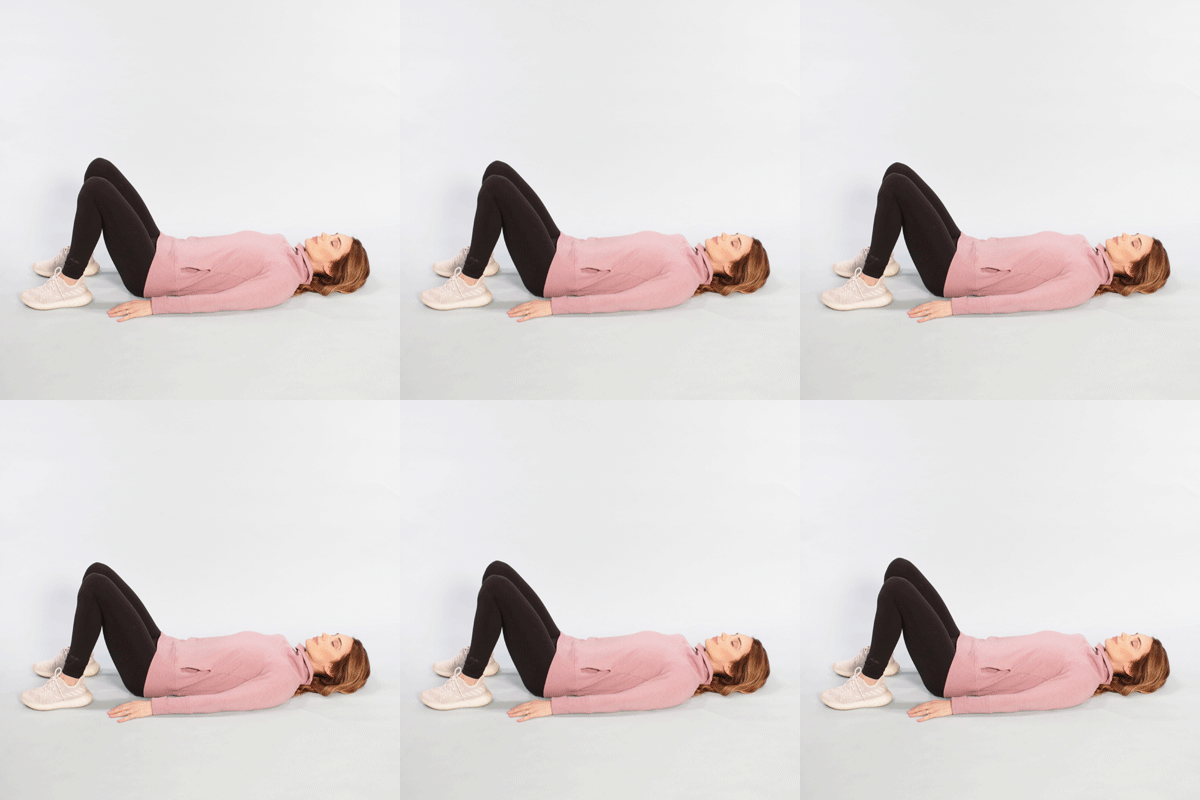
Lying supine encourages relaxation, spinal alignment, and diaphragmatic breathing. It can help ease tension and stress.
If you have lower back discomfort or stiffness, set your feet slightly wider than hip width and allow your knees to fall gently toward each other.
- Lie on your back with knees bent and feet pressing into the floor.
- On the inhale, extend your arms overhead, keeping them straight and resting them behind your head.
- Hold for five breaths.
- Concentrate on relaxing and lengthening the spine.
- Exhale as you bring your arms back to your sides.
- Remain in the posture for up to five minutes if comfortable.
Heel slides
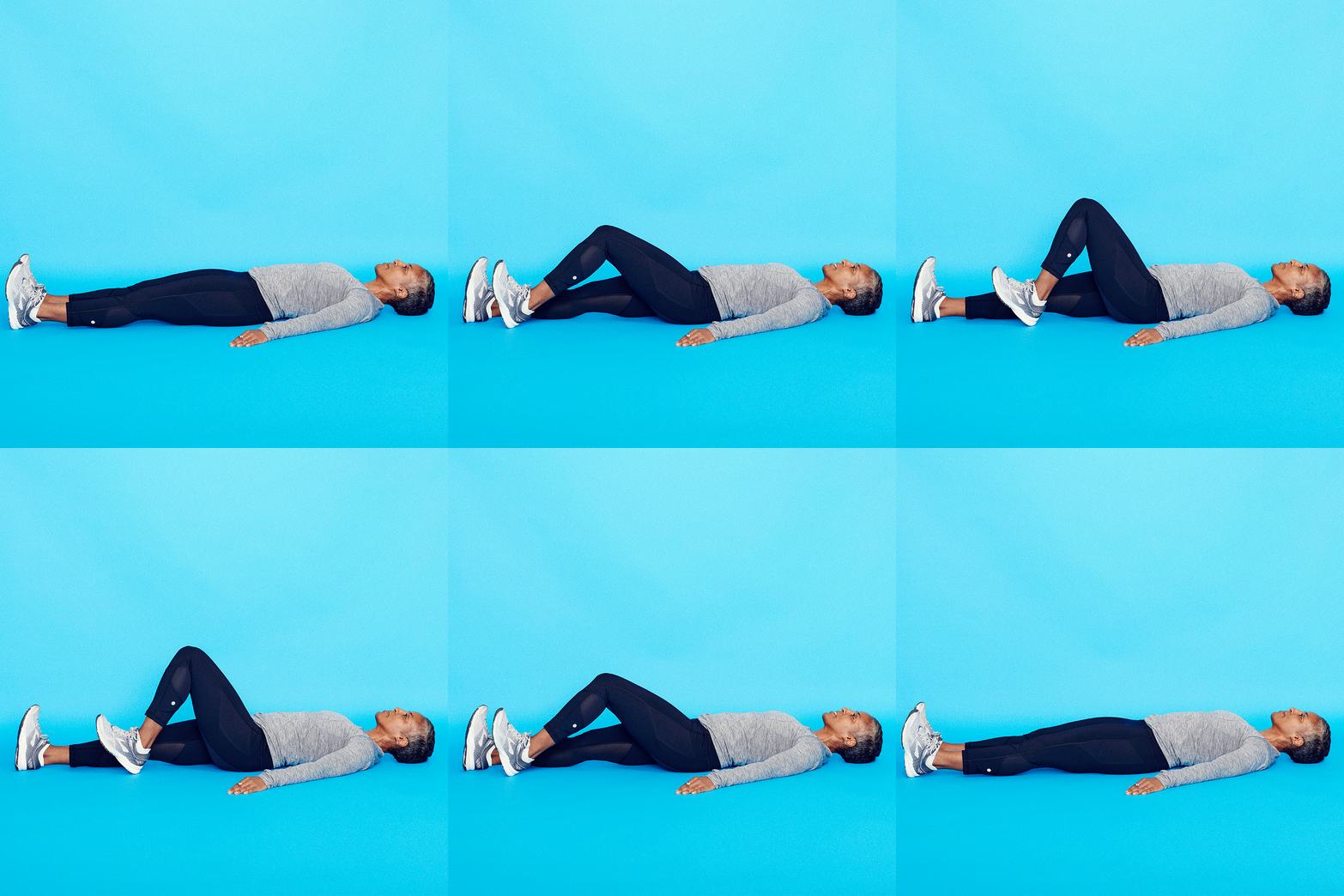
Heel slides improve strength, flexibility, and joint mobility. There are several variations to explore.
- Lie on your back with your legs extended.
- Bend your left knee and slowly slide your heel toward your hips.
- Slowly straighten the leg back out.
- Repeat 10 times.
- Then switch to the other side.
- Perform 1 to 3 sets.
Cat–Cow

This flowing exercise eases tightness and enhances flexibility, encouraging proper posture and spinal alignment.
- Start on hands and knees.
- Balance your weight evenly across all four contact points.
- Exhale and round your spine, tucking your chin toward your chest.
- Inhale and lift your gaze, letting your belly sink toward the floor.
- Continue this fluid cycle for up to one minute.
Child’s Pose
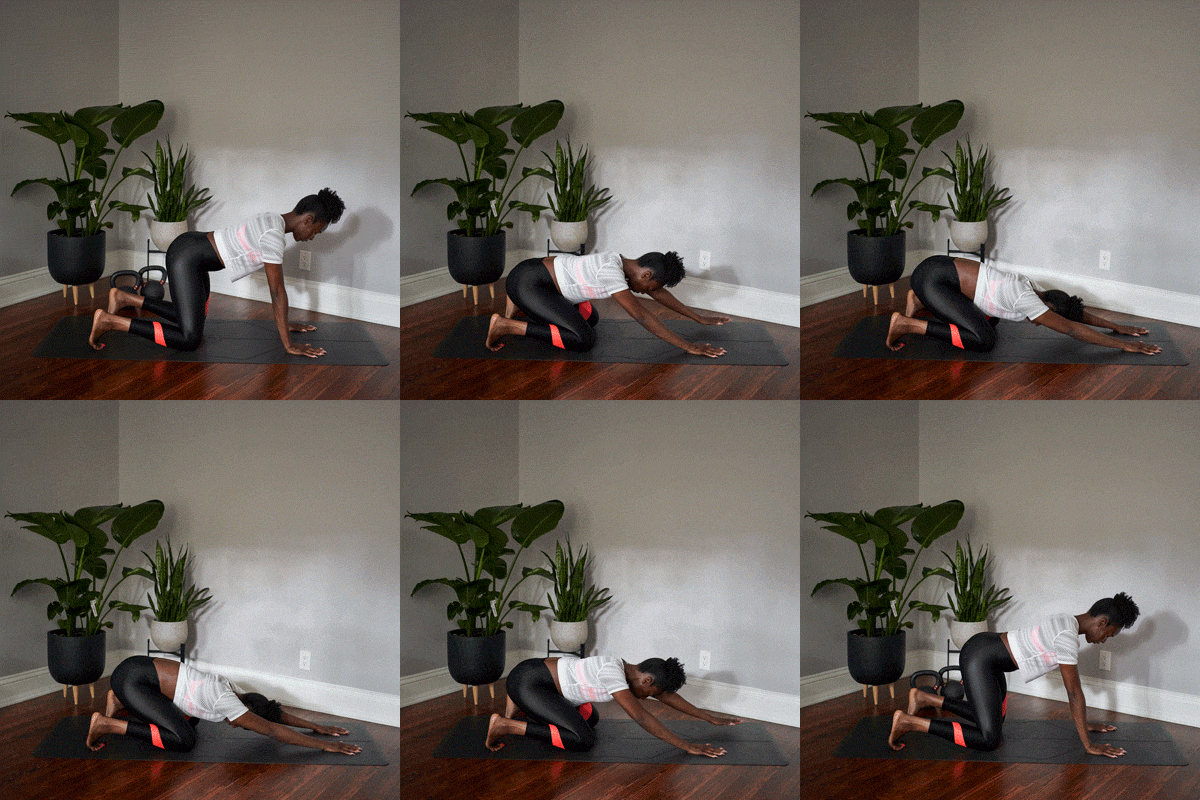
This restorative stretch gently lengthens the spine, eases lower back strain, and supports spinal alignment. Use a block, pillow, or folded blanket under your chest or hips for extra support if needed.
- Begin on your hands and knees.
- Slowly sit your hips back toward your heels.
- Extend your arms forward or rest them by your sides.
- Gently rest your forehead on the floor.
- Breathe deeply, focusing on releasing tension.
- Hold for up to five minutes as tolerated.
Moderate-intensity spinal decompression exercises
Move to this set once you’ve developed strength and are confident in your alignment, technique, and form.
Single knee-to-chest stretch

This stretch helps reduce tightness in the lower back, hips, and legs while improving flexibility, posture, and spinal positioning.
- Lie on your back with knees bent and feet pressing into the floor.
- Press your lower back gently into the mat, distributing weight evenly on both sides.
- Pull your left knee into your chest.
- Clasp your hands around your thigh or shin.
- Gently draw the knee closer to your chest and hold.
- Remain for up to 30 seconds.
- Repeat on the other side.
- Then bring both knees in together.
- Repeat the cycle up to five times.
Hamstring stretch

This stretch promotes alignment, mobility, and flexibility while relieving pressure and pain in the lower back.
- Lie on your back with knees bent and feet on the floor.
- Lift your left leg and interlace your fingers behind your thigh.
- Keep a slight bend in the knee.
- Gently press the leg into your hands and draw it closer to you.
- Hold for up to one minute.
- Repeat on the other side.
- Perform up to five reps per side.
Standing forward bend

This movement engages the spinal muscles as well as the glutes, hamstrings, quadriceps, and piriformis.
- Stand tall. Inhale and sweep your arms up and overhead until your palms meet.
- As you exhale, hinge at the hips (not the waist), maintaining a long torso as you fold.
- Keep your legs straight and lower your arms as far as possible.
- Root your feet firmly and keep your hips over your heels. Hold for five steady breaths, lengthening the spine on each inhale and relaxing on each exhale. Let your head and neck fully relax. Repeat this sequence five times.
- On an exhale, release your arms and on the inhale, rise up using your hips and core.
- Return to standing and breathe for five breaths.
Downward Facing Dog
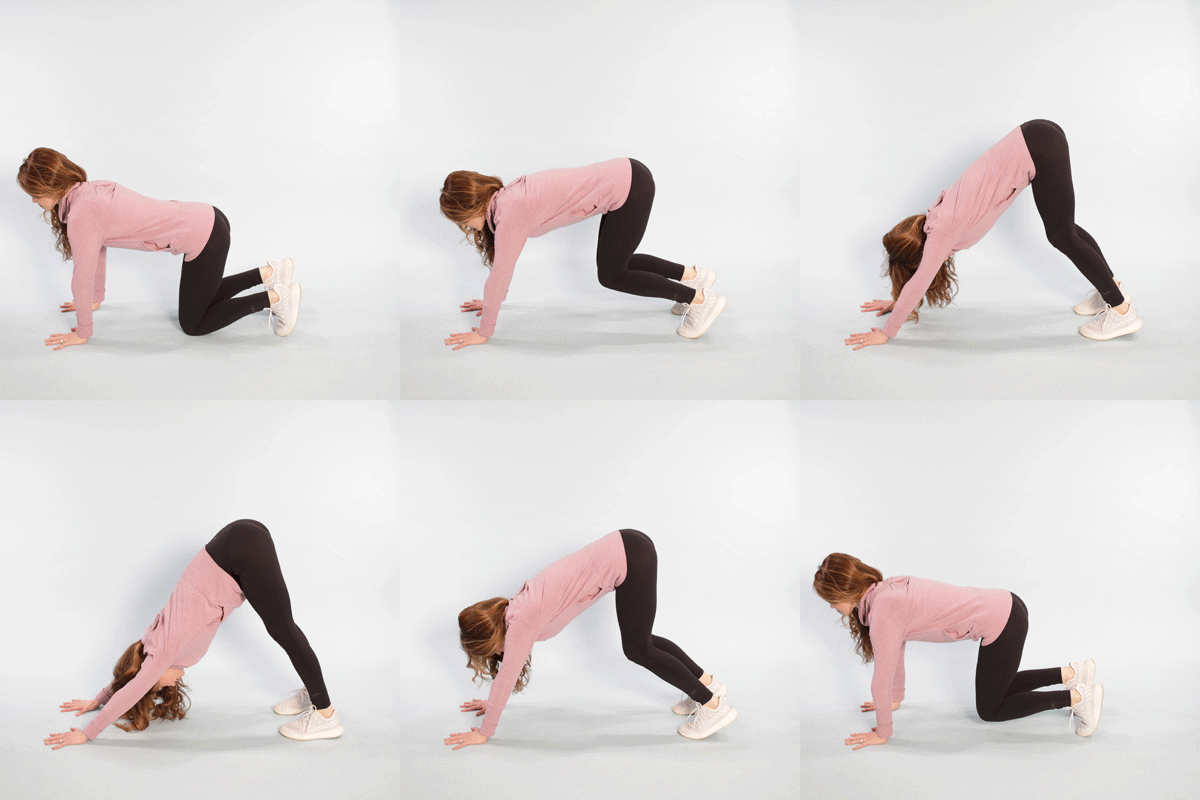
Practicing Downward Facing Dog builds muscular endurance, enhances circulation, and supports proper spinal alignment.
- Start on hands and knees with wrists under shoulders and hips over knees.
- Lift your knees from the floor and send your hips up and back toward the ceiling.
- Keep your heels slightly elevated off the mat.
- Maintain a gentle bend in the knees and elbows.
- Spread the fingers wide and press evenly into the hands.
- Balance your weight across both sides of the body.
- Keep your head aligned with the upper arms or lightly tuck the chin.
- Hold for up to one minute.
High-intensity spinal decompression exercises
Advance to this set after mastering the beginner and intermediate movements.
Piriformis stretch
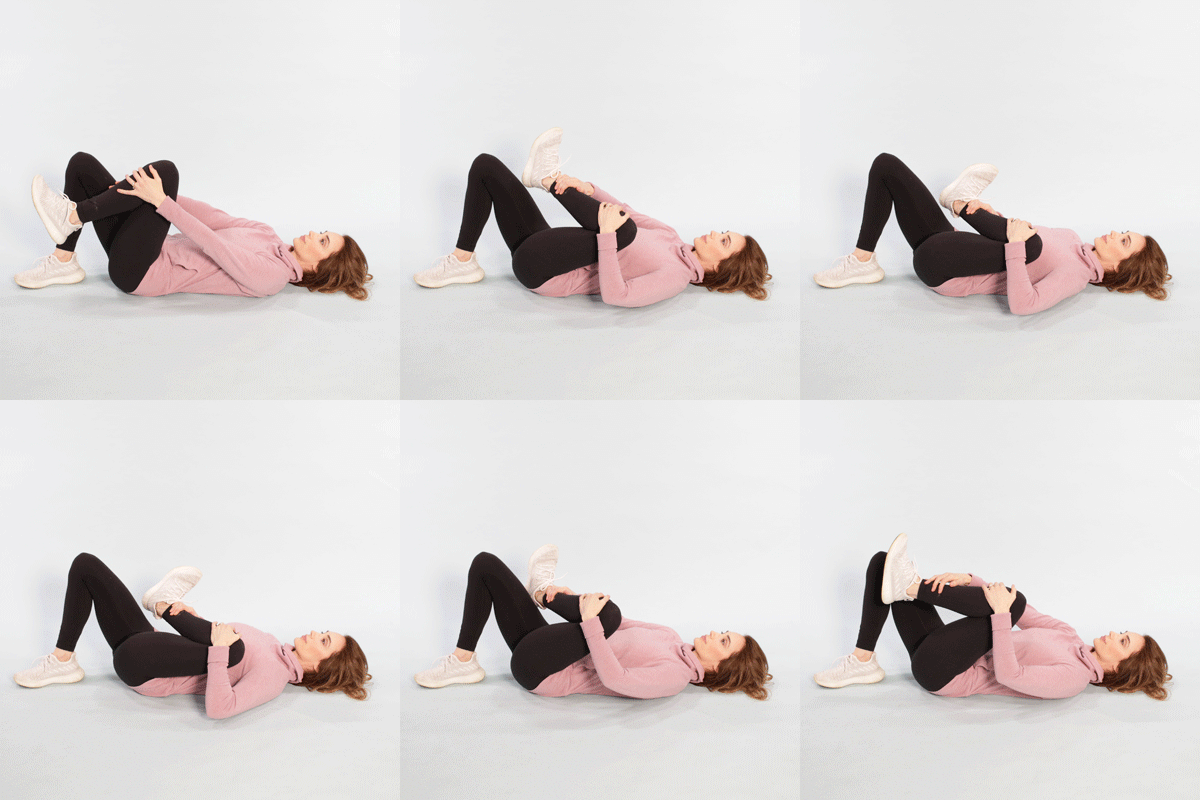
This stretch helps relieve soreness, tightness, and pressure in the lower back, hips, and legs, while enhancing circulation and range of motion.
- Lie on your back with knees bent and feet pressing into the floor.
- Place your left ankle over your right thigh near the knee.
- Interlace your hands behind your left thigh.
- Gently draw the leg toward your chest.
- Hold for up to one minute.
- Repeat on the other side.
Cobra Pose
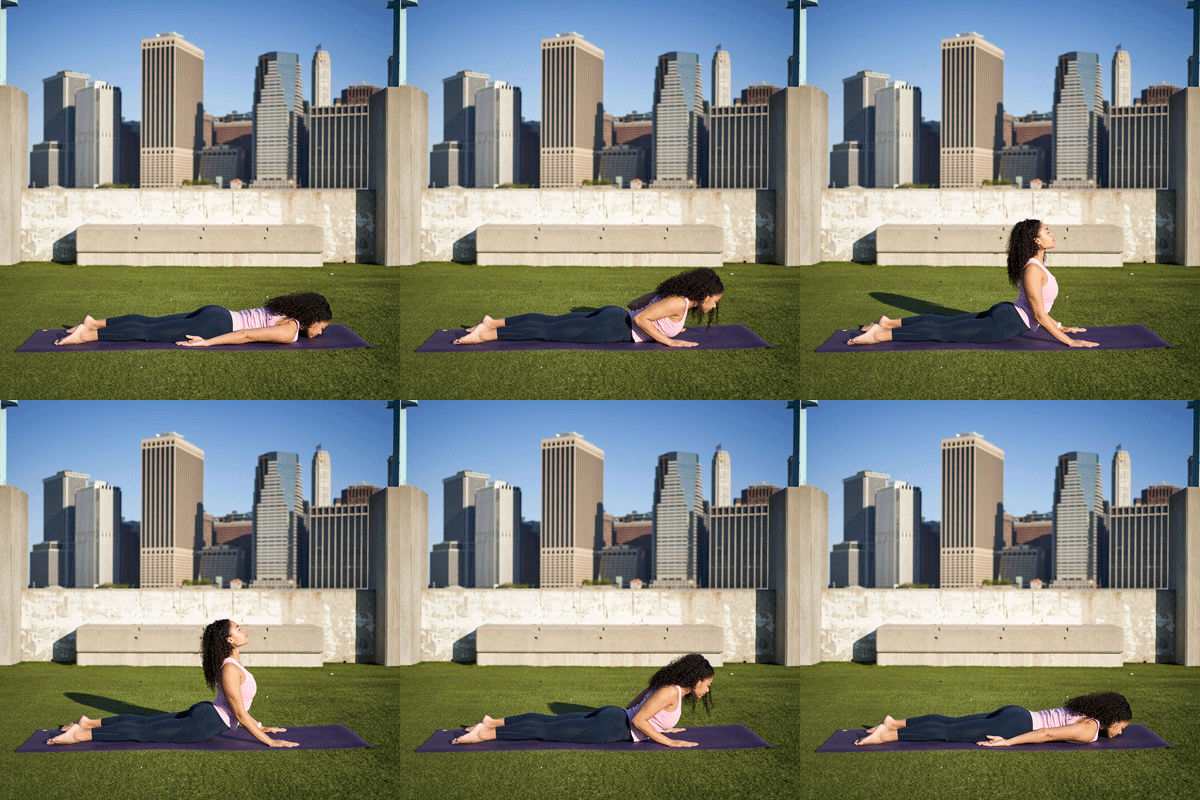
Cobra Pose lengthens and strengthens the spine, reduces tightness, and increases circulation. It also supports better posture.
- Lie face down on your mat.
- Place your hands under your shoulders with fingers pointing forward.
- Keep your arms close to your sides and your elbows angled back.
- Press into your hands to lift your head, chest, and shoulders to a comfortable height.
- Maintain a slight bend in the elbows.
- For a deeper expression, let your head drop back gently.
- Hold for up to one minute.
Fish Pose
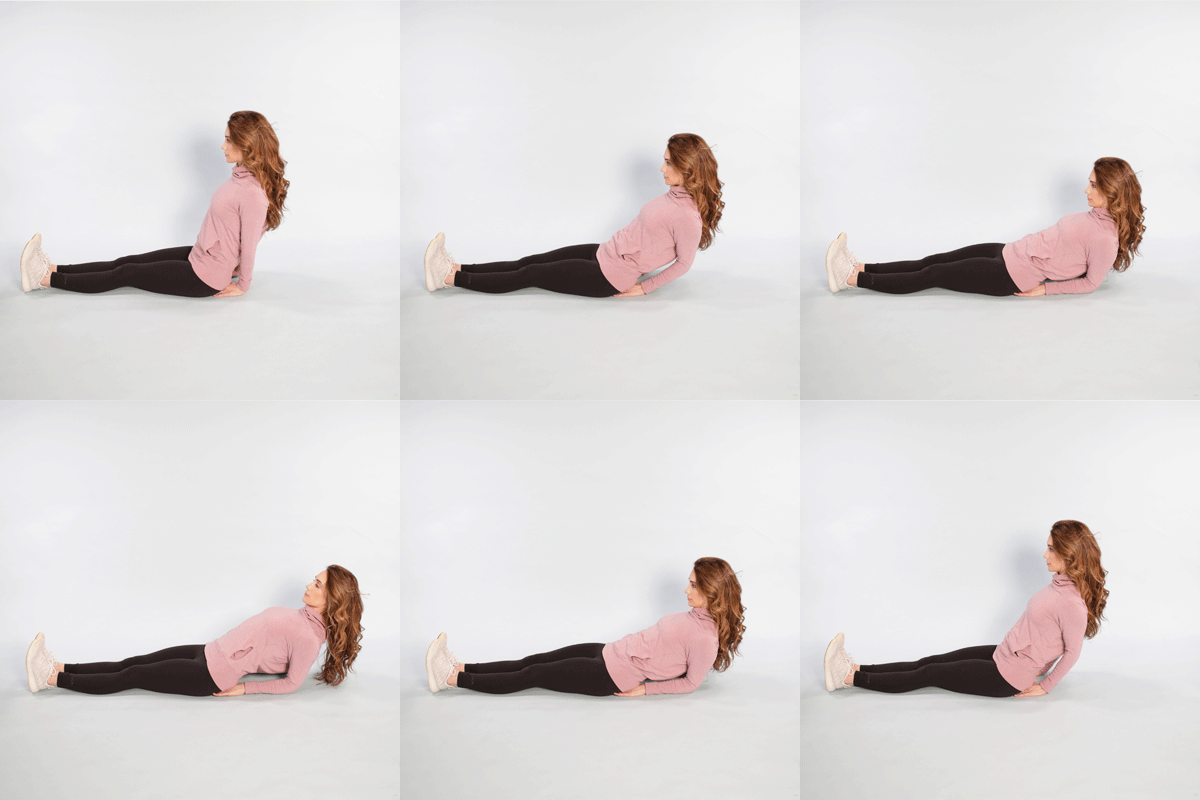
This pose opens the chest, neck, and spine. It helps reduce tension, improve posture, and lessen spinal compression.
- Sit with your legs extended in front of you.
- Slip your hands under your sit bones with palms down and fingers pointing toward your feet.
- Bring your elbows together and broaden your chest.
- Slowly lower onto your forearms and elbows.
- If it feels okay, let your head fall back.
- Hold for up to one minute.
- To come out, lift your head, remove your hands, and lie back on your spine.
Camel Pose
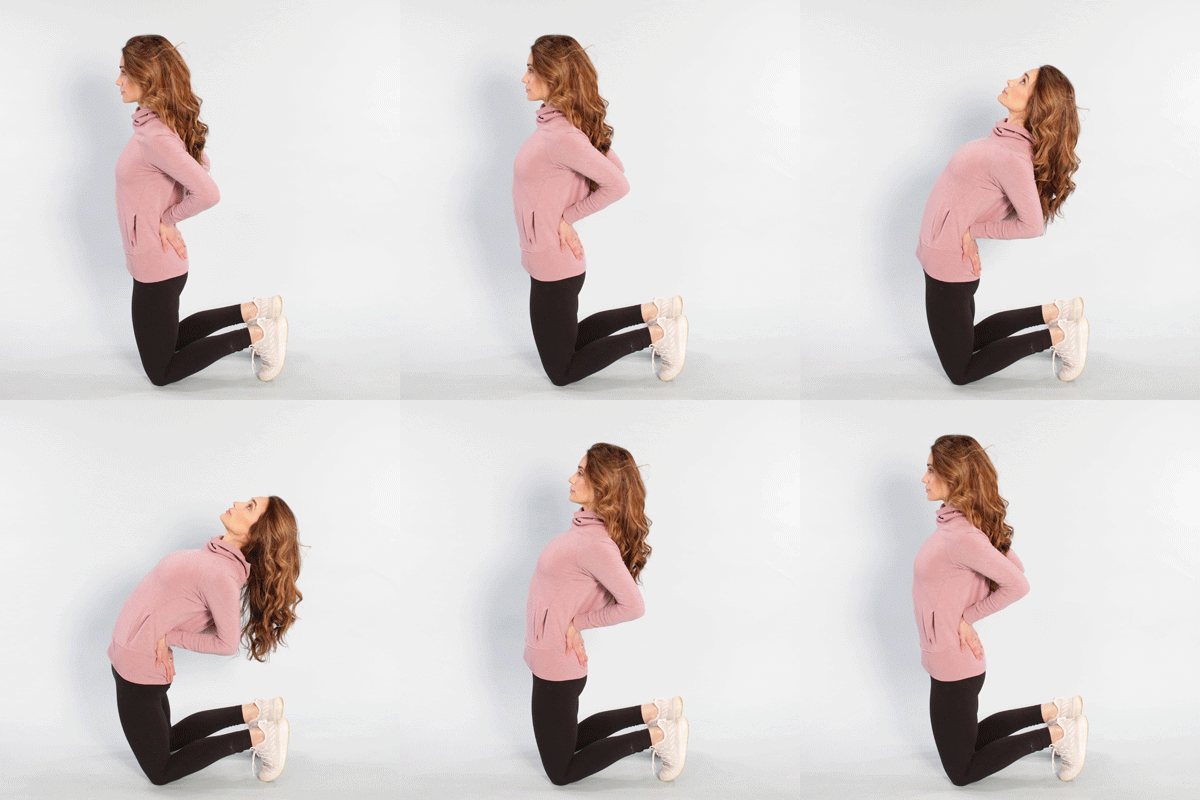
This energizing backbend stretches the chest, upper back, and hips, improves circulation, releases tension, and supports better posture.
- Kneel with hips directly above your knees.
- Place your hands on the base of your spine with fingers pointing down.
- Set your pinkies on either side of your spine.
- Draw your elbows toward one another.
- Lengthen the spine and lift the chest.
- Carefully arch back, extending through the upper back.
- Reach for your ankles and place your hands on them if accessible.
- Hold for up to 30 seconds.
- Return your hands to your lower back.
- Slowly come back to the starting position.
The bottom line
Spinal decompression movements can benefit overall wellbeing by stretching and strengthening the spine. They support better stability, posture, and alignment, making everyday motion more comfortable.
Sticking to an exercise plan requires discipline and consistency. For optimal results, practice spinal decompression exercises several times each week. Complement your routine with strength training and low-impact cardio like swimming or cycling.
For tailored advice and support, seek guidance from a healthcare provider or a certified personal trainer. They can answer your questions and help you create a personalized exercise plan.
Frequently Asked Questions
Spinal decompression exercises are movements and stretches designed to relieve pressure on the spine, improve alignment, increase mobility, and reduce back pain by gently lengthening and strengthening spinal structures.
Aim for several short sessions per week—many people benefit from daily brief routines or 3–5 sessions weekly—adjusting frequency and intensity based on comfort and guidance from a healthcare professional.
While many people find these exercises helpful, those with recent injuries, fractures, severe osteoporosis, or certain spinal conditions should consult a healthcare provider before beginning to ensure safety and proper modifications.
Some individuals may feel immediate relief after a session; meaningful, lasting improvements in posture, flexibility, and pain typically appear after consistent practice over several weeks.
Most decompression movements require little to no equipment—just a mat and comfortable space—though props like foam rollers, pillows, blocks, or straps can aid comfort and progression.
Read Next

Multiple Sclerosis vs. Fibromyalgia: Differences in Signs and Symptoms

6 Resistance Band Exercises for Shoulders

How Many Carbs Are in Various Types of Sausage?

Is Ovaltine Healthy? All You Need to Know

Is It Possible to Encourage Facial Hair Growth?
Resistance Band Chest Workout: 7 Exercises You Can Do Anywhere
Related Posts
6 Foam Roller Exercises for Your Back
Sep 16, 2026 • 17 min read
Pregnancy Rib Pain: Causes, Prevention, Remedies
Sep 19, 2026 • 32 min read
10 Back Exercises with Bands to Counteract Work-from-Home Posture
Sep 14, 2026 • 8 min read
Stretches and Exercises to Help Ease SI (Sacroiliac) Joint Pain
Oct 5, 2026 • 28 min read
The 9 Best Couches for Good Posture and a Healthy Back
Sep 30, 2026 • 4 min read