
Can You Use Face Mapping to Improve Your Skin’s Health?

- Chinese face mapping
- Forehead
- Temples
- Eyebrows
- Eyes
- Nose
- Cheeks
- Mouth
- Chin
- What happens after
- Dermalogica face mapping
- Zone 1 and 3: The forehead
- Zone 2: Between the eyebrows
- Zone 4 and 10: The ears
- Zone 5 and 9: The cheeks
- Zone 6 and 8: The eyes
- Zone 7: The nose
- Zone 12: The chin center
- Zone 12A: The upper lip
- Zone 11 and 13: The jawline
- Zone 14: The neck
- What happens after
- Acne face mapping
- Forehead
- Hairline
- Eyebrows
- Cheeks
- Chin
- What happens after
- Benefits of a dermatologist
- The takeaway
That visibility has spawned numerous strategies aimed at keeping your complexion clear and vibrant. One such approach is face mapping, which originates from an ancient Chinese notion that the face mirrors inner health.
More recent iterations of face mapping have emerged that lean on dermatological insights rather than solely on traditional beliefs. Nevertheless, they remain founded on the premise that a spot on your face may point to an underlying issue.
So, can face mapping actually help you achieve clearer skin? The evidence is limited.
Continue reading to explore three varieties of face mapping and what current science suggests about their potential to improve your skin’s condition.
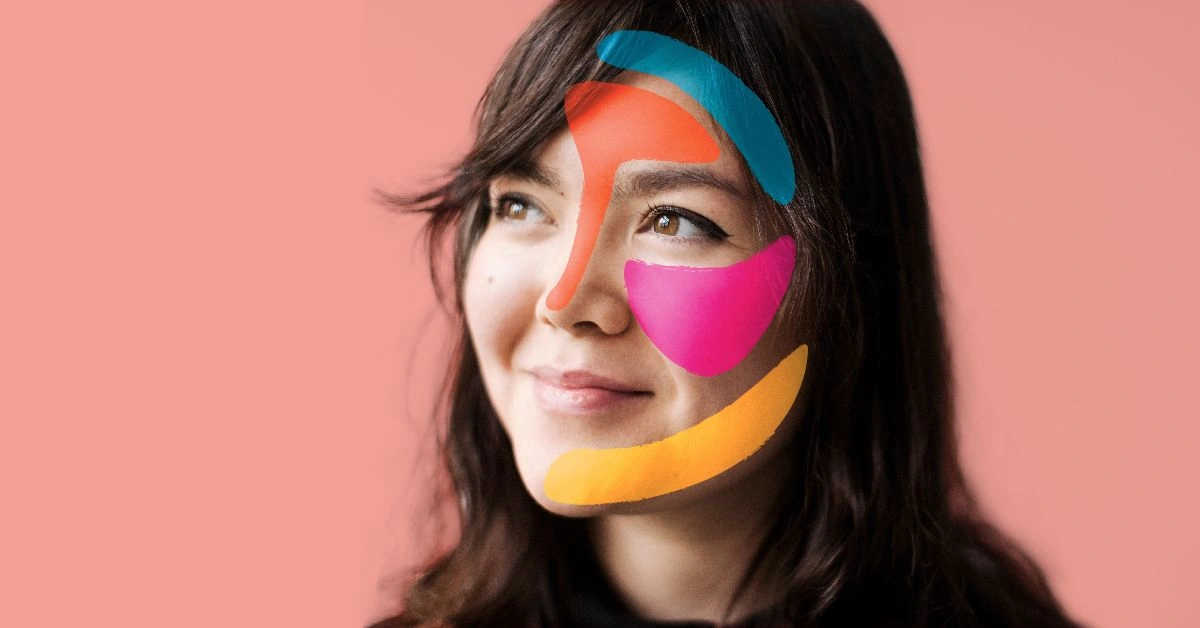
Chinese face mapping

Often called mien shiang, literally “face reading,” Chinese face mapping is a practice stretching back about 3,000 years. It treats the face as a chart where different regions correspond to internal organs.
When the body is out of balance, practitioners believe the skin will signal this via pimples, redness, or dryness, and that the blemish’s location indicates which organ is affected.
There’s no robust scientific foundation for Chinese face mapping; it’s grounded in long-term observation and the concept that qi, or life energy, travels between organs along unseen channels.
A paper in the Journal of Acupuncture and Meridian Studies suggests this invisible system may exert some influence on cardiovascular and nervous functions.
However, many specialists dismiss the idea, arguing that facial breakouts occur largely because the face has a high concentration of oil-producing glands.
Still, plenty of people follow it. If you’re curious, here’s how Traditional Chinese Medicine (TCM) typically links face zones to bodily systems.
Forehead
The forehead is associated with digestion. Issues such as irritable bowel syndrome may appear here as breakouts or lines. Poor nutrition, inadequate sleep, and higher stress can also manifest in this area.
Temples
The temples are tied to the kidneys and bladder. Infections or inflammation in these organs may be reflected as acne here. Some medications that don’t sit well with you might also show up in this region.
Eyebrows
The area between the brows corresponds to the liver. Because the liver is central to detoxification, toxins from emotional stress or an unhealthy diet are thought to impact this facial zone.
Eyes
The under-eye region is linked to bodily fluids. Dehydration or stress can cause puffiness, bags, or dark circles.
Nose
The nose is divided into left and right areas representing respective sides of the heart.
Heart-related issues are said to reveal themselves via redness or blackheads, while oiliness or breakouts could hint at problems with blood pressure or cholesterol.
Cheeks
Cheeks correspond to the stomach, spleen, and respiratory system. Redness might indicate stomach inflammation, and breakouts could stem from allergies or sinus troubles.
Mouth
The mouth area signifies the stomach and colon. Ulcers around the mouth may point to stomach ulcers or a raw or cold diet that forces the stomach to work harder to warm food.
Chin
The jawline and chin connect to the hormonal and reproductive systems. Spots here are often linked to menstrual cycles or stress.
What happens after
If a TCM practitioner identifies issues, they’ll typically suggest adjustments to diet or lifestyle.
Those recommendations can be helpful, but if you’re uncertain about taking them, check with a physician or dermatologist for guidance.
Dermalogica face mapping

A contemporary take on the traditional system was developed by the skincare brand Dermalogica. It merges elements of Chinese diagnosis with modern dermatological understanding.
The face is partitioned into zones and each sector is examined by a trained therapist. Coupled with a lifestyle questionnaire, this assessment helps the professional identify potential causes of concerns such as acne, rosacea, or eczema.
Below is what Dermalogica associates with each zone.
Zone 1 and 3: The forehead
Problems here are seen as possible signs of bladder or digestive issues. Breakouts might signal poor hydration or diet. (Note that the connection between diet and acne is not fully settled and some experts remain skeptical.)
Congestion in this area can also be caused by inadequate removal of makeup or shampoos, or by pore-clogging products — a condition sometimes called acne cosmetica.
Zone 2: Between the eyebrows
The center of the forehead is linked to the liver. Spots or excess oil here suggest dietary changes may be beneficial.
Cutting back on alcohol, fatty foods, and late-night eating is often recommended, along with investigating possible food intolerances like lactose sensitivity.
Zone 4 and 10: The ears
Kidney issues may surface around the ears. People with flushed ears are encouraged to drink more water and reduce caffeine, alcohol, or salt intake. Irritations might also stem from phone contact or jewelry allergies.
Zone 5 and 9: The cheeks
Associated with the respiratory system, the cheeks can show broken capillaries, discoloration, or congestion in smokers or those with allergies. These problems may also arise from comedogenic cosmetics, dental issues, or bacteria transferred from cellphones.
Bacterial contamination is a major acne contributor; research demonstrates that phones can harbor many kinds of bacteria , some pathogenic.
Zone 6 and 8: The eyes
The kidneys are also tied to the eye area. Dark circles and puffiness can indicate dehydration or dietary imbalance, while allergies, poor lymphatic drainage, and kidney strain can play a role.
Zone 7: The nose
Broken capillaries near the nose can result from squeezing pimples, environmental factors, or genetics. If the nose is persistently red, it may reflect high blood pressure because of the heart connection.
Zone 12: The chin center
Breakouts here can point to hormonal imbalances. The chin’s center is also associated with the small intestine, so dietary issues or food sensitivities could be implicated.
Zone 12A: The upper lip
The area above the lip links to reproductive hormones. Pigmentation or excess hair in this region may indicate hormonal shifts.
There is some science behind this: fluctuating hormones can alter melanin production, causing hyperpigmentation, and elevated androgens can trigger unwanted hair growth (hirsutism).
Zone 11 and 13: The jawline
Dental procedures can provoke breakouts along the chin’s sides. Hormones are another factor since this zone relates to the ovaries. A 2001 paper found that acne often flared before menstruation in nearly half of affected women.
Other contributors include inadequate makeup removal, irritating cosmetic ingredients, and frequent touching of the area.
Zone 14: The neck
Stress triggers the adrenal glands to release hormones like adrenaline, which can cause redness on the neck and chest. Skin issues in this region may also result from fragrance irritation or sun damage.
What happens after
Whether you undergo an in-person assessment or use Dermalogica’s digital tool, you’ll typically receive a tailored skincare plan featuring Dermalogica products.
You’re not obliged to buy those products, and it may be wise to seek a dermatologist’s opinion as well.
Acne face mapping

Acne face mapping removes the traditional Chinese framework and concentrates on more evidence-oriented causes of breakouts and chronic acne. Although definitive research linking a single cause to a specific facial area is sparse, the method is gaining traction because acne is so common.
According to the American Academy of Dermatology, acne affects as many as 50 million Americans annually, making it the most prevalent skin condition.
The premise of acne face mapping is that identifying where pimples recur can reveal triggers. Once those triggers are known, you might be able to reduce or eliminate breakouts.
Like other mapping systems, it divides the face into zones tied to specific medical or lifestyle factors. Here’s the usual interpretation.
Forehead
This area is associated with stress and dietary habits. Solutions for persistent forehead acne include boosting fruit and vegetable intake, getting sufficient rest, and staying well-hydrated.
Hairline
Considered separately, hairline breakouts often stem from buildup of hair products or makeup containing pore-clogging ingredients.
Breakouts from hair products are termed pomade acne. Recommended fixes include double-cleansing and switching to noncomedogenic formulas.
Eyebrows
The area between the brows is again tied to diet. Excessive alcohol or fatty, processed foods may provoke breakouts here.
Cheeks
Cheek acne can be influenced by environmental pollutants and bacteria from pillowcases and phones. To reduce risk, cleanse skin thoroughly and launder pillowcases often.
Diet likely plays a role too: a 2012 study found a link between frequent sugar consumption and acne risk, and a later review identified a potential association between dairy intake and acne, though more investigation is needed.
Chin
The chin and jawline reflect hormonal status. Hormonal surges during menstruation or pregnancy can cause breakouts.
Jawline acne may also indicate polycystic ovary syndrome, a condition where women produce higher levels of androgen hormones.
What happens after
As with other mapping approaches, your skincare professional will provide individualized recommendations — from dietary tweaks to lifestyle shifts — and may propose specific skincare products.
Benefits of a dermatologist
While some aestheticians are trained in face mapping, a dermatologist is generally the most qualified person to consult for skin issues.
Dermatologists diagnose and treat the full spectrum of skin conditions. They can determine the root cause of a problem and recommend the most effective treatments tailored to your skin type and routine. They’ll help you build a regimen that works.
Seek out physicians certified by bodies such as the American Board of Dermatology, the American Osteopathic Board of Dermatology, or the Royal College of Physicians and Surgeons of Canada.
The takeaway
Certain aspects of face mapping can be helpful to remember, but many claims lack strong evidence.
Ultimately: don’t rely on face mapping as a cure-all for skin troubles. For the most reliable guidance, consult a dermatologist.
Frequently Asked Questions
Face mapping is a method that links breakouts and skin issues on specific facial zones to possible internal, lifestyle, or skincare causes to help guide interventions.
Face mapping can highlight patterns and suggest lifestyle or product changes, but evidence is limited; it’s best used alongside professional dermatological advice.
Yes — common approaches include traditional Chinese face mapping, brand-led systems like Dermalogica’s mapping, and acne-focused mapping that emphasizes evidence-based triggers.
An aesthetician can offer mapping-based skincare guidance, but a dermatologist is recommended for diagnosis and treatment of medical or persistent skin conditions.
Typical outcomes include tailored skincare recommendations, lifestyle or dietary adjustments, product swaps for noncomedogenic options, and referrals to a dermatologist if needed.



Related Posts
Proper Dosage for Botox Treatment on the Forehead, Eyes, and Glabella
Aug 20, 2026 • 5 min read
Derma Roller for Hair Growth: Here’s What You Need to Know
Sep 26, 2026 • 14 min read
Does Flaxseed Really Work for Beautiful Hair?
Aug 4, 2026 • 15 min read
5 Evidence-Based Ways Collagen May Improve Your Hair
Sep 1, 2026 • 4 min read
How to Get Perky Breasts Without Surgery
Sep 9, 2026 • 33 min read