Agave Nectar: A Sweetener That’s Even Worse Than Sugar?

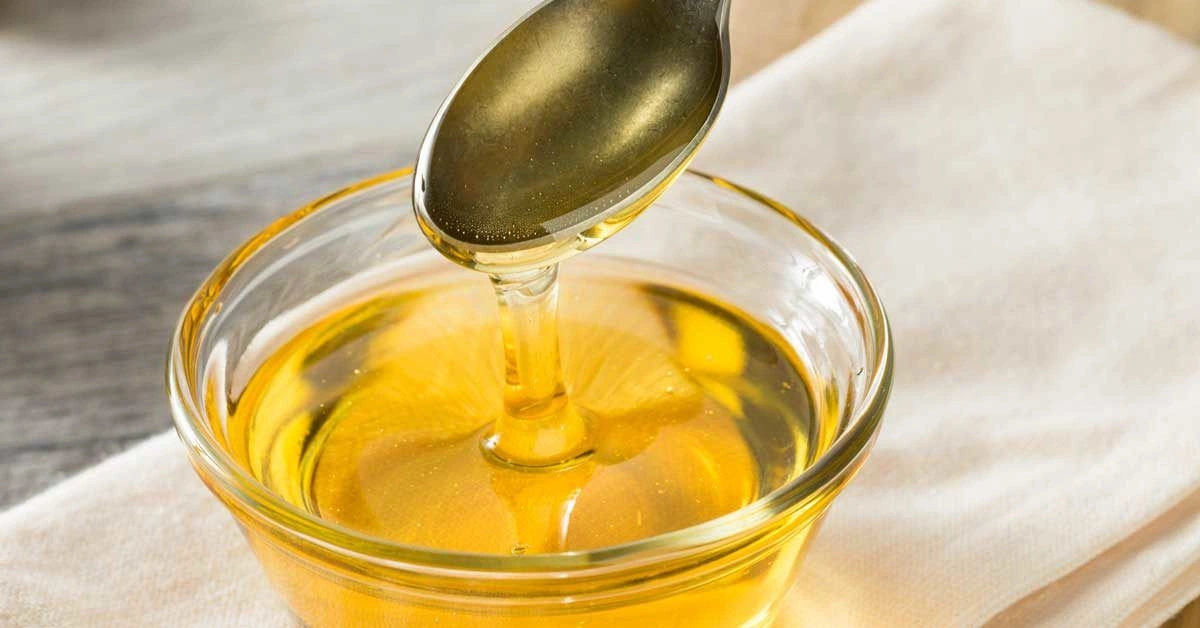
Agave appears in many health-oriented foods and is promoted as a natural, diabetes-friendly sweetener that won’t dramatically raise blood glucose. Yet it’s arguably less healthy than many other alternative sweeteners.
The damaging effects of sugar are one of the few topics where most nutrition experts concur.
Because many people trying to be healthy avoid table sugar, a variety of alternative sweeteners — both plant-derived and synthetic — have gained popularity.
One of these alternatives is agave nectar, often called agave syrup.
That said, this article outlines why agave nectar may actually be worse for your health than ordinary sugar.

What is agave?
The agave plant grows naturally in the southern United States and across Latin America.
While agave is a relatively recent trend in Western markets, it has been used in Mexico for centuries — possibly millennia.
Traditionally, agave was regarded as having therapeutic qualities. Its sap was boiled down to make a sweetener known as miel de agave (1).
Sugars from agave are also fermented to produce tequila.
Indeed, tequila is the most widespread commercial application of agave today and one of Mexico’s most recognized exports.
Like many botanical foods, agave probably contains some beneficial compounds.
However, refining and industrial processing often eliminate many — if not all — of a plant’s beneficial effects. The refined agave sweetener consumed today is no exception.
Summary: Agave is a desert plant used to produce tequila and a sweet syrup. Historically it was thought to have healing properties.
How is the syrup produced?
The sweetener sold as agave nectar is more accurately described as agave syrup.
It bears little resemblance to the traditional sweetener made by Mexican communities historically.
The initial step in production is the same: the plant is harvested and the sugary sap is extracted by cutting and pressing.
Although that raw sap is rich in sugars, it also contains beneficial fibers such as fructans, which have been associated with positive effects on metabolism and insulin (2 ).
However, when processed into a commercially sold syrup, the fructans are broken down into fructose by applying heat and/or enzymes (3, 4).
This procedure — similar to the production of other unhealthy sweeteners like high fructose corn syrup — removes the agave plant’s potentially healthful properties.
Summary: The agave sweetener sold commercially is produced by treating agave sugars with heat and enzymes, eliminating its potentially beneficial properties. The result is a highly processed, unhealthy syrup.
Has minimal impact on immediate blood sugar
The glycemic index (GI) measures how rapidly the carbohydrate in a food raises blood glucose.
Generally, foods with a higher GI induce larger blood sugar spikes and can negatively affect health over time (5 , 6 , 7 ).
Unlike glucose, fructose does not raise blood sugar or insulin acutely.
This is why sweeteners high in fructose are sometimes advertised as “healthy” or “diabetes-friendly.”
Agave nectar has a very low GI — mainly because most of its sugar is fructose. It contains very little glucose compared with regular sugar.
In a mice study comparing the metabolic effects of agave nectar and sucrose over 34 days, mice fed agave gained less weight and showed lower blood glucose and insulin levels (8 ).
In such a short-term experiment, the glucose in table sugar raised both blood glucose and insulin, while fructose did not.
Still, GI is only one aspect to consider when evaluating sweeteners’ health implications.
The adverse effects of agave — and added sugars generally — have little to do with glycemic index and more to do with the very high amounts of fructose present in agave nectar.
Summary: Agave syrup is low in glucose and thus doesn’t cause large blood sugar spikes, which gives it a low glycemic index.
Extremely high in fructose
Sugar and high fructose corn syrup (HFCS) consist of two simple sugars — glucose and fructose — roughly in equal parts.
Although glucose and fructose are similar structurally, their effects on the body differ greatly.
Glucose is vital: it’s present in many healthy foods, like fruits and vegetables, and the body even produces glucose to ensure adequate supply.
In fact, every living cell uses glucose because it is essential for life.
By contrast, while many tissues metabolize glucose, the liver is primarily responsible for processing fructose in significant amounts (9 ).
Excessive intake of added fructose can harm metabolic health and may contribute to insulin resistance, metabolic syndrome, cardiovascular disease, and type 2 diabetes (10 ).
This happens because the liver becomes overwhelmed and converts fructose into fat, raising blood triglycerides. Researchers believe some of this fat may accumulate in the liver, leading to fatty liver disease (11, 12, 13).
That can drive long-term increases in blood sugar and insulin, substantially elevating the risk of metabolic syndrome and type 2 diabetes (14, 15 ).
Moreover, high fructose consumption may raise LDL (bad) cholesterol and oxidized LDL and can promote abdominal fat accumulation (16 ).
Note that agave nectar is roughly 85% fructose — considerably higher than plain sugar (17).
None of this pertains to whole fruits, which are rich in fiber and satiating. Your body handles the modest amounts of fructose in fruit without issue.
Summary: Because agave syrup contains a much higher proportion of fructose than regular sugar, it carries a greater risk of negative health outcomes, including increased belly fat and fatty liver.
The takeaway
If you need to add sweetness to your food, agave nectar is probably not the best choice.
Better alternatives include stevia, monk fruit, and erythritol — sweeteners that are low- or zero-calorie.
In fact, agave nectar may be among the least healthy sweeteners available, making ordinary sugar appear healthier by comparison.
Frequently Asked Questions
No. Although agave has a lower glycemic index, it is much higher in fructose than table sugar, which can increase risk of fatty liver, high triglycerides, and metabolic issues when consumed in excess.
Most fructose is metabolized by the liver; in large amounts it can promote fat production in the liver, raise triglycerides and LDL, and contribute to insulin resistance and abdominal fat over time.
Occasional small amounts are unlikely to cause harm for most people, but regular or large consumption is risky. Whole fruits remain a safer source of natural sweetness due to fiber and lower fructose load.
Low- or zero-calorie sweeteners such as stevia, monk fruit, and erythritol are commonly recommended alternatives. They don’t carry the high fructose burden of agave syrup.
Agave often has a lower immediate effect on blood glucose because it contains more fructose than glucose, but that short-term benefit doesn’t prevent long-term metabolic harms linked to excess fructose.




Related Posts

6 Nutritious Benefits of Eating Cantaloupe
Aug 29, 2026 • 25 min read
Is Polypropylene a Safe Plastic to Use in Your Home?
Sep 10, 2026 • 20 min read
How Many Calories Are Burned on an Elliptical in 30 Minutes?
Aug 14, 2026 • 5 min read
Refined vs. Unrefined Coconut Oil: What’s the Difference?
Sep 6, 2026 • 14 min read
What's the Difference Between Kosher and Halal Diets?
Aug 22, 2026 • 6 min read