Can You Overdose on Xanax?

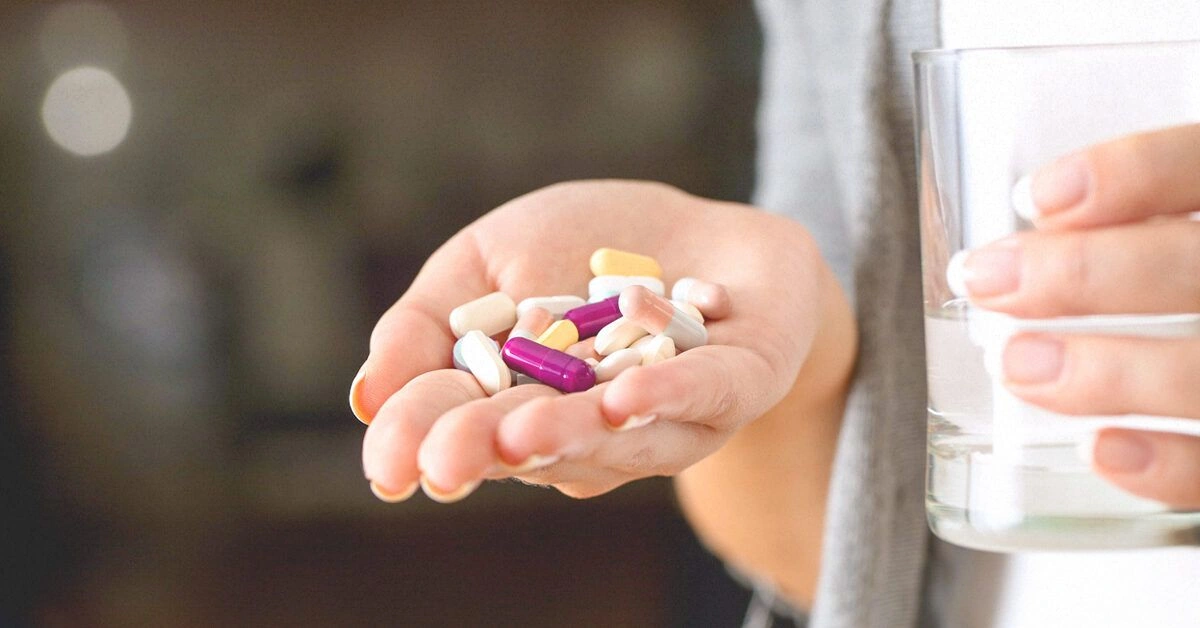
Yes — it is possible to overdose on Xanax, particularly when it’s combined with other substances. Consuming Xanax together with alcohol can be deadly.
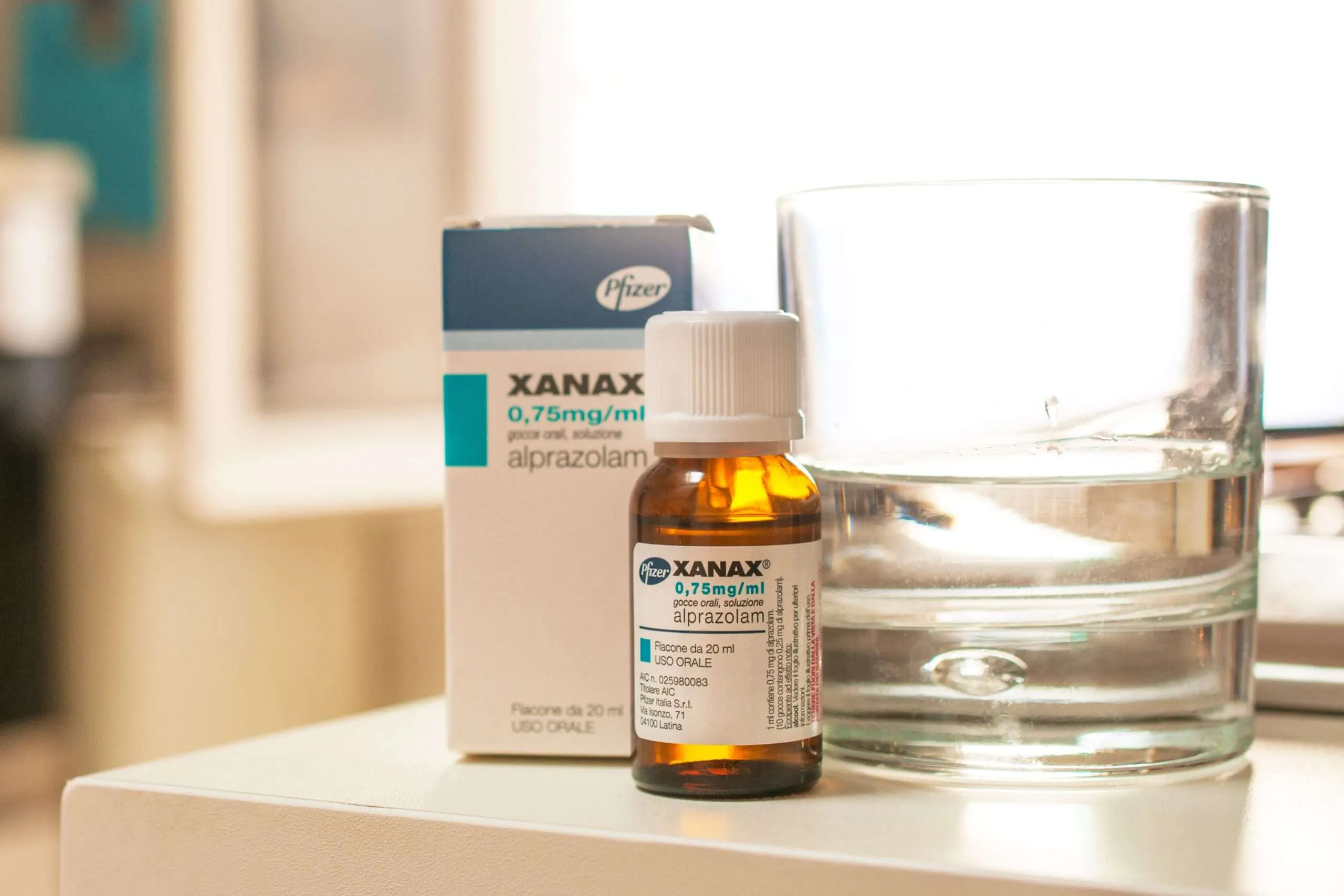
Xanax is the brand name for alprazolam, a prescription drug used to manage anxiety and panic disorders. It belongs to a group of medications called benzodiazepines.
These medicines work by enhancing the action of gamma-aminobutyric acid (GABA) in the brain. GABA helps reduce nervous activity and produces a calming effect.
Typical prescribed doses range from 0.75 to 1.5 milligrams (mg) per day. Your clinician may slowly raise the dose up to 4 mg daily until symptoms are under control.
How much Xanax counts as too much?
The threshold for a potentially dangerous dose varies significantly between individuals. It’s influenced by many factors, including:
- how your body metabolizes the drug
- your body weight
- your age
- whether you have preexisting conditions such as heart, kidney, or liver disease
- whether you took it with alcohol or other drugs (including antidepressants)
In rat studies, the LD50 — the dose that caused death in half the animals — ranged from 331 to 2,171 mg per kilogram of body weight. This indicates a person would need to ingest many thousands of times the typical therapeutic dose for a fatal overdose to be likely.
That said, animal data don’t always apply exactly to humans. An overdose can occur at any amount above your prescribed dose.
Adults older than 65 face a higher risk of serious adverse effects, including overdose. Older patients are usually prescribed lower Xanax doses because they are more sensitive to its effects.
In case of an emergency
If you believe someone is at immediate risk of self-harm, suicide, or harming another person:
- Call 911 or your local emergency number, or text TALK to 741741 to reach a trained crisis counselor.
- Remain with the person until professional help arrives.
- If it’s safe, try to remove weapons, medications, or other potentially harmful items.
Which medications interact with Xanax?
Often, a lethal Xanax overdose involves other medications or alcohol.
Xanax is metabolized primarily via the cytochrome P450 3A (CYP3A) pathway. Drugs that inhibit CYP3A4 slow the breakdown of Xanax, raising the risk of overdose.
These interacting medications include:
- antifungal agents like itraconazole and ketoconazole
- other sedatives
- opioid pain relievers, such as fentanyl or oxycodone
- muscle relaxants
- nefazodone (Serzone), an antidepressant
- fluvoxamine, used for obsessive-compulsive disorder (OCD)
- cimetidine (Tagamet), used for heartburn
Always inform your healthcare provider about all medications you take, including over-the-counter drugs, vitamins, and supplements.
This enables your clinician to select the appropriate drug and dose and to minimize the chance of dangerous interactions.
What are the signs and symptoms of a Xanax overdose?
An overdose of Xanax or other benzodiazepines can produce symptoms ranging from mild to life-threatening. In certain situations, it can be fatal.
Your specific symptoms will depend on:
- how much Xanax was taken
- your individual biology and sensitivity to central nervous system depressants
- whether other substances were used at the same time
Mild symptoms
Milder overdoses may cause:
- confusion
- involuntary muscle movements
- poor coordination
- slurred speech
- tremors
- slowed reflexes
- rapid heart rate
Severe symptoms
More severe cases can lead to:
- hallucinations
- seizures
- chest pain
- difficulty breathing
- irregular heart rhythm
- coma
Common side effects
Even at therapeutic doses, Xanax can cause minor side effects. The most frequent include:
- dizziness
- drowsiness
- headache
- blurred vision
- sleep disturbances
These side effects are generally mild and tend to resolve within days to weeks. Experiencing them at your prescribed dose does not necessarily mean you have overdosed.
However, keep your prescriber informed about any side effects. If they are significant, your doctor may lower your dose or switch you to a different medication.
What to do if you suspect a Xanax overdose
If you suspect someone has overdosed on Xanax, get emergency medical help right away. Don’t wait for symptoms to worsen.
In the United States, contact the National Poison Control Center at 1-800-222-1222 and follow their advice. You can also use the webPOISONCONTROL tool for guidance online.
If symptoms escalate, call local emergency services. Try to remain calm and keep the person cool while waiting for responders. Do not attempt to induce vomiting.
If you are with someone who has overdosed, try to keep them awake and responsive until help arrives. Seek immediate emergency care or call an ambulance if they are:
- unconscious
- having a seizure
- struggling to breathe
How is a Xanax overdose treated?
In an overdose situation, emergency responders will take the person to a hospital or emergency department.
They may administer activated charcoal en route to absorb the drug and potentially lessen symptoms.
At the hospital, providers might perform gastric lavage to remove remaining tablets and may give flumazenil, a benzodiazepine antagonist that can counteract Xanax’s effects.
Intravenous fluids may be used to restore fluids and nutrients and to prevent dehydration. After symptoms improve, you may be observed in the hospital for a period of time.
The bottom line
Xanax should only be used under a doctor’s supervision. Never take more than the prescribed dose. Speak with your healthcare provider if you believe your dose should be adjusted.
Using Xanax without a prescription or combining it with other drugs can be extremely hazardous. Because individual responses vary, you cannot predict how Xanax will interact with your body chemistry or other substances you’re taking.
Frequently Asked Questions
Yes. While fatal overdoses are more likely when Xanax is mixed with other depressants like alcohol or opioids, severe respiratory depression, coma, or death can occur.
Early signs may include extreme drowsiness, poor coordination, slurred speech, confusion, and slowed breathing. Seek emergency help immediately if these occur.
Treatment can include supportive care (airway and breathing support), activated charcoal, gastric lavage in some cases, intravenous fluids, and sometimes flumazenil under controlled conditions.
Yes. Combining Xanax with alcohol greatly increases the risk of severe respiratory depression, loss of consciousness, and death.
Call emergency services immediately. Keep the person awake and breathing if possible, place them on their side if vomiting, and provide responders with any medication information.
Read Next

Calorie Counts for Fried Rice: Vegetable, Beef, Chicken, Pork, and Shrimp

What Are the Most Common Breast Shapes?
Semaglutide and Phentermine: What to Know About These Weight Loss Drugs

Why Are Blisters Forming Between My Toes and How Do I Treat Them?

5 Best Massage Chair Pads
Understanding the FAST Scale for Dementia
Related Posts

What Is Social Media Addiction?
Aug 22, 2026 • 11 min read
Celebrities Who Have Struggled with Alcohol Addiction
Oct 2, 2026 • 14 min read
Sublocade vs. Suboxone: What You Should Know
Aug 6, 2026 • 36 min read
The Manscaping Guide to Healthy, Well-Groomed Pubic Hair
Jul 29, 2026 • 19 min read
Debunking the Myth of Tooth Worms and Other Cavity Causes
Aug 4, 2026 • 14 min read