Why Is My Baby Banging Their Head?

- What does typical baby head banging look like?
- What might cause babies and toddlers to bang their heads?
- 1. Rhythmic movement disorder related to sleep
- 2. Developmental differences or disorders
- How to handle a baby or toddler who bangs their head
- 1. Don’t react
- 2. Move the crib
- 3. Reduce the chance of injury
- Safety note
- When to consult a doctor
- The bottom line
It can be alarming when your little one starts hitting their head against things, but this behavior is more typical than you might expect. In many cases it’s merely a way to self-soothe; still, if you’re uneasy, check in with your pediatrician.
You’d do anything to keep your child protected. You’ve babyproofed rooms, surrounded them with age-appropriate playthings, and taken steps to minimize hazards.
Yet your baby appears to have picked up a habit of ramming their head into items you can’t fully avoid — walls, the crib, the floor, or even their own hands. What should you do?
This is one of those parenting surprises many don’t anticipate: some infants and toddlers repeatedly hit or bump their heads against objects. Sometimes it’s against soft surfaces like a pillow or mattress, but at times they strike harder surfaces.
Understandably, the sight is worrying. Try not to panic, though, because this behavior often falls within the range of normal. Below is an overview of common reasons for head banging and sensible ways to respond.

What does typical baby head banging look like?
Odd as it may seem, head banging in infants and toddlers is a frequently seen behavior. Some kids do it close to nap time or bedtime as a means of calming themselves.
Even though it’s common, it can still be distressing for parents. It’s natural to imagine worst-case scenarios: Can it cause brain injury? Is it a sign of something more serious? Is my toddler angry?
Head banging presents in different ways. Some children only bang their heads while lying face down, repeatedly hitting a pillow or the mattress.
Other times, babies or toddlers will bang their heads while upright, striking a wall, the crib slats, or the back of a chair.
Some kids rock their bodies as they bang their heads, and others make moaning sounds or other noises.
The key point: head banging is usually not a cause for alarm, especially when it occurs only at nap or bedtime.
The behavior can begin around 6 to 9 months of age, and many kids outgrow it between about 3 and 5 years. Episodes are typically short, up to 15 minutes, although they can feel longer to a worried parent.
What might cause babies and toddlers to bang their heads?
Figuring out why your child bangs their head can help soothe your concerns. Below are a few possible causes, with the first being by far the most common.
1. Rhythmic movement disorder related to sleep
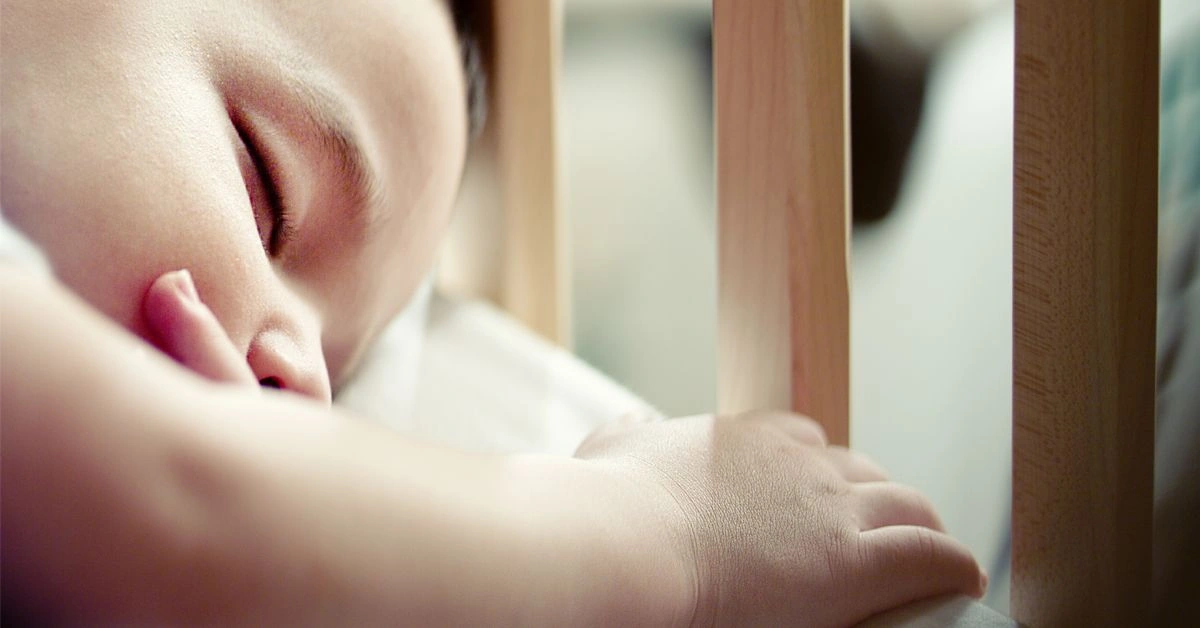
Often this behavior happens just before a child drifts off to sleep. Although it may look harmful, head banging is frequently a calming technique used by some children.
It’s similar to other sleep-related behaviors, like rocking or leg-shaking while falling asleep, or enjoying being rocked. In short, head banging is a self-comforting action that most often helps the child fall asleep.
For that reason, you might also see little ones banging their head to fall back asleep after waking during the night.
The sudden thump in the night can startle you, but try not to rush in. If there’s no risk of harm — and that’s the primary concern — let the episode play out. It usually only lasts a few minutes until your child returns to sleep.
2. Developmental differences or disorders
In some cases, however, head banging can be associated with developmental conditions such as autism, or it may reflect other neurological or psychological concerns.
To tell a rhythmic sleep-related movement apart from a developmental issue, pay attention to when the banging happens and how often it occurs.
Generally, if your child is otherwise healthy and doesn’t demonstrate signs of developmental, psychological, or neurological problems — and the banging happens only before sleep — it’s likely a common rhythmic movement.
Conversely, if head banging occurs alongside other signs — like delayed speech, frequent emotional meltdowns, or difficulties interacting socially — further evaluation is warranted. Talk with your pediatrician to rule out an underlying condition.

How to handle a baby or toddler who bangs their head
Although most head banging is benign and not a symptom of a developmental issue, watching it can be stressful. Instead of reacting with frustration, consider these approaches.
1. Don’t react
Easier said than done, certainly.
If you respond dramatically by scooping up your child or letting them sleep with you (which is not advised for infants under 1 year), they may learn to use the behavior to gain attention. If you calmly ignore it — when there’s no danger — the behavior often ends within minutes.
Only ignore it when there’s no risk of harm.
2. Move the crib
Even if the child isn’t in danger, the noise can be disruptive. One simple fix is to shift the crib away from the wall so the headboard doesn’t hit the wall.
3. Reduce the chance of injury
If you’re worried about injury, pad the headboard area with cushions or add guard rails to a toddler bed to prevent falls while they rock or bang their head. These steps are only necessary if there’s a genuine risk.
Remember to add pillows only for older children. The American Academy of Pediatrics recommends that babies and toddlers sleeping in a crib do so without pillows, blankets, bumpers, or soft bedding to lower the risk of sudden infant death syndrome (SIDS).
Safety note
Sleep positioners and wedges are not advised for feeding or sleeping. These padded supports aim to keep a baby’s body in one position but are not recommended by the Food and Drug Administration due to suffocation and SIDS risks.
When to consult a doctor
Watch for the timing and frequency of head banging, and see your doctor if you suspect a developmental concern. That’s more likely if the banging happens during the day or when your child isn’t sleepy.
Also consult a physician if you notice other signs such as speech delays, weak head control, or clumsiness so seizures or other conditions can be ruled out. Your pediatrician can assess your child and determine next steps.
The bottom line
In short, head banging is a common behavior that can appear as early as 6 months and often fades by age 3 to 5. (If it reappears later, it might show up in a very different setting — like at a loud concert in the teen or young adult years.)
Understandably, repetitive motions like head banging can raise concern. But in most situations, it’s simply your child’s way of soothing themselves before sleep.
If your child is otherwise healthy, there’s usually nothing to do beyond keeping them safe and waiting for the habit to pass.
Frequently Asked Questions
Many infants and toddlers bang their heads as a rhythmic, self-soothing behavior tied to sleep. It often helps them relax and fall asleep and typically occurs around nap or bedtime.
Most head banging against soft surfaces is not harmful and is short-lived. If your child strikes hard surfaces frequently or shows signs of injury, consult your pediatrician to rule out concerns.
See a doctor if head banging happens during the day, is very frequent, or occurs alongside developmental delays, speech issues, seizures, or unusual behavior suggesting a neurological or developmental issue.
Move the crib away from walls, pad hard surfaces if needed, and ensure the sleep environment follows safety guidelines—avoiding pillows or loose bedding for infants—to minimize harm.
Yes. Many children begin around 6–9 months and outgrow the habit by age 3–5. If it persists beyond that or reappears with other concerns, seek evaluation from a pediatrician.
Read Next





Related Posts

Is Willow Bark Nature’s Aspirin?
Sep 8, 2026 • 34 min read
What Blood Tests Are Used to Diagnose Anemia?
Aug 31, 2026 • 18 min read
Asking for a Friend: Are ‘Hangover Shakes’ Normal?
Sep 25, 2026 • 14 min read
When and How Should You End a Relationship with a Person Diagnosed with Bipolar Disorder?
Sep 2, 2026 • 19 min read
Throat Spray User’s Guide
Aug 24, 2026 • 24 min read