Hot and Cold Therapy: When to Use Each for Neck Pain

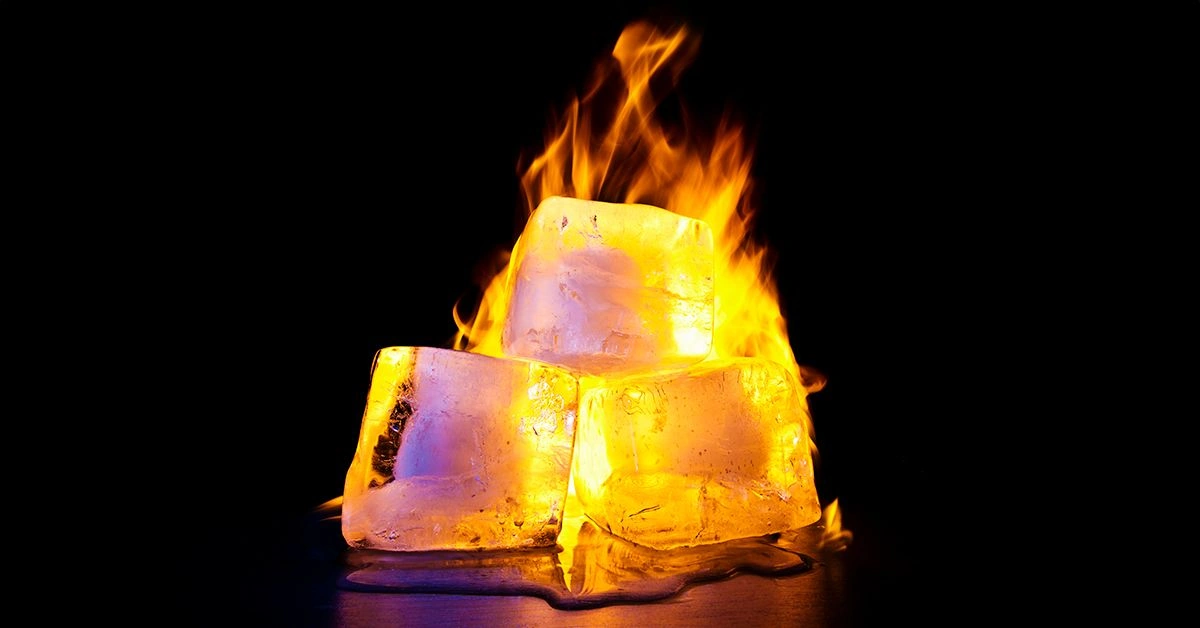
Specialists often advise applying cold to a fresh injury, for sudden pain, or when there’s inflammation. Warmth, on the other hand, is best for ongoing pain or injuries that are no longer swollen.
You’ve probably heard about using a hot or cold pack for neck discomfort — but when is it appropriate to ice, and when should you opt for heat?
To date, there’s no decisive proof that cold or heat is categorically superior for relieving pain or strain. Still, clinicians typically recommend icing recent or swollen injuries. Once the swelling goes down, applying heat can ease remaining tightness or stiffness.
Here’s what to understand.

Is ice or heat better for neck pain?
Studies indicate that both cold and hot treatments can help with neck pain.
Generally, ice is advised for:
- acute neck trauma (such as whiplash)
- sudden onset pain
- visible swelling
- soothing muscles after exercise
And heat is advised when:
- swelling has decreased
- you suffer from chronic or recurring neck tightness
- warming muscles before stretching or working out
Apply ice or heat for roughly 20 minutes several times a day for injuries, or as frequently as needed to obtain relief.
Do you put heat or ice on first?
There’s evidence suggesting that icing immediately after (or within 24 hours of) exercise may reduce pain. However, because neck pain can arise in many different ways, no clear victor exists, and both heat and cold tend to deliver benefits.
For best results, you might alternate between them to determine which provides the most relief for your neck.
The basic concept is that ice reduces the immediate pain from a new injury by constricting blood vessels, slowing blood flow, and decreasing swelling.
This makes it useful for numbing sensations from muscle spasms or more severe pain. If you’re confined to bed because of neck pain or strain, ice is often the better choice.
Heat, conversely, can calm chronic stiffness and tight muscles by enhancing circulation.
Improved blood flow delivers more nutrients and oxygen to the injured area, which may support recovery. It also helps loosen tight muscles and increase tissue flexibility. When you’re able to resume daily activities, heat is typically preferred.
Keep in mind that an earlier study found people seen in the emergency department for acute back or neck pain benefited equally from either hot or cold therapy when combined with ibuprofen.
So the choice between heat and ice may come down to what feels most effective for your particular case.
Alternating hot and cold therapy could provide optimal outcomes.
Learn how to use a hot or cold pack to ease neck pain at home in this guide.
When to seek medical attention
Did you know neck pain is the fourth most common cause of disability? If neck pain is diminishing your daily quality of life, it’s wise to consult a physician.
Seek emergency care if you experience:
- tingling, numbness, or weakness in one arm or hand
- neck pain caused by a sudden trauma (like a car crash or sports injury)
- symptoms that don’t improve after a week of self-care
- pain that worsens when lying down
- pain that prevents sleep
- loss of bladder or bowel control
- difficulty walking or maintaining balance
Other ways of loosening tight neck muscles
Additional methods to ease tight or sore neck muscles include:
- over-the-counter pain relievers such as ibuprofen
- gentle stretching
- neck-specific exercises
- yoga focused on neck relief
- physical therapy
- massage therapy
- chiropractic treatment
- acupuncture
- avoiding activities that increase neck strain
- using a headset for phone calls
- maintaining good posture
- wearing supportive, comfortable footwear
- taking frequent breaks when driving or sitting for long periods
- reducing stress
- practicing relaxation techniques
- using a firm mattress and a supportive pillow
Takeaway
Whether to use hot or cold therapy for neck pain depends on your specific circumstances.
Clinicians usually suggest ice for fresh injuries or sudden pain because it lowers swelling. Heat is preferable for persistent muscle tightness or stiffness since it enhances circulation.
If your neck pain hasn’t improved after a week of self-care, see a doctor.
Get urgent medical attention if you have numbness in one arm or hand together with neck pain, trouble walking or balancing, or loss of bladder or bowel control.
Frequently Asked Questions
Ice is generally recommended for sudden neck pain or recent injuries because it reduces swelling and numbs pain by constricting blood vessels.
Switch to heat once swelling has decreased or for ongoing stiffness. Heat improves circulation and helps relax tight muscles for better flexibility.
Yes. Alternating cold and heat can be effective—apply each for about 15–20 minutes and monitor how your neck responds to find what offers the most relief.
Use ice or heat several times a day as needed, typically for 15–20 minutes per session, allowing skin to recover between applications to avoid irritation.
See a physician if pain persists after a week of self-care, or immediately if you have numbness, weakness, trouble walking, loss of bladder/bowel control, or pain after major trauma.




Related Posts

Stretches to Loosen Your Trapezius Muscles
Sep 16, 2026 • 6 min read
Boxer’s Fracture
Sep 7, 2026 • 29 min read
Easy Exercises to Develop Your Lower Trapezius
Sep 16, 2026 • 21 min read
Rexulti (Brexpiprazole) Overview
Aug 15, 2026 • 12 min read
What Is Sweet Annie and What Are the Benefits?
Aug 19, 2026 • 15 min read