Everything You Should Know About Health Benefits of Ginger Oil


Essential oils such as ginger oil may provide certain health advantages. These can include reduction of inflammation and pain, and they might help alleviate nausea in children and in people recovering from abdominal surgery.
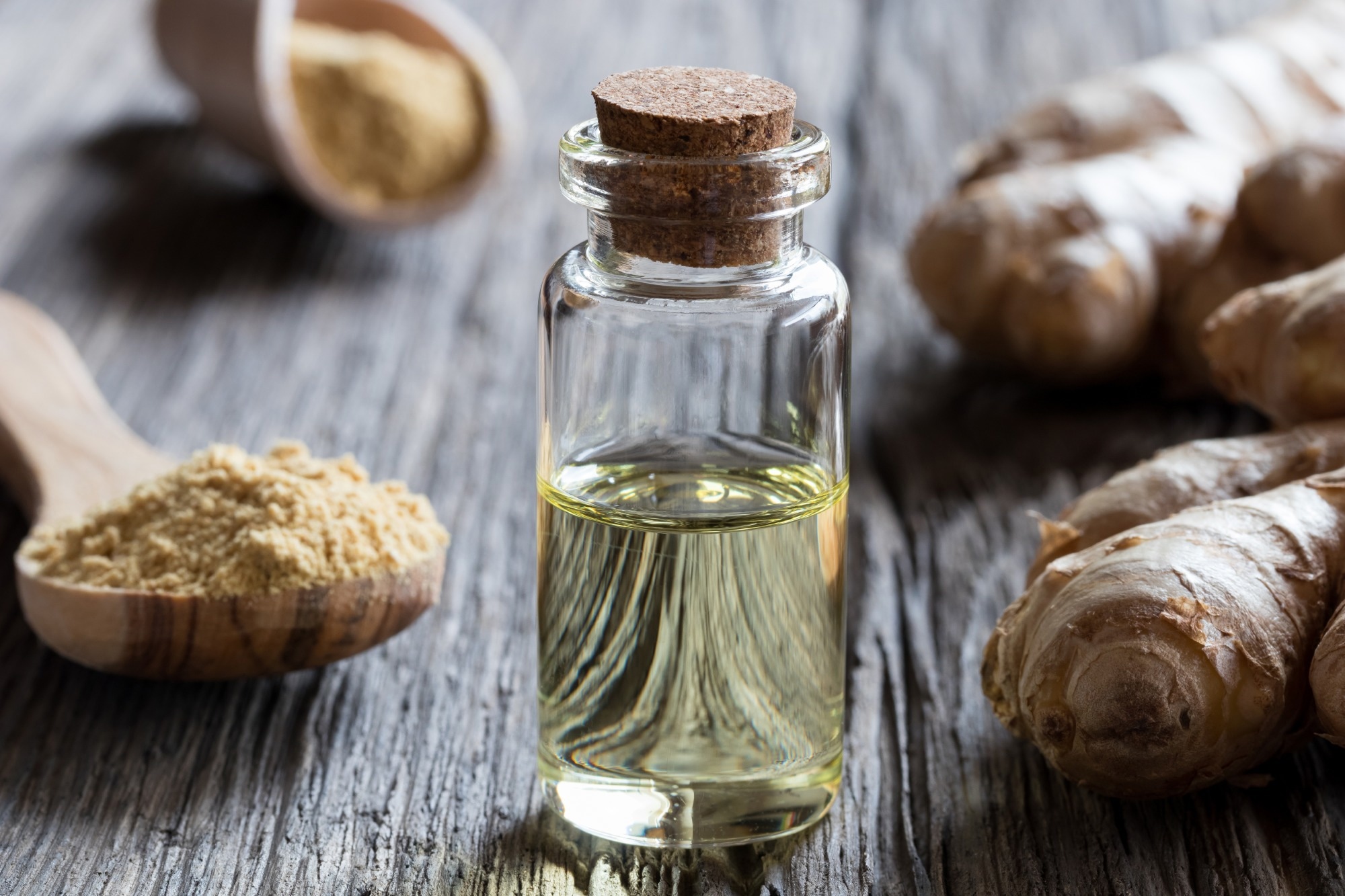
Ginger has been utilized in traditional remedies for centuries. The portion used medicinally is the rhizome. Although it resembles a root, the rhizome is actually an underground stem that gives rise to roots.
Read on to learn more about ginger oil, its potential health effects, and safe ways to use it.
What do people use ginger oil for?
Ginger belongs to the same plant family as turmeric and cardamom. It grows widely, particularly across Asia and Africa. The botanical name for the plant is Zingiber officinale.
Ginger oil is produced from the rhizome through a distillation process. Like other essential oils, it is highly concentrated.
The scent of ginger oil is distinct—often described as strong, warm, or spicy—which makes it popular in aromatherapy. It is also sometimes added to hair and skin care products.
Potential health benefits of ginger oil
Some reported benefits of ginger essential oil are anecdotal, based on personal experience or testimonials rather than rigorous clinical evidence.
One 2020 review of 109 clinical trials examining ginger’s health effects noted that only 43 studies — 39.4% — were judged to have “high quality of evidence.” Many trials had conflicting outcomes, small sample sizes, or suboptimal study designs.
The studies covered topics such as pregnancy-related nausea and vomiting, anti-inflammatory actions, digestive health, metabolic disorders, and colorectal cancer.
Given these results, researchers emphasized the need for further studies to confirm earlier findings and clarify the clinical impact of ginger and ginger oil.
Anti-inflammatory
Research has started to explore the anti-inflammatory potential of ginger oil. While much of the evidence comes from animal models, some human clinical trials suggest ginger oil could have anti-inflammatory effects for people.
A 2024 study reported that ginger oil can markedly reduce inflammation by dampening the body’s inflammatory response, thanks to its high content of bioactive compounds. However, this research was based on laboratory experiments and data analyses rather than trials in human subjects.
Other investigations using rats, mice, and in vitro systems indicate ginger oil may offer anti-inflammatory advantages for kidney function , rheumatoid arthritis , and weight control . Because these were not human studies, their relevance to clinical outcomes in people is uncertain.
Talk with a medical professional if you have questions or concerns about using ginger oil for health.
Nausea
Inhaling ginger oil’s fragrance has traditionally been used to ease nausea, though the scientific evidence is mixed.
A 2017 trial with 30 participants evaluated inhaled ginger oil for postoperative nausea after abdominal surgery. Those who inhaled ginger oil reported lower nausea and vomiting scores than the control group.
A 2017 review on pregnancy-related nausea and vomiting concluded that ginger could serve as a complementary therapy for people experiencing these symptoms during pregnancy.
However, some studies contradict these findings.
For example, a 2016 study on aromatherapy compared postoperative nausea in children inhaling a blend of essential oils (including ginger) versus a placebo and found no difference between the groups.
Risks and side effects
The Food and Drug Administration (FDA) states that ginger oil is generally recognized as safe and typically causes few adverse reactions.
As with all essential oils, consult your healthcare provider about specifics to determine whether they may pose risks or side effects for you.
Different forms of ginger oil
Ginger and ginger oil are available in various formats, including:
- diffusers
- steam inhalation
- sprays
- topical balms
Essential oils should never be ingested.
Ginger is also available in edible forms commonly used in cooking and flavoring, such as:
- fresh
- dried
- ground or powdered
- pickled
- candied
Your healthcare provider can advise which essential oils and products may be appropriate for you.
Although research indicates potential health benefits, the FDA does not regulate the purity or quality of essential oils. Speak with a healthcare professional before starting essential oils and investigate the quality of any brand. Always perform a patch test before using a new essential oil on your skin.
The takeaway
Ginger oil is an essential oil distilled from the ginger plant’s rhizome. Studies suggest it may have anti-inflammatory properties and could help reduce sensations of nausea.
Discuss with your healthcare team how ginger oil or other forms of ginger might assist with your health concerns or conditions.
Frequently Asked Questions
Ginger oil is an essential oil distilled from the rhizome (underground stem) of the ginger plant, used in aromatherapy, topical products, and traditional remedies.
Reported benefits include potential anti-inflammatory effects and relief from nausea; however, much of the evidence is mixed and more human studies are needed.
Use ginger oil in a diffuser or diluted in a carrier oil for topical application, perform a patch test, and never ingest essential oils without professional guidance.
Ginger oil is generally recognized as safe but can cause irritation or allergic reactions in some people; consult a healthcare provider if you have concerns or medical conditions.
Some studies suggest ginger may help with pregnancy-related nausea, but results are mixed; pregnant people should consult their healthcare provider before using ginger oil.





Related Posts

The 11 Best Keto Frozen Meals
Sep 15, 2026 • 14 min read
What's the Difference Between Kosher and Halal Diets?
Aug 22, 2026 • 15 min read
Understanding the FAST Scale for Dementia
Aug 29, 2026 • 34 min read
15 Packaged Pasta Alternatives: Our Tasting Notes Plus a Dietitian’s Take
Oct 6, 2026 • 6 min read
Agave Nectar: A Sweetener That’s Even Worse Than Sugar?
Sep 12, 2026 • 10 min read