Folic Acid vs. Folate — What’s the Difference?


Folate and folic acid are two forms of vitamin B9. Although they are distinct chemically, their names are frequently used as if they were the same.
Even medical professionals sometimes mix up folic acid and folate. Both represent forms of an essential nutrient — B9 — and both contribute to vital bodily functions.
This article clarifies how folic acid differs from folate and why your body requires them.

What is vitamin B9?
Vitamin B9 is an essential nutrient that naturally exists as folate. It performs several key roles in the body, such as playing a vital part in cellular growth and DNA synthesis.
Insufficient vitamin B9 is linked to a higher risk of various health issues, including:
- Elevated homocysteine: Raised homocysteine levels have been tied to an increased chance of cardiovascular disease and stroke.
- Birth defects: Low folate in pregnant women has been connected to congenital anomalies such as neural tube defects (NTDs). Adequate folate is needed BEFORE pregnancy. If you are trying to conceive, taking daily prenatal vitamins or supplements containing at least 400 mcg DFE of folate is important. If you’ve experienced a previous pregnancy affected by an NTD and plan another pregnancy, to help reduce NTD risk, the CDC advises taking 4,000 mcg per day for 1 month before conception and during the first 3 months of pregnancy.
- Cancer risk: Low dietary folate has been associated with an elevated cancer risk, although higher supplemental or serum folate has also been tied to a greater risk of prostate cancer. More research is necessary to clarify these findings.
Because of these associations, many people take vitamin B9 supplements. Fortification of foods with this nutrient is required in several countries, including the United States and Canada.
What is folate?
Folate is the naturally occurring version of vitamin B9. Its name comes from the Latin “folium,” meaning leaf — fitting, since leafy greens are excellent dietary sources of folate.
Folate is a collective term for a family of related compounds that share similar nutritional effects.
The biologically active form of vitamin B9 is a folate called 5-methyltetrahydrofolate (5-MTHF). Before reaching the bloodstream, your digestive tract transforms dietary folate into the active 5-MTHF.
Most folate consumed in foods is converted to 5-MTHF in the digestive system prior to entering circulation.
What’s the recommended daily intake of folate (vitamin B9)?
The recommended daily allowance (RDA) for folate varies by age and is:
- Birth to 6 months: 65 mcg DFE
- Ages 7–12 months: 80 mcg DFE
- Ages 1–3: 150 mcg DFE
- Ages 4–8: 200 mcg DFE
- Ages 9–13: 300 mcg DFE
- Ages 14–18: 400 mcg DFE
- Ages 19+: 400 mcg DFE
- Pregnant people (any age): 600 mcg DFE
- *Lactating people (any age): 500 mcg DFE [*nursing parents]
What is folic acid?
Folic acid is the synthetic variant of vitamin B9, also called monopteroylglutamic acid or pteroylmonoglutamic acid. It’s used in dietary supplements and added to processed foods like flour and breakfast cereals.
Unlike natural folate, folic acid isn’t always fully converted into the active 5-MTHF form in the digestive system. Some folic acid is processed into 5-MTHF by the liver, but for some people this conversion is slow and inefficient. After taking a folic acid supplement, it can take time for the body to convert it all into 5-MTHF.
Even modest daily doses, such as 200 to 400 mcg, may not be fully metabolized before the next dose. This issue can be exacerbated when fortified foods are consumed in addition to supplements.
Consequently, unmetabolized folic acid is often found circulating in people’s blood. Even a daily 400 mcg dose may lead to residual folic acid accumulating in the bloodstream.
Although some data suggest that high levels of unmetabolized folic acid might be linked to health concerns, additional studies are required to draw firm conclusions.
However, an earlier study indicates that taking folic acid with other B vitamins, particularly B6, can improve conversion efficiency.
Is unmetabolized folic acid harmful?
Several studies suggest that persistently high levels of unmetabolized folic acid could have negative health implications, including a possible rise in cancer risk.
High concentrations of unmetabolized folic acid have been connected to increased cancer risk in some studies, though the findings are inconsistent, and no definitive proof shows a direct causal role.
While elevated folic acid intake is a potential concern, the precise health consequences remain unclear and more research is necessary.
What is the best source of vitamin B9?
Obtaining vitamin B9 from whole foods is generally preferred.
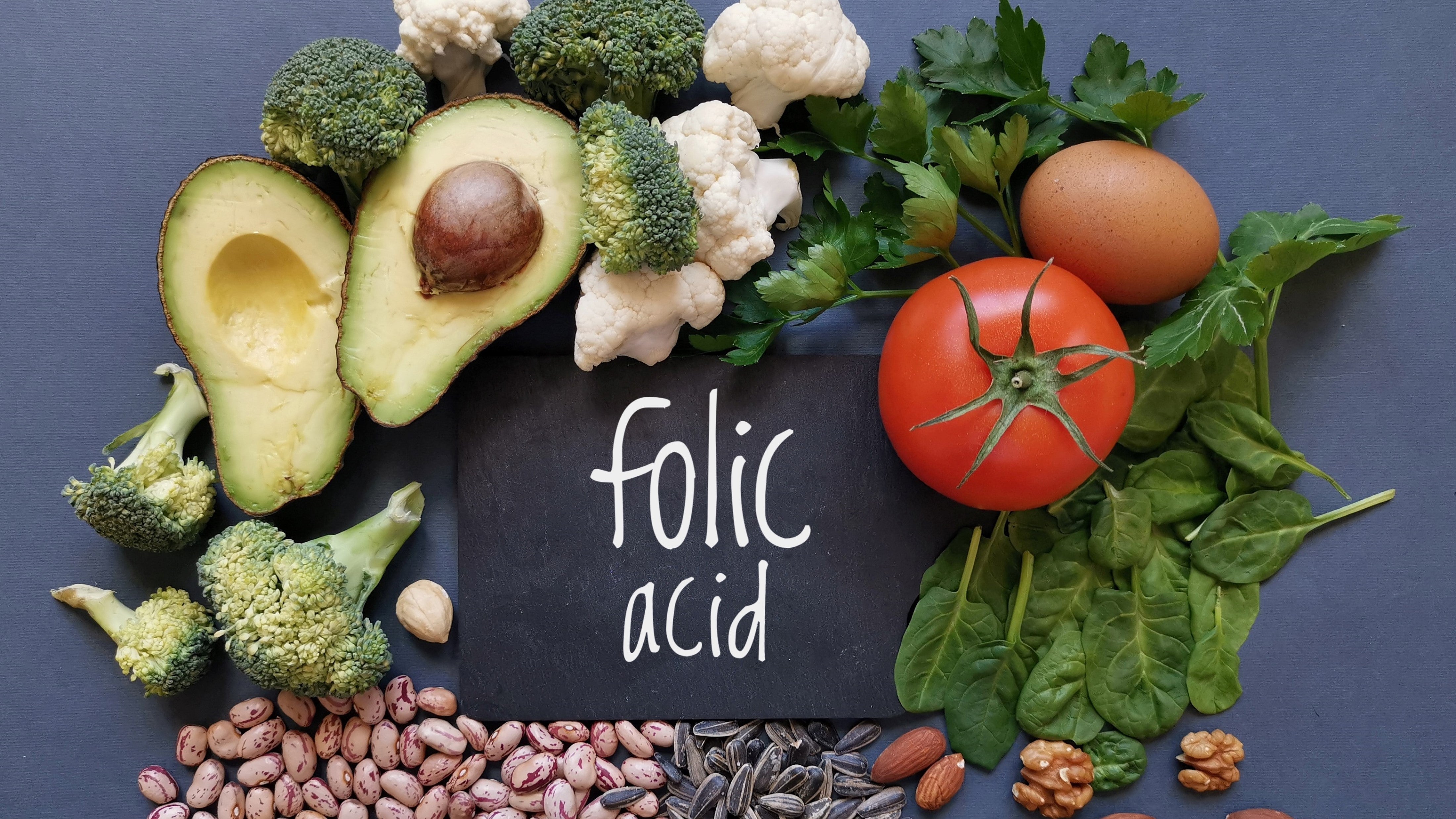
Foods rich in folate include:
- asparagus
- avocados
- Brussels sprouts
- leafy greens like spinach and lettuce
However, for certain groups, such as pregnant people, supplements are strongly advised to ensure sufficient vitamin B9 and particularly to help prevent neural tube defects in the developing fetus, including among those with MTHFR gene variants that affect folic acid metabolism.
Folic acid supplements are advised in addition to a diet rich in natural folate sources. There is no clinical trial evidence proving that alternate folate supplements, such as MTHF, can replace folic acid for preventing neural tube defects.
Folic acid is the most widely available supplemental form of vitamin B9 and can be bought at pharmacies and online.
Other supplements contain 5-MTHF, considered an alternative to folic acid, though neither the CDC nor the WHO endorses it over folic acid for those planning pregnancy or during pregnancy.
Supplemental 5-MTHF comes as levomefolate calcium or levomefolate magnesium, sold under brand names like Metafolin, Deplin, and Enlyte, and is available online.
The bottom line
Folate is the natural form of vitamin B9 found in foods, while folic acid is the manufactured form.
High intake of folic acid can raise blood levels of unmetabolized folic acid. Some researchers worry this might have negative health effects over time, but further research is needed to confirm any risks.
Alternatives to folic acid include 5-MTHF (levomefolate) or consuming folate-rich whole foods like leafy greens.
Remember that folic acid remains the recommended choice for people planning pregnancy and during pregnancy. Talk with a healthcare provider before starting or altering any supplement regimen.
Frequently Asked Questions
Folate is the natural form of vitamin B9 found in foods and is converted to the biologically active 5‑MTHF in the body. Folic acid is the synthetic form used in supplements and fortified foods and may not be fully converted to 5‑MTHF in some people.
Folic acid supplementation reduces the risk of neural tube defects in early fetal development. Public health guidance recommends daily folic acid for people planning pregnancy and during early pregnancy to ensure sufficient B9 levels.
Some studies link high levels of unmetabolized folic acid to potential health concerns, including possible cancer risk, but evidence is inconsistent and more research is needed to draw definitive conclusions.
Yes. Supplements containing 5‑MTHF (levomefolate) provide the active form of folate and may bypass conversion issues, while consuming folate‑rich whole foods is another preferred option for many people.
Eat folate‑rich foods such as leafy greens, asparagus, avocados, Brussels sprouts, beans, and fortified grains. Certain groups, like pregnant people, may still need supplements to meet recommended intakes.
Read Next

EGCG (Epigallocatechin Gallate): Benefits, Dosage, and Safety

What Is Colloidal Silver, and Is It Safe?

What Are Deer Antler Supplements? Health Effects and Safety

Does Tribulus Terrestris Really Work? An Evidence-Based Look

Remedios naturales para colitis ulcerosa: Dieta, suplementos y más

What Is Wormwood, and How Is It Used?
Related Posts

Seed Probiotics Review 2025: A Dietitian’s Take
Aug 24, 2026 • 33 min read
Does Evening Primrose Oil Safely Induce Labor?
Aug 16, 2026 • 17 min read
Everything You Need to Know About Borage Oil
Aug 9, 2026 • 8 min read
What Are Licorice Root's Benefits and Downsides?
Aug 31, 2026 • 12 min read
Health Benefits of Hawthorn Berry
Aug 24, 2026 • 15 min read