Do Magnetic Bracelets Really Help with Pain?

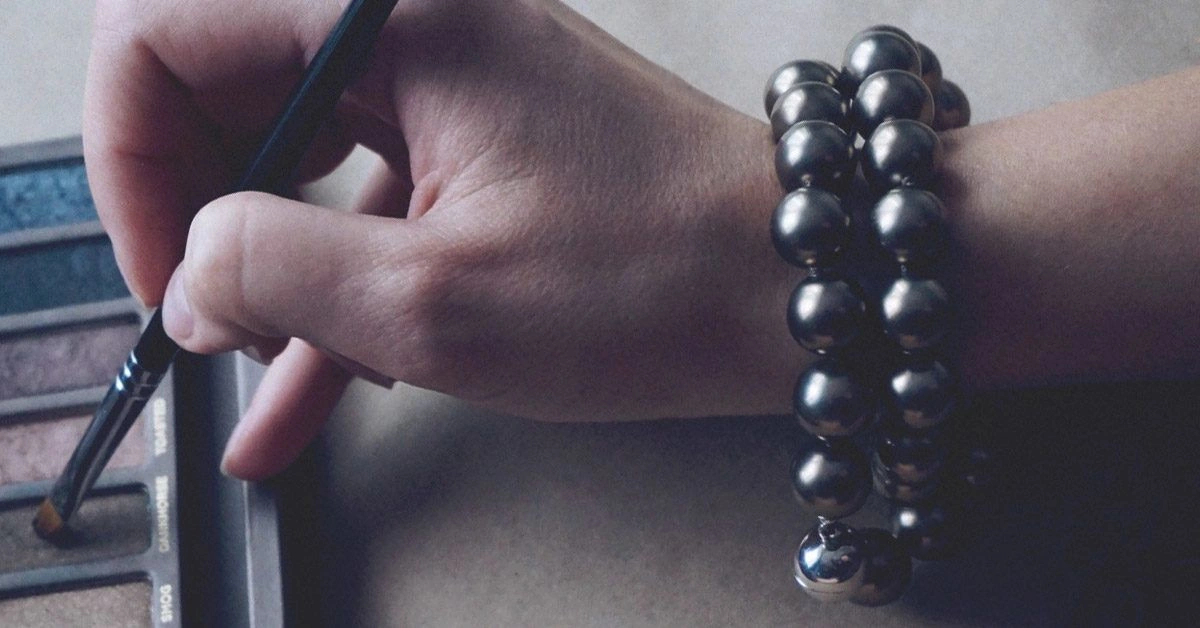
Can magnets help with pain?
With complementary and alternative therapies more fashionable than ever, it’s not surprising that some product claims verge on questionable or are outright false.
Popular since antiquity—even in the era of Cleopatra—the notion that magnetic bracelets are a panacea remains fiercely contested. Researchers, entrepreneurs, and those seeking relief from discomfort and illness each hold their own views.
Today, magnets appear in socks, compression sleeves, mattresses, bracelets, and sports apparel. Users apply them for pain from arthritis as well as discomfort in the heel, foot, wrist, hip, knee, and back, and even to address dizziness. But do these devices actually provide benefit?

Where the theory comes from
The idea of using magnets for healing traces back to the Renaissance. Proponents believed magnets contained a living force and would wear a bracelet or metallic amulet hoping to combat illness, infection, or persistent pain. However, as medicine advanced through the 1800s, magnetic treatments were increasingly regarded as ineffective and sometimes hazardous.
Magnetic therapy re-emerged in the 1970s with Albert Roy Davis, PhD, who investigated how positive and negative charges might influence human biology. Davis asserted that magnetic energy could destroy malignant cells, ease arthritis pain, and even treat infertility.
Today, the market for magnetic pain-relief products is a multibillion-dollar business worldwide. Yet despite renewed interest, recent evaluations find the supporting evidence lacking.
So, do they really work?
Most scientific studies say no. Davis’ claims and a 1976 experiment have been largely refuted, and there’s scant proof that magnetic bracelets will play a role in future pain therapies.
A 2007 review concluded that magnetic bracelets don’t effectively treat pain from osteoarthritis, rheumatoid arthritis, or fibromyalgia. Another study in 2013 found that magnetic and copper wristbands performed no better than placebos for pain relief, inflammation reduction, or improving physical function.
The National Center for Complementary and Integrative Health (NCCIH) states that static magnets—such as those in bracelets—are ineffective. They advise against substituting magnets for standard medical care and treatment.
Are magnets dangerous?
Most consumer magnets advertised for pain relief are made from metals like iron or copper, or from metal alloys (combinations of metals or metals with nonmetals). Their strengths typically range from about 300 to 5,000 gauss, far weaker than the magnetic fields used in MRI scanners.
Generally considered safe, the NCCIH cautions that magnetic devices can pose risks for certain individuals. They recommend avoiding magnets if you have a pacemaker or use an insulin pump, as the magnets might interfere with these devices.
The takeaway
Despite the widespread appeal of magnetic bracelets, scientific evidence overwhelmingly does not support their effectiveness for treating chronic pain, inflammation, disease, or general health shortfalls.
Do not use magnets as a substitute for proper medical evaluation and treatment, and steer clear of them if you rely on a pacemaker or an insulin pump.
Frequently Asked Questions
Most high-quality studies find magnetic bracelets do not provide meaningful pain relief beyond placebo effects. Reviews of trials for conditions like arthritis and fibromyalgia conclude there’s little scientific support for their effectiveness.
Generally they are safe for most people, but they can interfere with medical devices such as pacemakers and insulin pumps. People with such devices should avoid magnetic bracelets and consult their healthcare provider.
Improvements are often attributed to the placebo effect, where expectation and belief in a treatment produce perceived benefits. Other factors like increased attention to symptoms or concurrent therapies may also play a role.
Harm is uncommon for healthy users, though magnets can disrupt implanted electronic devices. Rare skin irritation or allergic reactions to metals like copper or nickel are possible for sensitive individuals.
No. Magnetic bracelets are not a substitute for evidence-based medical care. Always seek professional medical advice for diagnosis and treatment of chronic or serious health conditions.






Related Posts
5 Best Massage Chair Pads
Aug 2, 2026 • 12 min read
Natural Pain Relievers
Sep 4, 2026 • 35 min read
Is It Safe to Mix Naproxen and Acetaminophen?
Aug 18, 2026 • 34 min read
What You Need to Know About a Full Liquid Diet
Sep 4, 2026 • 28 min read
What Is the Webster Method?
Aug 13, 2026 • 16 min read