Racing Thoughts: What to Do When Your Mind Is Racing


- How to stop your mind from racing
- 1. Focus on breathing
- 2. Use a mantra
- 3. Reduce pre-sleep stress
- Therapy
- Medications for racing thoughts
- What causes racing thoughts?
- Anxiety
- Attention deficit hyperactivity disorder (ADHD)
- Obsessive-compulsive disorder (OCD)
- Bipolar disorder
- Agitated depression
- Medication side effect
- When to contact a doctor
Racing thoughts can make it difficult to wind down and get restful sleep. Approaches for managing them range from simple at-home practices, like breathing exercises, to longer-term solutions such as medication and psychotherapy.
Racing thoughts are rapid, frequently repetitive streams of thinking that can feel overwhelming. They might center on one issue or jump between several unrelated topics. You might ruminate over finances, an awkward interaction, or a fear, and these thoughts can intensify over time.
These fast-moving thoughts can heighten anxiety or unease and interfere with your ability to concentrate.
When racing thoughts strike, you might notice:
- your mind seems to be running nonstop
- you can’t seem to slow your thoughts
- your mind won’t “turn off,” making relaxation impossible
- it’s hard to focus on anything else
- you compulsively dwell on a problem that’s been exaggerated
- you begin catastrophizing or imagining worst-case scenarios
Racing thoughts can lead to insomnia, occurring when you cannot fall or stay asleep because your mind won’t slow down. Below are strategies to help calm your thoughts, longer-term treatment options, and possible causes of racing thoughts.
How to stop your mind from racing
There are several practical steps you can use to manage or prevent racing thoughts when they occur:
1. Focus on breathing
Take slow, deep breaths and concentrate on counting as you inhale and exhale. This directs your attention away from racing thoughts and can soothe your central nervous system, helping to lower anxiety.
Examples of calming breathing techniques include:
- 4-7-8 breathing
- box breathing
- diaphragmatic breathing
- alternate-nostril breathing
2. Use a mantra
Repeating a short phrase or mantra can help divert your attention from spiraling thoughts. Even a simple phrase like “Everything will be okay” can be calming. Mantras can reduce feelings of stress, fear, and low mood.
3. Reduce pre-sleep stress
If your racing thoughts frequently arise at night as you try to sleep, adjust your bedtime routine so you can relax and sleep more soundly.
Aim to avoid stressful activities for at least two hours before bed. Meditating or doing gentle yoga, reading a book or magazine, or taking a relaxing bath can help. Steer clear of screens and mentally stimulating tasks during this pre-sleep window.
A soothing evening routine can also include a supportive mattress and bedding, plus blackout curtains to improve sleep quality.
Therapy
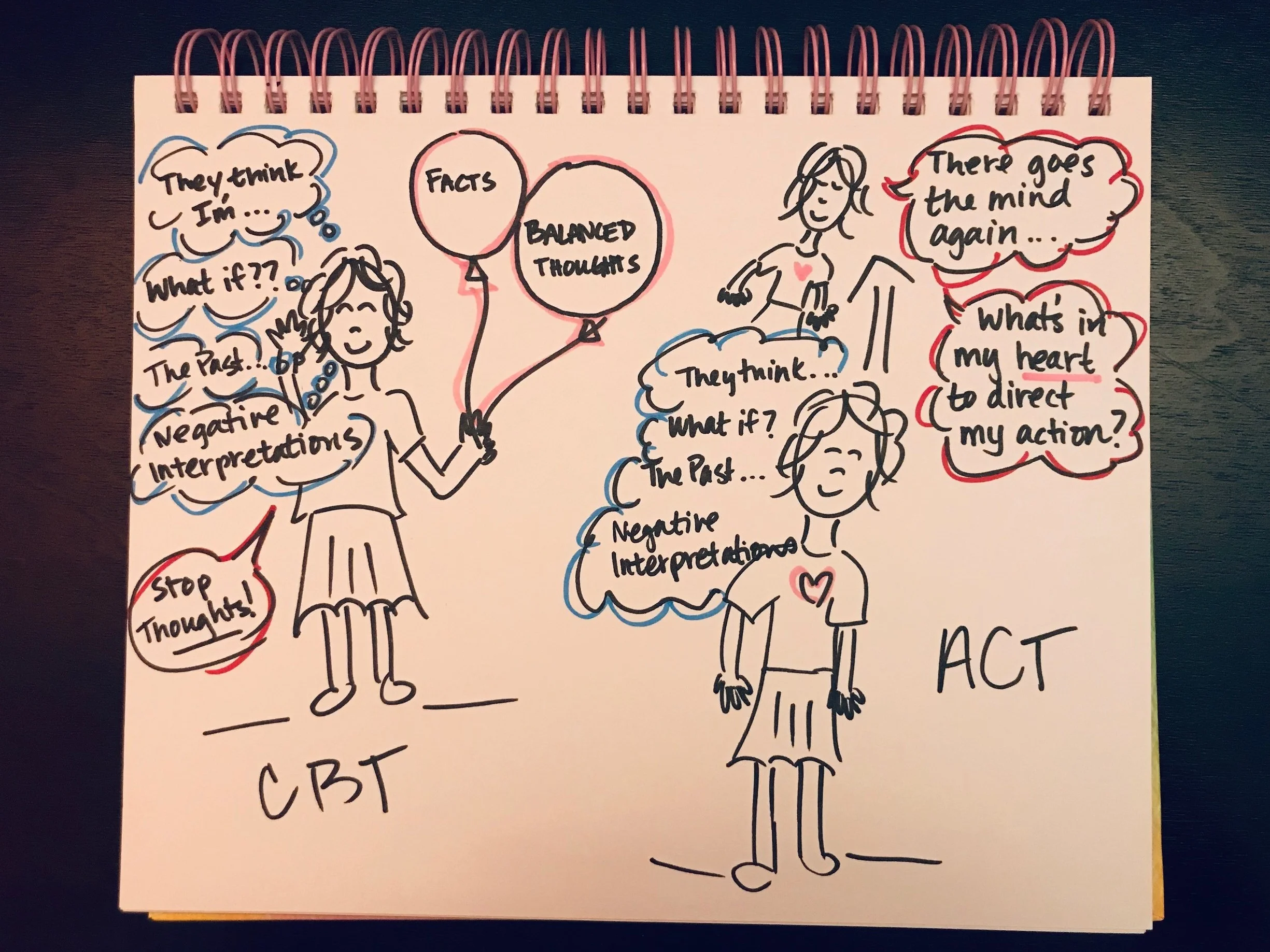
Over time, therapy can help uncover the reasons behind your racing thoughts. Cognitive behavioral therapy (CBT) is often particularly useful, teaching practical coping strategies and techniques to manage these thought patterns.
Techniques taught in therapy may include:
- structured deep-breathing practices
- writing thoughts down in a journal
- using calming mantras
- grounding in the present and concentrating on what’s controllable now
Medications for racing thoughts
A clinician might prescribe medication to address underlying conditions, especially when racing thoughts occur with anxiety attacks or bipolar episodes. Possible medications include:
- antidepressants
- anti-anxiety drugs
- antipsychotic medications
- mood stabilizers
What causes racing thoughts?
Racing thoughts can be a symptom of various conditions. While common with anxiety, other disorders may also produce them.
Anxiety
Anxiety frequently causes racing thoughts. Although especially common during panic or anxiety attacks, these rapid thoughts can occur at any time and may precede or follow an attack.
Attention deficit hyperactivity disorder (ADHD)
ADHD involves patterns of inattention or hyperactivity. Some people describe their inattention as racing thoughts, particularly when overwhelmed by external stimulation. Wandering thoughts and difficulty sustaining a single train of thought are often reported in ADHD.
Obsessive-compulsive disorder (OCD)
OCD is a condition where intrusive obsessions or repetitive compulsions are hard to dismiss. Obsessions can present as racing thoughts—an avalanche of persistent thinking about a specific topic.
Compulsions, such as repeatedly washing hands a set number of times, may be used to alleviate the distress caused by these thoughts.

Bipolar disorder
Bipolar disorder involves swings between extreme highs (mania) and lows (depression). Racing thoughts are a common feature during manic episodes, though they can also appear with depression, particularly agitated depression.
Agitated depression
Agitated depression is an older term for a form of severe depression characterized more by agitation than the typical slowness associated with many depressive episodes. Symptoms may include:
- restlessness
- irritability
- quickness to react
People with agitated depression may be more prone to experiencing racing thoughts than those with other depression subtypes.
Medication side effect
At times, medications treating one symptom can worsen or cause another. Drugs prescribed for depression, anxiety, or bipolar disorder may occasionally trigger agitated states, which can then bring on racing thoughts.
If you begin a new medication and notice racing thoughts, contact your provider so your treatment or dosage can be reassessed promptly.
When to contact a doctor
Talk with a physician or therapist if racing thoughts are frequent and interfere with daily life or sleep. Seek evaluation for a mood or mental health disorder promptly if racing thoughts occur along with any of the following:
- symptoms of depression
- marked irritability
- intense compulsions
- anxiety attacks
- panic attacks
- significant mood swings
Treatment can begin after a proper diagnosis. As with other medical issues, mental health conditions are generally easier to manage when identified early.
Frequently Asked Questions
Racing thoughts are rapid, repetitive streams of thinking that jump between topics or fixate on worries, often causing distress and difficulty concentrating.
Try slow, deep breathing (like 4-7-8), a simple calming mantra, grounding exercises, or writing the thoughts down to shift focus and reduce intensity.
Consult a clinician if racing thoughts are frequent, disrupt sleep or daily life, or occur with severe mood swings, panic attacks, or compulsive behaviors.
Yes. Therapies such as cognitive behavioral therapy (CBT) teach coping strategies and techniques to manage the patterns and reduce their impact over time.
Medication may be prescribed when racing thoughts are linked to conditions like anxiety, bipolar disorder, or severe depression; choices depend on the underlying diagnosis.






Related Posts

Midlife Crisis or Midlife Myth? What to Know About Going ‘Over the Hill’
Sep 22, 2026 • 25 min read
5 Ways to Reduce Stress-Related Tension in Your Neck and Shoulders
Sep 23, 2026 • 30 min read
When and How Should You End a Relationship with a Person Diagnosed with Bipolar Disorder?
Sep 2, 2026 • 16 min read
Side Effects of Trulicity: What You Need to Know
Aug 16, 2026 • 11 min read
Tomatoes 101: Nutrition Facts and Health Benefits
Sep 3, 2026 • 3 min read