What to Know About Schisandra

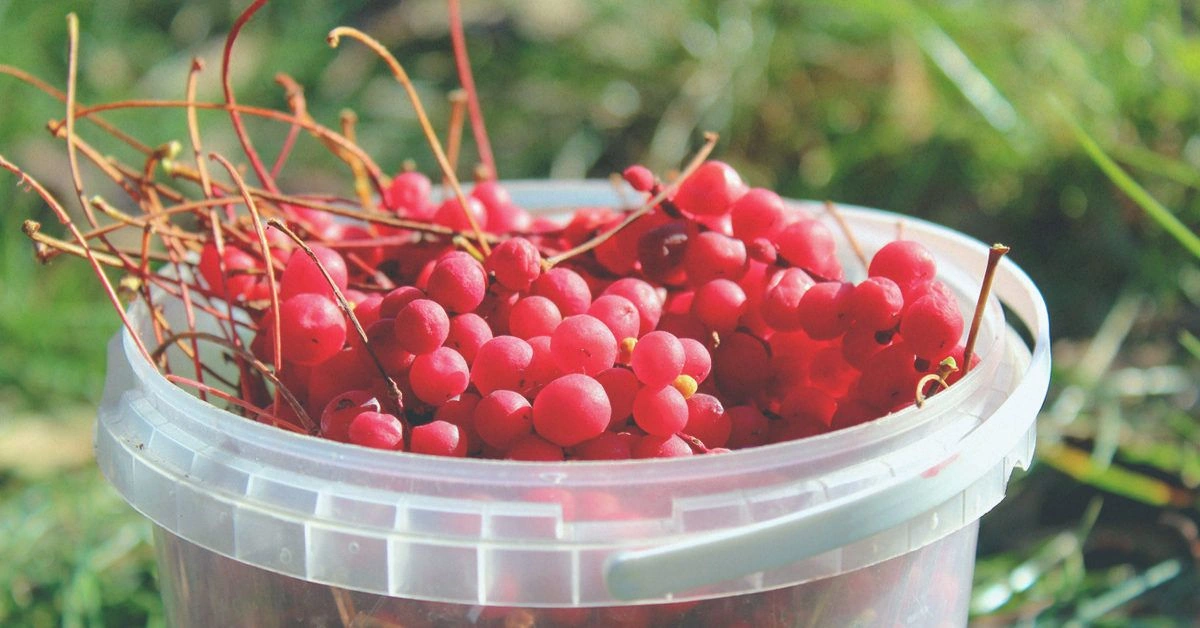
Schisandra chinensis, commonly called the five-flavor fruit, is a climbing vine that produces berries. Although not commonly consumed as a regular food, it has a long tradition of medicinal use across Asia and Russia.
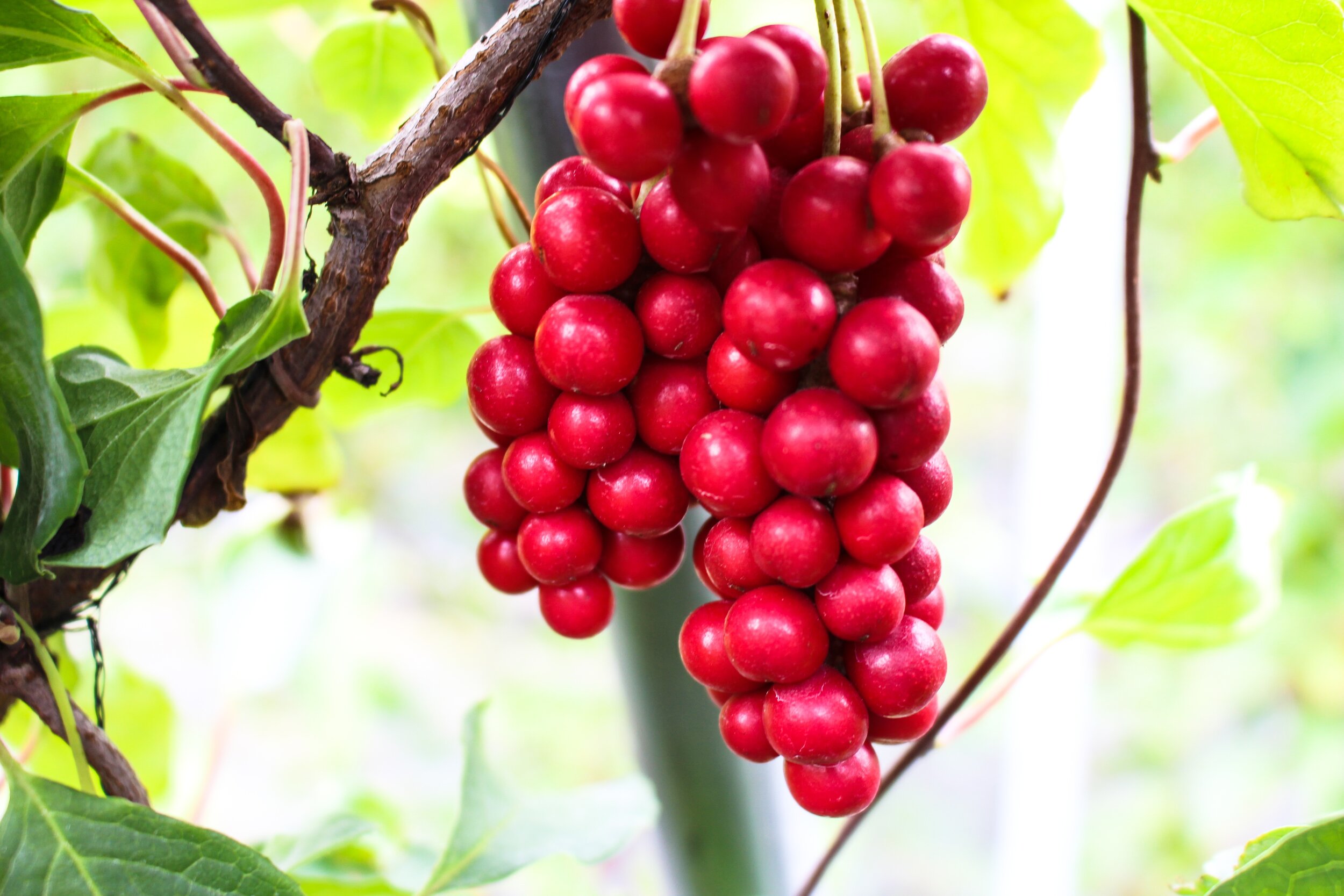
The plant’s reddish-purple berries are noted for exhibiting five distinct tastes: sweet, salty, bitter, pungent, and sour. The seeds within the Schisandra fruit are rich in lignans, compounds that may offer health-promoting properties.
In traditional Chinese medicine, Schisandra is believed to support qi — the vital energy present in all life. It is thought to positively influence several meridians, or energy channels, including those associated with the heart, lungs, and kidneys.
Continue reading to discover more about Schisandra.
Available forms of Schisandra
Schisandrins A, B, and C are active phytochemicals derived from the Schisandra berries. These compounds are commonly extracted for study and use.
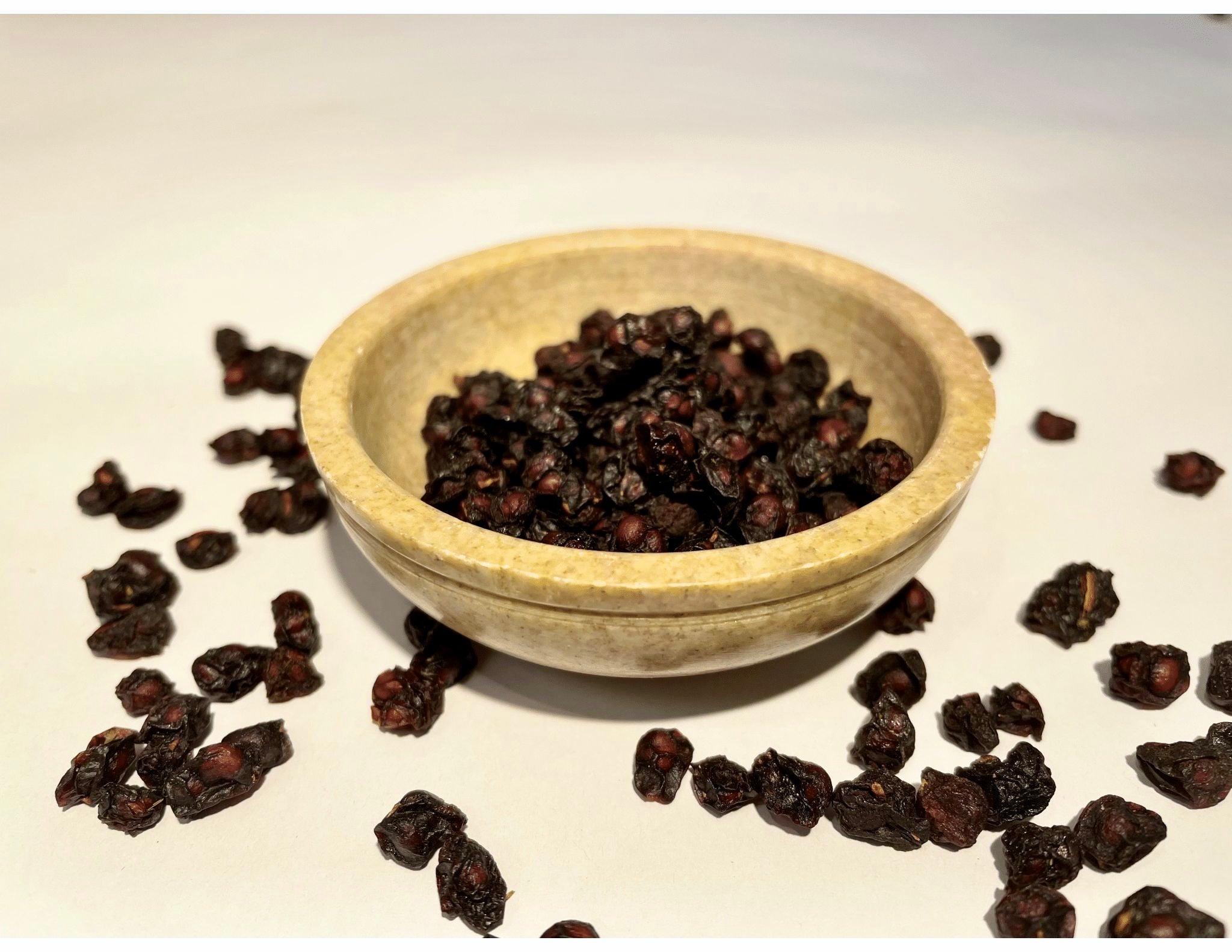
Schisandra is sold in various supplement forms such as dried powder, capsules, tinctures, and liquid extracts. Packaging for these products usually lists a suggested dosage. You can also buy the berries themselves or as a juice.
Reported benefits
Schisandra is applied to a broad array of health concerns. Some animal and human research suggests Schisandra may positively affect several conditions.
Alzheimer’s disease
A 2017 study indicated Schisandrin B might alter the course of Alzheimer’s disease. Investigators found this effect was linked to Schisandrin B’s capacity to reduce the accumulation of excess amyloid beta peptides in the brain.
These peptides contribute to amyloid plaque formation, a hallmark seen in Alzheimer’s-affected brains. Nevertheless, these results require additional research for confirmation.
Liver disease
A 2013 animal study reported that pollen-derived extracts from Schisandra exhibited strong antioxidant activity against chemically induced liver injury in mice. Schisandrin C showed protective effects against liver damage in people with both acute and chronic hepatitis.
Moreover, a 2021 in vivo study demonstrated that combining Schisandrin C with curdione reduced cellular oxidative stress, suggesting promise as a potential therapeutic approach for severe liver disease.
Although the outcomes are encouraging, further research is necessary to determine how Schisandra might be applied in clinical care for liver conditions.
Menopause
A small 2016 study evaluated Schisandra extract in people experiencing menopausal symptoms. The researchers concluded that Schisandra helped lessen certain symptoms such as hot flashes, sweating, and palpitations.
Depression
A 2016 animal study found Schisandra extract produced antidepressant-like effects in mice. Follow-up mouse studies by the same team reinforced these observations.
However, research into Schisandra’s antidepressant potential in humans is limited. It should not replace prescribed antidepressant medications, and you should consult a physician before trying it, particularly if you are taking other drugs.
Side effects and precautions
Adhere to the recommended dose listed on supplement labels or as advised by your healthcare provider.
Excessive dosages can provoke gastrointestinal issues such as heartburn. As a result, Schisandra may be unsuitable for individuals with ulcers, gastroesophageal reflux disease (GERD), or conditions involving high stomach acid.
Overall, it is generally associated with few or minimal adverse effects.
Pregnant or breastfeeding people should avoid Schisandra unless supervised by a clinician. Always discuss new supplements with your doctor before starting them.
Helpful guides for buying supplements
- How to Choose High Quality Vitamins and Supplements
- How to Read Supplement Labels Like a Pro
Bottom line
Schisandra has a longstanding record of medicinal use across Asia and Russia.
Although several animal studies suggest benefits for mood disorders and liver health, these findings need validation through more comprehensive human trials before Schisandra can be routinely recommended for those purposes.
Frequently Asked Questions
Schisandra (Schisandra chinensis) is a climbing vine whose red berries are used in traditional Chinese and Russian medicine and are known as the five-flavor fruit.
Schisandra is available as dried berries, powders, capsules, tinctures, liquid extracts, and juices. Active compounds like schisandrins A, B, and C are often concentrated in extracts.
Research suggests potential benefits for liver protection, mood and depressive symptoms, menopausal symptoms, and possibly neuroprotection, though many findings require more human trials.
Common issues include gastrointestinal upset and heartburn at high doses. People with ulcers, GERD, pregnant or breastfeeding individuals, and those on medications should consult a clinician before use.
Look for reputable brands with clear labeling, standardized extracts, dosage guidance, and third-party testing when possible. Follow recommended dosages or your healthcare provider’s advice.
Read Next
Health Benefits of Hawthorn Berry

What Are Deer Antler Supplements? Health Effects and Safety
Everything You Need to Know About Borage Oil
Does Tribulus Terrestris Really Work? An Evidence-Based Look

The 5 Best Broad-Spectrum CBD Products for 2025: Tried and Tested

EGCG (Epigallocatechin Gallate): Benefits, Dosage, and Safety
Related Posts

4 Best CBD Gummies for Anxiety and Stress in 2025
Sep 27, 2026 • 5 min read
What Is Colloidal Silver, and Is It Safe?
Sep 10, 2026 • 18 min read
Does Evening Primrose Oil Safely Induce Labor?
Aug 16, 2026 • 8 min read
What Are Licorice Root's Benefits and Downsides?
Aug 31, 2026 • 31 min read
Folic Acid vs. Folate — What’s the Difference?
Aug 17, 2026 • 7 min read