Causticum: Uses and Potential Benefits


Causticum, known chemically as potassium hydrate, is a homeopathic preparation used for a variety of complaints. It’s sold in multiple formats, including tablets, liquid dilutions, and topical creams.
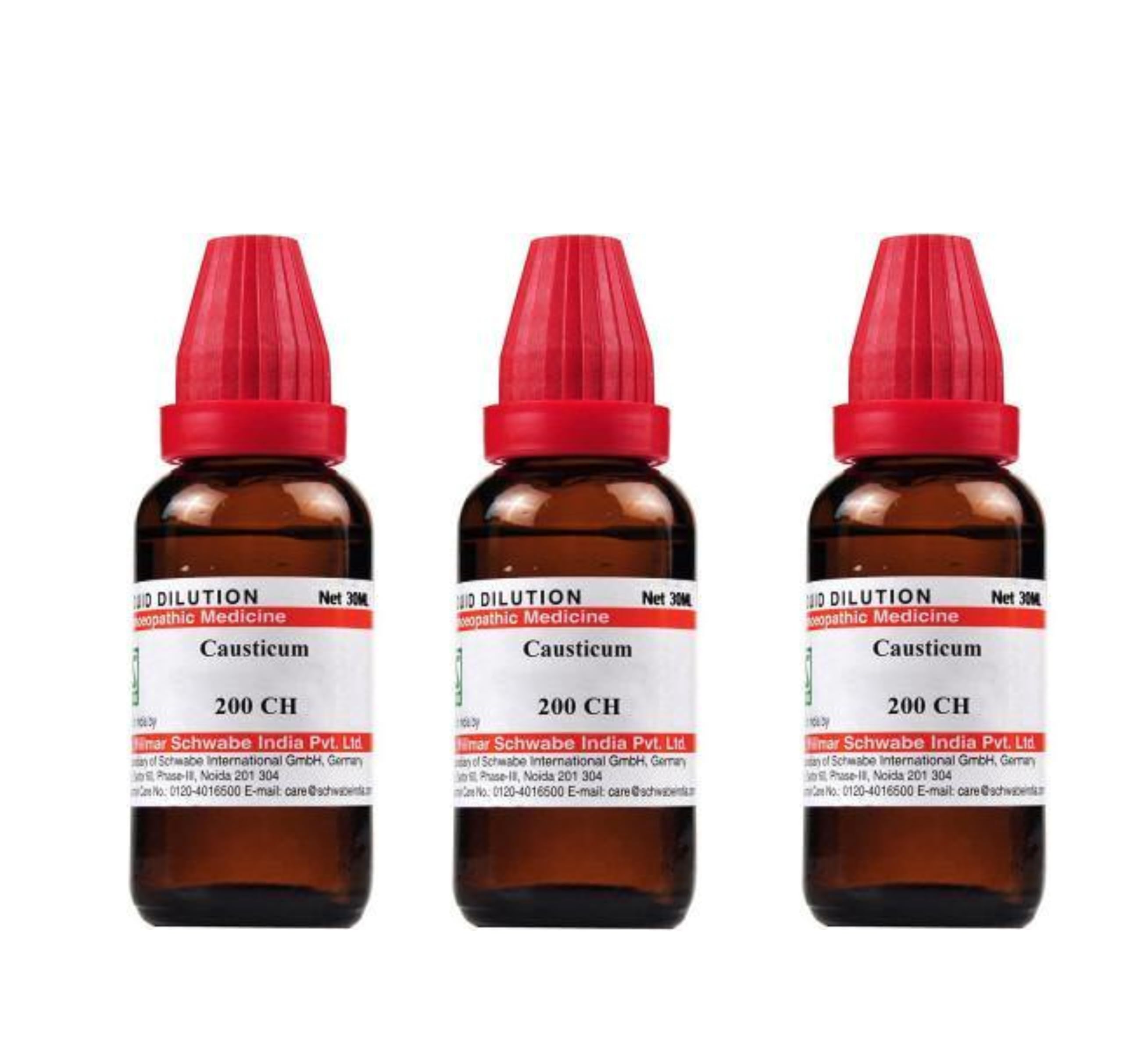
Practitioners use causticum for different problems, such as stress-related incontinence, persistent coughing, frequent sneezing, and difficulties with urine retention.
Still, rigorous scientific study on causticum’s effectiveness and safety is scarce, and the Food and Drug Administration (FDA) does not assess it or other homeopathic preparations for efficacy or safety.
This article reviews what is claimed about causticum, how it’s used, potential benefits, and possible harms.
How is causticum used in homeopathy?
Within homeopathic practice, causticum is considered a polychrest — a broadly applied remedy used for numerous complaints.
Per the National Institutes of Health (NIH) , homeopaths recommend causticum for physical signs and syndromes including:
- menopausal symptoms
- coughing
- sneezing
- bladder or urinary troubles
Homeopaths also suggest it for psychological complaints such as mental exhaustion or stress-related mental issues.
What is homeopathy?
Homeopathy is a healthcare approach that began in Germany more than two centuries ago. It’s founded on the idea that highly diluted natural substances can provoke the body’s own healing processes.
The central principle is “like cures like”—the notion that a substance that causes certain symptoms in a healthy person, when given in tiny amounts, can treat similar symptoms in someone who is ill.
According to the National Center for Complementary and Integrative Health , there is limited evidence supporting homeopathy as an effective therapy for specific medical conditions.
Are there benefits?
High-quality clinical trials assessing homeopathic causticum for particular ailments are limited. Available evidence mostly consists of case reports and small observational accounts, for example:
- Bell’s palsy:Bell’s palsy involves sudden weakness or paralysis of facial muscles, likely from inflammation. A 2023 case report described a 59-year-old woman whose symptoms resolved while receiving homeopathic causticum.
- Warts:A 2019 case report of a 20-year-old man with forehead warts noted clearance after treatment with causticum and rubrum, with no recurrence. Likewise, a 2024 case report detailed successful treatment of facial warts in a 7-year-old girl using causticum.
- Osteoarthritis:Osteoarthritis is a degenerative joint disorder where cartilage breaks down, causing pain and swelling. A 2024 case report of a 52-year-old man found symptom relief, including reduced knee pain and burning sensations, after using causticum.
Nevertheless, thorough scientific investigations are required to substantiate these findings. Without robust research demonstrating positive outcomes, claims about alternative therapies lack solid evidence.
Causticum availability
Causticum is widely sold online and in health stores in several preparations, such as:
- pellets
- tablets
- liquid dilutions
- lotion or cream
Labeling
Product labels may show the letters HPUS after the potency, for example causticum 6X HPUS. This indicates the ingredient is listed in the Homoeopathic Pharmacopoeia of the United States.
Disclaimer
Packages that contain causticum often carry disclaimers such as:
- There is no scientific proof that this product is effective.
- The product’s claims are based on homeopathic theories from the 1700s that many modern medical professionals do not accept.
- The FDA has not identified scientific evidence supporting homeopathy as an effective treatment.
Homeopathic remedies and the FDA
No homeopathic products marketed in the United States are currently FDA-approved. That means products labeled homeopathic have not undergone FDA evaluation for safety or effectiveness.
The FDA has proposed regulatory actions and enforcement against unapproved homeopathic drugs, concentrating on items deemed to pose the highest risk to consumers.
Still, many homeopathic products may fall outside these focused, risk-based categories, so a number of such products will likely remain available.
Takeaway
If you’re thinking about trying causticum or any homeopathic treatment, speak with your healthcare provider first. Your clinician can advise you about potential side effects, interactions with current medications, and whether such an approach is appropriate for your situation.
Consulting healthcare professionals about complementary therapies helps you gather the information needed to make informed choices.
Frequently Asked Questions
Causticum is used in homeopathy for conditions such as persistent cough, urinary problems (including stress-related incontinence), frequent sneezing, and certain nerve-related complaints.
High-quality clinical studies on Causticum are limited. Most supportive reports are case studies and small observational accounts; robust clinical trials are lacking.
No homeopathic products, including Causticum, are FDA-approved for safety or effectiveness. The FDA has proposed targeted regulatory actions for high-risk items, but many homeopathic products remain on the market.
Causticum is available as pellets, tablets, liquid dilutions, and topical creams or lotions. Potency and labeling (e.g., “6X HPUS”) vary by product and manufacturer.
Yes. Consult a healthcare provider before trying Causticum to discuss possible side effects, interactions with medications, and whether it is appropriate for your health needs.
Read Next

Hiya Vitamins Review By a Mom Who Is a Dietitian

The 5 Best CBD Gummies for Sleep and Relaxation: Our Testers Tell All
The 10 Best Selenium Supplements, According to a Dietitian

Folic Acid vs. Folate — What’s the Difference?

Everything You Need to Know About Borage Oil

What Is Colloidal Silver, and Is It Safe?
Related Posts

5 Best Vitamin B Complex Supplements for 2025, According to Our Dietitians
Oct 2, 2026 • 6 min read
Is Willow Bark Nature’s Aspirin?
Sep 8, 2026 • 31 min read
Health Benefits of Hawthorn Berry
Aug 24, 2026 • 35 min read
The 5 Best Broad-Spectrum CBD Products for 2025: Tried and Tested
Sep 27, 2026 • 14 min read
Does Evening Primrose Oil Safely Induce Labor?
Aug 16, 2026 • 9 min read