What to Expect After a Chemical Peel


There are multiple types of chemical peels, each following its own recovery timeline. Depending on the specific peel you choose, it may be several weeks before noticeable improvements appear.
As implied by the name, chemical peels are treatments that use chemical solutions to remove the outermost layers of skin. The chemical agent exfoliates the surface, ultimately revealing smoother skin beneath.
People often undergo chemical peels on the face, neck, or hands to address a variety of concerns, including:
- fine lines
- wrinkles
- hyperpigmentation
- uneven skin tone
- redness or discoloration
- scarring
- melasma
Chemical peel types
Chemical peels are commonly categorized into three levels based on how deeply they penetrate the skin:
- Superficial (light) peels: These are the mildest option and use gentler acids, like alpha hydroxy acids, to remove only the top skin layer. Light peels are helpful for fine lines, mild wrinkles, enlarged pores, acne, light hyperpigmentation, and minor textural issues.
- Medium peels: These reach deeper than superficial peels, often employing a moderate-strength trichloroacetic acid. Medium peels can reduce the look of scars, address moderate hyperpigmentation, and lessen sun damage signs.
- Deep peels: These penetrate more substantially than light or medium peels. Acids used may include phenol or higher-strength trichloroacetic acid. Deep peels can target deeper wrinkles, significant scarring, and pronounced texture problems.
Some peels are more appropriate for certain skin tones. For example, individuals with darker complexions may want to avoid deep peels due to a higher risk of hyperpigmentation or other adverse effects. When selecting a peel, consult a dermatologist experienced with your skin type to achieve optimal results.
Learn about the various chemical peel options and which one may be best for you.
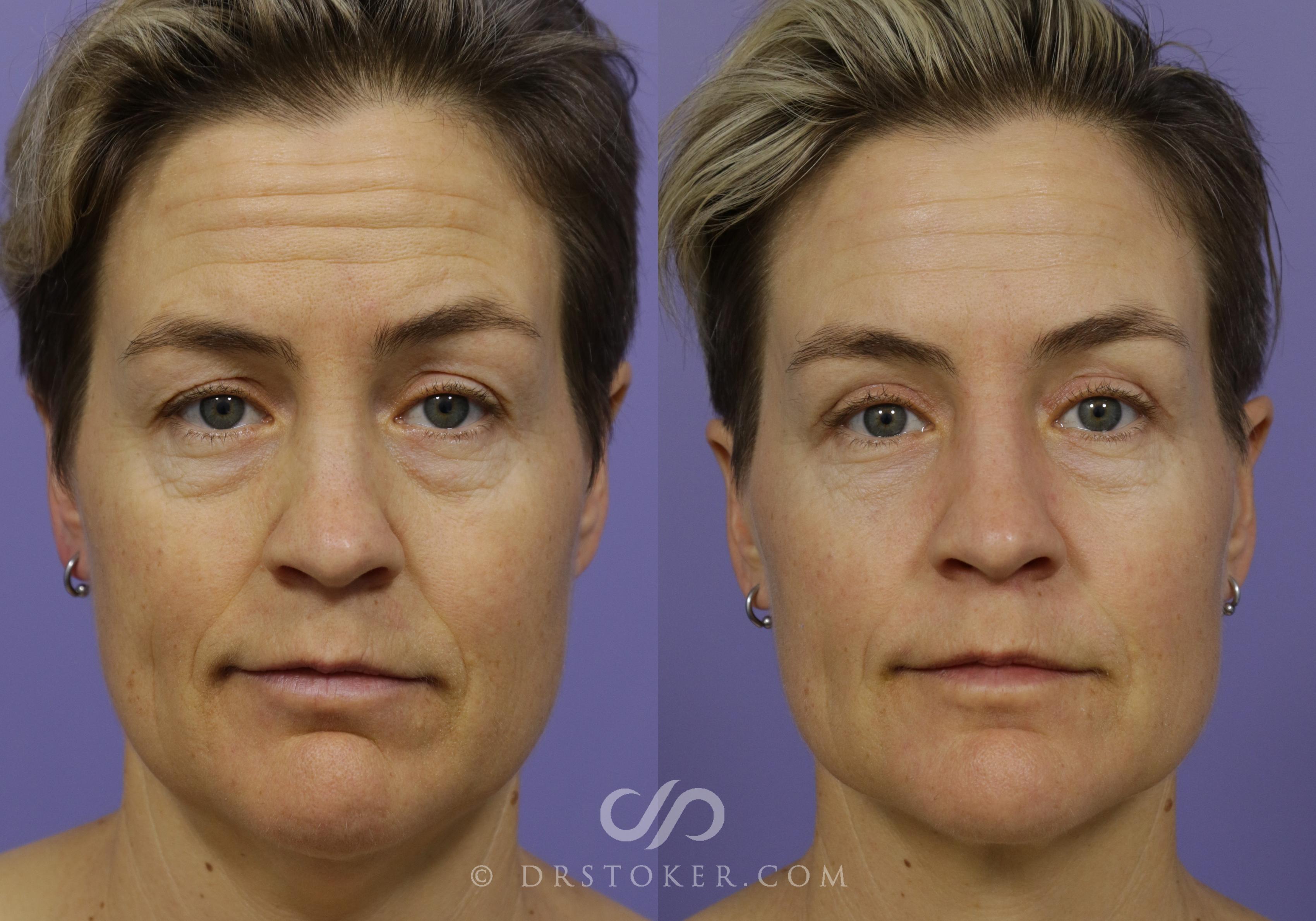
Before and after photos
How will my skin look immediately after?
The immediate appearance of your skin after a peel depends on your skin and the peel’s strength:
- Light peels: Expect some flaking and irritation that can last up to a week, along with potential redness or minor discoloration.
- Medium peels: Your skin may appear swollen, red, or discolored at first, then form crusts and blotchy areas before the new skin emerges. Some individuals experience lingering discoloration for several months.
- Deep peels: These often cause significant swelling, red or grayish discoloration, burning, stinging, peeling, crusting, and other irritation for days to weeks. Small milia or blotchy patches can occur, and eyelids may swell, making it hard to open them. Most healing occurs within a couple of weeks, though discoloration can continue for months.
When will I start to notice results?
After a superficial or medium peel, your skin will slough for several days. Usually, this resolves in 5 to 10 days . Around that time, even if redness or irritation persists, you’ll have a clearer sense of your outcome.
Following a deep peel, the skin begins repairing itself about 3 to 4 days post-procedure. This repair phase lasts for roughly 2 weeks , after which results start to become apparent.
How long does it take to heal fully?
Full recovery time varies by peel depth. According to the American Academy of Dermatology Association:
- Light peels typically heal in about 1 to 7 days.
- Medium peels generally heal in about 7 to 14 days. Once swelling decreases, discoloration may persist for several months.
- Deep peels usually heal in about 14 to 21 days. Skin may still show discoloration for up to three months.
As your skin recovers, be sure to follow any post-treatment directions from your dermatologist, such as keeping the skin moisturized and using sunscreen.
How long will the effects last?
Results from deep peels can endure for 10 years or more and usually don’t need additional treatments.
Outcomes from superficial and medium peels vary based on skin type, aftercare, and the acids applied.
To maintain medium peel benefits, consider a repeat procedure every 6 to 12 months . Superficial peels may be repeated every 2 to 5 weeks.
The bottom line
Chemical peels involve applying a solution to the face, neck, or hands that causes the outer skin layers to shed. Afterward, the treated area can show irritation for up to 21 days, with stronger peels taking longer to recover.
Light and medium peels usually need periodic touch-ups to maintain results, while deep peels reach further into the dermis and can last as long as 10 years or more.
Frequently Asked Questions
Timing depends on peel depth: superficial peels show improvements in about 5–10 days, medium peels around 1–2 weeks, and deep peels begin to reveal results after roughly 2 weeks, with continued improvement over months.
Immediately after, skin may be red, swollen, or flaky. Light peels cause mild flaking; medium peels can crust and blotch; deep peels often produce more swelling, peeling, and temporary discoloration.
Healing varies: light peels typically 1–7 days, medium peels 7–14 days (with some discoloration lasting months), and deep peels about 14–21 days with possible longer-term color changes.
Deep peel results can last 10 years or more. Medium and superficial peel longevity depends on skin care and sun protection; repeat treatments may be recommended every few weeks to 12 months depending on peel type.
Some peels carry higher risk of hyperpigmentation for darker skin. A dermatologist experienced with diverse skin types can recommend appropriate peel depth and pre/post care to reduce complications.





Related Posts
Proper Dosage for Botox Treatment on the Forehead, Eyes, and Glabella
Aug 20, 2026 • 23 min read
How to Get Perky Breasts Without Surgery
Sep 9, 2026 • 31 min read
5 Evidence-Based Ways Collagen May Improve Your Hair
Sep 1, 2026 • 30 min read
Is Microblading Your Eyebrows Painful?
Aug 9, 2026 • 27 min read
Are There Benefits to Using Almond Oil on Your Face?
Jul 30, 2026 • 19 min read