Does Delta-8 Show Up on a Drug Test?


- What’s the short answer?
- How long is delta-8 detectable on drug tests?
- Urine test
- Blood test
- Saliva test
- Hair test
- How long does delta-8 take to metabolize?
- What influences how long delta-8 remains in your system?
- Can you speed up delta-8 metabolism?
- Other frequently asked questions
- How does delta-8 differ from delta-9?
- What effects does delta-8 have on the body?
- How quickly do delta-8 effects begin?
- How long do delta-8 effects last?
- Is delta-8 legal?
- The bottom line
Delta-8 THC can register on a drug test. The detection window depends on the testing method, how often you use it, and other individual variables.

In recent years, many people have turned to delta-8 THC products as an alternative to delta-9 THC products.
Cannabis plants produce numerous cannabinoids, each producing distinct effects in the body. Two of the more familiar cannabinoids are cannabidiol (CBD) and tetrahydrocannabinol (THC).
Most THC in cannabis is the delta-9 form, but trace amounts of delta-8 THC are also present. Both delta-9 and delta-8 are psychoactive, meaning they can produce a high.
While delta-8 isn’t federally regulated in the same way as delta-9, several states have placed limits on it. Some states explicitly ban delta-8 by name, while others restrict synthetic cannabinoids, a category that often includes delta-8.
What’s the short answer?
In short: yes — delta-8 THC can be detected on a drug test.
The National Drug Court Institute advises steering clear of delta-8 THC if you expect to undergo drug screening, and not solely because of its unclear legal standing.
Some delta-8 products contain impurities, including delta-9 THC. Moreover, delta-8 itself can influence test outcomes.
Just as courts may prohibit poppy seed consumption because it can lead to a positive opioid test, treatment programs could forbid delta-8 use.
If your goal is to use cannabis in a way that won’t be detected by drug screening, delta-8 is not a reliable option.
How long is delta-8 detectable on drug tests?
There’s no evidence indicating that delta-8 THC is detectable for a different duration than other forms of THC.
The detection period varies by test type, how often delta-8 is used, and an individual’s metabolism.
Urine test
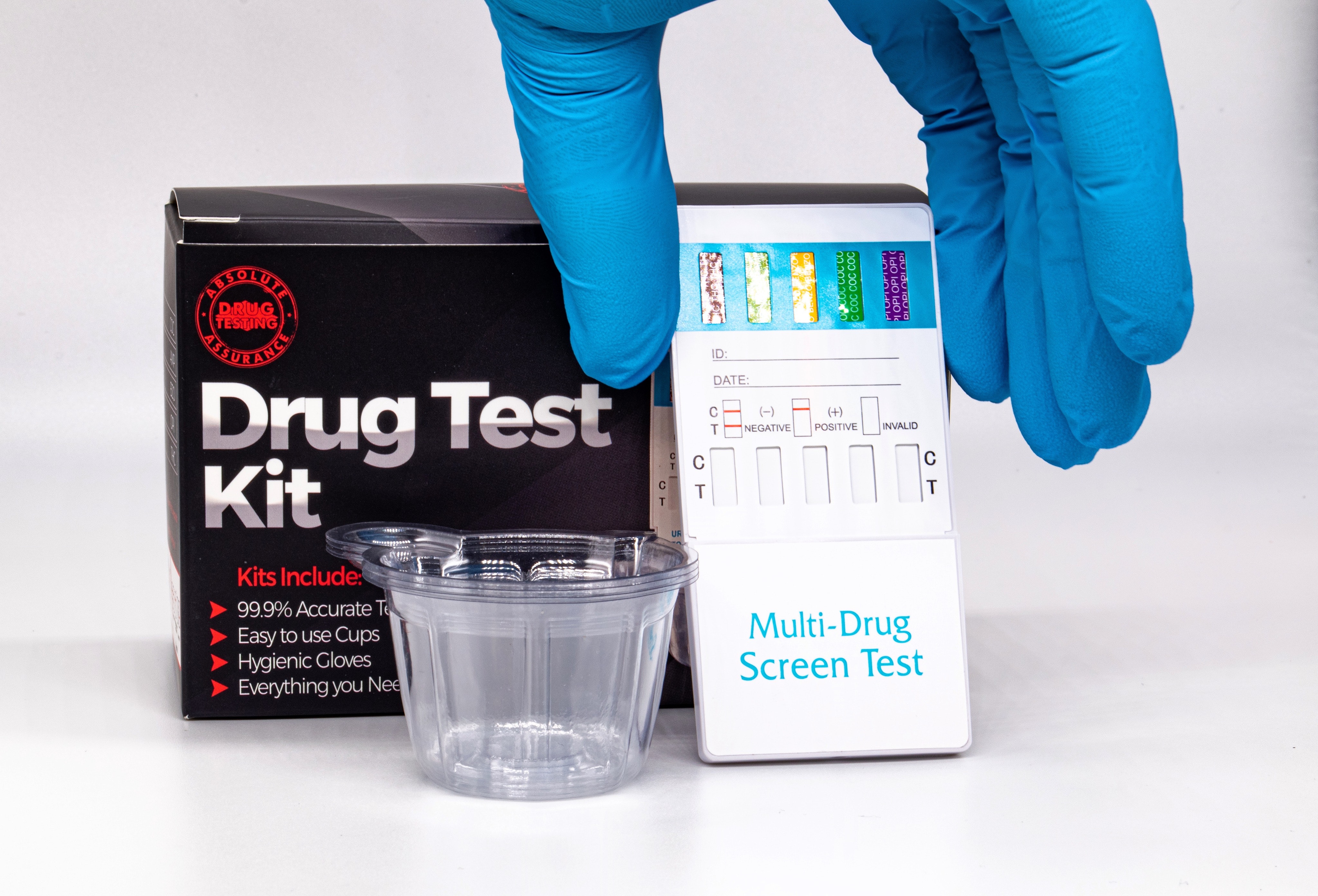
Urine testing is the most frequently used drug-screening approach. It can usually identify cannabis use for up to 30 days after last use.
A 2017 review reported typical urine detection windows as:
- Single use: about 3 days
- Moderate use (around four times weekly): 5–7 days
- Chronic use (daily): 10–15 days
- Heavy chronic use (multiple times daily): more than 30 days
Blood test
Blood tests usually detect cannabis only within the last 2–12 hours. Yet in frequent, heavy users, THC has been identified as long as 30 days after last intake.
Saliva test
Saliva tests can pick up THC up to 24 hours after consumption.
However, a 2020 review of frequent cannabis smokers found THC detectable in saliva up to 72 hours later.
Hair test
Hair follicle testing can reveal THC for as long as 90 days after use. These tests detect cannabinoids because they enter hair follicles through the bloodstream following cannabis consumption.
How long does delta-8 take to metabolize?
Drug tests generally don’t seek the parent THC molecule itself but its metabolites.
Metabolites are smaller molecules produced when your body breaks down a substance. They persist in the body far longer than the original THC.
This persistence is why drug screenings can find evidence of use well after active intoxication has ended.
More frequent use correlates with a higher baseline of THC metabolites. The greater the metabolite load, the longer it takes for the body to eliminate them.
What influences how long delta-8 remains in your system?
Although specific studies on delta-8 are limited, the same variables that affect delta-9 THC likely influence delta-8 clearance.
Key factors include:
- Usage frequency: Higher doses and more regular use extend the time it takes to clear from your body compared with infrequent, lower dosing.
- Your metabolism: Some individuals naturally process and excrete THC more quickly than others.
- Route of administration: Consuming delta-8 orally (edibles or tinctures) may result in slightly longer detection times than inhalation , since digestion slows absorption and metabolism.
Can you speed up delta-8 metabolism?
Internet forums and sellers often promote detox programs to hasten delta-8 elimination, but there’s no solid evidence these reliably help you pass a drug test after delta-8 use.
Exercise caution with detox remedies that involve herbal supplements; the FDA doesn’t regulate supplements for quality or purity, and some may be harmful.
Always consult a healthcare provider before taking supplements, particularly if you’re on medications.
Some detox protocols recommend laxatives. While many people use them safely, laxatives can produce side effects such as diarrhea, which may lead to dehydration.
Other approaches encourage excessive water intake. Overhydration is a real risk — drinking too much water can cause water intoxication.
Other frequently asked questions
How does delta-8 differ from delta-9?
Delta-8 THC and delta-9 THC are closely related cannabinoids with slightly different chemical arrangements.
Compared with delta-9, delta-8:
- is commonly produced synthetically
- is not explicitly referenced in the 2018 Farm Bill that legalized hemp
- may produce milder effects
Nonetheless, both can cause intoxication and both may produce a positive drug test.
What effects does delta-8 have on the body?
Delta-8 THC can cause intoxicating effects. A 1973 study described effects that can include:
- euphoria
- relaxation
- visual distortions
- difficulty thinking and speaking
A 2021 survey of delta-8 users found about half reported using it for therapeutic reasons, such as:
- panic attacks
- stress
- depression
- bipolar disorder
- chronic pain
There’s limited research on delta-8’s risks and benefits, so caution is warranted when using it for medical purposes.
How quickly do delta-8 effects begin?
Onset depends on the delivery method. Smoking or vaping delta-8 produces effects almost immediately. Edibles or tinctures take longer — typically 30 minutes to 2 hours — because digestion and absorption are slower.
How long do delta-8 effects last?
Delta-8’s effects can persist for several hours.
Is delta-8 legal?
Delta-8’s legal status in the U.S. is complex.
The 2018 Farm Bill legalized hemp defined as plants containing less than 0.3% delta-9 THC by dry weight.
Because the farm bill mentions delta-9 specifically and not delta-8 or delta-10, hemp-derived delta-8 and delta-10 products can occupy a legal gray area.
This ambiguity appeals to manufacturers and consumers in states where recreational cannabis remains illegal.
However, many states have laws against synthetic cannabinoids. Since delta-8 products are frequently synthesized, they may still be prohibited.
The bottom line
Delta-8 THC can cause a positive result on standard drug tests. Given its chemical similarity to delta-9 THC, delta-8 may trigger a cannabis-positive result even if you haven’t used conventional cannabis products.
If you anticipate being screened for cannabis, the safest course is to avoid delta-8 products entirely.
Frequently Asked Questions
Yes. Delta-8 THC and its metabolites can be detected by standard drug tests that screen for THC, so using delta-8 may lead to a positive result.
Urine detection depends on use patterns: about 3 days for a single use, 5–7 days for moderate use, 10–15 days for chronic use, and over 30 days for very heavy use.
Yes. Blood typically detects recent use (hours to a day), saliva up to 24–72 hours, and hair can show evidence for up to 90 days after use.
There’s no guaranteed detox that will reliably remove delta-8 metabolites; many marketed methods lack solid evidence and can carry health risks.
Key factors include frequency and amount of use, individual metabolism, and route of administration (inhalation vs. oral), all of which affect detection time.
Read Next






Related Posts

What Blood Tests Are Used to Diagnose Anemia?
Aug 31, 2026 • 28 min read
6 Natural Treatments for Shingles
Sep 8, 2026 • 15 min read
What Is Cigna Express Scripts for Medicare?
Sep 5, 2026 • 25 min read
15 Packaged Pasta Alternatives: Our Tasting Notes Plus a Dietitian’s Take
Oct 6, 2026 • 8 min read
What Is California Poppy, and Does It Have Health Benefits?
Aug 6, 2026 • 26 min read