Is It Safe to Eat Papaya While Pregnant?

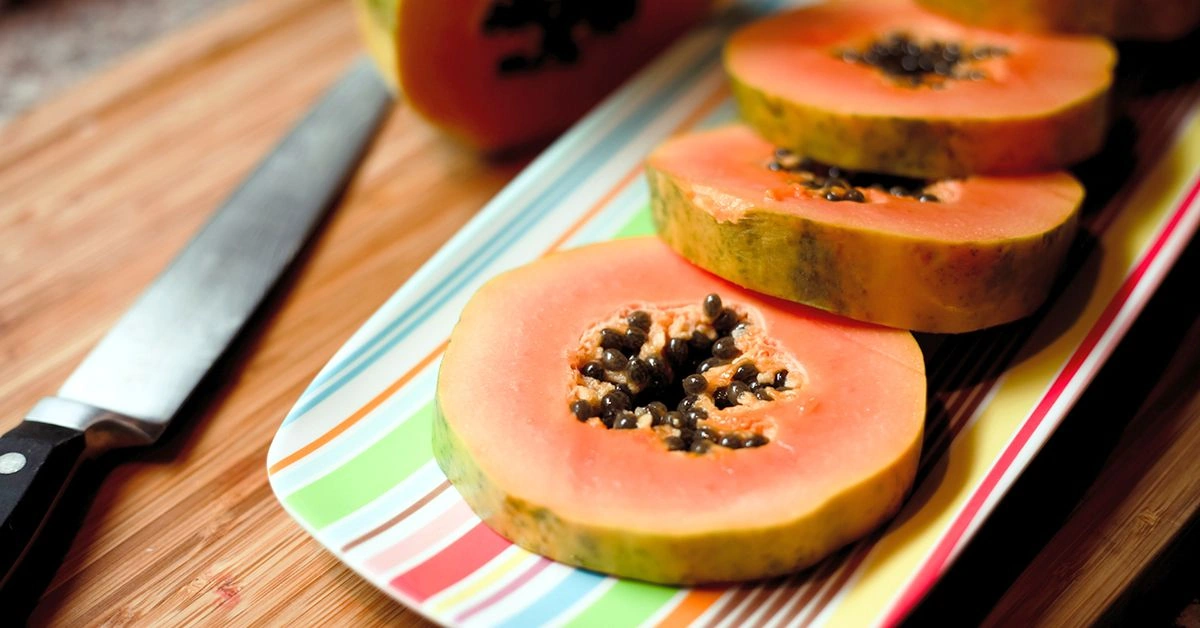
You can consume papaya while pregnant, provided it’s fully ripe and has yellow skin.
Nutrition and diet are crucial during pregnancy. Expecting mothers often receive guidance on what to include and what to avoid in their diets throughout gestation.
Although fruit is generally part of a healthy eating plan, some fruits are sometimes recommended to be limited or avoided during pregnancy, including:
- Grapes. Opinions vary about grapes in pregnancy due to resveratrol content and potential difficulty digesting the skins.
- Pineapple. Some believe pineapple might cause miscarriage, though there is no strong scientific proof for this claim.
Should you stay away from papaya while pregnant?

The answer is both yes and no. The confusion about papaya stems from the difference between ripe and unripe fruit: ripe papaya is generally safe for pregnant people, while unripe papaya is not recommended.
Ripe papaya (yellow skin)
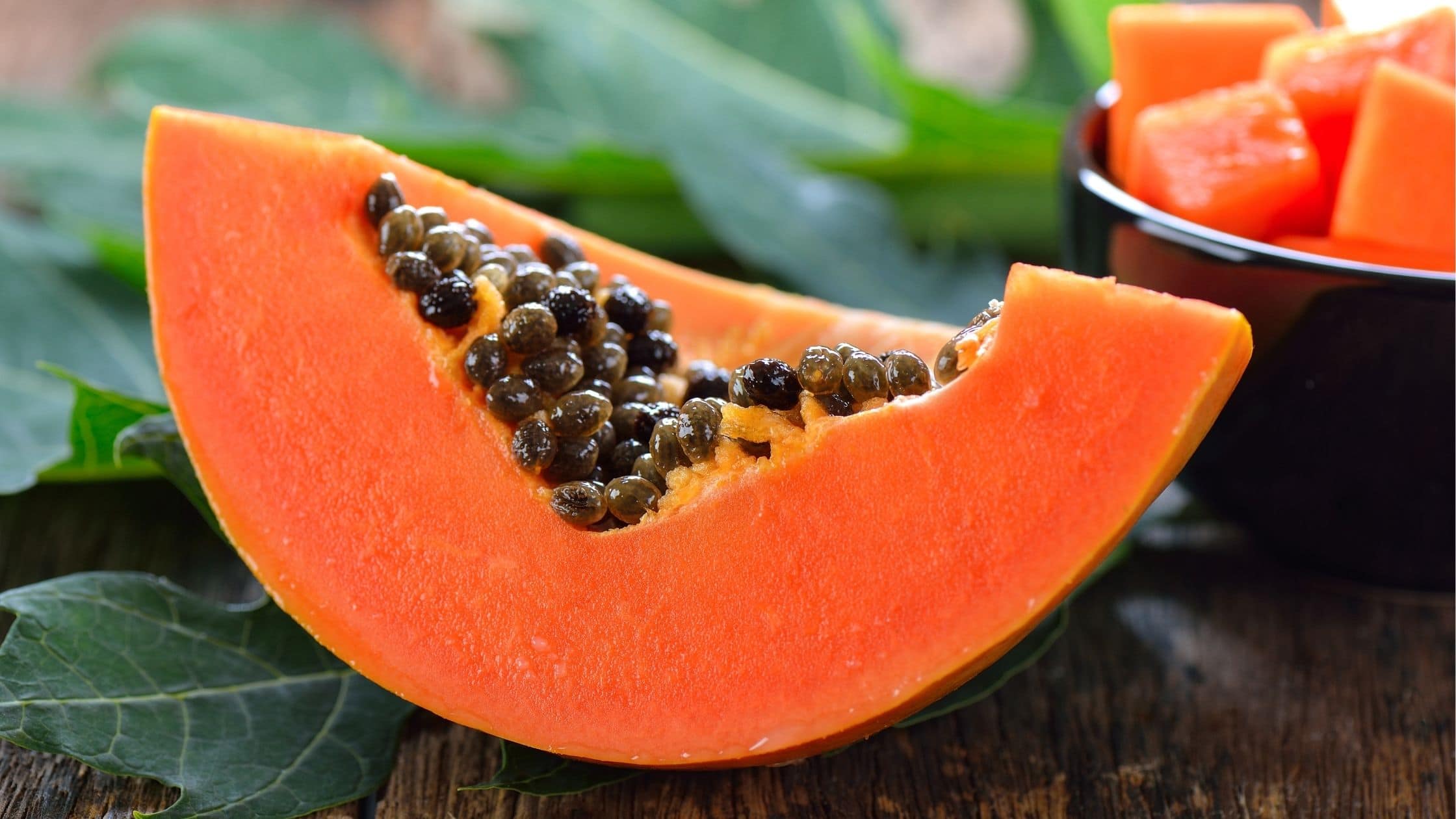
When fully ripe, papaya provides a range of nutrients and can be a healthy addition to a pregnancy diet. Ripe papaya supplies:
- beta-carotene
- choline
- fiber
- folate
- potassium
- vitamins A, B, and C
Ripe papaya, eaten in moderation, can support overall nutritional needs in pregnancy and can be enjoyed fresh or added to smoothies and salads. You might also consider including papaya leaf information in your broader dietary research, if relevant.
Unripe papaya (green skin)
:max_bytes(150000):strip_icc()/GettyImages-709137325-d17759a133f745189a1d7d979438d815.jpg)
Unripe papaya contains compounds that make it potentially unsafe during pregnancy, such as:
- latex
- papain
Why the latex in papaya is a concern
The latex found in green, unripe papaya should be avoided in pregnancy because it can pose several risks:
- It may provoke strong uterine contractions, which could lead to premature labor.
- It contains papain, a protein-digesting enzyme that the body may interpret similarly to prostaglandins used to induce labor, and it may also weaken membranes that help sustain the fetus.
- Latex is a common allergen and could cause a severe allergic reaction.
Bottom line
While ripe papaya can be a nutritious component of a pregnancy diet, unripe papaya carries significant risks and should be avoided.
You can continue to eat ripe papaya during pregnancy if you choose. Alternatively, some pregnant people prefer to avoid all papaya until after delivery, since there are plenty of other safe foods that provide similar nutrients during pregnancy.
Frequently Asked Questions
Yes, fully ripe papaya (yellow skin) is generally safe and nutritious in moderation during pregnancy, providing vitamins, fiber, folate, and potassium.
Unripe papaya contains latex and papain, which may stimulate strong uterine contractions, potentially increasing the risk of premature labor or weakening fetal membranes.
Yes. Papaya latex can trigger allergic reactions in some people, so avoid papaya if you have a known latex or papaya allergy or experience symptoms after eating it.
Eat ripe papaya in moderation as part of a balanced diet. There is no strict limit, but aim for usual fruit portion sizes and consult your healthcare provider for personalized advice.
Some pregnant people choose to avoid papaya entirely for caution, but others eat only fully ripe fruit. If unsure, discuss your diet with your provider and choose alternative nutrient-rich fruits if preferred.
Read Next
All About the Chinese Body Clock

Club Soda, Seltzer, Sparkling Water, and Tonic Water: A Comparison
10 Tasty Wild Berries to Try (and 8 Poisonous Ones to Avoid)
6 Nutritious Benefits of Eating Cantaloupe
Refined vs. Unrefined Coconut Oil: What’s the Difference?

Apretude Injection Price: What You Need to Know
Related Posts
Spinach 101: Nutrition Facts and Health Benefits
Aug 25, 2026 • 21 min read
The 11 Best Keto Frozen Meals
Sep 15, 2026 • 27 min read
White Mushrooms: Nutrition, Benefits, and Uses
Aug 29, 2026 • 35 min read
What Is Free-Range Chicken?
Sep 3, 2026 • 10 min read
Carob Powder: 9 Nutrition Facts and Health Benefits
Aug 31, 2026 • 4 min read