How to Use Moleskin for Blisters

What is moleskin?
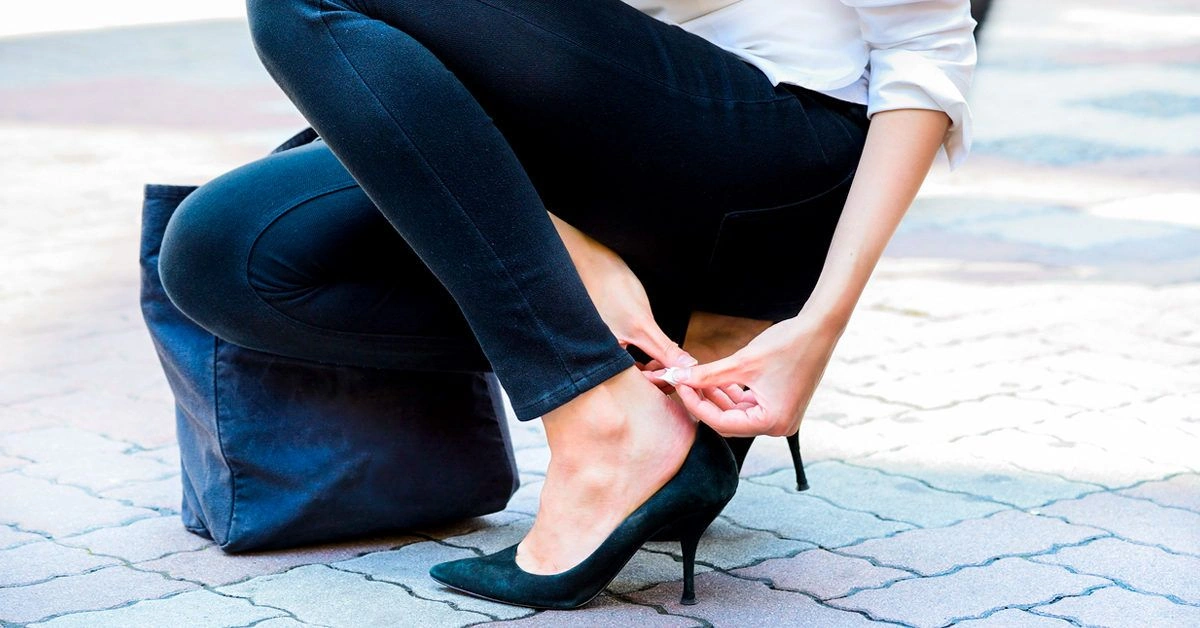
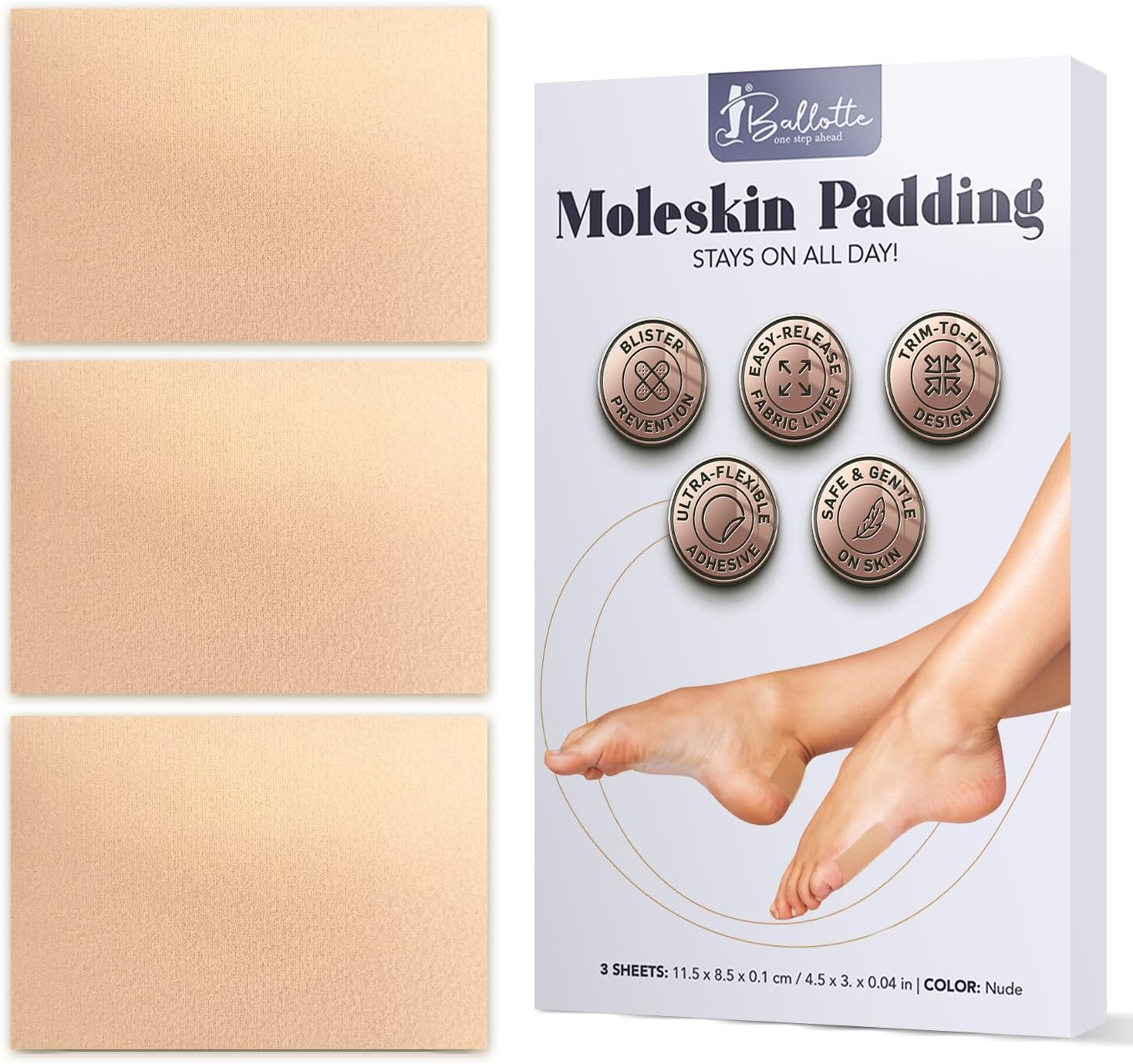
Moleskin is a lightweight yet dense cotton fabric. One face is plush while the reverse side bears a pressure-sensitive adhesive. It’s commonly used inside footwear to improve fit and increase comfort. It also serves well to shield a blister from further rubbing.
Moleskin is available at most pharmacies and through retailers like Amazon.
How do I use it on a blister?
Because moleskin is tough and long-lasting, it’s a good choice for protecting blisters in areas exposed to repeated friction, especially on the feet.
If you’ve ever stuck a regular bandage on a blister at the back of your heel, you may have noticed it peeling off soon after putting on shoes. Moleskin adheres more reliably than standard bandages and its greater thickness gives added cushioning and support.
To apply moleskin to a blister, do the following:
- Gently cleanse and dry the skin surrounding the blister.
- Cut a piece of moleskin about 3/4 inch larger than the blister.
- Fold the nonadhesive surfaces together. Cut a semicircle from the folded moleskin about half the diameter of the blister. When you unfold it, there should be a blister-sized opening in the center.
- Peel the backing off the adhesive side and press the moleskin down so the blister sits within the hole you created.
If the blister protrudes above the moleskin, trim and add a second layer to increase padding. For very large blisters, consider using moleskin that has a thicker foam backing, which is also sold on Amazon.
Cushioning around the blister reduces rubbing and irritation. It also helps protect the blister from bursting, which tends to be painful and raises the chance of infection.
How do I use it to prevent a blister?
If you’re breaking in new shoes or expect to be walking or running for extended periods, you can stick moleskin onto spots that normally blister. This shields the skin underneath from the friction that creates blisters.
You can also wrap individual toes with moleskin to stop them from chafing one another.
Alternatively, apply moleskin to the inside of your shoes. This is especially helpful when shoes have a bothersome seam or a narrow heel that digs into your skin.
What not to do
Do not place moleskin directly over an open blister. The strong adhesive can pull off the blister’s top layer (the roof) when removed. That top layer helps protect the blister from infection.
The bottom line
Moleskin is a practical way to safeguard current blisters and prevent new ones from developing. You can even stick it inside shoes where rubbing occurs. Just avoid covering a blister directly with moleskin, since the adhesive can damage the blister’s protective layer.
Frequently Asked Questions
Clean and dry the area, cut a piece about 3/4 inch larger than the blister, fold and cut a semicircle to make a hole, then place the blister inside the hole and press the adhesive down around it.
No. Avoid placing moleskin directly over an open blister because the strong adhesive can remove the blister’s protective top layer and increase infection risk.
Yes. Moleskin adheres better than standard bandages and its thickness provides durable cushioning, making it suitable for heels and inside shoes where friction occurs.
Apply moleskin to spots that typically blister—inside shoes, on heels, or between toes—to shield skin from friction during extended walking or when breaking in new shoes.
For large or protruding blisters, trim and add a second moleskin layer or use moleskin with thicker foam backing to increase padding and protection.
Read Next
Are There Benefits to Using Almond Oil on Your Face?
How to Get Perky Breasts Without Surgery

Thinking About a Septum Piercing? Here’s What to Expect
What to Expect After Laser Treatment for Spider Veins

5 Evidence-Based Ways Collagen May Improve Your Hair
What’s the Difference Between THC Lotion and CBD Lotion?
Related Posts
Is Microblading Your Eyebrows Painful?
Aug 9, 2026 • 22 min read
Does Flaxseed Really Work for Beautiful Hair?
Aug 4, 2026 • 30 min read
Proper Dosage for Botox Treatment on the Forehead, Eyes, and Glabella
Aug 20, 2026 • 21 min read
How to Treat an Inverted Nipple
Aug 10, 2026 • 24 min read
Shea Butter for Your Face: Benefits and Uses
Aug 27, 2026 • 18 min read