Nutritional Facts and Benefits of Bell Peppers


Bell peppers (Capsicum annuum) are fruits in the nightshade family. They are low in calories and packed with vitamin C and other antioxidants, making them a valuable component of a wholesome diet.
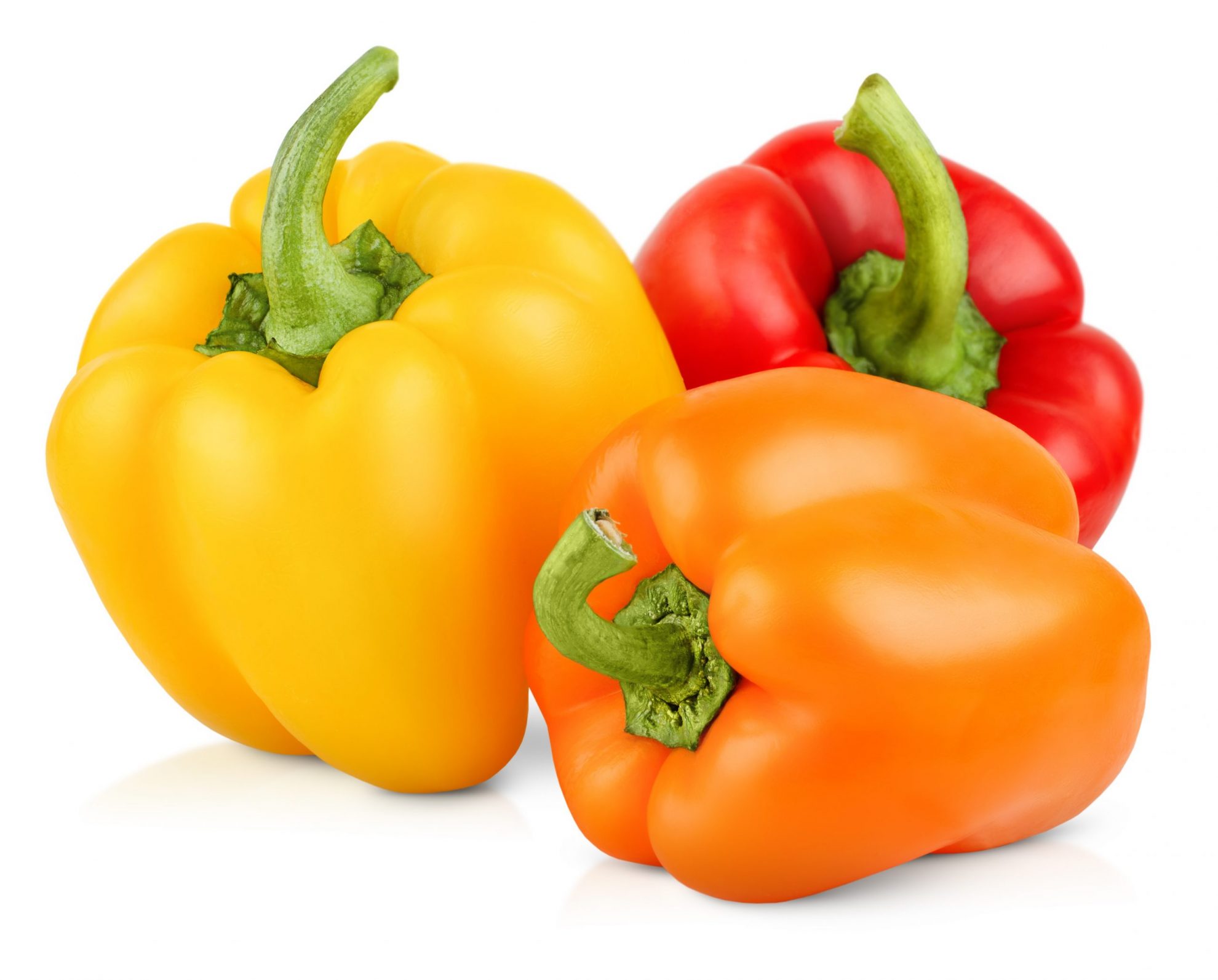
Related to chili peppers, tomatoes, and breadfruit, bell peppers originate from Central and South America. Also known as sweet peppers or capsicums, they can be enjoyed raw or cooked.
Sometimes bell peppers are dried and ground into a powder commonly known as paprika.
Bell peppers are available in a range of colors, including:
- red
- yellow
- orange
- green (unripe)
Green peppers, which are unripe, taste slightly bitter and are less sweet than fully matured peppers.
This article covers everything you should know about bell peppers and their health advantages.
Nutrition facts
Raw, fresh bell peppers are mostly water (about 92%). The remainder consists of carbohydrates and small amounts of protein and fat.
The primary nutrients in 3.5 ounces (100 grams) of raw red bell pepper include:
- Calories: 26
- Water: 92%
- Protein: 1 gram
- Carbs: 6 grams
- Sugar: 4.2 grams
- Fiber: 2.1 grams
- Fat: 0.3 grams
Carbohydrates
Bell peppers are mostly composed of carbohydrates, which make up the bulk of their calories. A 3.5-ounce (100 grams) portion supplies about 6 grams of carbs.
The carbohydrate fraction is largely simple sugars like glucose and fructose, which give ripe bell peppers their sweetness.
They also contribute a reasonable amount of fiber for such a low-calorie food.
Vitamins and minerals
Bell peppers provide several vitamins and minerals , including:
- Vitamin C: A medium red bell pepper supplies around 169% of the Reference Daily Intake (RDI) for vitamin C, making it one of the top dietary sources of this nutrient.
- Vitamin B6: Pyridoxine, the most prevalent form of B6, is important for red blood cell production and other metabolic functions.
- Vitamin K1: Also called phylloquinone, K1 is crucial for blood coagulation and bone maintenance.
- Potassium: This mineral may support cardiovascular health.
- Folate: Also known as vitamin B9, folate plays many roles in the body and is especially vital during pregnancy.
- Vitamin E: A potent antioxidant necessary for healthy nerves and muscles. Good dietary sources include oils, nuts, seeds, and vegetables.
- Vitamin A: Red bell peppers are rich in provitamin A (beta-carotene), which the body converts into active vitamin A.
Other plant compounds
Bell peppers are abundant in various antioxidants, particularly carotenoids, which become more prevalent as the pepper ripens.
The principal compounds in bell peppers include :
- Capsanthin: Very high in red bell peppers, capsanthin is a strong antioxidant responsible for their deep red hue.
- Violaxanthin: A carotenoid that gives orange and yellow bell peppers their orange tones.
- Lutein: Lutein is concentrated in green (unripe) peppers as well as yellow and orange varieties. Adequate lutein intake may benefit eye health.
- Quercetin: Studies show this polyphenolic antioxidant might help in preventing some chronic diseases, including heart disease and certain cancers.
- Luteolin: Like quercetin, luteolin is a polyphenol antioxidant that may offer a range of health-promoting effects.
Health benefits of bell peppers
As with many whole plant foods, bell peppers are considered highly nutritious.
Diets rich in fruits and vegetables have been associated with a lower risk of several chronic conditions, such as cancer and heart disease.
Including bell peppers regularly in a nutrient-dense diet may provide additional health perks, including:
Eye health
The most prevalent vision problems include macular degeneration and cataracts, disorders often associated with aging and infections. Nutrition also plays an important role in maintaining eye health.
Lutein and zeaxanthin, carotenoids present in notable amounts in bell peppers, may help protect the eyes when consumed sufficiently. They can shield the retina, the light-sensitive inner surface of the eye, from oxidative harm.
Regular intake of foods rich in these carotenoids may lower the risk of cataracts and macular degeneration, both of which can impair vision.
Immune health
Bell peppers are an excellent source of vitamin C.
Adequate vitamin C intake supports the immune system and may play a protective role in:
- maintaining heart health
- helping prevent and support treatment for cancer
- reducing the risk and duration of the common cold
Excessive vitamin C consumption can increase the risk of kidney stones.
Learn more about the benefits of vitamin C.
Potential adverse effects
Bell peppers are typically safe and well tolerated, but some individuals may be allergic to them. Nonetheless, allergies to bell peppers and other nightshades are uncommon.
People with pollen allergies, particularly to mugwort, may experience sensitivity to bell peppers due to cross-reactivity, sometimes called oral allergy syndrome.
Cross-reactions occur when different foods contain identical or structurally similar allergenic proteins.
The bottom line
Bell peppers are loaded with vitamins and antioxidants—especially vitamin C and carotenoids.
Because of these nutrients, they may offer multiple health benefits, such as supporting eye health and lowering the risk of several chronic diseases.
Including bell peppers in a balanced eating plan is a nutritious choice.
Frequently Asked Questions
Bell peppers are particularly high in vitamin C and water, with meaningful amounts of vitamin A (beta-carotene), vitamin B6, vitamin K1, potassium, fiber, and various antioxidants like lutein and capsanthin.
Yes. Red peppers tend to have higher levels of capsanthin and vitamin A, while yellow and orange peppers are rich in carotenoids like violaxanthin. Green peppers (unripe) contain more lutein and are slightly less sweet.
There’s no strict limit for most people; including one or more peppers daily is generally safe and nutritious. However, excessive vitamin C from all sources could increase kidney stone risk in susceptible individuals.
Yes. Bell peppers contain lutein and zeaxanthin, carotenoids that may help protect the retina and reduce the risk of age-related macular degeneration and cataracts when consumed as part of a balanced diet.
Most people tolerate bell peppers well, but some may have allergies or oral allergy syndrome due to cross-reactivity (for example, with mugwort pollen). Anyone with known sensitivities should avoid them or consult an allergist.
Read Next
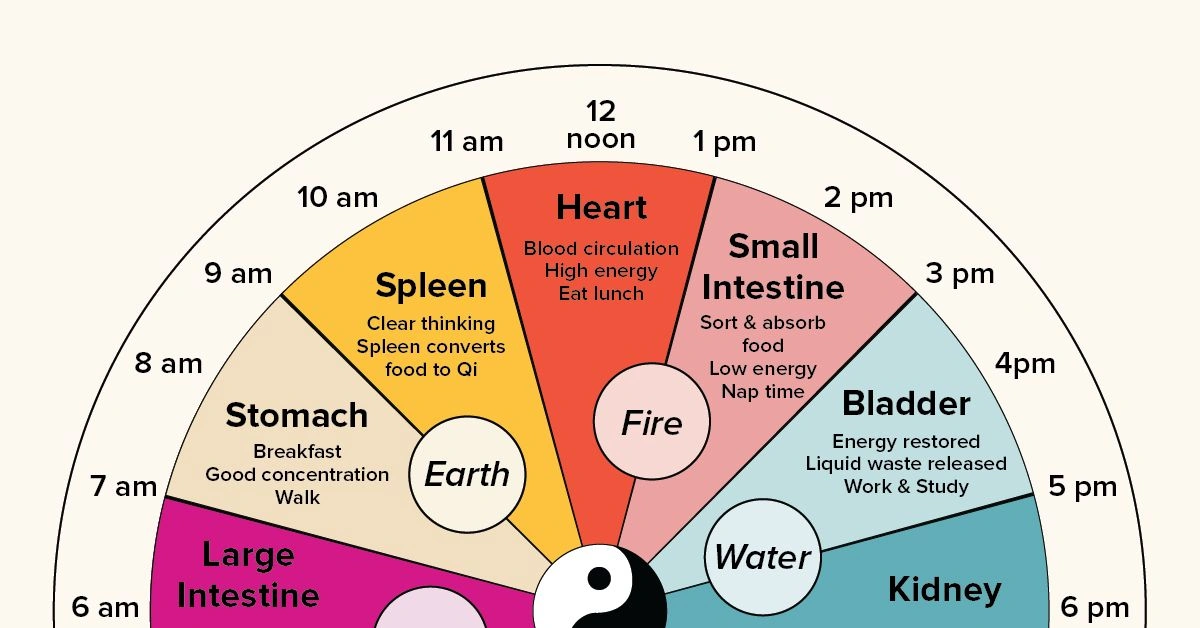
All About the Chinese Body Clock

What’s the Benefit of Poppyseed Oil?

Is Polypropylene a Safe Plastic to Use in Your Home?

Club Soda, Seltzer, Sparkling Water, and Tonic Water: A Comparison

Refined vs. Unrefined Coconut Oil: What’s the Difference?

Everything You Should Know About Health Benefits of Ginger Oil
Related Posts

How Many Carbs Are in Various Types of Sausage?
Aug 5, 2026 • 24 min read
Understanding the FAST Scale for Dementia
Aug 29, 2026 • 27 min read
The 11 Best Keto Frozen Meals
Sep 15, 2026 • 25 min read
What Is Free-Range Chicken?
Sep 3, 2026 • 25 min read
Olives 101: Nutrition Facts and Health Benefits
Aug 26, 2026 • 31 min read