Pictures, Causes, and Treatment for Scaly Skin


Scaling skin, often described as scaly skin, happens when the outermost layer of the skin sheds in sizeable, scale-like pieces reminiscent of fish scales. This can result from allergic reactions, infections, or dermatological conditions such as psoriasis.
Scaling skin refers to the separation and loss of the outer epidermal layer in large, flaky scales. Other terms used for this condition include:
- desquamation
- scale shedding
- flaking or peeling skin
- scaly skin
These scaly patches may appear on exposed or covered regions of the body. Depending on the root cause, the scales can:
- cause itching
- be painful
- show a color difference from the surrounding skin
Continue reading to find out what leads to scaling skin, how it typically presents, and the options for managing it.
When it’s urgentCertain triggers of scaling skin, such as severe allergic responses or toxic shock syndrome, can be life-threatening.
If you notice a sudden, widespread rash or peeling skin accompanied by other alarming signs, call 911 or your local emergency services immediately.
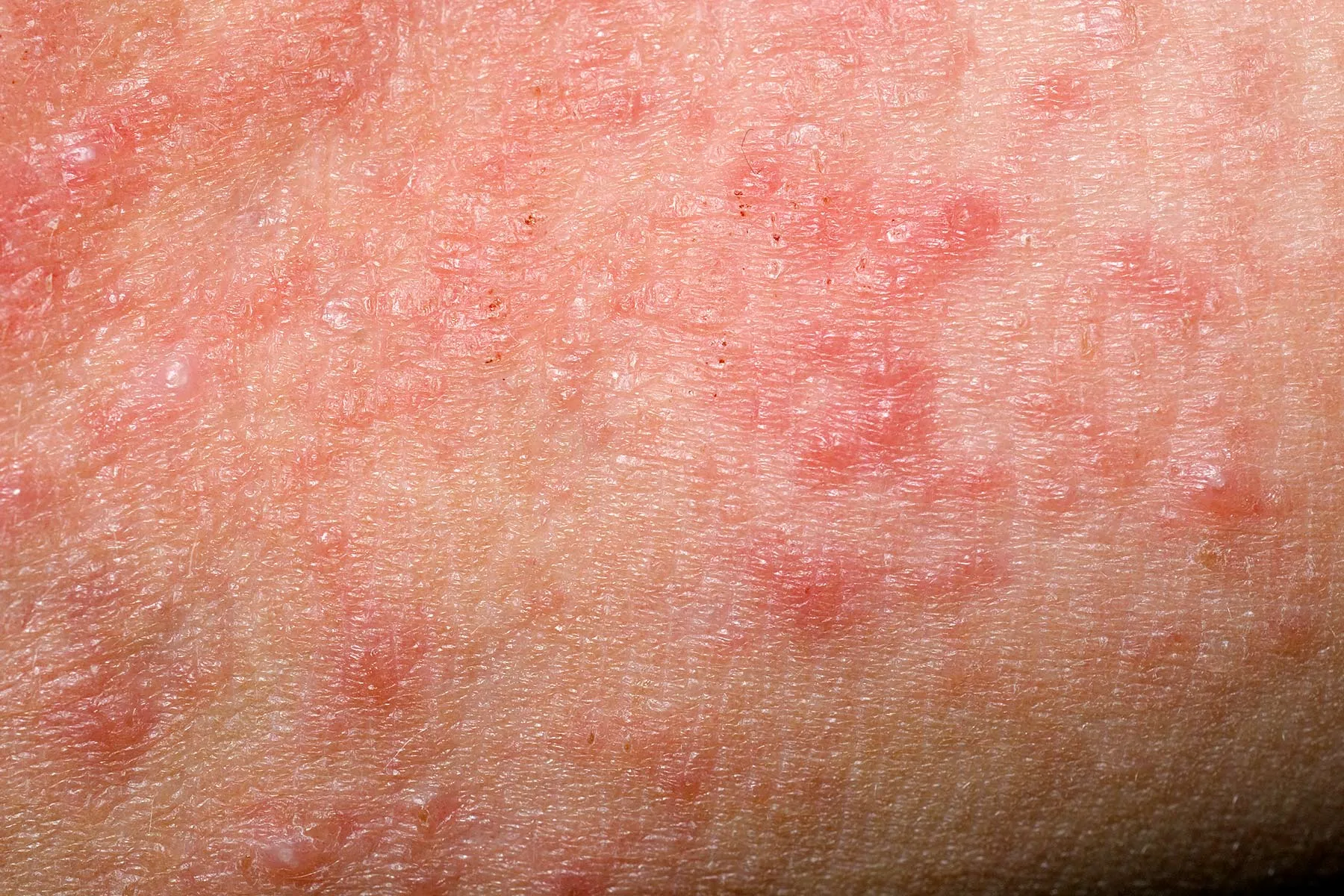
Identifying the cause of scaling skin
If you have persistent scaling skin that worsens, comes back repeatedly, or occurs with troubling symptoms, seek evaluation from a healthcare professional. A clinician can conduct the necessary assessments to pinpoint the cause.
Some causes of scaly skin can be determined through a physical exam, while others may require further diagnostic testing, such as:
- blood work
- skin testing or a biopsy, where a skin sample is taken and analyzed in a laboratory
- allergy testing
Ways to treat scaling skin
Management of scaling skin varies depending on the diagnosis and how severe the symptoms are. Treatment strategies might include:
- avoiding known allergens or irritating substances
- using topical therapies
- taking oral medications
- other interventions tailored to the specific cause
When to get emergency care for scaly skin
Although rare, scaling skin can signal a medical emergency. Seek immediate care if scaling skin appears together with worrisome symptoms, such as:
- a severe allergic reaction, which may present with hives, swelling, breathing difficulty, and intense itching
- persistent nausea and vomiting
- marked weakness
- a fever of 103°F (39.4°C) or higher, or a fever that persists for three days or more
- sudden, extensive blister formation
Frequently Asked Questions
Scaling skin can be caused by conditions like psoriasis, eczema, fungal infections, allergic reactions, or environmental factors that dry and irritate the skin.
Seek immediate care if scaling skin is sudden and widespread or comes with high fever, severe weakness, difficulty breathing, extensive blistering, or signs of a severe allergic reaction.
A clinician may diagnose scaling skin by physical exam and, if needed, order tests such as blood work, allergy testing, skin scrapings, or a biopsy to determine the underlying cause.
Treatments depend on the cause and may include avoiding irritants, topical creams (steroids or moisturizers), antifungals, oral medications, or other targeted therapies recommended by a provider.
Yes. Gentle moisturizing, avoiding harsh soaps, using lukewarm water, and identifying triggers can reduce symptoms, but persistent or worsening cases should be evaluated by a healthcare professional.





Related Posts

How to Get Perky Breasts Without Surgery
Sep 9, 2026 • 5 min read
The Ultimate Skin Care Routine for Combination Skin
Sep 20, 2026 • 3 min read
The 8 Best Eco-friendly Razors for a More Sustainable Shave
Sep 21, 2026 • 5 min read
5 Evidence-Based Ways Collagen May Improve Your Hair
Sep 1, 2026 • 32 min read
What’s the Difference Between THC Lotion and CBD Lotion?
Aug 13, 2026 • 23 min read