7 Scientific Benefits of Yerba Mate


- 1. Packed with antioxidants and nutrients
- 2. May increase energy and sharpen focus
- 3. Could improve athletic performance
- 4. May offer antimicrobial protection
- 5. May assist with weight loss and abdominal fat reduction
- 6. May help lower blood glucose
- 7. May reduce heart disease risk
- How to brew yerba mate
- Safety and possible adverse effects
- Final thoughts
Yerba mate is rich in antioxidants, caffeine, and various nutrients. Some studies indicate it may improve physical performance, raise energy levels, and aid in weight control.
This herbal infusion from South America is becoming more popular across the globe.
Made from the leaves and stems of the Ilex paraguariensis shrub, yerba mate leaves are commonly smoke-dried and then steeped in hot water to prepare the drink.
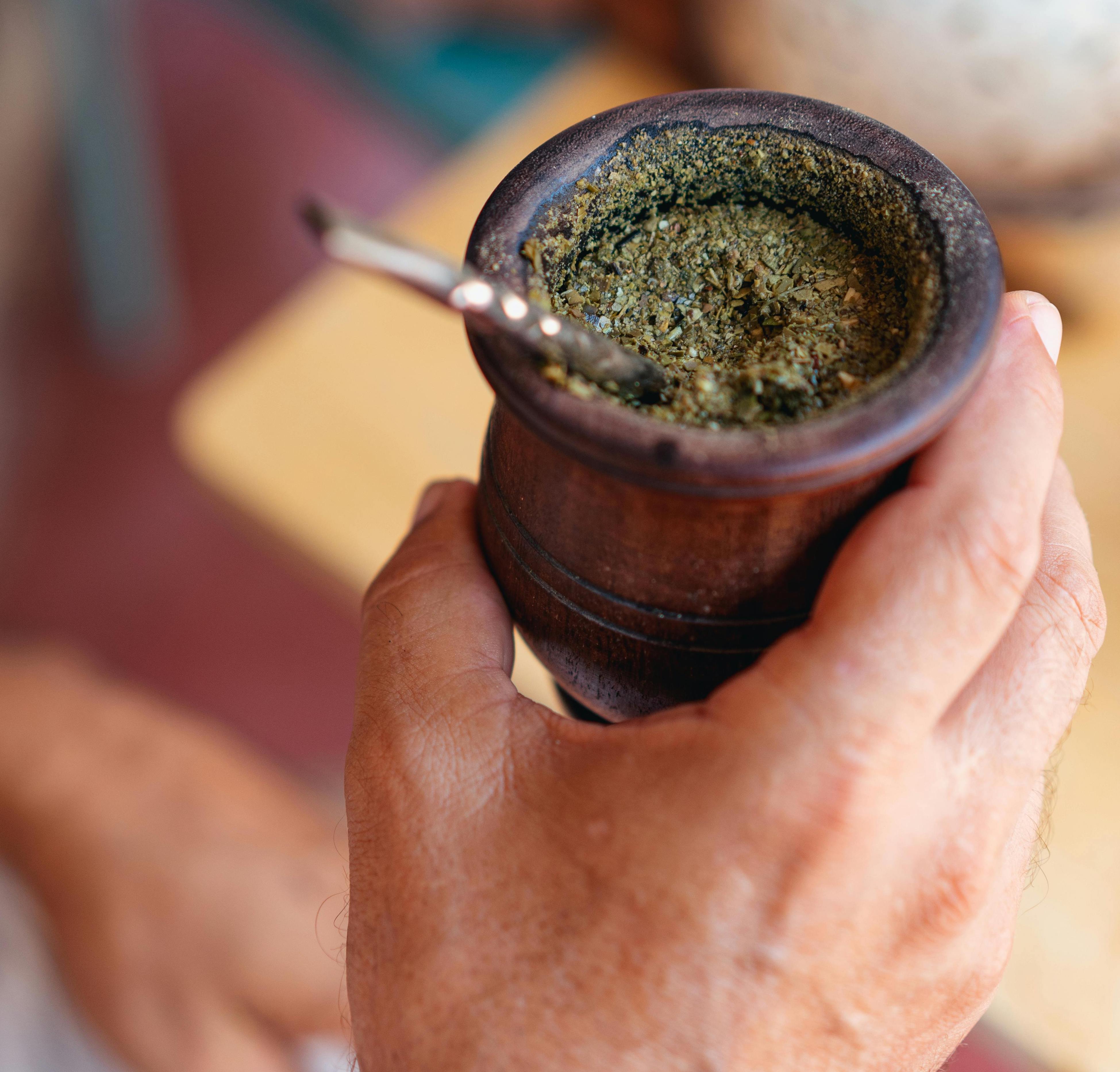
Traditionally, it’s served in a gourd-shaped vessel and sipped through a metal straw that has a built-in filter to keep leaf pieces out of the mouth.
It’s often described as having the kick of coffee, the benefits of tea, and the comfort of chocolate.
Continue reading to explore the possible health advantages of yerba mate.
1. Packed with antioxidants and nutrients
Yerba mate contains multiple beneficial plant compounds, such as:
- Xanthines: Stimulant compounds that include caffeine and theobromine, also present in coffee, tea, and chocolate.
- Caffeoyl derivatives: Primary antioxidant constituents responsible for many of the tea’s healthful effects.
- Saponins: Bitter molecules with anti-inflammatory qualities and potential cholesterol-lowering effects.
- Polyphenols: A broad class of antioxidants tied to a lower risk of various diseases.
Yerba mate also offers several micronutrients , including:
- vitamin C
- thiamine
- riboflavin
- vitamin B6
That said, these vitamins and minerals are present in modest amounts, so yerba mate alone is unlikely to be a major source of them in your diet.
2. May increase energy and sharpen focus
With around 80 milligrams of caffeine per cup, yerba mate has a caffeine content similar to coffee.
As with other caffeinated beverages, it can help boost energy and reduce feelings of tiredness.
Caffeine also influences certain brain signaling molecules, which can enhance concentration and mental alertness.
Many yerba mate drinkers report feeling alert like they do with coffee but without the nervous jitteriness; however, these anecdotes lack robust scientific confirmation.
3. Could improve athletic performance
Research shows that caffeine can enhance muscle contraction, delay fatigue, and boost exercise performance.
Because yerba mate contains a moderate level of caffeine, consuming it may provide comparable benefits for physical activity.
Nevertheless, the optimal quantity and timing of yerba mate intake before workouts have not been firmly established.
4. May offer antimicrobial protection
Yerba mate may possess activity against bacteria, parasites, and fungi.
A 2023 investigation identified antimicrobial effects of yerba mate against bacteria such as E. coli.
Still, more rigorous, long-term studies are required to confirm whether yerba mate can reliably protect against infections in humans.
5. May assist with weight loss and abdominal fat reduction
Some research suggests yerba mate can aid weight management, leading to reductions in body weight, visceral fat, and BMI.
It appears to lower the number of fat cells and decrease the fat stored within them.
6. May help lower blood glucose
Yerba mate may contribute to lowering blood sugar and reducing diabetes-related complications.
Evidence indicates it might reduce serum lipids (the fats circulating in the bloodstream).
However, higher-quality human trials are still needed to fully understand how yerba mate impacts blood glucose control.
7. May reduce heart disease risk
Yerba mate includes antioxidant constituents like caffeoyl derivatives and polyphenols that may help defend against cardiovascular disease.
In human studies, yerba mate appears to help lower cholesterol levels.
For example, a trial involving 119 overweight women reported that daily yerba mate consumption over 12 weeks reduced total and LDL (bad) cholesterol. Additionally, when combined with a low-calorie diet, it significantly decreased triglyceride levels.
Still, further research is necessary to draw definitive conclusions, as some studies show minimal or inconsistent effects on cholesterol.
How to brew yerba mate
Traditionally, yerba mate is served in a gourd, often called a calabash.
It’s usually drunk through a metal straw that contains a filter at its lower end to keep leaf particles out of the sip.
To prepare it, fill roughly one-third of the calabash with dried or toasted mate leaves before adding hot water.
If you don’t have a gourd, a French press works well as an alternative brewing device.
Common additions include burnt sugar, lemon juice, or milk, and the leaves can be refilled with hot water multiple times before needing to be replaced.
Though typically served hot, yerba mate can also be enjoyed cold, especially in warm climates.
Safety and possible adverse effects
Occasional consumption of yerba mate by healthy adults is unlikely to be harmful.
However, frequent or heavy use may raise the risk of certain issues:
- Certain cancers.Studies suggest long-term, high consumption of very hot yerba mate may elevate the risk of cancers in the upper respiratory and digestive tracts.
- Caffeine-related effects. Yerba mate contains caffeine, and excessive caffeine can lead to headaches, migraines, and increased blood pressure in susceptible individuals.
- Drug interactions.Research indicates yerba mate may interact with certain medications, such as the muscle relaxant tizanidine (Zanaflex) or the antidepressant fluvoxamine (Luvox). People taking these drugs should avoid yerba mate because it could amplify their effects.
Final thoughts
Yerba mate may not be appropriate for everyone, and drinking it very hot on a regular basis could increase your risk of particular cancers.
On the other hand, the drink contains a range of beneficial compounds that are associated with various potential health advantages.
If you decide to try yerba mate, begin with small amounts and allow it to cool slightly before sipping.
Frequently Asked Questions
Yerba mate may boost energy and focus, provide antioxidants, support exercise performance, offer antimicrobial effects, assist weight management, help lower blood glucose, and potentially reduce heart disease risk.
Moderate intake is generally advised—many people consume one to three cups per day. Because yerba mate contains caffeine, limit consumption if you are caffeine-sensitive or have health conditions affected by stimulants.
Some studies suggest yerba mate may aid weight management by reducing fat accumulation and appetite, but results vary and it works best alongside diet and exercise.
Research indicates yerba mate might lower blood glucose, but evidence is not definitive. People with diabetes should consult their healthcare provider before using yerba mate to avoid interactions with medications or unexpected changes in glucose control.
Occasional use is usually safe for healthy adults, but heavy or very hot consumption has been linked to increased cancer risk and caffeine-related side effects. It can also interact with certain medications, so consult your doctor if you take prescription drugs.
Read Next
The 12 Best Casein Protein Powders

How Many Carbs Are in Various Types of Sausage?

15 Packaged Pasta Alternatives: Our Tasting Notes Plus a Dietitian’s Take

2025 Noom Diet Review: Follow Our Reviewer’s 12-Month Weight Loss Journey

What Causes Love Handles and How To Get Rid of Them

What Is Acerola Cherry?
Related Posts
Carob Powder: 9 Nutrition Facts and Health Benefits
Aug 31, 2026 • 19 min read
What Is Cupuaçu? Benefits and Uses
Aug 13, 2026 • 11 min read
Can You Eat Pumpkin or Pumpkin Seeds Raw?
Sep 1, 2026 • 28 min read
What You Need to Know About a Full Liquid Diet
Sep 4, 2026 • 28 min read
Agave Nectar: A Sweetener That’s Even Worse Than Sugar?
Sep 12, 2026 • 30 min read