8 Benefits of Baby Oil for Your Hair

- Can you put baby oil on your hair?
- Claimed advantages
- 1. Hydrates hair
- 2. Calms a dry scalp
- 3. Addresses scalp conditions
- 4. Helps strengthen hair
- 5. Smooths hair
- 6. Shields hair
- 7. Aids styling
- 8. Helps eliminate lice
- How to do an overnight treatment
- Potential downsides
- Allergic reactions
- Other options
- Bottom line
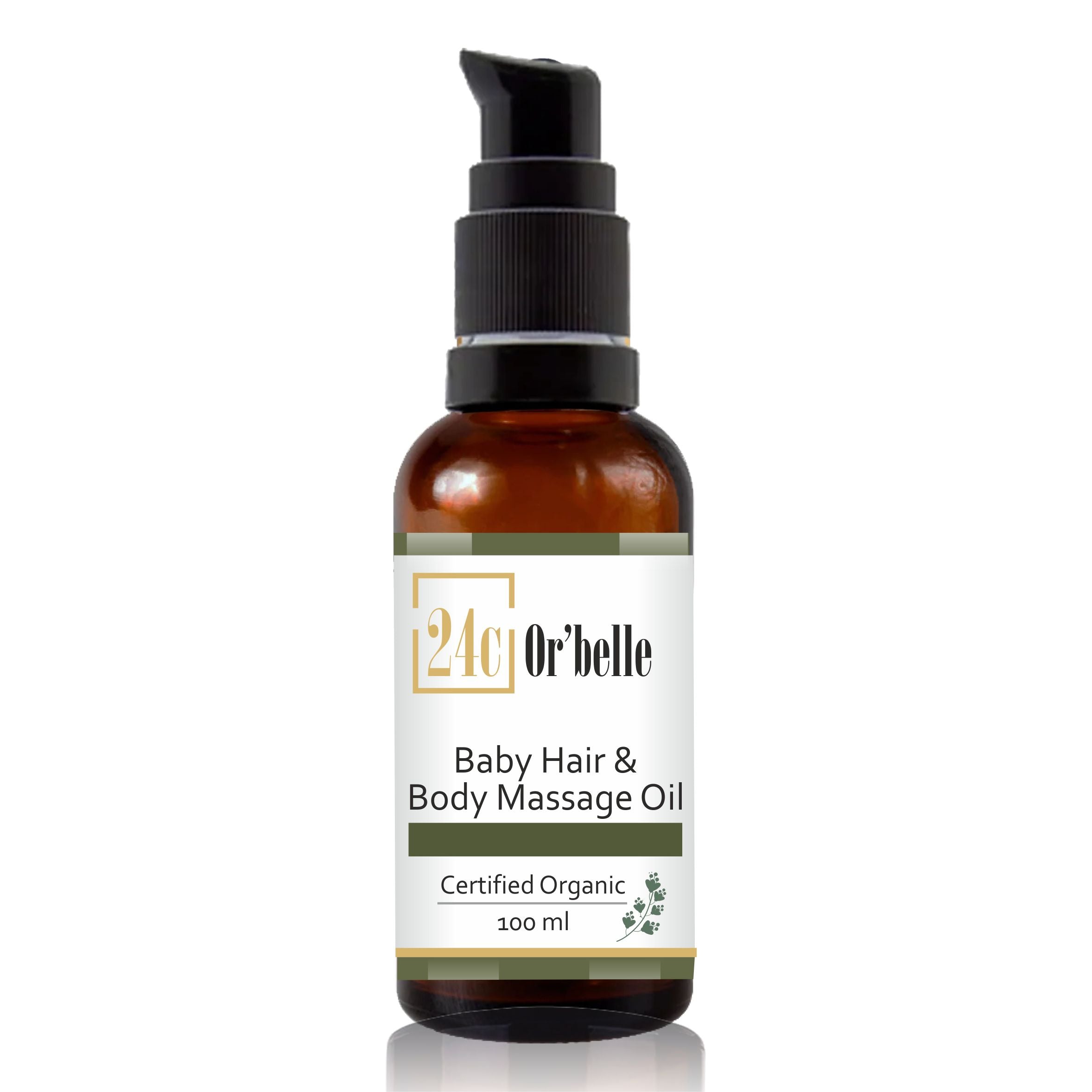
Baby oil is a synthetic mineral oil. Similar to petroleum jelly, it’s derived from a leftover fraction produced during oil refining. The substance undergoes additional purification until it’s considered safe for skin-care and cosmetic applications.
Can you put baby oil on your hair?
According to Johnson & Johnson, a maker of a popular baby oil, this mineral oil is dermatologist-tested and hypoallergenic. That indicates it’s formulated to be gentle and unlikely to trigger allergic skin responses in most users.
The product is also free from some potentially harmful additives such as parabens, phthalates, dyes, and fragrances. It’s clinically shown to be safe for baby skin. So, applying it to your hair is generally considered safe.
Claimed advantages
Unlike botanical oils, there isn’t extensive clinical research on baby oil’s effects on hair. Still, it may offer some comparable benefits.
1. Hydrates hair
Johnson & Johnson notes that baby oil can add as much as “10 times more moisture on wet skin.”
Baby oil forms a protective layer on the skin, reducing moisture loss through evaporation. In the same way, applying baby oil to hair seals the cuticle.
This helps retain natural moisture during drying and styling and provides a buffer against moisture loss due to wind and sun exposure.
2. Calms a dry scalp
A dry scalp can flake and contribute to dandruff, which may harm hair follicles and impede growth. A well-hydrated scalp supports stronger, smoother, and healthier-looking hair.
Keeping the scalp moisturized helps reduce dryness and flaking. Oils typically remain on the skin longer than water-based moisturizers. To try this, apply a baby oil treatment to the scalp and roots before shampooing.
3. Addresses scalp conditions
Baby oil and other mineral oils can be useful for treating scalp conditions in infants, such as cradle cap, a form of scalp irritation similar to dandruff.
Gently massaging baby oil into an infant’s scalp can loosen and help remove dry, scaly patches. Likewise, baby oil may assist in preventing and clearing dandruff in older children and adults.
4. Helps strengthen hair
Hair is porous, with many tiny openings that allow it to absorb water. When hair swells from water uptake it can weaken and become more prone to damage.
Tugging, stretching, and chemical processes like coloring also weaken hair.
Using baby oil as a pre-shampoo treatment can help reduce hair porosity. That means the hair takes up less water, which can make strands stronger and reduce breakage, tangling, and frizz.
5. Smooths hair
A small amount of baby oil on freshly washed hair can help maintain smoother locks. The oil flattens the cuticle, offering some protection from heat damage caused by blow-drying or styling tools.
As a post-shower treatment, baby oil can make hair appear sleeker, shinier, and less frizzy.
6. Shields hair
Apply baby oil before swimming in a chlorinated pool or using a hot tub. The oil forms a protective layer on hair and scalp that helps guard against chemicals like chlorine.
7. Aids styling
A few drops of baby oil can assist with styling and keeping hair in place. Unlike gels or hairsprays, it won’t stiffen hair or leave a crusty residue.
8. Helps eliminate lice
Baby oil can be used to help treat head lice in both adults and children. Coat the scalp and hair from the roots to the tips with baby oil and leave it on for at least 8 hours before rinsing out.
The oil aids in removing lice and nits and is generally most effective when used alongside a lice-specific treatment.
How to do an overnight treatment
For dry, damaged hair, try a warm baby oil hair mask. You can leave baby oil in overnight for a more intensive conditioning treatment.
Potential downsides
Like other oils, baby oil can clog pores. This might irritate the scalp and can cause acne if it spreads to the hairline or forehead. Excessive use can also leave hair looking and feeling greasy.
Be thorough when washing baby oil from your hair. Use warm water and ample shampoo, massaging gently to ensure removal. People with naturally oily hair may need to shampoo twice.
If you’re using baby oil as a leave-in glossing product, only apply a few drops.
Allergic reactions
Some individuals may have allergic reactions to baby oil. Perform a patch test before broadly applying it, especially if your skin is sensitive.
Put a small amount on the inside of your elbow and leave it for 24 hours. Look for redness, itching, or irritation.
Baby oil can irritate the eyes, so avoid applying it to eyebrows and lashes. Wash your hands thoroughly before touching your face or eyes.
Other options
Many natural plant oils have been researched for their hair benefits. Keep in mind that most processed natural oils can also cause skin reactions in some people.
Consider these alternatives to baby oil for hair and skin:
- olive oil
- sesame oil
- jojoba oil
- coconut oil
- avocado oil
For more on natural oils that help hair, see beauty skin care coconut oil for hair growth and beauty skin care avocado oil for hair. If you’re interested in herbal topical options, rosemary oil for hair is another commonly cited treatment.
Bottom line
Baby oil is a petroleum-derived mineral oil that’s widely available and undergoes manufacturer testing. When used as directed, it’s considered safe for babies, children, and adults.
While formal medical studies on baby oil’s benefits for hair are limited, it acts as a moisturizing sealant and may improve hair’s appearance, making it look shinier and feel stronger.
Frequently Asked Questions
Yes, you can use baby oil on hair, but use sparingly. It seals in moisture and smooths frizz, though frequent use may leave hair greasy or clog pores on the scalp.
Massage a small amount into the scalp and roots, leave for 20–60 minutes or overnight for intensive care, then shampoo thoroughly to remove residue.
Baby oil is commonly used to gently loosen cradle cap flakes and moisturize infants’ scalps; apply gently and wash hair well afterward to remove excess oil.
Yes—a few drops on damp or dry hair can flatten the cuticle, add shine, and reduce frizz, but avoid overapplication to prevent greasiness.
Potential risks include clogged pores, scalp irritation, allergic reactions, and greasy buildup. Patch-test first and avoid contact with eyes and hairline.
Read Next


Related Posts
Derma Roller for Hair Growth: Here’s What You Need to Know
Sep 26, 2026 • 24 min read
Proper Dosage for Botox Treatment on the Forehead, Eyes, and Glabella
Aug 20, 2026 • 33 min read
Is Microblading Your Eyebrows Painful?
Aug 9, 2026 • 13 min read
Shea Butter for Your Face: Benefits and Uses
Aug 27, 2026 • 8 min read
Are There Benefits to Using Almond Oil on Your Face?
Jul 30, 2026 • 22 min read