What Is Sodium Lauryl Sulfate (SLS)?

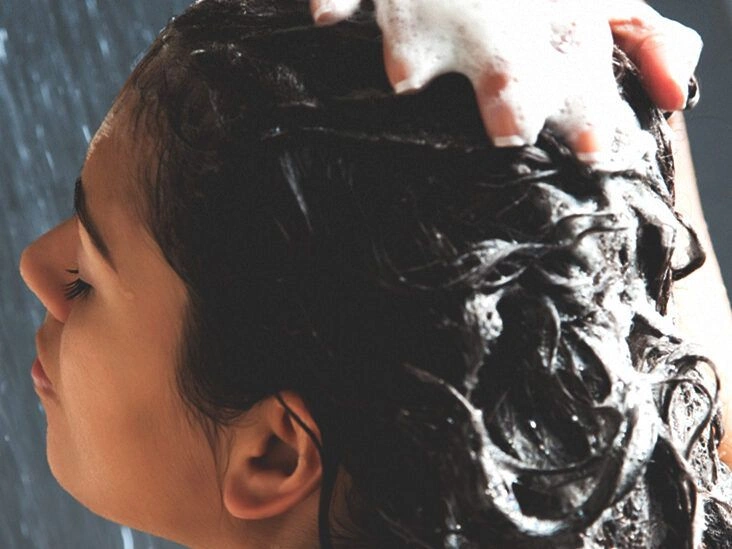
SLS appears in both cosmetic and cleaning formulations. Research indicates concentrations of about one percent or less are considered safe for use on skin.
Overview
Sodium lauryl sulfate (SLS) is an ingredient commonly printed on shampoo and cleanser labels. Unless you work with chemicals, you might not be familiar with it. This compound is present in numerous cleaning and personal-care items, yet it’s often misrepresented.
There are many urban legends connecting SLS with cancer, skin problems, and other concerns. Scientific evidence, however, paints a different picture.
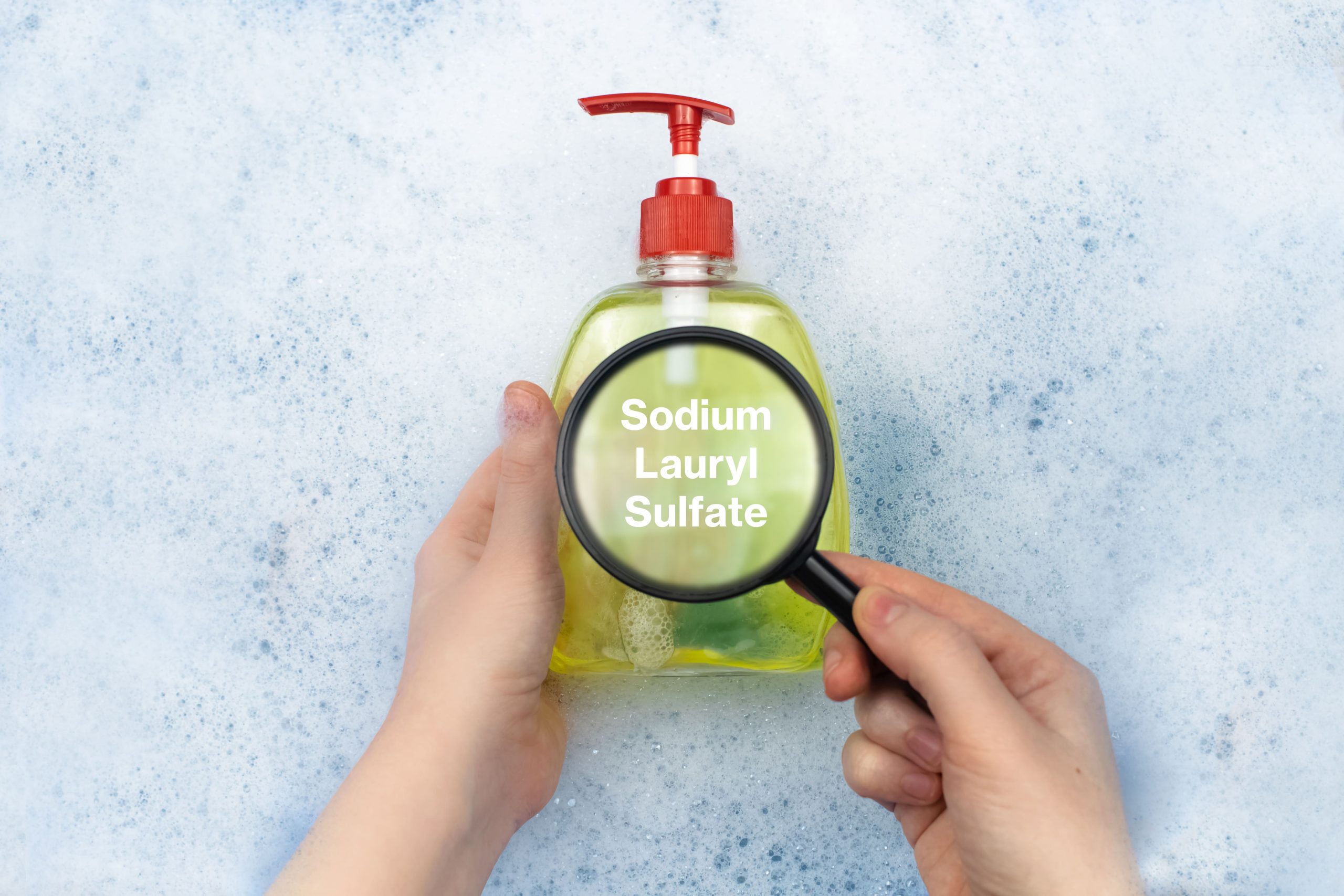
How it works
SLS is classified as a “surfactant.” That means it reduces surface tension between components, which explains its role as a foaming and cleansing agent.
Most worries about SLS arise from its presence in both beauty products and household cleaners.
Sodium laureth sulfate (SLES) is a related surfactant with a similar structure. SLES tends to be gentler and causes less irritation than SLS.
Where you’ll find SLS
Look under your sink or on your shower shelf, and there’s a good chance you’ll encounter SLS. It’s incorporated into a wide range of items, including:
- Grooming products, like shaving creams, lip balms, hand sanitizers, nail treatments, makeup removers, foundations, facial cleansers, exfoliants, and liquid hand soaps
- Hair products, such as shampoos, conditioners, hair dyes, dandruff treatments, and styling gels
- Oral care products, including toothpastes, teeth-whitening formulations, and some mouthwashes
- Bath products, for example bath oils or salts, body washes, and bubble baths
- Creams and lotions, like hand creams, facial masks, anti-itch ointments, hair-removal creams, and sunscreens
All these items are applied topically, meaning they contact the skin or body directly.
SLS is also utilized as a food additive, typically serving as an emulsifier or thickening agent. It can be present in dried egg products, certain marshmallow items, and some dry beverage mixes.
Are there dangers?
The Food and Drug Administration (FDA) considers SLS acceptable as a food additive.
With respect to cosmetics and topical products, the safety evaluation of SLS, published in 1983 in the International Journal of Toxicology (the most recent comprehensive review), concluded it’s not harmful when applied briefly and rinsed off, as with soaps and shampoos.
The review recommends that products designed to remain on skin longer should keep SLS concentrations at or below 1 percent.
The same evaluation did note a potential, though limited, risk: prolonged skin exposure to SLS produced mild to moderate irritation in some animal studies.
Overall, the assessment determined SLS is safe within cosmetic and personal-care formulations. Since many such products are formulated to be washed away after short use, the potential hazards are small.
Most research categorizes SLS as an irritant rather than a carcinogen. Studies have not demonstrated a connection between SLS use and an elevated cancer risk.
A 2015 study also supports the safety of SLS in household cleaning products.
Takeaway
Concentrations of SLS in personal-care items are generally limited. For individuals uncomfortable with its use or who prefer to avoid it, more SLS-free options are becoming available.
You can find these alternatives by checking ingredient lists online or in stores.
Frequently Asked Questions
SLS is a surfactant used to reduce surface tension, creating foam and helping remove dirt and oils in cleansers, shampoos and other products.
At typical concentrations in rinse-off products, SLS is considered safe; however, prolonged exposure or higher concentrations can cause mild to moderate irritation in some people.
SLS appears in grooming products, hair care, oral care, body washes, creams, and some food items as an emulsifier or thickening agent.
SLES (sodium laureth sulfate) is a related surfactant that tends to be gentler and cause less irritation than SLS due to differences in chemical structure and processing.
Not necessarily; many people use SLS-containing rinse-off products without issue. Those with sensitive skin or who prefer to minimize irritation can choose SLS-free alternatives.
Read Next
The 8 Best Eco-friendly Razors for a More Sustainable Shave

Can You Use Face Mapping to Improve Your Skin’s Health?
Is Microblading Your Eyebrows Painful?
What to Expect After Laser Treatment for Spider Veins
What’s the Difference Between THC Lotion and CBD Lotion?
Are There Benefits to Using Almond Oil on Your Face?
Related Posts
Shea Butter for Your Face: Benefits and Uses
Aug 27, 2026 • 16 min read
Proper Dosage for Botox Treatment on the Forehead, Eyes, and Glabella
Aug 20, 2026 • 5 min read
5 Evidence-Based Ways Collagen May Improve Your Hair
Sep 1, 2026 • 9 min read
About Prickly Pear Seed Oil
Aug 17, 2026 • 17 min read
Green Tea for Hair: A Complete Guide
Aug 4, 2026 • 35 min read