Everything You Need to Know About Petroleum Jelly

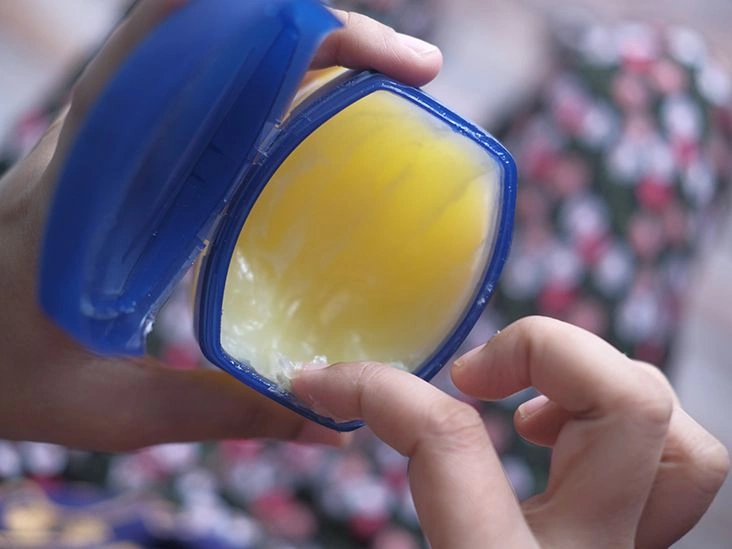
- Benefits and uses of petroleum jelly
- 1. Treat minor scrapes and burns
- 2. Hydrate your face, hands, and more
- 3. Care for pet paws
- 4. Prevent diaper irritation
- 5. Remove eye makeup
- 6. Tame split ends
- 7. Block stains from hair dye or nail polish
- 8. Make perfumes last longer
- 9. Lubricate stuck items
- Risks of using petroleum jelly
- Takeaway
Petroleum jelly has long been used to moisturize and help heal the skin. However, some formulations may contain potentially carcinogenic impurities. For safety, choose triple-distilled brands such as Vaseline.

Also known as petrolatum, petroleum jelly is a blend of mineral oils and waxes that creates a semisolid, gel-like substance. The formulation has remained largely unchanged since Robert Augustus Chesebrough introduced it in 1859. Chesebrough observed oil workers applying a greasy substance to treat cuts and burns and later marketed the product as Vaseline.
The therapeutic effects of petroleum jelly stem from its petroleum base, which forms a protective, water-resistant layer over the skin. This barrier supports healing and helps the skin retain moisture. Continue reading to discover additional ways to use petroleum jelly.
Benefits and uses of petroleum jelly
1. Treat minor scrapes and burns
Research indicates that petroleum jelly effectively maintains skin moisture after surgery, which can be beneficial for minor, everyday skin injuries. Ensure the area is thoroughly cleaned and disinfected before applying, as sealing over contaminants can trap bacteria and slow recovery.
2. Hydrate your face, hands, and more
Face and body moisturizer: Apply petroleum jelly after bathing. As an occlusive agent, it helps prevent moisture loss. It can also soothe a dry, irritated nose during cold or allergy seasons.
Cracked heels: To reduce cracked heels, soak your feet in warm, lightly salted water. Dry well, then apply petroleum jelly and wear clean cotton socks overnight.
Restore hardworking hands: After washing and thoroughly drying your hands, spread on some petroleum jelly and put on clean gloves to lock in moisture and promote recovery.
Chapped lips: Use petroleum jelly on chapped lips just as you would a lip balm.
Here’s more guidance on selecting a suitable facial moisturizer.
3. Care for pet paws
Dogs can suffer from cracked paw pads. Clean their paws with cotton gauze, dry them, then apply a small amount of petroleum jelly—preferably after a walk or while the pet is resting. Use sparingly since licking may cause gastrointestinal upset if ingested in large amounts.
4. Prevent diaper irritation
Petroleum jelly is one of several emollients shown to reduce the likelihood of diaper rash in infants. Always clean and thoroughly dry the skin before application.
The jelly creates a protective layer that shields delicate skin from prolonged moisture exposure. Consult a pediatrician if a rash persists.
5. Remove eye makeup
Oils are effective at dissolving makeup, and petroleum jelly is considered safe for the eye area based on studies involving eye ultrasound. Use a cotton pad or a Q-tip for precision, closing your eyes and pressing gently without pulling. Some people also apply it to soften crow’s feet lines.
6. Tame split ends
Exposure to sun, wind, and pool chemicals can dry out hair. Petroleum jelly can reduce the appearance of split ends and add shine. Rub a small amount between your palms and smooth it over the hair tips.
7. Block stains from hair dye or nail polish
Apply petroleum jelly along the hairline to stop hair dye from staining skin. The same trick works when painting nails at home—create a removable barrier that wipes away easily afterward.
8. Make perfumes last longer
Putting a little petroleum jelly on pulse points before applying perfume can help the scent adhere and last longer. Dab a small amount where you normally spray, then apply your fragrance.
9. Lubricate stuck items
If a ring is lodged on your finger, coat the finger and the ring’s underside with petroleum jelly to help it slide off. For squeaky door hinges, rub a small amount on the hinge and open and close the door a few times, then remove any excess.
Risks of using petroleum jelly
Though petroleum jelly offers many helpful uses, it is intended for external application only. Do not ingest or insert petroleum jelly.
Do not use petroleum jelly as a personal lubricant for vaginal intercourse or masturbation. The American College of Obstetricians and Gynecologists (ACOG) warns that petroleum jelly can degrade latex condoms and increase the risk of breakage.
A 2016 study of 141 women reported that 17% used petroleum jelly intravaginally and that 40% of those participants tested positive for bacterial vaginosis.
Different brands and grades of petroleum jelly can cause varying reactions. Possible issues include allergic responses, pore-clogging for acne-prone skin, and contamination risks if the product is impure.
Takeaway
Petroleum jelly has been a mainstay in medical and cosmetic care because of its occlusive properties, support for skin repair, and long record of FDA-recognized safety.
As with any topical product, monitor for signs of irritation or allergic reaction on first use. If environmental concerns are important to you, consider plant-based alternatives rather than petroleum-derived options.
Frequently Asked Questions
Yes—when using a high-purity, triple-distilled brand, petroleum jelly is generally safe for external use to lock in moisture and protect minor wounds; avoid ingesting or inserting it.
Petroleum jelly is an occlusive and can trap moisture effectively, but it may worsen acne for some people; test on a small area first and avoid use on actively inflamed, acne-prone skin.
Clean and dry the area, apply a thin layer of petroleum jelly, then cover with socks or gloves overnight to help retain moisture and support repair.
Petroleum jelly is commonly used as a protective barrier to reduce diaper irritation; apply to clean, dry skin and consult a pediatrician if rash persists or worsens.
Do not use petroleum jelly as a sexual lubricant; it can degrade latex condoms and increase risk of breakage, and intravaginal use may disturb natural flora.





Related Posts
Are There Benefits to Using Almond Oil on Your Face?
Jul 30, 2026 • 23 min read
I Tried It: Neutrogena Hydro Boost Water Gel Review
Oct 1, 2026 • 35 min read
The Skin Benefits of Palmarosa Oil, Plus Recipes and Safety Tips
Oct 7, 2026 • 5 min read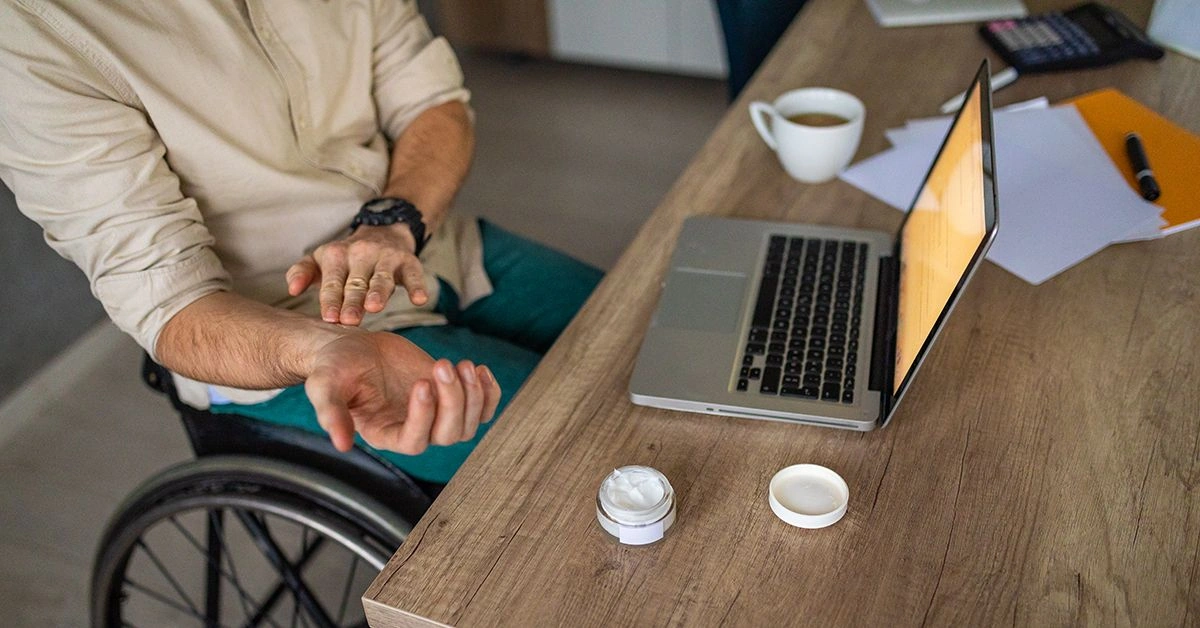
What’s the Difference Between THC Lotion and CBD Lotion?
Aug 13, 2026 • 10 min read
Derma Roller for Hair Growth: Here’s What You Need to Know
Sep 26, 2026 • 14 min read