Nasal Cannulas and Face Masks


Nasal cannulas and face masks are devices used to supply oxygen to people who otherwise do not receive enough. They are frequently employed to ease breathing for individuals with respiratory disorders.
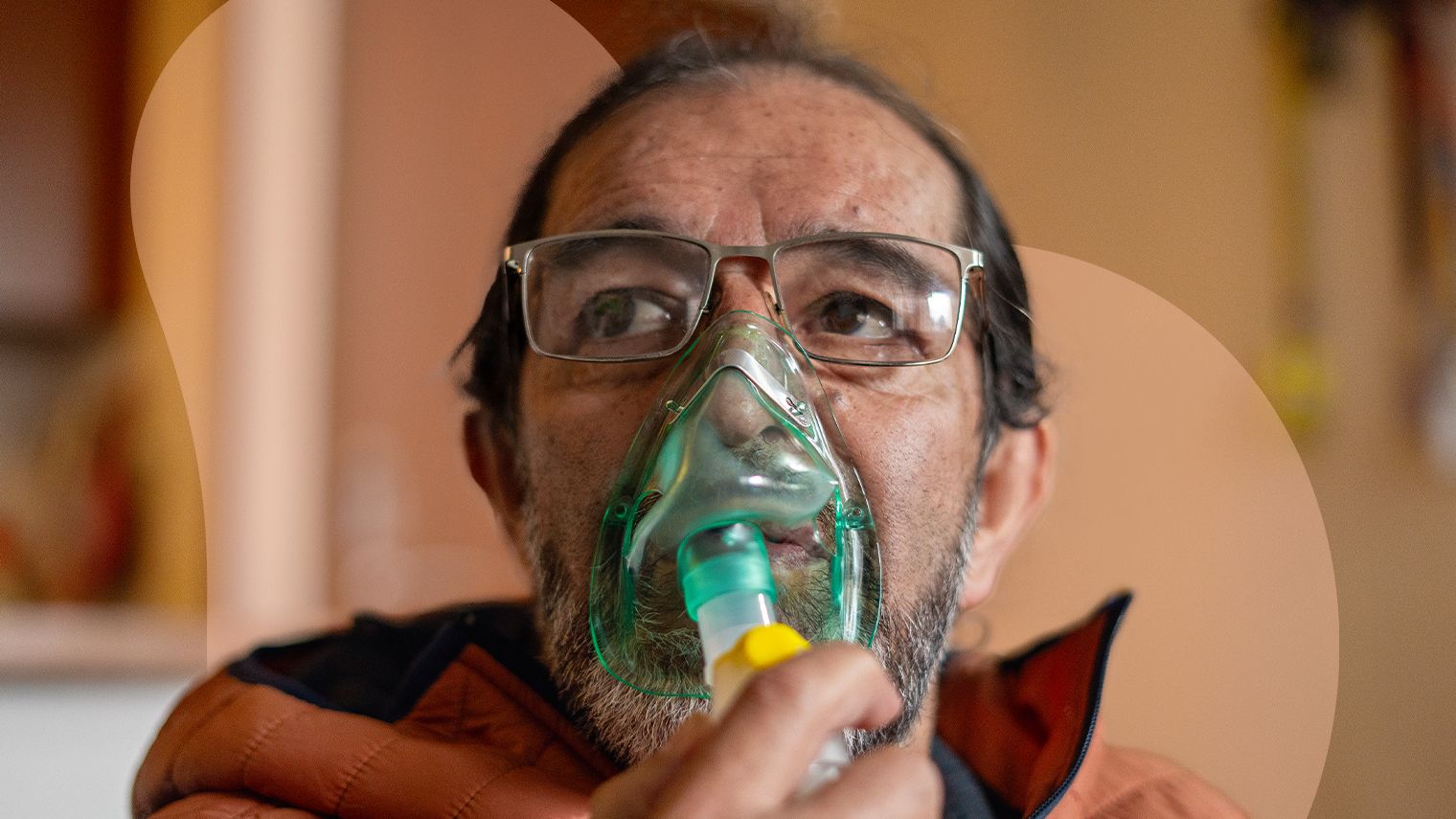
A nasal cannula is a flexible tube positioned beneath the nose. The tube ends in two small prongs that sit inside the nostrils. A face mask, by contrast, covers both the nose and mouth.
Both delivery systems connect to oxygen sources, which are available in various sizes and types.

Nasal cannulas and simple face masks are generally used to provide low concentrations of oxygen. A different style, the Venturi mask, supplies oxygen at higher, controlled concentrations. In some situations, nasal cannulas are also configured to deliver higher oxygen levels.
Why are nasal cannulas and face masks used?
Nasal cannulas and face masks are commonly employed to treat people with respiratory conditions such as:
- asthma
- bronchopulmonary dysplasia (underdeveloped lungs in newborns)
- chronic obstructive pulmonary disease (COPD)
- cystic fibrosis
- pneumonia
- sleep apnea
They are also used in hospitals for patients who have experienced trauma or acute problems like heart failure.
Oxygen therapy can increase energy levels and make breathing easier.
Learn more: Oxygen therapy »
How are nasal cannulas and face masks used?
Before starting therapy, your physician will conduct tests to determine how much oxygen is already present in your blood. This may involve a blood sample or a noninvasive sensor. A pulse oximeter, placed on a finger or toe, uses light to estimate blood oxygen levels without a needle.
Oxygen can be delivered via nasal cannulas or face masks in hospitals, clinics, or specialized care centers. It is also possible to receive oxygen at home or while traveling. Some systems are portable and can be carried over the shoulder.
Venturi masks deliver a steady, predetermined concentration of oxygen. They are often used when careful control of carbon dioxide retention is needed in addition to supplemental oxygen.
Nasal cannulas are the most commonly used delivery device, mainly because they are less obtrusive and allow the wearer to speak and eat with greater ease.
What are the risks of nasal cannulas and face masks?
Users of nasal cannulas may experience dryness in the nasal passages, especially when receiving higher oxygen flows. Newer systems can alleviate this by adding moisture and warmth to the oxygen.
Although oxygen therapy offers benefits, it is not without risks. Prolonged exposure to high concentrations of oxygen can lead to complications, including lung injury or pulmonary oxygen toxicity. High oxygen levels can also harm the eyes in some cases.
Contact your healthcare provider if you notice a bluish discoloration of the lips or nails, or if you develop worsening shortness of breath while on supplemental oxygen.
What is the outlook for nasal cannulas and face masks?
Oxygen therapy can enhance a person’s quality of life for many years. Easier breathing enables participation in more daytime activities, often improves sleep, and may contribute to a longer lifespan.
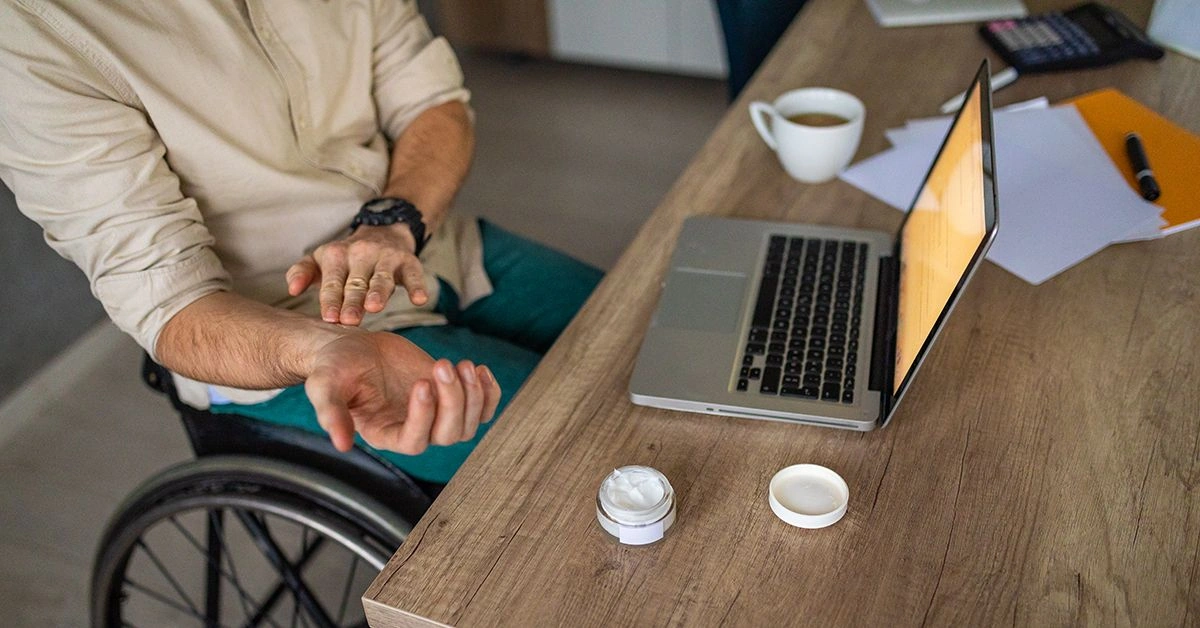
In some cases, supplemental oxygen is only necessary during sleep or physical exertion. If the device causes skin irritation from rubbing, your clinician may be able to adjust the fit. Over-the-counter creams can sometimes reduce chafing on the nose.
Remember that oxygen supports combustion and is highly flammable. Display “No smoking” notices wherever oxygen is used. Keep other ignition sources away, including aerosols, candles, and open flames from stoves.
Frequently Asked Questions
A nasal cannula is a lightweight tube with two prongs that fit into the nostrils and is suited for low to moderate oxygen flows. A face mask covers the nose and mouth and can deliver higher concentrations or more controlled oxygen depending on the mask type.
A Venturi mask is used when precise, controlled oxygen concentrations are needed—commonly in patients where carbon dioxide retention must be managed carefully.
Yes. Many oxygen systems are designed for home use and portability. Your provider can prescribe portable oxygen equipment suitable for travel and daily activities.
Common issues include nasal dryness, skin irritation from rubbing, and risks from prolonged high oxygen exposure such as lung injury. Oxygen is highly flammable, so smoking and open flames must be avoided near its use.
Clinicians assess blood oxygen levels using pulse oximetry or blood tests, review the patient’s condition, and choose a device and flow that meet oxygenation goals while minimizing risks like carbon dioxide retention.






Related Posts

Smoker's Cough: Everything You Need to Know
Sep 13, 2026 • 4 min read
What is Decannulation of a Tracheostomy?
Sep 6, 2026 • 28 min read
Entomophobia: Fear of Insects
Sep 7, 2026 • 6 min read
Is Willow Bark Nature’s Aspirin?
Sep 8, 2026 • 28 min read
Do Tattoos Always Stretch? What to Know Before Getting Inked
Sep 23, 2026 • 12 min read