How to Make a Homemade Heating Pad

A heating pad can be an effective option for alleviating sore necks and backs. Applying warmth may help ease discomfort in strained or overworked muscles.
Crafting a homemade heating pad from items around your house is a quick, straightforward way to comfort aching muscles and joints.
There are multiple approaches you can try.
:max_bytes(150000):strip_icc()/7-5385e311c98443248fbce9d9956b8a6c.jpg)
Method 1
Nathan Wei, MD, a board-certified rheumatologist and former director of the Arthritis Treatment Center in Maryland, suggests a very easy technique for creating your own heating pad. You’ll need:
- two hand towels
- a zip-top plastic bag
- a microwave
Towel compress instructions
- Dampen both towels with water. Wring out the extra moisture so they remain only slightly wet.
- Place one towel inside the zip-top bag but leave the bag open. Put the bag into the microwave and heat on high for 2 minutes.
- Carefully take the bag out of the microwave — it will be hot. Seal the zip-top bag, then wrap the second damp towel around it.
- Set your homemade heating pad against the painful area. The warmth should persist for roughly 20 minutes.
Method 2
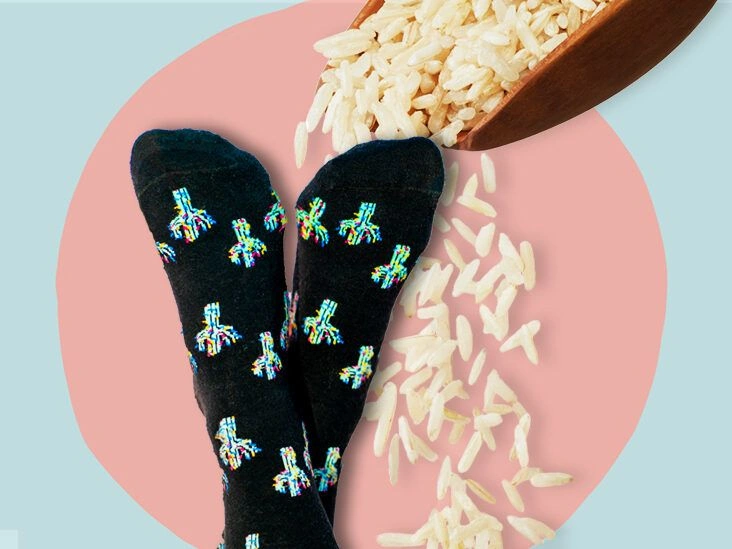
Like many households, you probably have a drawer of lone cotton socks. You can repurpose those unused socks! For neck and shoulder discomfort, all you require is a sock and some rice.
This type of pad works best using a larger sock, such as a tube sock.

Sock compress instructions
- Pour rice into the sock, leaving enough space at the top so you can close the opening by sewing it, or fastening it with a rubber band or string — whatever secures the rice inside.
- Microwave on high for no more than 3 minutes.
- Remove the sock from the microwave (again, it will be hot). Apply to your neck or shoulder. If the pad cools and you need more warmth, microwave it again for 1 minute and reapply.
Other options
- Fill a zip-top bag or sock with barley or oats, which also retain heat well and conform to your body.
- Add dried herbs or flowers like lavender for a calming aroma.
- Create a reusable pack by stitching together two rectangles of an old pillowcase, shirt, or fabric scraps.
Making a DIY heating pad can be economical and may be safer than using some electric models. If you’re too sore to shop, it can also spare you a trip to the store.
Contact your physician if muscle or joint pain continues for several days.
What is a heating pad used for
A 2014 review indicated that heating pads can help boost blood circulation and lessen pain from muscle injuries. Heating pads are commonly recommended for discomfort affecting the:
- neck
- lower back
- headaches
- arthritis and joints
Physicians may also advise using heat for menstrual cramping or urinary tract infection pain. In those situations, place the heating pad on the abdomen.
Why heating pads may work
The key benefit of heat therapy is its capacity to increase blood flow to painful regions. Heat dilates blood vessels, allowing blood and oxygen to reach sore tissues more readily.
Heat treatment also tends to relax muscle spasms, helping muscles, ligaments, and tendons loosen.
Benefits
An older 2003 review involving people with knee osteoarthritis found that heated packs can help:
- increase flexibility
- enhance muscle strength
- decrease pain
- speed up walking pace
- reduce swelling
Another study also showed that heated compresses were helpful for easing back pain.
How long they last
A pad warmed in the microwave for 2 minutes should retain heat for about 20 minutes.
You can pause and then reheat and reuse if you want additional relief. Using heated packs twice daily may help with ongoing soreness.
Cautions
Follow the manufacturer’s directions when using an electric heating pad to avoid burns, electric shocks, or fire. Test the pad’s temperature before placing it on your skin.
The takeaway
Heat therapy from a heating pad may help ease muscle aches and stiffness. You can make an effective heating pad from common household supplies.
Use as directed by a healthcare provider. Some people should avoid heating pads, including infants, pregnant individuals, and people with diabetes.
Frequently Asked Questions
Heat a rice-filled sock on high for up to 3 minutes, then test the temperature before applying. If more warmth is needed, reheat in 30–60 second increments.
Yes. Place a damp towel inside a zip-top bag, heat the bag in the microwave for about 2 minutes, seal it, then wrap with a second towel to apply safely.
Rice, barley, or oats are common choices because they retain heat and conform to the body. Dried lavender or herbs can be added for a soothing scent.
A pad heated in the microwave typically stays warm for around 15–25 minutes depending on filling and thickness; you can reheat as needed, with brief intervals.
Not always. Avoid using on infants, people with impaired sensation (e.g., some diabetes cases), or pregnant individuals without medical advice. Always test temperature to prevent burns.





Related Posts

Is It Safe to Mix Naproxen and Acetaminophen?
Aug 18, 2026 • 22 min read
Natural Pain Relievers
Sep 4, 2026 • 18 min read
Best CBD Gummies for Pain: 4 Options If You Don’t Like Topicals
Sep 30, 2026 • 29 min read
5 Hand Massagers for Pain and Stiffness Relief at Your Fingertips
Oct 1, 2026 • 25 min read
What to Know When Choosing a PEMF Therapy Device for Home
Oct 4, 2026 • 35 min read