Benefits and Uses of Basil Seeds (Sabja Seeds, Tukmaria)

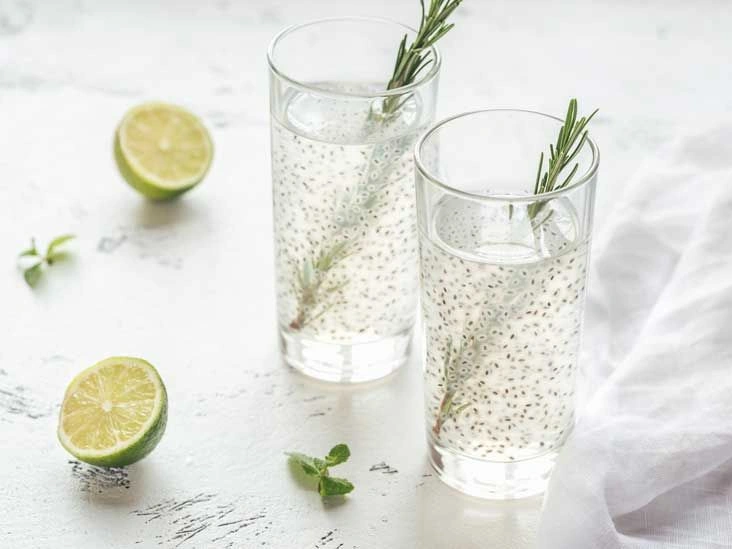
Sabja, often called tukmaria, are the seeds of basil and commonly referred to in English as basil seeds. They offer a valuable mix of fiber, fats, and antioxidants, and serve as a notable plant-based protein source. However, individuals taking blood-thinning medications may want to avoid them.
These basil seeds aren’t just for propagating basil plants — they’re edible too.

Resembling sesame seeds in shape but black in color, the edible form usually comes from sweet basil, Ocimum basilicum, an herb commonly used as a culinary seasoning.
Because of this, these seeds are frequently called sweet basil seeds and are also known by names like sabja and tukmaria.
Basil seeds come with a range of uses and potential health benefits.
Good source of nutrition
While their nutrient profile can vary with growing conditions, some studies report that basil seeds contain roughly:
- 43.9% carbohydrates, including 36.3% fiber
- 33% fats, of which about 71% is alpha-linolenic acid (ALA)
- 9.4% protein
They also provide appreciable amounts of potassium, magnesium, and calcium. Additionally, basil seeds are abundant in phenolic compounds and flavonoids, both of which act as antioxidants.
Research suggests they may help lower excessive cholesterol and bile acids and can inhibit alpha-amylase activity.
Rich in plant compounds
Basil seeds are loaded with phytochemicals, notably flavonoids and various polyphenols.
Flavonoids function as antioxidants, protecting cells from free radical damage. These compounds may also exhibit anti-inflammatory and anticancer effects.
Including basil seeds in your diet can support overall wellbeing thanks to these plant-derived nutrients.
Plant source of omega-3 fat
Basil seeds are a significant plant-based source of omega-3 fatty acids, which support cardiovascular health.
The types of omega-3s include:
- alpha-linolenic acid (ALA)
- eicosapentaenoic acid (EPA)
- docosahexaenoic acid (DHA)
Most of the omega-3 found in basil seeds is ALA, an essential fatty acid the body cannot synthesize. Studies indicate ALA makes up roughly 71% of the fat in these seeds.
Your body chiefly uses ALA for energy production, though it may also reduce inflammation and lower the risk of some conditions, such as heart disease and type 2 diabetes.
Recommended daily ALA intakes are often suggested at various levels. Given their ALA content, basil seeds can help you reach your target intake.
Learn more about ALA.
Flavorless thickener and stabilizer
The mucilage gum extracted from basil seeds is tasteless, rich in pectin, and useful for thickening and stabilizing foods such as desserts, soups, and sauces.
This basil seed gum is also used to stabilize ice cream by reducing the formation of unwanted ice crystals.
It can stabilize salad dressings, low-fat whipped cream, jellies, and even substitute for fat in products like yogurt and mayonnaise.
Fibrous beverage ingredient
Basil seeds have a long history of use in beverages across India and Southeast Asia.
Falooda, a well-loved chilled dessert-drink in India, incorporates basil seeds with rose syrup and milk; some recipes add ice cream, vermicelli, or fruit.
Recently, several food companies in the United States and Europe have introduced bottled drinks that include basil seeds.
The seeds give drinks a slightly chewy texture and provide a boost of fiber — a nutrient commonly missing from beverages.
Great alternative to chia seeds
Basil seeds are slightly larger than chia seeds but share a comparable nutrient profile.
Both chia and basil seeds expand and form a gel when soaked, although basil seeds swell faster and to a larger extent than chia.
They both have a neutral taste, making them versatile in recipes like smoothies and baked items.
While chia seeds can be eaten dry (for instance, sprinkled over salads), basil seeds are generally not consumed dry because they are difficult to chew in that state.
Easy to use
You can purchase edible basil seeds at Asian grocery stores and online — search specifically for seeds labeled for consumption. Seeds sold for planting usually cost more per ounce and might be treated with pesticides.
Before eating, basil seeds are usually soaked.
Soaking the Seeds
To hydrate basil seeds, use about 8 ounces (237 ml or 1 cup) of water for each tablespoon (13 grams or 0.5 ounces) of seeds.
Feel free to add more water since the seeds absorb only what they need. Using too little water can cause the seeds to clump during hydration.
Allow them to soak for approximately 15 minutes. As they swell, they typically triple in size, and the gel-like exterior turns gray.
The inner portion of a soaked basil seed stays black and provides a slight crunch when chewed, similar to tapioca pearls.
Drain the hydrated basil seeds and incorporate them into your dish. If the recipe already contains substantial liquid, such as a soup, pre-soaking may not be required.
Ways to Use Them
Numerous recipes online use basil seeds; their mild flavor makes them easy to include in many dishes.
For instance, basil seeds can be used in:
- smoothies
- milkshakes
- lemonade and other beverages
- soups
- salad dressings
- yogurt
- puddings
- hot cereals such as oatmeal
- whole grain pancakes
- whole grain pasta meals
- breads and muffins
When incorporating basil seeds into baked goods, you can grind them and substitute part of the flour instead of using them soaked.
Alternatively, soaked basil seeds can act as an egg replacement in baking. To substitute one egg, use one tablespoon (13 grams or 0.5 ounces) of basil seeds soaked in three tablespoons (1.5 ounces or 45 ml) of water.
Possible side effects
Because basil seeds are high in fiber, they may cause digestive symptoms such as bloating. It’s wise to increase fiber intake gradually so your digestive system can adapt.
The bottom line
Basil seeds deliver abundant fiber, valuable minerals, plant-based omega-3 fats, and a range of beneficial phytochemicals.
They’re typically eaten after soaking and have been popular in beverages in India and Southeast Asia for years; interest in them is growing in the United States as well.
If you’re interested in trying trending healthy foods, look for edible basil seeds at Asian markets or online.
Frequently Asked Questions
Basil seeds, also called sabja or tukmaria, are the edible seeds of sweet basil (Ocimum basilicum). They swell into a gel when soaked and are used in beverages and recipes across Asia.
Use about 1 cup (237 ml) of water per tablespoon of seeds and soak for roughly 15 minutes until they swell and form a gel. Drain and add to drinks, puddings, smoothies, or baked goods.
Basil seeds are rich in fiber, plant-based omega-3 (mostly ALA), fats, and some protein, plus minerals like potassium, magnesium, and calcium, along with antioxidant phytochemicals.
Yes. Basil seeds behave similarly to chia seeds by forming a gel when soaked; they swell faster and larger, making them a suitable alternative in many recipes.
High fiber content may cause bloating or digestive discomfort if introduced suddenly. People on blood-thinning medications should consult a healthcare provider before consuming large amounts.
Read Next
15 Packaged Pasta Alternatives: Our Tasting Notes Plus a Dietitian’s Take
Refined vs. Unrefined Coconut Oil: What’s the Difference?
What Is Tamarind? A Tropical Fruit with Health Benefits
What Causes Love Handles and How To Get Rid of Them
What Is the Budwig Diet, and Does It Prevent Cancer?
Is Cheesecake Healthy? Nutrition and Recipe Tips
Related Posts
Arbonne Diet Review: Overview, Effectiveness, and More
Aug 9, 2026 • 4 min read
What’s the Benefit of Poppyseed Oil?
Aug 25, 2026 • 30 min read
Dieta cetogénica: Una guía detallada para principiantes sobre la dieta cetogénica
Aug 1, 2026 • 19 min read
How to Use an Alum Block When Shaving
Aug 7, 2026 • 9 min read
The 12 Best Casein Protein Powders
Oct 3, 2026 • 26 min read