Annual Physical Exam Checklist by Age (Latest Update)


Yeah. I get it.
That little voice in your head that says, “I’ll schedule my physical next month…” — and then next month turns into six months, then a year, then, well — you’re just kind of winging it.
You’re busy. Healthy, mostly. No major aches. Why bother, right?
But here’s the thing: an annual physical isn’t about waiting for something to go wrong.
It’s about making sure it doesn’t.
And the truth? What you need — the tests, the screenings, the chat with your doctor — changes as you move through life. What mattered at 25 is not what you need at 55.
So if you’ve ever walked into an exam room and thought, Okay… what exactly are they even checking for? — I got you.
Let’s break down the real, no-fluff, annual physical exam checklist by age — because your body isn’t one-size-fits-all. And neither should your checkup be.
What’s in It?

You show up. A nurse takes your vitals — blood pressure, heart rate, temperature, maybe your oxygen levels. They ask you to step on the scale. It’s familiar. Routine.
But here’s what’s actually happening behind the scenes:
You’re not just getting a “quick once-over.” You’re getting a health snapshot — one that builds over time. Each year, your numbers are compared. Trends show up. A slightly rising blood pressure at 38 might not scream emergency, but it’s a whisper. A warning. And that whisper? It can change your life if you listen.
Most annual exams include:
- Blood work (cholesterol, blood sugar, kidney and liver function).
- A full physical: heart, lungs, reflexes, abdomen, skin.
- Review of your meds, stress, sleep, mental health, habits.
- Updates on vaccines — flu, tetanus, shingles, HPV.
And — maybe most importantly — a conversation. One where you get to say, “Hey, I’ve been feeling tired,” or “Is this lump normal?” or even just “I don’t know what I should be asking.”
This visit? It’s not just about catching problems. It’s about staying ahead of them.
Kids 0–12
If you’re a parent, you know: pediatric checkups feel like a mix of measuring tapes, vaccinations, and, “Say ‘ahhh.'”
But they’re so much more than that.
For kids, these visits track how they’re growing — not just in inches, but in skills, speech, motor control, emotional responses. A delay in hitting milestones? It can be a sign of something that’s much easier to fix now than later.
Here’s what your child’s checkup usually includes:
- Growth charts and developmental screening.
- Immunizations (the CDC has a full schedule for this CDC ).
- Hearing and vision tests
- Blood tests for anemia or lead exposure (especially in older homes).
- Parent-only time with the doctor to talk about sleep, diet, safety.
These aren’t just “well-baby visits.” They’re the foundation. And catching something early — like a hearing issue or autism signs — can change a child’s entire path.
Teens 13–19
This stage? It’s intense. Growth spurts, shifting hormones, social stress, identity questions — it’s a lot.
And honestly, most teens don’t want their parents in the room when it gets real.
Good news: many doctors will talk to teens one-on-one. It’s private. It’s safe. And it’s where they might finally bring up things they’ve been nervous about.
Teen checkups focus on:
- Puberty development — is it on track?
- Mental health — depression and anxiety rates in teens are rising, and a 2022 study in the Journal of the American Academy of Child & Adolescent Psychiatry found most cases go undiagnosed JAACAP.
- Sexual health — HPV vaccine (recommended at 11–12), menstrual health, STI awareness.
- Sports physicals — critical for catching rare heart conditions that could be dangerous during intense activity.
- Lifestyle talk — vaping, alcohol, drugs, screen time, sleep.
If you’re a parent reading this, let your teen have that private time. It might be when they finally admit they’re overwhelmed, stressed, or struggling.
Adults 18–39
Welcome to the “I’m an actual adult now” phase.
You’re building your career, dating, maybe starting a family. Life is moving fast. And health? It’s easy to push to the back burner.
But these years are golden for building healthy habits and catching risks early.
This is when your doctor starts building your health baseline — the “normal” for you. So when something shifts? They’ll notice.
| Screening/Test | Female | Male |
|---|---|---|
| Blood pressure | ✅ Yearly | ✅ Yearly |
| Cholesterol | ✅ Every 4–5 years | ✅ Every 4–5 years |
| Diabetes screening | ✅ If high-risk | ✅ If high-risk |
| STI testing | ✅ Annual or new partner | ✅ Annual or new partner |
| Pap smear | ✅ Every 3–5 years (21+) | — |
| Breast exam | ✅ Clinical + self | — |
| Testicular exam | — | ✅ Clinical + monthly self |
| Skin check | ✅ Every 1–2 years | ✅ Every 1–2 years |
And hey — just because guidelines say “every 5 years” doesn’t mean you shouldn’t go yearly. Some people need more frequent monitoring. Talk to your doctor.
Oh, and that Pap smear? ACOG updated their guidelines a while back ACOG. Most low-risk women don’t need one every year. Every 3–5 years is fine. Less stress. Fewer false alarms.
Ages 40–64
Let’s be real: this is when the “wait-and-see” approach stops being cute.
Hearing loss, rising cholesterol, early signs of diabetes, cancer risks — they start creeping in. And while that sounds scary, it’s also empowering.
Because most of these? Totally manageable. If you catch them early.
Here’s where screening gets more focused:
- Heart health: Blood pressure, cholesterol, EKG if needed.
- Diabetes: Fasting glucose or A1C test every 3 years (or more if overweight).
- Colorectal cancer: Colonoscopy every 10 years (starting at 45 now).
- Breast cancer (women): Mammograms yearly or every 2 years, starting at 40+.
- Cervical cancer: Pap + HPV test every 5 years (up to 65).
- Prostate cancer (men): PSA test + digital exam — but discuss risks with your doc.
- Bone health: Women should start DEXA scans around 65, or earlier if high-risk.
- Abdominal aortic aneurysm: One-time ultrasound for men 65+ who’ve smoked.
This is the age where prevention becomes non-negotiable.
And trust me — I’ve seen it. A friend delayed his PSA because he was “fine.” Turned out, it wasn’t fine. Luckily, caught it early. Treated. Alive. But he’ll always wonder, “What if I’d gone sooner?”
Seniors 65+
Now it’s not just about living longer — it’s about living better.
So the focus shifts: mobility, mind, meds, and staying independent.
Here’s what’s top of mind during senior checkups:
- Cognitive screening: Simple questions to watch for dementia or Alzheimer’s early signs
- Hearing and vision: Both affect balance. Poor hearing? Increases fall risk by 30%, according to a 2020 NIH study NIH
- Medication review: Seniors often take 5+ prescriptions. Interactions? Real risk.
- Vaccinations: Shingles (Shingrix), pneumonia (Pneumovax), flu (yearly), Tdap (every 10 years)
- Fall prevention: Gait, balance, leg strength — all assessed
- Nutrition: Appetite changes, trouble swallowing, dehydration — common, but fixable
And a good doctor will ask about your life: Are you social? Depressed? Struggling to get around?
One 2023 JAMA Internal Medicine study found seniors who had annual wellness visits had 22% fewer hospitalizations JAMA. That’s huge.
For Women
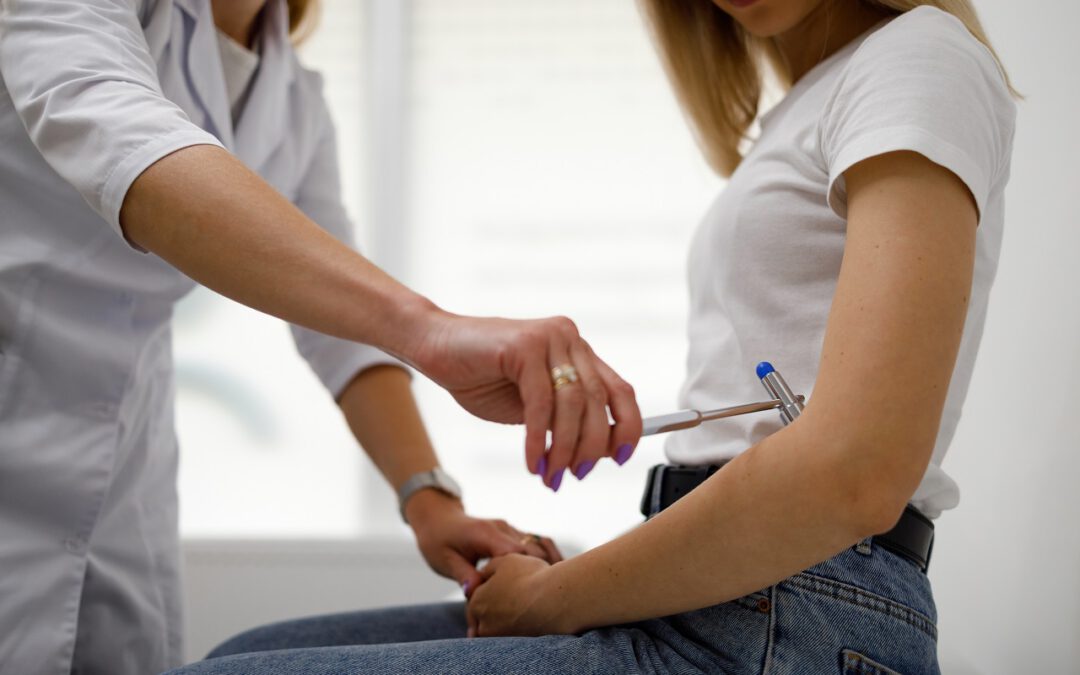
Let’s talk about the annual physical exam checklist by age female.
You’ve got unique needs — reproductive health, menopause changes, higher osteoporosis risk.
And after 50? The game shifts again.
Annual Physical Exam Checklist for Female Over 50
- Mammogram every 1–2 years
- Pap/HPV test every 5 years (or stop after 65 if history is clean).
- Bone density scan (DEXA) — especially post-menopause.
- Colonoscopy every 10 years.
- Thyroid test — fatigue and weight gain can be tied to this.
- Mental health — mood, sleep, brain fog during menopause.
And let’s not skip the big one: menopause isn’t just hot flashes. It affects your heart, bones, skin, even your bladder. A good physical talks about it — not just the “parts,” but the whole picture.
Annual Physical Exam Checklist for Female Over 60
- Continue mammograms (unless high risk or doctor advises stop).
- DEXA scans — now possibly every year if osteoporosis is present.
- Hearing and vision tests — yearly.
- Cognitive screening — Alzheimer’s risk doubles every 5 years after 65.
- Vaccines — shingles, pneumonia, flu.
- Nutrition and mobility — are you eating enough? Moving safely?
Your body’s changing. But that doesn’t mean you lose control. It means you get smarter.
For Men
Let’s be honest: men avoid doctors.
One survey found 40% of men skip checkups unless they’re sick Mayo Clinic . Not great.
But the truth is, men’s health silently shifts too — especially heart and prostate health.
Your annual physical exam checklist by age male should include:
- Blood pressure and cholesterol — heart disease is the #1 killer.
- Diabetes screening — especially if overweight or family history.
- Colonoscopy starting at 45.
- Prostate screening (PSA test) — start at 50, or 45 if Black or have family history.
- Skin checks — melanoma rates are rising in men.
- Hearing tests at 60+ — untreated loss increases dementia risk.
- Annual flu and shingles vaccines.
And hey — if you’re not doing monthly testicular self-checks, start. It takes two minutes. Most lumps aren’t painful — you have to look.
Be Prepared
I used to walk into my doctor’s office with nothing but my insurance card.
Then I’d blank when she asked, “Any new symptoms?” and realize I’d forgotten to mention the dizziness I’ve had for weeks.
Now? I bring a list.
What to Bring to Your Checkup
- All your meds (including supplements and vitamins).
- Recent lab results (if from another provider).
- Family medical history — heart attack at 52? Cancer at 48?
- Notepad with symptoms and questions.
And your questions? Ask them. No, really.
Try These Questions
- “Are my BP and cholesterol better or worse than last year?”
- “Any drug interactions I should know about?”
- “Am I due for any screenings based on my age or family?”
- “Should I see a specialist?”
- “Is this symptom normal — or a red flag?”
You’d be surprised how much one question can uncover.
Final Word
Your health isn’t something you fix once and forget.
It’s a lifelong conversation.
The annual physical? It’s not about fear. It’s about clarity. Empowerment. A chance to say, “Hey, I care. I’m paying attention.”
Start small. Schedule the appointment. Bring your med list. Ask one question.
You don’t have to do everything at once.
But do something.
Because the best time to care about your health?
Before you have to.
Frequently Asked Questions
Bring a list of all medications (including supplements), recent lab results, your medical and family history, insurance card, and any symptoms or questions you want to discuss with your doctor.
Most adults should have an annual physical exam every year. Even if you feel healthy, yearly checkups help track changes, catch issues early, and maintain long-term wellness.
Women over 60 may stop having Pap smears if they’ve had consistent negative results and no history of cervical cancer. Talk to your doctor to determine what’s right for your situation.
Men should start discussing prostate screening at age 50, or at 45 if they’re Black or have a family history of prostate cancer. The decision should be based on individual risk and doctor advice.
Yes, most annual physicals include basic blood tests like cholesterol, blood sugar, kidney and liver function, and a complete blood count to assess your overall health.






Related Posts

Best At-Home Iron Test to Check for Iron Deficiency
Aug 18, 2026 • 25 min read
4 Herbs for Sickle Cell Anemia
Aug 20, 2026 • 26 min read
Is It Serosanguinous or Another Type of Wound Drainage?
Sep 4, 2026 • 26 min read
All About Xarelto
Oct 5, 2026 • 15 min read
What Blood Tests Are Used to Diagnose Anemia?
Aug 31, 2026 • 29 min read