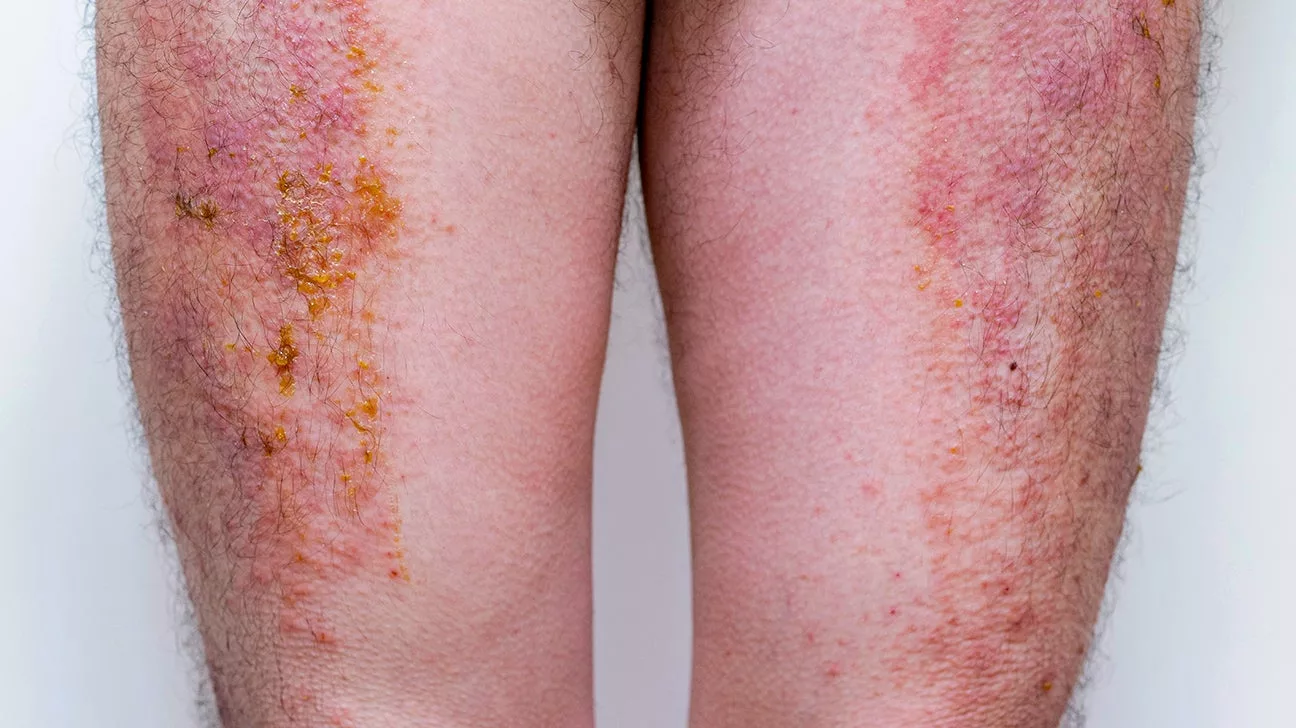
Dermatology 101
Dermatology 101 offers essential information on skin health, common conditions, treatments, and skincare routines, helping individuals understand and care for their skin effectively.

Hidradenitis Suppurativa Ear: What You Need to Know
Ever noticed a stubborn, painful lump behind your ear that just won’t quit? You’re not imagining things, and you’re certainly not alone. Hidradenitis suppurativa (HS) can set up shop in that “out‑of‑sight” spot, and while it’s not the most common place for the disease, it can be just as frustrating. In the next few minutes we’ll walk through everything you might be wondering about – from the tell‑tale signs to…
What Are Psoriasis Blister Symptoms? A Friendly Deep‑Dive
Did you know most people with psoriasis never see blisters? If you’ve ever noticed a fluid‑filled bump on a red, scaly patch, you’re probably wondering whether it’s “normal” psoriasis or something else. The short answer: blisters are rare in classic plaque psoriasis, but they can pop up in certain sub‑types or when a flare‑up gets complicated. Let’s unpack everything you need to know – from why they happen to how…

Ebglyss dosage: Your guide to safe, effective use
Wondering exactly how much Ebglyss you should be taking to keep that stubborn eczema in check? The short answer is: the standard adult regimen starts with a 500 mg loading dose (two 250 mg shots) at week 0 and week 2, then 250 mg every two weeks up to week 16, followed by a maintenance dose of 250 mg once a month. That’s the “core” plan most dermatologists prescribe, and it’s the one you’ll see most often…
Skyrizi vs Stelara: Which Psoriasis Treatment Wins?
Hey there, friend. If you’ve landed on this page, you’re probably wrestling with the same question that many people with moderate‑to‑severe plaque psoriasis ask: “Should I go with Skyrizi or Stelara?” Both are prescription biologics, both have transformed lives, and both come with their own quirks. In the next few minutes, we’ll walk through the science, the stats, the side‑effects, the costs, and even a couple of real‑world stories— all…
Spevigo Side Effects: What to Expect and How to Manage
Hey there! If you’ve landed on this page, chances are you or someone you love is starting Spevigo for generalized pustular psoriasis (GPP) and you’re wondering, “What kind of side effects should I be ready for?” You’re not alone. I’ve spoken with several patients, read the latest prescribing info, and chatted with dermatology experts, so let’s cut through the medical jargon together and get you the clear, friendly rundown you…
Tremfya Medicare Part D: Coverage & Costs Explained
If you’ve just been prescribed Tremfya (guselkumab) for moderate‑to‑severe psoriasis or psoriatic arthritis, the first question that probably pops into your head is: “Will Medicare Part D actually cover this, or am I staring at a massive bill?” The short answer is yes—most Part D plans do cover Tremfya, but the exact out‑of‑pocket amount can feel like navigating a maze. The long answer? That’s what we’re about to unpack, step by step,…
Vibratory Urticaria: What You Need to Know Today
Quick Answer What is vibratory urticaria? It’s a rare type of chronic‑inducible hives where the skin erupts with itchy welts—often called vibration hives—within minutes of being exposed to vibration, friction, or repetitive stretching. Who gets it and why? The condition can be hereditary (an autosomal‑dominant mutation in the ADGRE2 gene) or acquired through repeated occupational exposure. Everyday actions such as using power tools, jogging, towel‑drying, or even a bumpy car…
Pressure urticaria symptoms — what to look for
Imagine you’ve just finished a long hike, taken off your boots, and a few hours later a painful, itchy lump starts to bloom on the calf. That delayed, tender swelling is the hallmark of pressure urticaria. If you’ve ever wondered why the rash shows up hours after the pressure is gone, you’re in the right place. Getting a grip on those tell‑tale signs early can spare you weeks of uncomfortable…

Painful Dermatologic Diseases: Finding Relief & Hope
Hey there, friend. If you’ve ever felt a sharp sting or a constant burning on your skin that just won’t quit, you know how unsettling it can be. You might have Googled “painful dermatologic disease” and been flooded with medical jargon that feels more like a textbook than a conversation. I’m here to change that. In the next few minutes we’ll walk through what these conditions really are, why they hurt…

Understanding Blistering Skin Disease: Causes & Care
Hey there, friend. If you’ve ever woken up to find painful blisters spreading across your skin or noticed stubborn chronic wounds that just won’t heal, you’re probably grappling with a blistering skin disease. It’s a scary phrase, I know, but the good news is that you don’t have to navigate it alone. In the next few minutes we’ll break down what’s really happening under the surface, why it occurs, how…